Research Articles
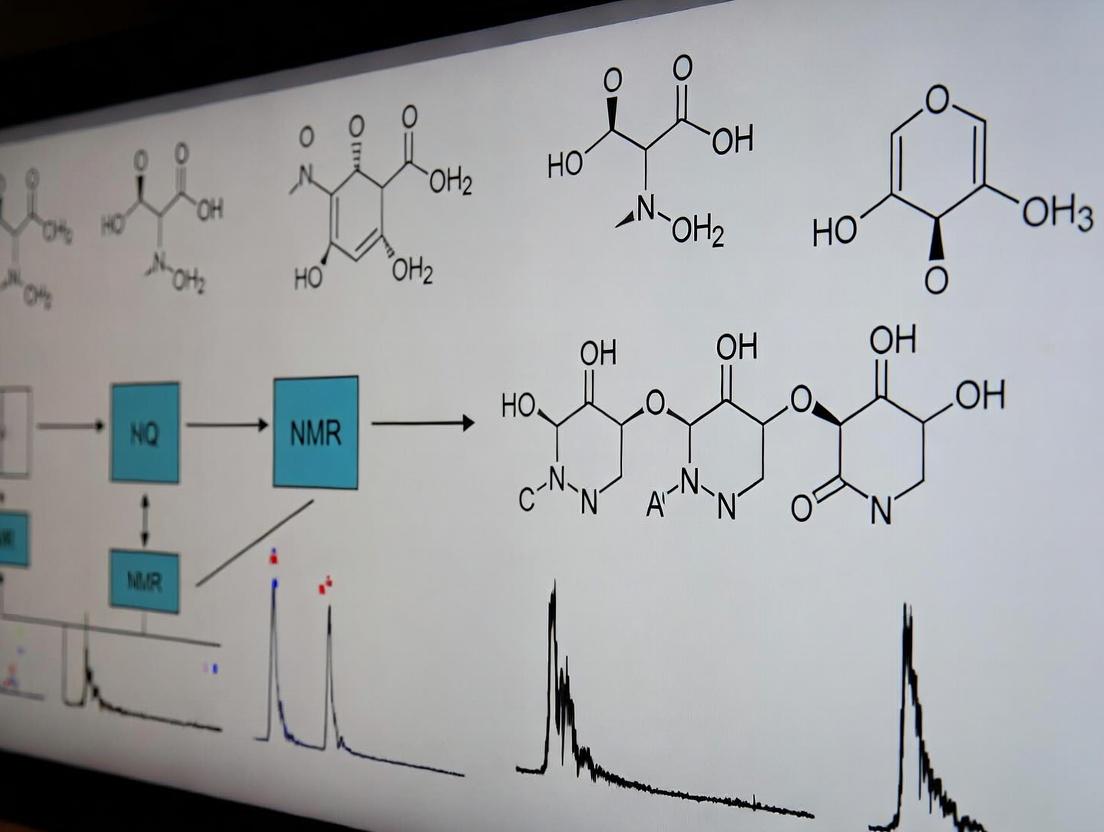
NMR Metabolomics for Craft Beer Classification: A Novel Analytical Framework with Biomedical Implications
This article explores the application of Nuclear Magnetic Resonance (NMR) spectroscopy-based metabolomics as a powerful, non-destructive tool for the classification and authentication of craft beers.
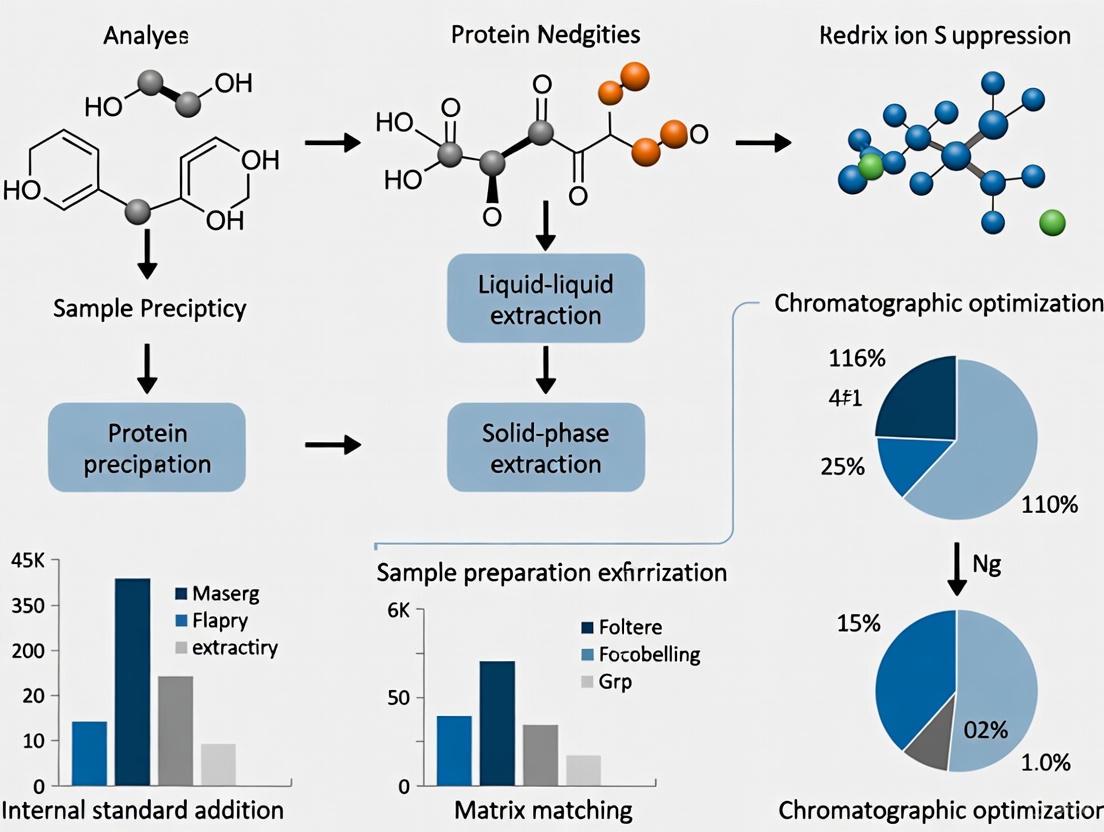
Advanced Strategies to Overcome Ion Suppression in LC-MS: A Comprehensive Guide for Bioanalytical Scientists
Ion suppression remains a critical challenge in LC-MS bioanalysis, compromising sensitivity, accuracy, and precision in pharmaceutical, clinical, and environmental applications.
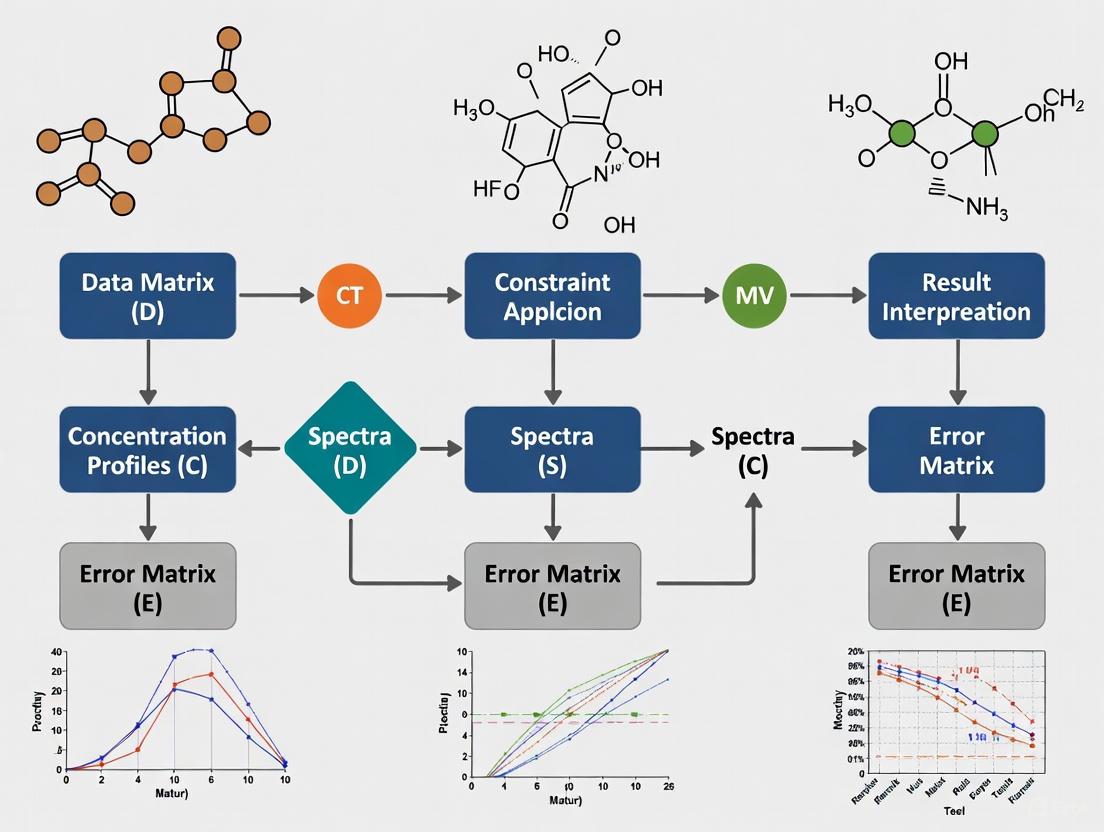
Matrix Matching with Multivariate Curve Resolution (MCR): A Foundational Guide for Robust Pharmaceutical and Biomedical Analysis
Matrix effects present a significant challenge in quantitative spectroscopic analysis, often leading to inaccurate predictions due to spectral differences and concentration mismatches between calibration standards and complex unknown samples.
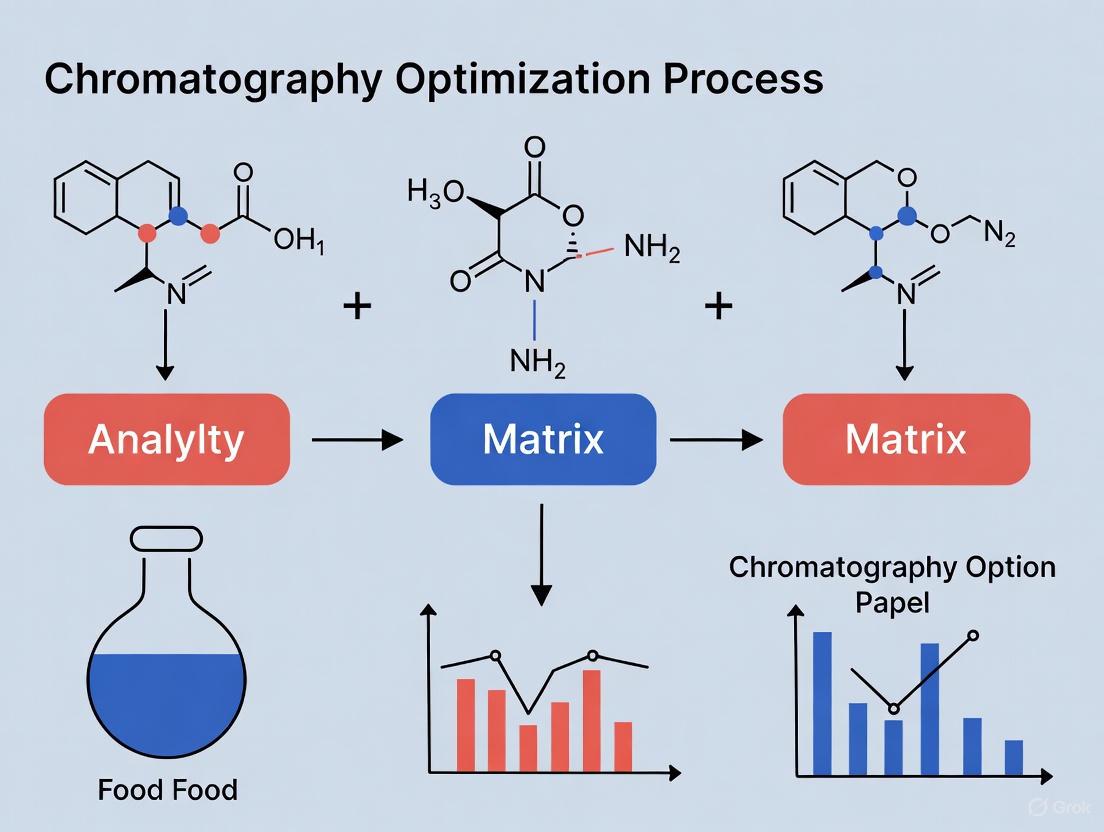
Advanced Strategies for Chromatographic Separation of Analytes from Complex Matrices in 2025
This article provides a comprehensive guide for researchers and drug development professionals on optimizing chromatographic separations to effectively isolate target analytes from complex sample matrices.
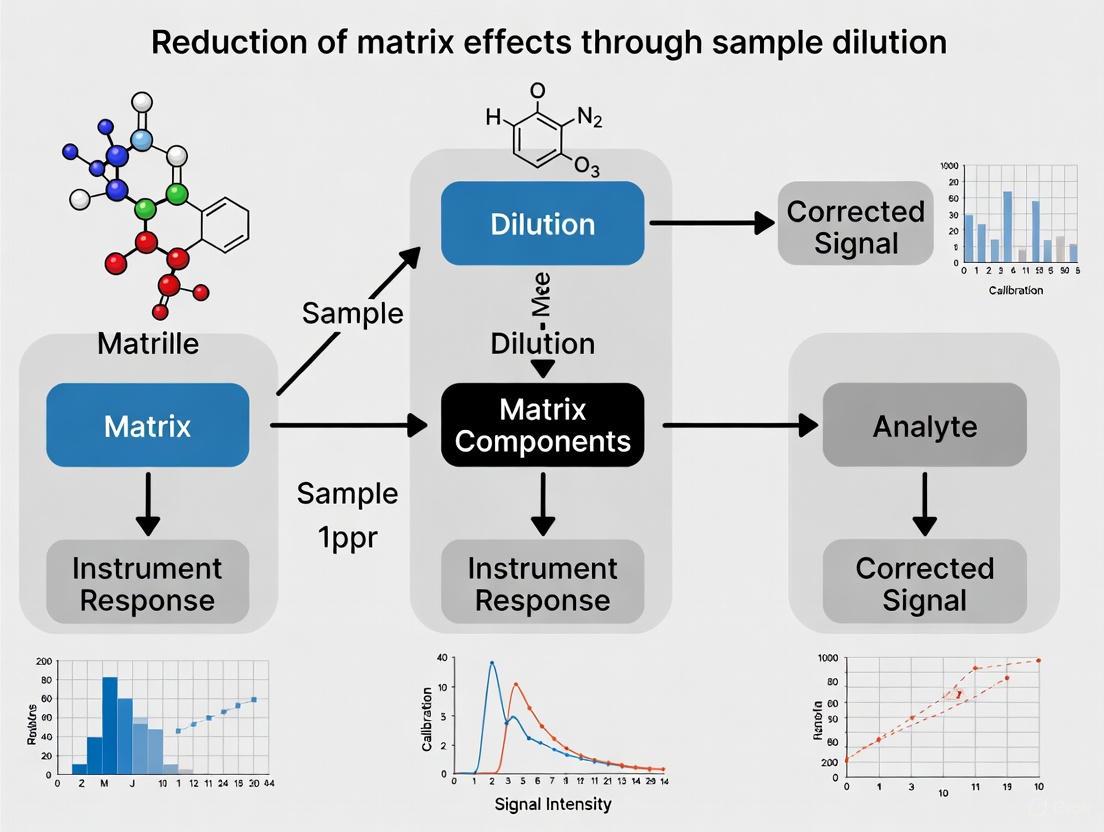
Sample Dilution Strategies for Matrix Effects Reduction: A Comprehensive Guide for Bioanalytical Research
Matrix effects present significant challenges in quantitative LC-MS analysis, potentially compromising accuracy, precision, and sensitivity in biomedical research and drug development.
Mastering Matrix Effects in QuEChERS Extraction: A Comprehensive Guide for Robust Bioanalytical Methods
This article provides a comprehensive examination of QuEChERS (Quick, Easy, Cheap, Effective, Rugged, and Safe) extraction, with a dedicated focus on understanding, mitigating, and validating against matrix effects (ME) in...
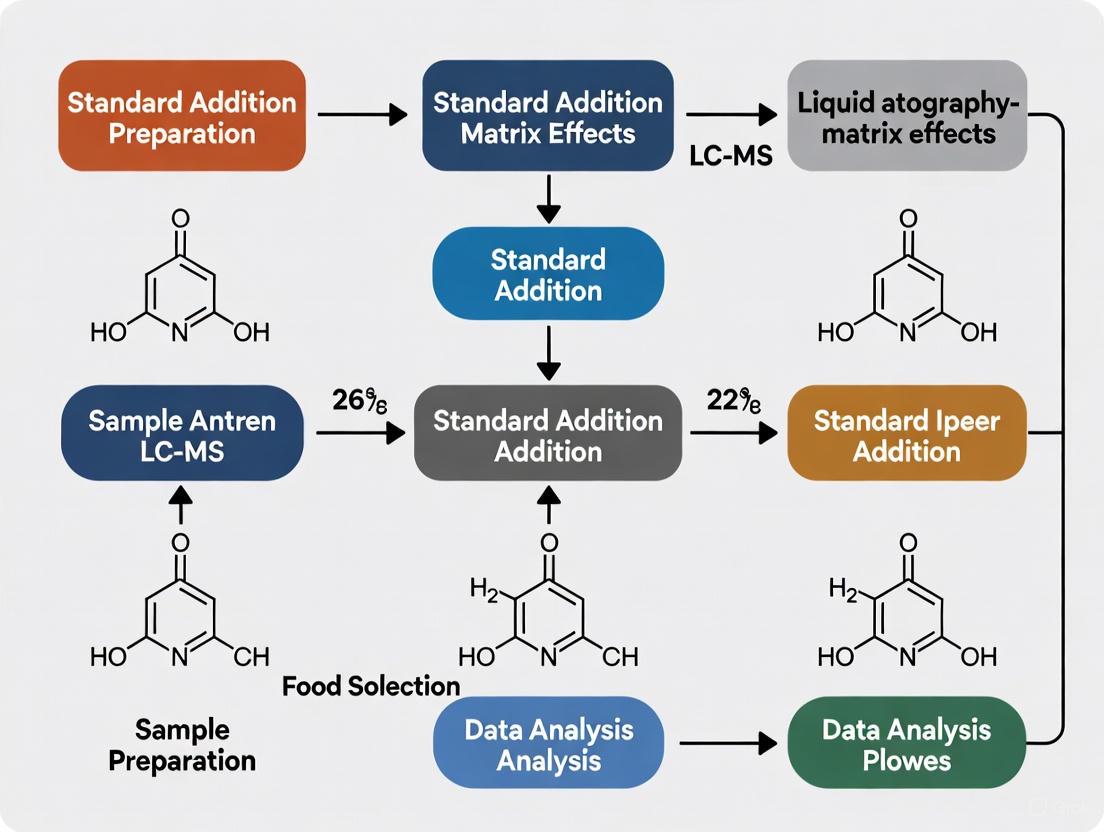
Overcoming LC-MS Matrix Effects with the Standard Addition Method: A Comprehensive Guide for Bioanalytical Scientists
This article provides a comprehensive exploration of the standard addition method as a robust and cost-effective solution for compensating matrix effects in quantitative LC-MS bioanalysis.
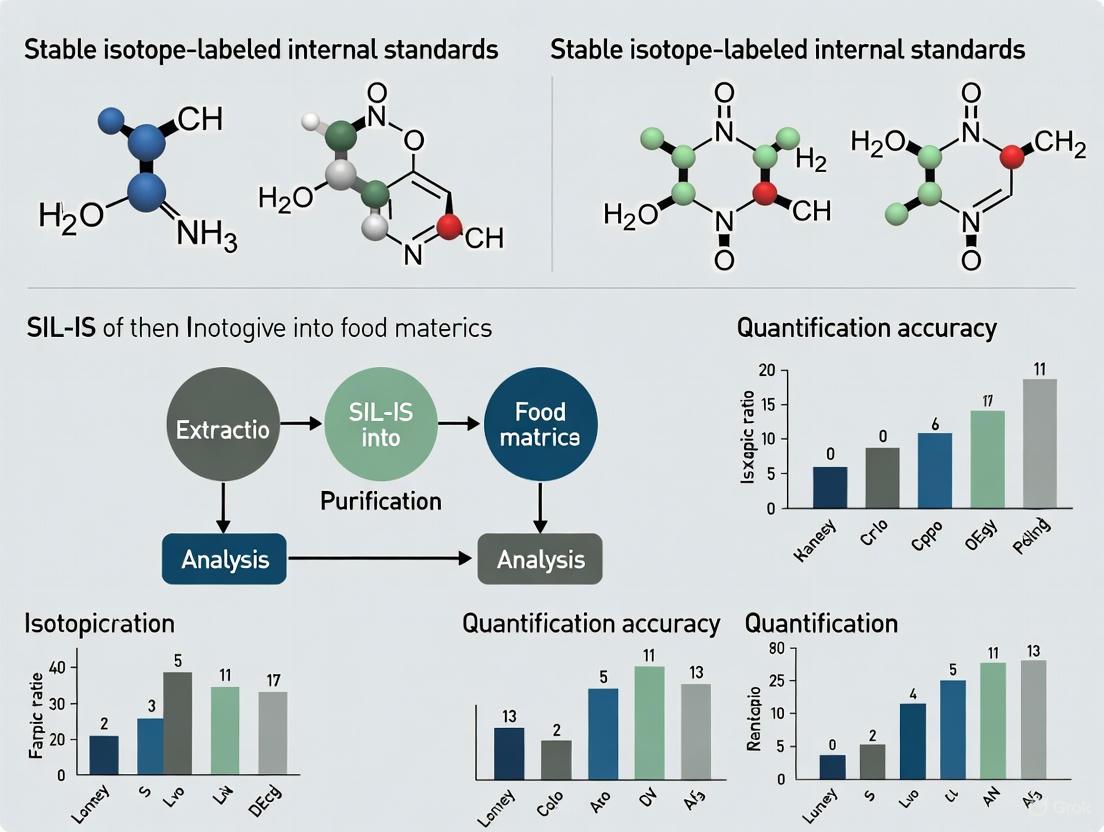
Stable Isotope-Labeled Internal Standards (SIL-IS): A Comprehensive Guide from Fundamentals to Advanced Applications in LC-MS Bioanalysis
This article provides a thorough examination of Stable Isotope-Labeled Internal Standards (SIL-IS), essential tools for ensuring accuracy and precision in quantitative LC-MS bioanalysis.
Matrix-Matching Calibration: A Foundational Strategy for Accurate Quantification in Complex Biomedical Samples
This article provides a comprehensive overview of matrix-matching calibration, a critical strategy for achieving accurate and reliable quantification in complex sample matrices.
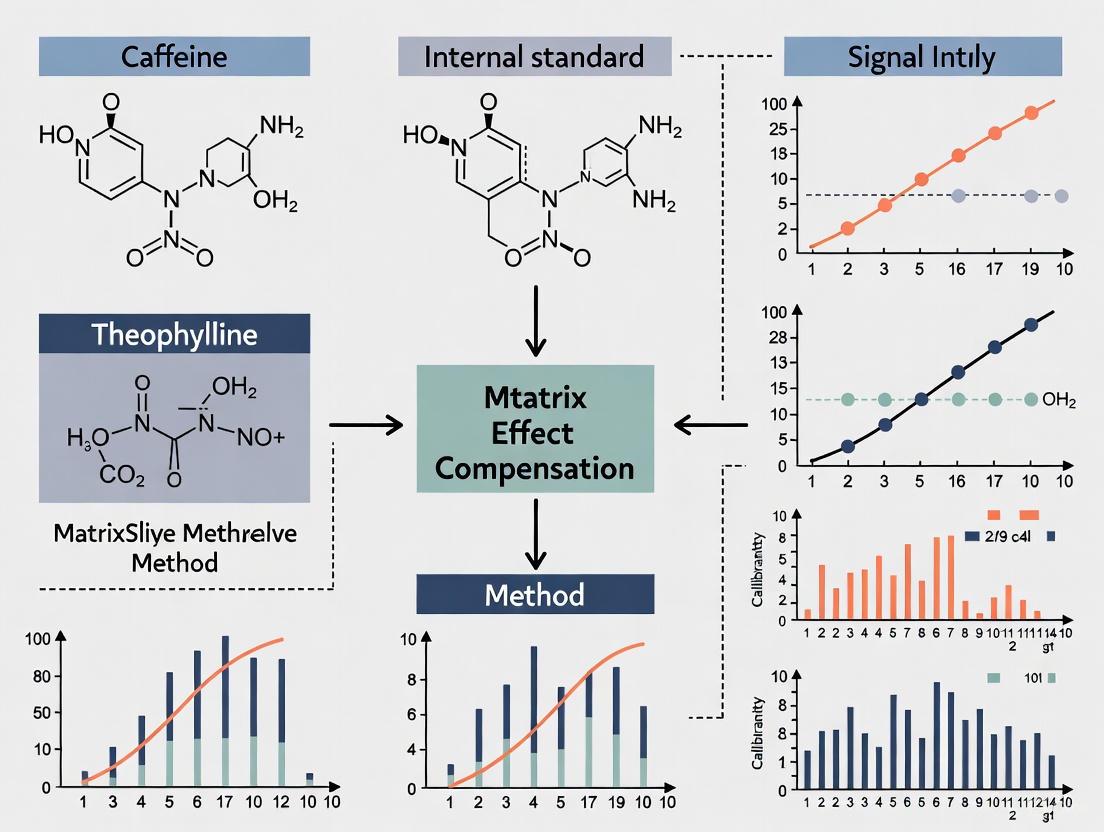
Mastering the Internal Standard Method for Matrix Effect Compensation in LC-MS Bioanalysis
This article provides a comprehensive guide for researchers and drug development professionals on employing the internal standard (IS) method to overcome matrix effects in Liquid Chromatography-Mass Spectrometry (LC-MS).