Greener Pastures: How Science is Making Dairy Farming Sustainable
Transforming an essential industry through innovative research and sustainable practices
The Climate Hoofprint: Why Dairy Farming Needs a Revolution
Picture this: a simple glass of milk. While it may seem like a straightforward staple, the journey from cow to carton has become one of modern agriculture's most complex challenges. For centuries, dairy farming has been a fundamental part of human nutrition and economies, with archaeological evidence dating its practice back to the early Neolithic era in Europe, the Middle East, Asia, and Africa 3 . Today, however, this essential industry stands at a crossroads. As the global population grows, so does the demand for dairy—and with it, the environmental pressures of production.
7.9B
Global population driving dairy demand
4%
Annual growth in global dairy consumption
2.7%
Dairy's contribution to global GHG emissions
The uncomfortable truth is that dairy farming contributes significantly to climate change, creating what scientists call a "climate hoofprint" 3 . But there's hope on the horizon. In research facilities and experimental farms worldwide, scientists are developing innovative solutions to transform dairy into a sustainable industry. This isn't just about minor tweaks to farming practices; it's a fundamental reimagining of how we produce dairy—from what cows eat to how we manage their waste and even how we breed them. The future of dairy farming is taking shape in petri dishes, soil samples, and genetic databases, offering a path toward satisfying our nutritional needs without costing the Earth.
The Bovine Burden: Understanding Dairy's Environmental Impact
Greenhouse Gas Problem
The environmental impact of dairy farming primarily comes down to greenhouse gases, with methane (CH₄) and nitrous oxide (N₂O) being the main culprits.
While biological emissions from animal digestion are an inherent factor, research shows that sustainability shortfalls in dairy farming are "primarily driven by human processes associated with commercialization and industrialization rather than the animals themselves" 3 .
Supply Chain Perspective
When we trace the environmental impact across the entire dairy supply chain, five key areas emerge as primary contributors to its ecological footprint 3 :
- Livestock management - including herd size and husbandry practices
- Feed production and management - from field to trough
- Stakeholder management - coordinating sustainability efforts
- Logistics and supply chain management - transportation networks
- Waste management - handling manure and operational waste
Dairy Supply Chain Emissions Breakdown
Seeds of Change: The Multispecies Swards Experiment
Rethinking the Perfect Pasture
One of the most promising solutions emerging from dairy science doesn't involve high-tech gadgets or complex machinery, but rather a fundamental rethinking of what grows in pastures. For decades, many dairy farms have relied on monocultures of perennial ryegrass for cattle feed. While these uniform pastures are manageable, they require significant fertilizer inputs and have limitations in nutritional quality. Enter multispecies swards—carefully designed mixtures of grasses, legumes, and herbs that are revolutionizing sustainable dairy from the ground up.
A groundbreaking one-year plot study conducted by researchers Hargreaves and Rees set out to compare increasingly complex multispecies swards against traditional monocultures 3 . The research team established five different test plots:
Pfert
Fertilized monoculture of perennial ryegrass (the control)
PR
Perennial ryegrass and red clover
PRP
Perennial ryegrass, red clover, and tonic plantain
PRPB
PRP mixture plus birdsfoot trefoil
PRPBB
PRPB mixture plus burnet
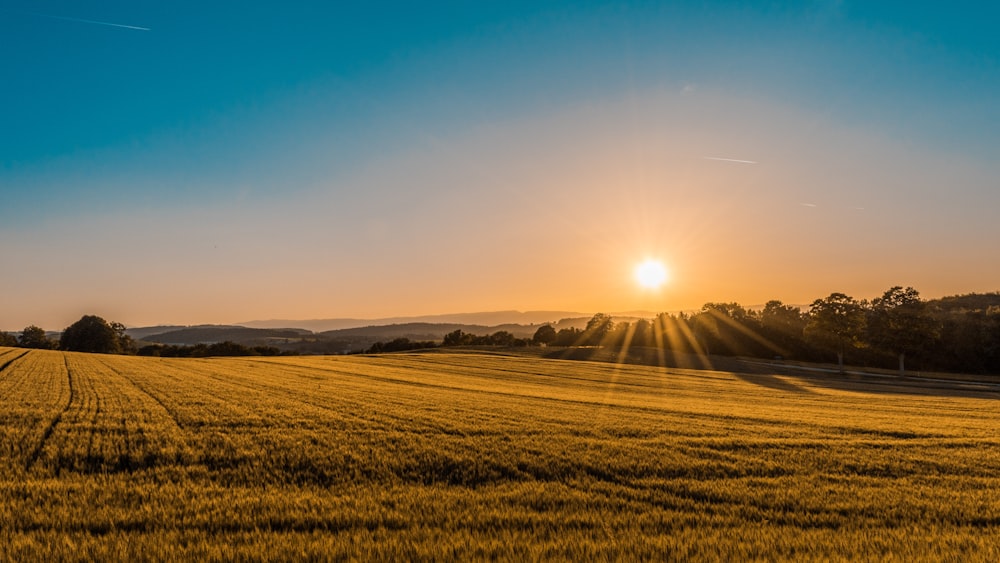
Diverse pasture with multiple plant species improves soil health and reduces environmental impact
Methodology and Findings
The experimental design followed a systematic approach: the plots were cut twice to measure dry matter yield and quality, while specialized equipment monitored emissions of the greenhouse gases N₂O and methane throughout the study period 3 . The results were striking, particularly for the three-species mixture (PRP).
| Sward Type | Dry Matter Yield | Nitrous Oxide Emissions | Methane Emissions | Metabolizable Energy |
|---|---|---|---|---|
| Pfert (Monoculture) | Baseline | 27.5 μg N₂O ha⁻¹day⁻¹ | Baseline | Baseline |
| PR (2 species) | Lower than Pfert | Lower than Pfert | Similar to PRP | Lower than PRP |
| PRP (3 species) | Highest | Significantly reduced | Significantly reduced | Greater than Pfert |
| PRPB (4 species) | High | Reduced | Reduced | High |
| PRPBB (5 species) | High | Reduced | Reduced | High |
The PRP sward—a mixture of perennial ryegrass, red clover, and tonic plantain—delivered exceptional results, yielding greater dry matter than the fertilized monoculture while requiring less fertilizer and producing lower N₂O emissions 3 . This combination proved to be a "sweet spot" in the balance between complexity and benefit.
Soil Health Comparison
"The benefits extended beyond greenhouse gas reductions. The study found that aspects of soil health, mainly the physical structure and earthworms, were sustained by greater species mixtures" 3 .
The deeper roots of plants like plantain and burnet allowed them to access nutrients and minerals from deeper in the soil profile than the monoculture grasses could, creating a more resilient agricultural system.
The Scientist's Toolkit: Key Research Reagents in Dairy Sustainability
Behind every dairy sustainability breakthrough is a suite of specialized research tools and reagents that enable scientists to understand and improve farming practices.
| Reagent/Tool | Primary Function | Application in Dairy Research |
|---|---|---|
| GreenFeed System | Measures enteric methane emissions | Captures and quantifies methane from individual cows' breath during feeding |
| Mid-IR Spectroscopy | Analyzes milk composition | Estimates methane production potential based on milk spectral data |
| Plasma-based Nitrogen Enrichment | Enhances fertilizer efficiency | Reduces ammonia volatilization from manure and inhibits microbial activity during storage |
| Mobile Genetic Element Markers | Tracks gene transfer | Studies antibiotic resistance gene dynamics between microorganisms |
| Multispecies Sward Seeds | Creates diverse pastures | Tests sustainable forage options with reduced environmental impact |
Innovative Research Applications
These tools have enabled remarkable discoveries. For instance, the GreenFeed system, combined with mid-IR spectral data from milk samples, has allowed researchers to develop methane breeding values—genetic estimates of a cow's tendency to produce methane 3 . This innovation is now being incorporated into breeding programs in countries like Canada, marking the first time direct methane traits have been included in national selection indexes.
Similarly, plasma-based nitrogen enrichment technology represents a cutting-edge approach to managing organic fertilizers. This method "uses an electrically generated air plasma to produce reactive N that is absorbed by the organic fertilizer as nitrate (NO₃⁻) and nitrite (NO₂⁻)" 3 . The process reduces pH, which inhibits microbial activity and prevents methane formation during storage—a significant advantage in managing dairy's environmental impact.
Cultivating a Sustainable Future: The Path Forward
The research into multispecies swards, alongside other innovations in dairy science, points toward a more sustainable future for the industry. The experimental evidence suggests that a three-species mixture of perennial ryegrass, red clover, and tonic plantain offers the most practical balance, delivering "greater yield than perennial ryegrass with less fertiliser and lower N₂O emissions" while demonstrating "opportunities for climate change mitigation and adaptation in dairy systems" 3 .
Key Sustainable Strategies
- Genetic selection programs incorporating environmental traits
- Methane estimated breeding values (EBVs) for lower-emission cattle
- Comprehensive GHG indexes to reduce environmental footprint
- Vermicomposting for manure management
- Broader sustainability frameworks like sustainable intensification
Projected Impact of Sustainable Practices
As we stand at the intersection of traditional farming knowledge and cutting-edge science, the path forward is becoming clearer. Through innovative feeding strategies, careful genetic selection, and holistic farm management, we can reimagine dairy farming as a sustainable partner in our food system—one that provides essential nutrition while nurturing the planet that sustains us.
The research shows that the seeds of change are literally and figuratively taking root in pastures around the world, offering hope for dairy farming that honors both its ancient heritage and its future potential.