Bomb Calorimetry in Food Science: A Comprehensive Guide for Accurate Energy Measurement in Research and Development
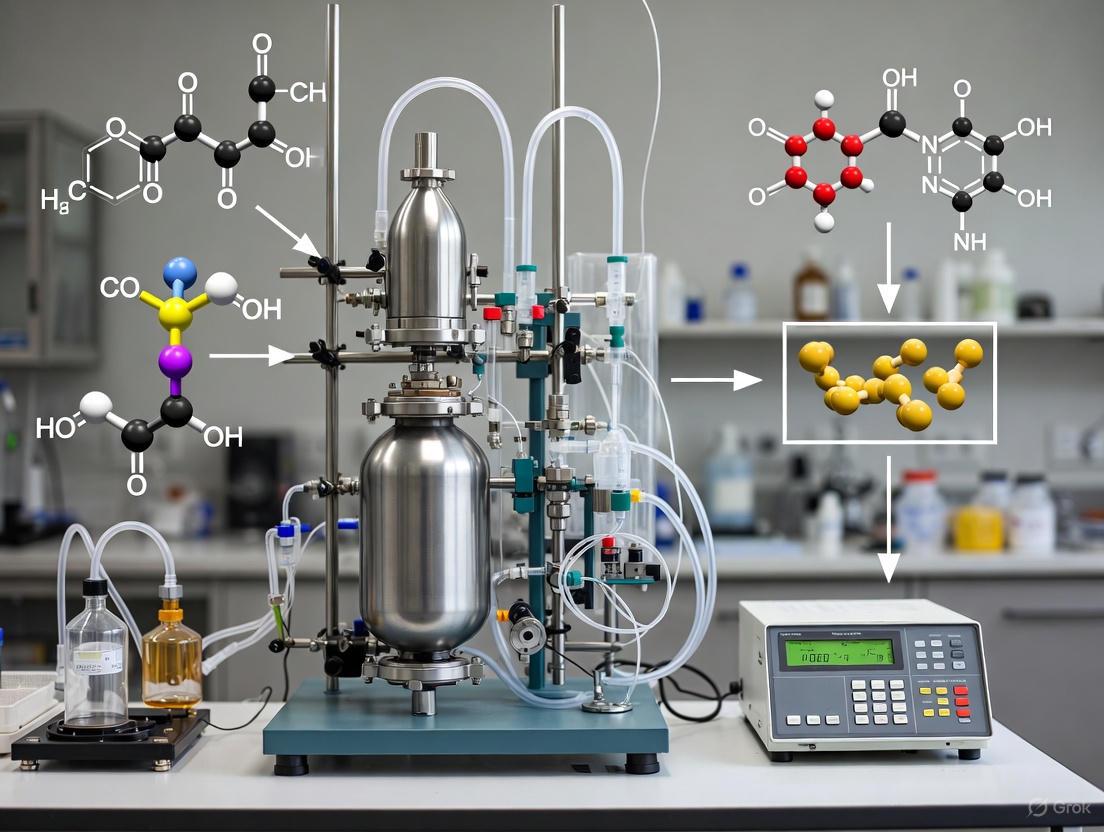
This article provides a comprehensive guide to bomb calorimetry for researchers, scientists, and drug development professionals.
Bomb Calorimetry in Food Science: A Comprehensive Guide for Accurate Energy Measurement in Research and Development
Abstract
This article provides a comprehensive guide to bomb calorimetry for researchers, scientists, and drug development professionals. It covers the foundational principles of measuring the gross energy content of foods and beverages through complete combustion. The scope extends from core thermodynamic concepts and equipment selection to detailed, standardized methodological protocols for sample preparation and analysis. It further addresses critical troubleshooting for complex matrices, optimization strategies for enhanced precision, and a comparative validation of bomb calorimetry against indirect calculation methods like the Atwater system. The article synthesizes current research and best practices to serve as an essential resource for ensuring data accuracy in nutritional analysis, product development, and regulatory compliance.
The Principles and Science of Bomb Calorimetry for Food Energy Analysis
The accurate determination of the energy content of food is a cornerstone of nutritional science, food labeling, and clinical nutrition. Bomb calorimetry serves as the principal experimental method for directly measuring the gross energy (GE) of food products, a process fundamentally governed by the First Law of Thermodynamics [1]. This law, which states that energy cannot be created or destroyed but only transformed from one form to another, provides the theoretical foundation for relating the heat released during the complete combustion of a food sample to its total chemical energy [2] [3]. For researchers and professionals in drug development and nutritional science, understanding this link is critical for verifying the energy values of dietary items, formulating medical nutrition products, and ensuring accurate data for nutritional databases [4] [5]. This document outlines the core principles and provides detailed protocols for applying bomb calorimetry in food energy research.
Theoretical Foundation: The First Law of Thermodynamics
The First Law of Thermodynamics can be formally expressed by the equation: ΔU = Q - W [6] In this formulation:
- ΔU is the change in the system's internal energy.
- Q is the net heat transferred into the system.
- W is the net work done by the system on its surroundings.
In the context of a bomb calorimeter, the "system" is the sealed bomb chamber where the sample is combusted. The volume within the bomb is essentially constant (a rigid container), meaning the system does not expand or contract to perform pressure-volume work (W). Therefore, W = 0, and the equation simplifies to ΔU = Q [3] [1]. The heat released (Q) from the combustion reaction causes a measurable temperature rise in the surrounding calorimeter vessel. This direct relationship, derived from the First Law, allows for the calculation of the sample's internal energy change, which is its gross heat of combustion [1] [6].
Methodologies and Experimental Protocols
Critical Sample Preparation Procedures
Standardized sample preparation is paramount for obtaining accurate and reproducible gross energy measurements, as variations in methodology can significantly impact results [7] [4]. The following protocol synthesizes best practices from current research.
Table 1: Key Sample Preparation Steps for Bomb Calorimetry
| Step | Protocol Description | Purpose & Rationale | Considerations for Different Sample Types |
|---|---|---|---|
| 1. Initial Homogenization | Agitate liquid samples for ~60 seconds or blend/mix solid and semi-solid samples thoroughly [4] [5]. | Ensures a representative sub-sample is taken for analysis, critical for heterogeneous foods. | Essential for high-fat beverages and non-homogeneous solid foods to prevent energy variation [7]. |
| 2. Dehydration | Oven-dry at 70°C for ~72 hours or until a constant weight is achieved. Freeze-drying (between -50°C to -190°C) is a common alternative [4]. | Removes water that would otherwise absorb combustion energy and vaporize without contributing to the temperature measurement. | High-fat samples are particularly sensitive and must be dried to a constant weight to ensure complete combustion and accurate results [7]. |
| 3. Post-Dehydration Homogenization | Grind the dehydrated sample into a fine, uniform powder using a mortar and pestle or a mechanical grinder [4]. | Increases surface area, promoting complete and consistent combustion. | This step is critical for all sample types post-dehydration to ensure homogeneity [7] [8]. |
| 4. Sample Presentation | Compress ~1 g of the homogenized powder into a pellet using a pellet press [5]. | Creates a dense, uniform sample that burns steadily and completely, minimizing scattering of unburned material. | Pelletization is the most frequently reported method, though some protocols use paste or sawdust mixtures [4]. |
Bomb Calorimetry Operational Protocol
The following workflow details the operation of an adiabatic bomb calorimeter, which is favored for accurate nutritional studies due to its precision [1].
Equipment Calibration: The calorimeter must be calibrated prior to use with a thermochemical standard, typically benzoic acid, which has a known and precise heat of combustion [1] [5]. The heat capacity of the entire system (Cv) is calculated as Cv = Ebenzoic / ΔTbenzoic. This Cv factor is then used to convert the temperature change (ΔT) of a sample into its gross energy (Esample): Esample = Cv × ΔTsample [1].
Data Presentation: Equipment and Energy Values
Comparison of Calorimeter Types
Table 2: Comparison of Adiabatic and Ballistic Bomb Calorimeters
| Feature | Adiabatic Bomb Calorimeter | Ballistic Bomb Calorimeter |
|---|---|---|
| Principle of Operation | Measures equilibrium temperature rise in a water jacket after combustion; the outer jacket is heated to match the inner vessel temperature, creating an adiabatic environment [1]. | Measures the maximum temperature rise (a non-equilibrium peak) immediately after combustion; uses a light bomb casing and a thermocouple [1]. |
| Typical Accuracy | High (~±0.1% with two determinations) [1]. | Lower (~±1.1% with six determinations) [1]. |
| Analysis Speed | Slower (5-8 minutes to reach equilibrium) [1]. | Faster (maximum deflection in ~40 seconds) [1]. |
| Primary Application | Accurate energy-balance studies and nutritional research where precision is critical [1]. | Rapid quality control and screening where extreme precision is not required [1]. |
Gross Energy of Food Components and Whole Foods
Data obtained from bomb calorimetry provides the gross energy values for macronutrients and whole foods, forming the basis for metabolizable energy calculations (e.g., Atwater factors) [1] [8].
Table 3: Average Gross Energy (GE) of Select Foods and Macronutrients (Dry-Weight Basis) [1]
| Material | Average GE (kJ/g) |
|---|---|
| Food Types | |
| Butter | 37.0 |
| Pork | 32.8 |
| Mutton | 30.0 |
| Eggs | 29.7 |
| Beef | 27.2 |
| Milk | 22.8 |
| Rolled Oats | 20.2 |
| Bread | 19.0 |
| Fresh Fruit | 18.4 |
| Macronutrients | |
| Fats (e.g., Meat fat, Lard) | 39.0 - 40.1 |
| Proteins (e.g., Egg, Meat) | 23.6 - 24.9 |
| Carbohydrates (e.g., Starch, Glucose) | 15.6 - 17.5 |
The Scientist's Toolkit: Essential Research Reagents and Materials
Table 4: Key Reagents and Materials for Bomb Calorimetry
| Item | Function / Application |
|---|---|
| Benzoic Acid | Primary thermochemical standard for equipment calibration. Its heat of combustion is precisely known, allowing calculation of the calorimeter's heat capacity [1] [5]. |
| High-Purity Oxygen (≥99.95%) | Oxidizing atmosphere for the complete combustion of the sample inside the sealed bomb. Typically pressurized to 3030 kPa (30 atm) [1]. |
| Nickel/Chromium Fuse Wire | Ignition source. The electrical resistance of the wire causes it to heat and ignite when a current is passed, initiating sample combustion [1]. |
| Crucible (e.g., Stainless Steel) | Holds the sample during combustion. Must be resistant to high temperatures and the corrosive products of combustion [1]. |
| Cotton Thread (Optional) | Aids ignition. Tied to the fuse wire and placed in contact with the sample to ensure reliable ignition of low-flammability materials [1]. |
| Pellet Press | Compresses powdered, dehydrated samples into dense pellets to ensure steady and complete combustion [4] [5]. |
| Silicone Moulds | Used for containing and shaping liquid or semi-solid samples during the dehydration process in an oven or freeze-dryer [5]. |
| Drying Oven / Freeze Dryer | Critical for sample preparation to remove moisture, which is a mandatory step for accurate calorimetry of food and beverage samples [4] [8]. |
Bomb calorimetry remains the gold-standard method for determining the gross energy content of foods and other combustible materials through complete combustion in an oxygen-rich atmosphere [9]. This precise measurement is fundamental to nutrition science, enabling researchers to verify the caloric values listed in dietary databases and on food labels [4]. The accuracy of this method hinges on the integrated function of its core components: the bomb, water jacket, stirrer, and thermometer [10] [11]. These elements work in concert to ensure complete combustion of the sample and precise measurement of the heat released, providing critical data for food research and development.
Core Components and Their Functions
The bomb calorimeter is a system designed to measure the heat of combustion at a constant volume. The change in internal energy (ΔE) is derived from the temperature change observed during the combustion reaction [11]. The four primary components each fulfill a critical role in this process.
The Bomb
The bomb is a sealed, heavy-walled container, typically constructed from robust materials resistant to high pressure and corrosion, such as stainless steel or special alloys [10].
- Function: It provides a constant-volume chamber where the sample undergoes complete combustion in a high-pressure oxygen atmosphere (typically at 25-30 atm). This sealed environment ensures that all energy released from the burning sample is conserved within the system and transferred as heat to the surrounding water jacket [10] [11].
- Key Features: The bomb includes a valve for purging and pressurizing with oxygen, a crucible to hold the sample, and an electrical ignition circuit with a firing wire or filament (often made of tungsten) that ignites the sample [10] [11].
The Water Jacket
The water jacket is an insulated container that holds a known mass of water, in which the bomb itself is submerged [10] [11].
- Function: It acts as the primary heat sink, absorbing the heat released from the combustion occurring inside the bomb. The entire assembly is isolated from the external environment to prevent heat loss, making it a key component for ensuring measurement accuracy [11].
- Configuration Types:
- Adiabatic Jacket: Temperature is maintained equal to the water in the inner bucket throughout the test, eliminating heat exchange [12].
- Isoperibol Jacket: Maintained at a constant temperature, allowing for a known rate of heat exchange with the inner vessel, which is accounted for in calculations [12].
The Stirrer
The stirrer is a mechanical or motorized device that ensures continuous and uniform circulation of the water within the water jacket [10] [11].
- Function: It eliminates temperature gradients by homogenizing the water, guaranteeing that the thermometer records a temperature representative of the entire water mass. Without effective stirring, localized hot spots would lead to inaccurate temperature readings and compromise the calorific value calculation [10].
The Thermometer
The thermometer is a precision instrument for measuring the temperature change of the water in the jacket before and after sample ignition.
- Function: It detects the subtle temperature change (ΔT) resulting from the heat released during combustion. This ΔT is the primary experimental datum used to calculate the energy content of the sample [11].
- Technology: Modern calorimeters use high-resolution electronic temperature sensors (e.g., platinum resistance thermometers or thermistors) that provide high accuracy and stability, often capable of resolving changes of 0.0001°C to 0.001°C [13] [12]. The temperature reading is typically connected to a digital interface for data acquisition and processing [11].
Table 1: Summary of Core Components and Their Functions in a Bomb Calorimeter
| Component | Primary Function | Critical Characteristics |
|---|---|---|
| Bomb | Sealed reaction vessel for constant-volume combustion | Robust construction, corrosion-resistant, capable of withstanding high pressure |
| Water Jacket | Heat absorption medium; thermally isolates the system | Known water mass, high-quality insulation, precise temperature control (in adiabatic models) |
| Stirrer | Homogenizes water temperature | Provides consistent, thorough mixing without generating significant heat |
| Thermometer | Measures temperature change of the water (ΔT) | High precision, stability, and resolution (e.g., ±0.001°C) |
Experimental Protocol for Food Energy Determination
Accurate determination of food energy content requires meticulous sample preparation and strict adherence to a controlled combustion procedure. The following protocol is adapted from methodologies synthesized from recent research on food and beverage bomb calorimetry [4] [7].
Sample Preparation Workflow
Proper preparation is critical to ensure that the small sample combusted is fully representative of the entire food product.
Diagram 1: Food sample preparation workflow for bomb calorimetry. Method frequencies are derived from a synthesis of 71 studies [4].
Sample Preparation Procedures
- Initial Homogenization: For solid and semi-solid foods, use a commercial food blender or processor to create a uniform consistency. For liquids and beverages, ensure thorough agitation to homogenize the sample, particularly for high-fat content items where separation can occur [4] [7].
- Sample Dehydration: Dehydrate the homogenized sample to a constant weight. Freeze-drying (at -50°C to -190°C) is the most frequently reported method (used in 37 studies), as it preserves the sample's structure and composition. Oven-drying (at 15-85°C for up to 72 hours) is a common alternative (n=25 studies) [4]. Complete dehydration is essential for efficient and complete combustion.
- Post-Dehydration Homogenization: Grind the dehydrated sample into a fine, consistent powder using a mortar and pestle or a laboratory mill. This step ensures a homogeneous composition and promotes complete combustion [4].
- Pellet Formation: Compress a precisely weighed portion of the ground sample (approximately 1.0 g, the most commonly reported mass) into a dense pellet. Pelletization (used in 29 studies) prevents sample loss and ensures a consistent, controlled burn rate [4].
Calorimeter Operation and Data Collection
The following table outlines the key steps for operating the bomb calorimeter, from setup to final calculation.
Table 2: Bomb Calorimeter Operation Protocol for Food Samples
| Step | Procedure | Critical Parameters & Notes |
|---|---|---|
| 1. Equipment Calibration | Combust a certified, pure-grade benzoic acid pellet (e.g., 1.0 g) using the same procedure as for food samples. Record the temperature change (ΔTcal). | Most frequent method (n=30 studies) [4]. Determines the energy equivalent of the calorimeter (Cv), in J/°C, which is required for all subsequent sample calculations. |
| 2. Sample Loading | - Weigh the prepared food pellet to the nearest 0.0001 g.- Place the pellet in the crucible inside the bomb.- Carefully attach the ignition wire (e.g., tungsten) to the electrodes, ensuring it makes contact with the sample. | For volatile samples, use a sealed capsule to prevent evaporation during handling [14]. Ensure no pellet fragments are lost. |
| 3. Oxygen Pressurization | Seal the bomb and fill it with pure oxygen to a pressure of 25-30 atmospheres. | Ensure the bomb is clean and dry. Avoid using any lubricants on the seal. Follow manufacturer's safety guidelines for high-pressure gases. |
| 4. Assembly & Initiation | - Place the bomb in the calorimeter jacket filled with a precise mass of water.- Assemble the unit, ensuring the stirrer and thermometer are operational.- Record the initial water temperature (Ti) until a stable baseline is achieved.- Initiate the ignition sequence. | The stirrer must run continuously throughout the test. The water mass and initial temperature should be consistent between calibration and sample runs. |
| 5. Data Acquisition | Monitor and record the water temperature until the final temperature (Tf) is stabilized. | The temperature rise profile is used to determine the accurate ΔT for the test. |
| 6. Calculation | Calculate the gross energy content (Q) of the food sample using the formula: Q = Cv (Tf – Ti) / m, where m is the sample mass. | Results are typically expressed in kilojoules per gram (kJ/g) or kilocalories per gram (kcal/g). 1 kcal = 4.184 kJ [9]. |
The Scientist's Toolkit: Essential Research Reagents and Materials
The following materials are essential for conducting accurate and reliable bomb calorimetry experiments in food research.
Table 3: Essential Materials and Reagents for Bomb Calorimetry in Food Research
| Item | Specification / Grade | Primary Function |
|---|---|---|
| Benzoic Acid | Certified Calorific Standard (≥99.9%) | Primary standard for determining the energy equivalent (Cv) of the calorimeter system [4]. |
| Compressed Oxygen | High Purity (≥99.95%) | Oxidizing atmosphere to ensure complete and rapid combustion of the sample [11]. |
| Ignition Wire | Tungsten or Nickel-Chromium (Pre-weighed) | Ignites the sample via electrical resistance heating; its energy contribution is accounted for in calculations [10]. |
| Crucibles | Heat-resistant metal (e.g., stainless steel) | Holds the sample pellet within the bomb. Must not react with the sample or combustion products. |
| Dehydration Supplies | Freeze dryer or laboratory oven, grinding apparatus | For sample preparation to achieve a dry, homogeneous, and combustible solid [4]. |
The accurate determination of the gross energy content in foods via bomb calorimetry is a process entirely dependent on the precise engineering of its core components—the bomb, water jacket, stirrer, and thermometer—and the rigorous application of standardized protocols. As research highlights, consistency in sample preparation, particularly dehydration and homogenization, is as critical as the instrumental operation itself [4] [7]. By adhering to detailed methodologies and understanding the role of each component and reagent, researchers can generate highly reliable data. This data is fundamental for advancing nutritional sciences, validating food labeling, and supporting public health initiatives.
Within the framework of research on bomb calorimetry for measuring the energy content of foods, the selection of an appropriate calorimetric system is fundamental to data accuracy and experimental efficiency. Bomb calorimetry operates on the principle of complete combustion of a sample in a high-pressure oxygen environment, allowing for the determination of its gross energy content by measuring the heat released [1] [15]. This technique is grounded in the first law of thermodynamics and the law of constant heat summation established by G.H. Hess, which states that the total heat change depends only on the initial and final states of the system [1]. For nutrition research, this provides the physical energy value of food, which forms the basis for calculating the physiological energy value actually available to the human body [15].
Two primary types of bomb calorimeters are prevalent in modern laboratories: the adiabatic and the ballistic systems. The adiabatic calorimeter is designed to prevent any heat exchange with the surroundings, while the ballistic calorimeter prioritizes speed of measurement by capturing the rate of temperature change rather than achieving full equilibrium [1]. This article provides a detailed comparison of these two systems, focusing on their operational principles, comparative accuracy, and specific applications in food science research, complete with structured protocols for their use.
Principles of Bomb Calorimetry and System Characteristics
Fundamental Principles
The core principle of bomb calorimetry involves rapidly combusting a sample in an oxygen-rich atmosphere at elevated pressure (typically 3030 kPa) [1]. The heat generated from this combustion is transferred to a surrounding water bath, and by measuring the temperature change of the water, the heat of combustion of the sample can be calculated. The apparatus is calibrated using benzoic acid, a thermochemical standard, which allows for the derivation of the heat capacity of the system (heat released per unit temperature rise) [1]. The gross energy value obtained represents the maximum theoretical energy content, as the process fully oxidizes organic constituents—fats, carbohydrates, and proteins—to carbon dioxide, water, and other oxides [1] [15].
Key Characteristics of Adiabatic and Ballistic Systems
The design and operational philosophies of adiabatic and ballistic calorimeters differ significantly, leading to distinct performance characteristics.
Adiabatic Bomb Calorimeters employ a sophisticated system with an outer water jacket whose temperature is electronically controlled to precisely match that of the inner calorimeter vessel throughout the experiment [1]. This "adiabatic" (meaning no heat transfer) condition eliminates cooling corrections and associated errors, thereby enhancing accuracy. The temperature of the water is recorded only after stabilization, both before and after the combustion-induced temperature rise [1].
Ballistic Bomb Calorimeters, in contrast, use a lighter bomb casing and forgo the water-filled calorimeter vessel [1]. Instead, most of the heat from combustion is rapidly transmitted to the upper parts of the bomb casing, and this temperature change is measured almost immediately using a thermocouple linked to a galvanometer. The maximum deflection of the galvanometer, which occurs around 40 seconds after ignition, is translated into the energy released via calibration with benzoic acid [1]. This design sacrifices some accuracy for a considerable gain in analysis speed.
Table 1: Comparative Characteristics of Adiabatic and Ballistic Bomb Calorimeters
| Feature | Adiabatic Calorimeter | Ballistic Calorimeter |
|---|---|---|
| Primary Principle | Prevents heat loss to surroundings via a temperature-controlled jacket [1]. | Measures the rate of temperature increase immediately after combustion [1]. |
| Typical Accuracy | ±0.1% (on two determinations) [1]. | ±1.1% (on six determinations) [1]. |
| Analysis Speed | Slower (5-8 minutes to reach a new steady temperature) [1]. | Faster (maximum galvanometer deflection at ~40 seconds) [1]. |
| Cooling Correction | Not required due to adiabatic design [1]. | Not applicable due to instantaneous measurement principle. |
| Sample Replication | Fewer replicates needed for high precision [1]. | Requires ~6x more replicates to match adiabatic precision [1]. |
| Ideal Application | Accurate energy-balance and nutritional studies [1]. | Rapid quality control where supreme accuracy is not critical. |
Experimental Protocols
Protocol for Energy Determination Using an Adiabatic Bomb Calorimeter
This protocol is designed for determining the gross energy content of a dry, homogeneous food sample.
Research Reagent Solutions & Essential Materials
Table 2: Key Materials and Reagents for Bomb Calorimetry
| Item | Function |
|---|---|
| Adiabatic Bomb Calorimeter System | Core instrument for controlled combustion and heat measurement [1]. |
| Benzoic Acid | Thermochemical standard for calibrating the heat capacity of the calorimeter [1]. |
| Nickel/Chromium Fuse Wire | Ignition source to initiate sample combustion [1]. |
| Cotton Thread | Aids in ignition and combustion of the sample [1]. |
| High-Purity Oxygen (>99.95%) | Oxidizing atmosphere for complete combustion of the sample at 3030 kPa [1]. |
| Crucible | Holds the sample within the bomb chamber. |
Step-by-Step Procedure:
- Sample Preparation: Homogenize the food sample and freeze-dry it. Compact a subsample (typically ~1 g) into a pre-weighed crucible [1].
- Bomb Assembly: Connect the electrodes with a piece of nickel/chromium fuse wire. Tie a piece of cotton thread to the wire and place it in contact with the sample. Seal the crucible and electrodes inside the bomb chamber [1].
- Pressurization: Fill the bomb with pure oxygen to a pressure of 3030 kPa [1].
- Instrument Setup: Place the sealed bomb into the calorimeter vessel, which contains a precisely known mass of water. Ensure the lid is closed, and initiate continuous stirring of the water [1].
- Temperature Stabilization & Measurement: Record the initial temperature of the water once it has stabilized. This may take several minutes [1].
- Ignition & Adiabatic Control: Ignite the sample. The calorimeter's control system will automatically activate heaters in the outer water jacket to match the temperature rise of the inner vessel, maintaining adiabatic conditions [1].
- Final Temperature Reading: After combustion, the system will reach a new steady temperature within 5-8 minutes. Record this final temperature [1].
- Calculation: The energy released by the sample is calculated based on the measured temperature rise and the predetermined heat capacity of the system (obtained from calibration with benzoic acid). Apply corrections for the energy contributed by the fuse wire [1]. Optionally, corrections for sulfuric or nitric acid formation can be made by titrating the bomb rinsings, though this is often omitted in routine food energy analysis [1].
The following workflow diagram summarizes the core experimental process:
Diagram 1: Adiabatic Calorimeter Workflow
Protocol for a Rapid Assessment Using a Ballistic Bomb Calorimeter
This protocol is suited for situations requiring rapid energy screening.
Step-by-Step Procedure:
- Sample & Bomb Preparation: Follow the same steps for sample preparation, bomb assembly, and oxygen pressurization as for the adiabatic protocol (Steps 1-3 above) [1].
- Stabilization: After pressurization, allow the bomb to stabilize for approximately 30 seconds [1].
- Ignition & Measurement: Ignite the sample. The heat produced will cause a rapid temperature change in the bomb casing, which is detected by a thermocouple. Monitor the galvanometer to which the thermocouple is connected [1].
- Reading: Record the maximum deflection of the galvanometer scale, which typically occurs about 40 seconds post-ignition [1].
- Calculation: Convert the galvanometer deflection into energy released using a calibration curve previously established with benzoic acid standards [1].
Applications and Data Interpretation in Food Research
Generating Reliable Energy Data
Bomb calorimetry provides the gross energy (GE) or physical energy value of a food item. This is the foundational measurement from which the physiological energy value—the metabolizable energy available to the human body—is derived. The physiological value is calculated by subtracting energy losses in feces, urine, and gases, and by considering the digestibility of the components [15]. For instance, dietary fiber is completely oxidized in the bomb calorimeter but provides little to no energy to the human body, leading to a significant difference between physical and physiological energy values for high-fiber foods [15].
Table 3: Average Heats of Combustion for Selected Food Components and Whole Foods [1]
| Material | Heat of Combustion (kJ g⁻¹, dry-weight basis) |
|---|---|
| Fats | |
| Meat Fat | 39.8 |
| Butter Fat | 38.8 |
| Proteins | |
| Lean-Meat Protein | 23.6 |
| Egg Protein | 24.1 |
| Carbohydrates | |
| Glucose | 15.6 |
| Starch | 17.5 |
| Cellulose | 17.5 |
| Whole Foods | |
| Beef | 27.2 |
| Bread | 19.0 |
| Fresh Vegetables | 17.6 |
| Butter | 37.0 |
The data in Table 3 illustrate the high energy density of fats compared to proteins and carbohydrates. The consistency of values for digestible (starch) and non-digestible (cellulose) carbohydrates also visually demonstrates why the physical energy value must be corrected to obtain a meaningful nutritional value.
Ensuring Accuracy and Validity in Food Labeling
The accuracy of bomb calorimetry makes it a valuable tool for verifying stated energy contents on food labels. A study examining the accuracy of restaurant-stated energy contents used validated bomb calorimetry and found that while the average stated energy was accurate, 19% of individual foods contained at least 100 kcal more than stated [16]. Furthermore, foods marketed as lower in energy were more likely to have understated energy contents [16]. This highlights the importance of precise measurement techniques like adiabatic calorimetry in regulatory and quality control contexts.
The choice between adiabatic and ballistic bomb calorimetry systems involves a direct trade-off between analytical accuracy and operational speed. For definitive energy-balance studies, nutritional research, and the establishment of reference values, the adiabatic calorimeter is the unequivocal instrument of choice, offering superior precision of ±0.1% [1]. Its design, which eliminates heat loss, provides the most reliable data for scientific and regulatory purposes. The ballistic calorimeter, while less accurate (±1.1%), serves a valuable role in high-throughput environments where rapid, comparative results are sufficient, such as in quality control or initial screening of samples. Within the context of food energy research, the data generated by these instruments, particularly the adiabatic system, form the critical foundation for understanding energy flow from food to the human body, ensuring the accuracy of food composition databases and nutritional labeling that underpin public health guidance.
The Role of Benzoic Acid as a Primary Calibration Standard
In the precise world of bomb calorimetry, the accuracy of gross energy measurement for foods and beverages hinges upon reliable calibration standards. Benzoic acid (C₆H₅COOH) serves as the internationally recognized primary calibration standard for this critical process, providing the foundational reference point for determining the energy content of dietary items [17] [18]. Its role is so fundamental that it is specified in prominent international standards, including ISO 1928 and ASTM D5865, which govern the determination of gross calorific value [17]. For researchers focused on food energy measurement, the use of a certified benzoic acid standard is not merely a best practice but a prerequisite for generating data that is accurate, reproducible, and scientifically defensible. This application note details the protocols and theoretical underpinnings of employing benzoic acid to calibrate bomb calorimeters within the context of food research.
Theoretical Foundations
The Principle of Calorimeter Calibration
Calorimeter calibration establishes the energy equivalent of the system—the amount of energy required to raise the temperature of the entire calorimeter assembly by one degree [17]. This value, often denoted as the heat capacity (J/°C), is unique to each instrument and configuration. By combusting a sample of known energy content under controlled conditions, this energy equivalent can be calculated with high precision. Benzoic acid is the material of choice for this determination because its heat of combustion is known with extreme accuracy through certification against primary electrical standards [18] [19].
Properties of an Ideal Calibration Standard
Benzoic acid possesses a suite of chemical and physical properties that make it ideally suited for its role as a primary standard:
- High Purity and Stability: Certified Reference Material (CRM) grade benzoic acid can be obtained with a certified purity and combustion energy, and it remains stable over time under proper storage conditions [17] [19].
- Complete Combustibility: It burns completely and reproducibly in an oxygen-rich atmosphere within the bomb, ensuring a consistent energy release [17].
- Crystalline Structure: Its well-defined crystalline nature allows it to be pressed into solid pellets, facilitating handling and ensuring consistent combustion geometry [17].
- Hygroscopic Inertness: Unlike some other potential standards, high-purity benzoic acid is not hygroscopic, meaning it does not absorb moisture from the atmosphere, which would alter its mass and combustion characteristics [17].
The certified heat of combustion for benzoic acid CRM is typically 26,461 ± 40 J·g⁻¹ (or -26,434 J·g⁻¹ as established in historical fundamental studies) [17] [18]. This precisely known value provides the anchor for all subsequent sample measurements.
Experimental Protocols
Reagent and Equipment Preparation
The Scientist's Toolkit: Essential Materials
Table 1: Key Reagents and Equipment for Calibration
| Item | Specification/Function |
|---|---|
| Benzoic Acid | Certified Reference Material (CRM), with a certified gross heat of combustion. Pelletized form is recommended [17] [19]. |
| Combustion Bomb | High-pressure oxygen bomb calorimeter, capable of withstanding pressures of 25-30 atm [17]. |
| Ignition Fuse | Platinum wire or cotton fuse of known energy content. The energy contribution from the fuse must be accounted for in calculations [18]. |
| Oxygen | High-purity (≥99.5%) oxygen, free of combustible impurities, supplied at 25-30 atm pressure [20]. |
| Calorimeter System | A system comprising a bomb, a water jacket, a precisely calibrated thermometer/thermistor, and a stirrer to ensure even heat distribution [17] [18]. |
Preparation of the Benzoic Acid Pellet
Use a pellet press to form a 1.0-gram sample of benzoic acid CRM into a dense, solid pellet [4]. Handle the pellet with gloves or forceps to avoid contamination. Accurately weigh the pellet to the nearest 0.0001 g and record the mass.
Step-by-Step Calibration Procedure
- Bomb Assembly: Place the benzoic acid pellet in the crucible within the combustion bomb. String the ignition fuse between the two electrodes, ensuring it makes contact with the pellet. Assemble the bomb and tighten the lid securely according to the manufacturer's instructions.
- Pressurization: Slowly fill the bomb with high-purity oxygen to a pressure of 25-30 atmospheres [20]. Purge the bomb briefly to displace any residual air before bringing it to the final pressure.
- Calorimeter Setup: Fill the calorimeter vessel with a precisely weighed amount of water. Place the assembled bomb into the calorimeter vessel, ensuring it is fully submerged. Connect the ignition leads. Assemble the calorimeter lid, ensuring the thermometer, stirrer, and ignition terminals are properly engaged.
- Temperature Equilibrium: Start the stirrer and begin monitoring the temperature. Observe an initial "fore period" of 5-10 minutes to establish a stable temperature baseline and rate of change.
- Ignition and Data Collection: Initiate the combustion by activating the ignition circuit. The temperature will rise rapidly. Continue monitoring the temperature throughout the "main period" until the rate of temperature change stabilizes again. Continue into a "post period" to establish a final baseline rate of change.
- Disassembly and Inspection: After the experiment, carefully release the pressure from the bomb. Open the bomb and inspect the interior for unburned soot or fuse wire. The presence of soot indicates incomplete combustion, invalidating the run. Retrieve and measure any unburned fuse wire.
Data Analysis and Calculation
The energy equivalent (heat capacity) of the calorimeter, ( W ), is calculated using the following formula:
[ W = \frac{[m{BA} \cdot \Delta U{BA}] + E{fuse} + E{nitric}}{ΔT_{corr}} ]
Where:
- ( W ) = Energy equivalent of the calorimeter (J/°C)
- ( m_{BA} ) = Mass of the benzoic acid pellet (g)
- ( \Delta U_{BA} ) = Certified heat of combustion of benzoic acid (J/g)
- ( E_{fuse} ) = Energy released by the ignition fuse (J)
- ( E_{nitric} ) = Energy correction for the formation of nitric acid from atmospheric nitrogen (J)
- ( ΔT_{corr} ) = Corrected temperature rise (°C), accounting for heat exchange with the jacket and stirring work [17] [18].
This calibration should be repeated in triplicate or more to establish a precise and reliable average value for ( W ) [4].
Advanced Applications and Method Validation
Defining the Complete Measurement Range
A novel application of benzoic acid involves validating the calorimeter's accuracy across its entire operational range. This is achieved by creating mixtures of benzoic acid and an inert material such as silicon dioxide (SiO₂), which has a heat of combustion of zero. By varying the ratio of benzoic acid to SiO₂, a series of samples with known but decreasing energy densities can be combusted [17].
Table 2: Example Data for Measurement Range Assessment
| Benzoic Acid (mg) | SiO₂ (mg) | Theoretical Gross Energy (J) | Measured Gross Energy (J) | Recovery (%) |
|---|---|---|---|---|
| 1000 | 0 | 26,461 | 26,448 | 99.95 |
| 750 | 250 | 19,846 | 19,825 | 99.89 |
| 500 | 500 | 13,230 | 13,255 | 100.19 |
| 250 | 750 | 6,615 | 6,598 | 99.74 |
This method provides a cost-effective way to satisfy quality standards like ISO/IEC 17025 by verifying instrument performance at multiple points with a single CRM [17].
Integration in Food Energy Analysis Workflow
The placement of benzoic acid calibration within the broader workflow of food energy analysis is critical. The diagram below illustrates this integrated process.
Quality Assurance and Compliance
Regular calibration with benzoic acid is a cornerstone of quality assurance in analytical laboratories. It is a direct requirement of international standards for testing laboratories, including ISO/IEC 17025:2017 [17] [21]. Proper use of CRM-grade benzoic acid ensures that results are metrologically traceable to national or international standards, a key factor in regulatory acceptance and scientific credibility.
The stability and homogeneity of the benzoic acid standard are paramount. Studies confirm that prepared benzoic acid reference materials can demonstrate excellent between-bottle homogeneity, with uncertainties (e.g., 4.42 cal/g for gross calorific value) that are acceptably low for certification purposes [19]. This guarantees consistency across multiple calibrations.
Benzoic acid remains the indispensable primary standard for the calibration of bomb calorimeters in food energy research. Its well-characterized properties and certified energy value provide the foundation for accurate and reliable determination of the gross energy content in foods and beverages. The protocols outlined herein, from basic calibration to advanced measurement range validation, empower researchers to generate high-quality data. Adherence to these methods ensures scientific rigor, supports regulatory compliance, and upholds the integrity of nutritional labeling and research.
In nutrition science, accurately quantifying the energy content of food is fundamental for both research and clinical practice. The energy value of food is not a single figure but is characterized by a hierarchy of systems that account for energy losses during digestion and metabolism. The two primary systems for defining food energy are Gross Energy (GE) and Metabolizable Energy (ME). Gross Energy represents the total combustible energy contained in a food item, measured directly through bomb calorimetry as the heat released during complete combustion [22] [23]. In contrast, Metabolizable Energy represents the fraction of energy actually available to the human body for metabolic processes, derived by subtracting energy losses in feces, urine, and combustible gases from the gross energy [23] [24]. Understanding this distinction is critical for researchers and clinicians, as the use of GE instead of ME can lead to a systematic overestimation of the energy available from food, particularly impactful in sensitive populations such as infants [22].
Theoretical Framework and Energy Flow
The Hierarchy of Energy Systems
The energy value of food can be defined through a progressive series, each stage accounting for significant energy losses experienced in the human body [23] [25]:
- Gross Energy (GE): The total chemical energy released as heat when a food is completely combusted in a bomb calorimeter [25].
- Digestible Energy (DE): The energy available after accounting for losses in feces (DE = GE - Fecal Energy) [25] [24].
- Metabolizable Energy (ME): The energy available after further accounting for losses in urine and combustible gases (ME = DE - (Urinary Energy + Gaseous Energy)) [23] [25].
- Net Energy (NE): The energy remaining after subtracting the heat increment generated by the digestive and metabolic processes (Heat Increment). This represents the energy ultimately available for maintenance and production (e.g., growth, physical activity) [25].
Table 1: Definitions of Energy Systems in Nutrition
| Term | Definition | Key Losses Accounted For |
|---|---|---|
| Gross Energy (GE) | Total energy from complete combustion in a bomb calorimeter. | None |
| Digestible Energy (DE) | GE minus energy lost in feces. | Fecal Energy |
| Metabolizable Energy (ME) | DE minus energy lost in urine and combustible gases. | Fecal, Urinary, and Gaseous Energy |
| Net Energy (NE) | ME minus energy lost as heat increment (diet-induced thermogenesis). | Fecal, Urinary, Gaseous Energy, and Heat Increment |
Pathway of Food Energy Through the Body
The following diagram illustrates the flow of energy from ingestion to its final use in the body, highlighting the points of energy loss that differentiate Gross Energy from Metabolizable Energy.
Quantitative Comparison and Conversion
Energy Conversion Factors
The Atwater system is the conventional method for estimating the metabolizable energy content of foods. It uses standardized factors for each macronutrient, reflecting the energy available to the human body after accounting for digestive and urinary losses [23]. These factors are fundamentally different from the gross energy values obtained via bomb calorimetry.
Table 2: Standard Energy Conversion Factors (Atwater System)
| Macronutrient | Gross Energy (kcal/g) | Metabolizable Energy (kcal/g) | Metabolizable Energy (kJ/g) |
|---|---|---|---|
| Carbohydrate | ~4.2 | 4.0 | 17 |
| Fat | ~9.4 | 9.0 | 37 |
| Protein | ~5.65 | 4.0 | 17 |
| Alcohol | ~7.0 | 6.9 (rounded to 7.0) | 29 |
The disparity is most pronounced for protein. While its gross energy is approximately 5.65 kcal/g, its metabolizable energy is 4.0 kcal/g due to the significant energy cost of excreting nitrogenous waste (urea) [22] [23]. For carbohydrates and fat, the difference is smaller (~2-5%) and primarily related to incomplete absorption [22].
Impact of Food Matrix and Composition
The discrepancy between GE and ME is not constant and can be influenced by the food's composition. For instance, human milk contains oligosaccharides that are not readily digestible by infants but are fermented in the colon. Using the standard 4 kcal/g for all carbohydrates would underestimate the milk's true ME. Applying a factor of 2 kcal/g for these fermentable fibers more accurately captures the energy contributed from microbial fermentation [22] [23]. Studies on human milk have shown that its gross energy value can be 5-10% higher than its metabolizable energy value [22]. One study reported a gross energy of 71 kcal/100 mL compared to a metabolizable energy of 66 kcal/100 mL, a difference of approximately 7% [22].
Experimental Protocols for Energy Determination
Protocol A: Determination of Gross Energy via Bomb Calorimetry
This protocol details the methodology for direct measurement of gross energy content in food and beverage samples [4] [7].
Research Reagent Solutions and Essential Materials
Table 3: Essential Materials for Bomb Calorimetry
| Item | Function / Specification |
|---|---|
| Bomb Calorimeter | Instrument for controlled combustion of samples; Parr Instrument Company models are common. |
| Benzoic Acid | High-purity standard for equipment calibration. |
| Crucible | Container for holding the sample within the bomb. |
| Ignition Wire & Fuse | Initiates the combustion reaction. |
| Oxygen Gas | High-pressure (≥ 25 atm) to ensure complete combustion. |
| Analytical Balance | High-precision (± 0.0001 g) for accurate sample weighing. |
Step-by-Step Workflow
- Sample Homogenization: For solid or semi-solid foods, homogenize the entire sample using a commercial blender or food processor to create a representative mixture. For liquids or beverages, ensure complete homogeneity via vortex mixing or shaking [4] [7].
- Sample Dehydration: Transfer a representative sub-sample for dehydration.
- Preferred Method: Freeze-drying at temperatures between -50°C and -80°C for up to 72 hours or until a constant weight is achieved [4].
- Alternative Method: Oven-drying at temperatures of 60°C to 105°C for up to 72 hours, or until constant weight. Note that oven-drying, especially for high-fat samples, may lead to greater deviations in energy values [4] [7].
- Post-Dehydration Homogenization: Grind the dehydrated sample into a fine, uniform powder using a mortar and pestle or a laboratory mill [4].
- Sample Presentation and Weighing: Pelletize approximately 1.0 g of the powdered sample using a press to ensure compact and complete combustion. Accurately weigh the pellet to the nearest 0.0001 g [4].
- Combustion and Measurement:
- Place the pellet in the crucible attached to the ignition wire.
- Assemble the bomb and pressurize it with pure oxygen to 25-30 atm.
- Submerge the bomb in the calorimeter's water jacket and initiate combustion.
- The instrument measures the temperature change in the water, which is used to calculate the gross energy of the sample.
- Calibration and Validation: Calibrate the calorimeter prior to sample analysis by combusting high-purity benzoic acid pellets. Run samples in duplicate or triplicate to ensure precision [4].
Protocol B: Calculation of Metabolizable Energy
This protocol outlines the standard method for deriving metabolizable energy from food composition data [23].
- Macronutrient Analysis: Determine the precise content (in grams) of protein, fat, available carbohydrate, and alcohol in the food sample using approved analytical methods (e.g., Kjeldahl for protein, Soxhlet for fat).
- Apply Atwater Factors: Multiply the mass of each macronutrient by its respective Atwater metabolizable energy factor [22] [23].
- ME (kcal) = (Proteing × 4 kcal/g) + (Fatg × 9 kcal/g) + (Available Carbohydrateg × 4 kcal/g) + (Alcoholg × 7 kcal/g)
- Account for Dietary Fiber: For fermented fibers (e.g., human milk oligosaccharides, some dietary fibers), apply a factor of 2 kcal/g to account for the energy from short-chain fatty acids produced during microbial fermentation [22] [23].
- Express Energy Density: Divide the total metabolizable energy by the sample weight or volume to express it as kcal/100 g or kcal/100 mL.
The following workflow summarizes the two primary pathways for determining the energy content of foods for human nutrition.
Application in Research and Clinical Practice
In clinical nutrition, particularly in vulnerable populations such as infants, the distinction between GE and ME is critical. Using gross energy values for human milk can systematically overestimate an infant's energy intake by 5-10% [22]. This could lead clinicians to believe energy needs are met when they are not, potentially resulting in suboptimal growth and development. The convention in nutrition science is to report all foods, including infant formula and fortifiers, as metabolizable energy. Adopting this convention for human milk aligns infant energy intake with their metabolic requirements and ensures accurate nutritional management [22]. For total energy expenditure (TEE) measurement in research, the doubly labeled water (DLW) method is considered the gold standard as it measures energy expenditure at the level of net energy use, providing a validated benchmark for calibrating intake data [26] [27]. Accurate energy assessment, using the appropriate energy system, is therefore the cornerstone of effective nutritional science and therapy.
Standardized Protocols for Sample Preparation and Combustion in Food and Beverage Analysis
Accurate determination of the energy content in foods via bomb calorimetry is a cornerstone of nutritional science, food database verification, and product labeling. The gross energy value obtained is highly dependent on the integrity of the sample preparation protocol. Inconsistent or suboptimal preparation can lead to incomplete combustion, unrepresentative sampling, and ultimately, unreliable energy data [4]. This document outlines critical, evidence-based procedures for three fundamental preparation steps—initial homogenization, dehydration, and post-dehydration grinding—framed within the context of academic research utilizing bomb calorimetry. Standardizing these protocols is essential for ensuring the reproducibility and accuracy of research findings [7].
The Role of Sample Preparation in Bomb Calorimetry
Bomb calorimetry operates on the principle of measuring the heat released from the complete combustion of a sample in a high-pressure oxygen environment [4]. The core challenge lies in preparing a small, homogenous, and completely combustible specimen that is truly representative of the original, often heterogeneous, food material. Inadequate preparation can introduce significant variability, as highlighted by a scoping review which found that only 8% of published studies described all seven identified sample preparation and calibration processes in detail [4]. Proper preparation ensures that the energy measured is a function of the food's chemical composition, not an artifact of methodological inconsistency.
Critical Step 1: Initial Homogenization
Purpose and Rationale
The primary goal of initial homogenization is to create a uniform mixture from the original food sample, ensuring that any sub-sample taken for subsequent analysis has an identical composition to the whole. This step is critical for overcoming the inherent heterogeneity of foods, which can vary in fat, water, and protein distribution. Without effective homogenization, the energy values obtained may not be representative, compromising the validity of the data [4] [28].
Protocols and Methodological Approaches
The choice of homogenization technique must be tailored to the physical structure of the food sample. The following protocol provides a generalized workflow, with specific techniques for different sample types.
Workflow Diagram 1: Initial Homogenization Decision Tree. This diagram outlines the pathway for selecting an appropriate homogenization technique based on the physical state of the food sample.
Detailed Protocol:
- Solid and Semi-Solid Foods: For items like meat, vegetables, or composite meals, use a commercial food blender or processor. Process until a visually consistent paste or powder is achieved. For tougher, fibrous tissues (e.g., animal carcasses in feed studies), an automated bead-mill homogenizer (like the FastPrep-24 or Omni systems) may be necessary for complete cell disruption [29] [28]. Cutting or mincing into small pieces (< 0.5 cm cubes) can be a preliminary step for very large or hard items [4].
- Liquid and Beverage Samples: For homogeneous liquids, vigorous manual agitation or magnetic stirring may be sufficient. However, for high-fat beverages or those containing suspended solids (e.g., smoothies, milk), more robust methods like vortex mixing are critical to ensure emulsified fats and solids are evenly distributed prior to sub-sampling [7]. Research indicates that failure to agitate high-fat beverages before dehydration or combustion leads to significant deviations in derived energy values [7].
- Best Practices:
- Pre-cooling: For high-fat samples, pre-cooling the equipment and sample can prevent fat separation during processing.
- Cross-Contamination: Clean all equipment thoroughly between samples to prevent carryover.
- Automation: For high-throughput labs, automated homogenizers can process multiple samples (6-96) simultaneously, significantly increasing efficiency and ensuring consistency between operators and runs [29].
Critical Step 2: Dehydration
Purpose and Rationale
Dehydration removes water, which is non-combustible, thereby concentrating the energy-containing components (fats, carbohydrates, proteins) and ensuring complete combustion within the calorimeter bomb. The presence of excess moisture can lead to incomplete combustion and artificially low energy values [4]. The choice of dehydration method can significantly impact the sample's chemical structure and the preservation of its energy-rich components.
Freeze-Drying vs. Oven Drying: A Comparative Analysis
The two most common dehydration methods in research are freeze-drying (lyophilization) and oven drying (convective drying). Their characteristics, advantages, and disadvantages are summarized in the table below.
Table 1: Comparison of Freeze-Drying and Oven Drying for Bomb Calorimetry Sample Preparation
| Feature | Freeze-Drying | Oven Drying |
|---|---|---|
| Core Principle | Sublimation of ice under vacuum and low temperature [30] [31] | Evaporation of water using convective heat [30] [31] |
| Typical Temperatures | -50°C to -190°C (freezing), then gentle heating under vacuum [4] [32] | 15°C to 85°C (commonly 60-70°C) [4] |
| Process Duration | 20 to 40 hours [30] | 4 to 72 hours, often until constant weight [4] |
| Nutrient/Energy Preservation | Excellent. Retains 95-97% of nutrients; minimizes loss of volatile compounds, protecting the sample's original energy content [30] [31]. | Moderate. Can lead to loss of heat-sensitive vitamins and volatile compounds; may cause Maillard browning, which could alter energy content [30] [31]. |
| Sample Structure | Preserves porous, original structure with minimal shrinkage [32] [31] | Causes shrinkage, hardening, and possible case-hardening (crust formation) [31] |
| Final Moisture Removal | ~99% of moisture removed [32] | ~80-90% of moisture removed [32] |
| Relative Cost | High (equipment and energy) [30] | Low (uses standard lab equipment) [30] |
| Best for Research On | High-precision work, delicate samples (e.g., fruits, high-sugar foods), long-term study samples [4] [31] | Routine analysis, robust samples, low-budget projects [4] |
Protocols and Methodological Approaches
General Dehydration Workflow:
Workflow Diagram 2: Dehydration Method Selection and Protocol. This diagram compares the step-by-step procedures for the two primary dehydration methods.
Detailed Protocols: A. Freeze-Drying Protocol (Recommended for High-Accuracy Research)
- Sample Loading: Spread the homogenized sample thinly and evenly on a clean, tared freeze-dryer tray. Record the weight.
- Freezing: Flash-freeze the sample rapidly at -40°C to -80°C. This forms small ice crystals that facilitate better sublimation and preserve cellular structure.
- Primary Drying: Transfer the tray to the pre-cooled freeze-dryer chamber. Apply a vacuum. The initial phase (sublimation) typically takes 20-40 hours, depending on sample thickness and water content.
- Validation: Confirm the sample is completely dry. It should be crisp, easily breakable, and have reached a constant weight.
B. Oven Drying Protocol
- Sample Loading: Spread the homogenized sample thinly on a tray. Record the initial weight.
- Drying: Place the tray in a pre-heated oven at 60-70°C. The use of a forced-air (convective) oven is preferred for more uniform drying. Avoid higher temperatures to minimize chemical degradation.
- Drying to Constant Weight: Dry the sample for 24-72 hours, weighing at regular intervals (e.g., every 12 hours). The sample is considered dry when the weight change between two successive weighings is less than 1-2% [4] [7].
- Validation: Confirm dryness as described in Table 2.
Table 2: Validating Sample Dryness
| Method | Description | Applicability |
|---|---|---|
| Constant Weight | The sample weight change is <1-2% over a 2-hour interval [4]. | Gold standard for both methods. |
| By Calculation | Dry to a predetermined solids percentage (e.g., 90% for vegetables, 80% for fruits) using initial solids data [33]. | Highly accurate; requires initial composition data. |
| By Feel/Texture | Fruits: Leathery, no moisture visible when torn. Vegetables: Brittle or tough [33]. | Quick field test; subjective. |
Critical Step 3: Post-Dehydration Grinding
Purpose and Rationale
After dehydration, samples often form hard, irregular clumps. Post-dehydration grinding is essential to create a fine, homogeneous powder. This step ensures uniform combustion, prevents "popping" or ejection of sample material during ignition in the bomb, and allows for precise, reproducible weighing of the sample [4]. A consistent particle size is critical for achieving complete combustion and reliable calorific values.
Protocols and Methodological Approaches
Standard Grinding Protocol:
- Equipment Selection: Use a laboratory-grade mill or grinder. A ball mill or analytical mill (e.g., a knife mill) is ideal for creating a fine, consistent powder. For small quantities, a mortar and pestle can be used, though it is less consistent.
- Grinding Process: Transfer the entire dried sample to the grinding apparatus. Grind in short bursts to avoid heating the sample, which could potentially lead to the loss of volatile components.
- Sieving (Optional but Recommended): For the highest level of consistency, pass the ground powder through a standard sieve (e.g., 0.5 mm or 1 mm mesh) to ensure uniform particle size. Return any large particles to the grinder for further processing.
- Mixing: After grinding and sieving, mix the powder thoroughly to ensure final homogeneity.
- Storage: Store the prepared powder in an airtight, moisture-proof container (e.g., a desiccator) until analysis to prevent rehydration from atmospheric humidity [7].
The Scientist's Toolkit: Essential Research Reagents and Materials
Table 3: Essential Materials for Bomb Calorimetry Sample Preparation
| Item | Function/Benefit | Application Notes |
|---|---|---|
| Commercial Blender/Food Processor | Initial homogenization of solid and semi-solid foods. | Essential for creating a uniform paste from heterogeneous samples. |
| Vortex Mixer or Magnetic Stirrer | Homogenization of liquid beverages, especially high-fat emulsions. | Critical for preventing separation and ensuring a representative sub-sample [7]. |
| Freeze-Dryer (Lyophilizer) | Gold-standard dehydration. Preserves thermo-labile compounds and sample structure. | Ideal for high-precision research; use for delicate samples like fruits and high-sugar foods [4] [31]. |
| Forced-Air Drying Oven | Cost-effective dehydration for routine analysis. | Maintain temperatures between 60-70°C; dry to constant weight [4]. |
| Analytical Mill / Ball Mill | Post-dehydration grinding to a fine, homogeneous powder. | Ensures consistent particle size for complete and reproducible combustion. |
| Laboratory Balance (0.1 mg sensitivity) | Precise weighing of sample before and after drying; weighing for bomb pellet. | Critical for calculating dry weight and ensuring accurate sample mass for combustion. |
| Standard Sieve Set (e.g., 0.5 mm) | Standardization of particle size after grinding. | Improves combustion consistency and homogeneity. |
| Airtight Containers & Desiccators | Storage of dried and ground samples. | Prevents reabsorption of moisture from the atmosphere, which would compromise energy measurement. |
| Benzoic Acid | Primary standard for calibrating the bomb calorimeter. | Certified reference material with known heat of combustion; essential for validating instrument performance [4]. |
The path to accurate and reproducible bomb calorimetry data is paved with meticulous sample preparation. The three steps detailed herein—initial homogenization, controlled dehydration (with a strong preference for freeze-drying in rigorous research), and post-dehydration grinding—are not mere preliminaries but are integral to the analytical process. By standardizing these protocols as outlined, researchers can minimize methodological variability, enhance the reliability of their energy determinations, and contribute robust data to the fields of nutrition, food science, and public health. Adopting a detailed and consistent preparation checklist is highly recommended for any research program utilizing bomb calorimetry [4].
Within the broader scope of bomb calorimetry research for measuring the energy content of foods, the preparatory steps of sample presentation and weighing are critical for generating accurate and reproducible results. The fundamental principle of bomb calorimetry requires that a sample combusts completely within an oxygen-rich atmosphere to precisely measure the heat energy released. Inconsistent sample form or an inappropriate mass can lead to incomplete combustion, a primary source of significant measurement error [5]. This application note details standardized protocols for the pelletization of samples and the determination of the optimal mass range to ensure complete combustion, thereby enhancing the reliability of data in food energy research.
The Role of Pelletization in Bomb Calorimetry
Pelletization is the process of compressing a homogenized sample into a dense, uniform pellet. This step is not merely a matter of convenience but is essential for the integrity of the calorimetric measurement.
- Achieving Complete Combustion: A pellet's consolidated form allows for a controlled and sustained burn. In contrast, loose, powdered samples can be partially expelled from the crucible or combust too rapidly when the bomb is charged with oxygen, leading to unburned residue and underestimation of the energy content [5].
- Improved Sample Homogeneity: The process of pelletization inherently requires that the sample is first ground into a homogeneous powder. This ensures that a small, representative aliquot of the original material is used for analysis, which is critical for heterogeneous food samples.
- Enhanced Handling and Weighing: Dense pellets are easier to handle and transfer into the bomb crucible without spillage or static loss, improving weighing accuracy and experimental reproducibility.
Determining Optimal Sample Mass
The mass of the sample pellet must be carefully chosen to balance two opposing factors: the need for a measurable heat signal and the requirement for complete combustion within the bomb's capacity.
- Signal-to-Noise Ratio: The sample must release enough heat to be accurately measured above the background "noise" of the calorimeter. Excessively small samples may produce a heat signal that is too small for precise quantification.
- Oxygen Sufficiency and Combustion Completeness: The sample mass must not be so large that it consumes all the available oxygen within the bomb, leading to incomplete combustion. An optimal mass ensures an oxygen surplus remains after the combustion reaction is complete.
- Mass Range: A general guideline is to use a mass that results in a temperature rise of 1.5–3.0 °C in the calorimeter water jacket. For most food samples, this typically corresponds to a pellet mass between 0.8 and 1.2 grams [5]. This range provides a strong thermal signal while maintaining conditions that favor complete combustion.
Experimental Protocols
Protocol: Sample Preparation and Pelletization for Bomb Calorimetry
This protocol is adapted from methodologies used in recent research on nutritional fluids and biofuels to ensure complete and consistent combustion [5] [34].
I. Materials and Equipment
- Analytical balance (precision ± 0.0001 g)
- Mortar and pestle or a laboratory-grade mechanical grinder
- Pellet press (e.g., Parr Instrument Company, model 2817 or MTB12 Micro-tec) [35] [5]
- Pellet die of appropriate size
- Spatula and forceps
II. Procedure
- Homogenization: If the sample is solid or semi-solid, first grind it into a fine, uniform powder using a mortar and pestle or a mechanical grinder. For liquid samples, such as nutritional supplements, dehydrate the sample at 70°C for ~72 hours or until a constant weight is achieved, then homogenize the resulting solid into a powder [5].
- Weighing: Tare the pellet die on the analytical balance. Transfer a calculated mass of the homogenized powder (see Section 4.2) into the die.
- Pelletization: Assemble the die and place it into the pellet press. Apply steady, firm pressure to compress the powder into a solid pellet. The optimal pressure may vary by sample type but should be sufficient to form a coherent pellet that does not crumble.
- Extraction and Final Weighing: Carefully extract the pellet from the die using a plunger or gentle pressure. Handle the pellet with forceps to avoid transferring skin oils. Weigh the finished pellet to the nearest 0.0001 g and record its exact mass.
Protocol: Establishing Optimal Sample Mass
This protocol describes an empirical approach to determine the ideal sample mass for a new material.
I. Materials and Equipment
- Prepared homogenized sample
- Bomb calorimeter system, calibrated according to manufacturer's instructions (e.g., with benzoic acid) [5]
- Pellet press and associated tools
II. Procedure
- Initial Test Mass: Prepare a 1.0 g pellet as described in Protocol 4.1. This serves as a starting point within the common optimal range.
- Combustion Run: Conduct a standard combustion run in the bomb calorimeter following established operational procedures [5].
- Post-Combustion Inspection: After the run and once the bomb is safely depressurized, open it and carefully inspect the interior and crucible.
- Analysis of Results:
- Observation of Soot or Unburned Residue: The presence of soot or unburned carbon is a clear indicator of incomplete combustion.
- Check for Fused Ash: Some samples with high mineral content may form a fused ash, which can trap unburned carbon.
- Iterative Mass Adjustment:
- If incomplete combustion is observed: Reduce the sample mass by 0.1 g and repeat the combustion test.
- If combustion is complete but the temperature rise is low (<1.5°C): Increase the sample mass by 0.1 g and repeat the test.
- Validation: The optimal mass is the largest mass that consistently results in no visible soot or unburned residue and produces a clear, stable temperature rise.
The following workflow diagram summarizes the key decision points in this process.
Data Presentation and Analysis
To illustrate the impact of sample form and mass, the following table summarizes hypothetical data based on calorimetry principles applied to different sample presentations of the same material.
Table 1: Theoretical Combustion Efficiency of a Food Sample (Calorific Value ~18 kJ/g) Under Different Preparation Conditions
| Sample Form | Mass (g) | Observed Energy (kJ/g) | Combustion Completeness | Notes |
|---|---|---|---|---|
| Loose Powder | 1.0 | 16.2 | Incomplete | Soot observed on bomb interior; sample expulsion suspected. |
| Pellet | 0.8 | 17.9 | Complete | No soot; ideal temperature rise. |
| Pellet | 1.0 | 17.9 | Complete | No soot; good temperature rise. |
| Pellet | 1.3 | 16.8 | Incomplete | Fused ash with trapped carbon; oxygen likely depleted. |
The Scientist's Toolkit: Essential Materials
Table 2: Key Research Reagent Solutions and Essential Materials
| Item | Function / Application |
|---|---|
| Analytical Balance | Precisely measures sample mass to 0.0001 g, which is critical for final energy calculation [5]. |
| Pellet Press | Compresses homogenized powder into a dense, uniform pellet to ensure a controlled and complete burn [35] [5]. |
| Oxygen Bomb Calorimeter | The core instrument that measures the heat of combustion (e.g., DDS CAL3K-S, Parr models) [35] [5]. |
| Benzoic Acid | A primary standard with a known, certified heat of combustion used for calibrating the bomb calorimeter [5]. |
| Mortar and Pestle / Grinder | Creates a homogeneous powder from the original sample, ensuring the analyzed aliquot is representative. |
| Drying Oven | Removes residual moisture from samples prior to pelletization, as moisture does not contribute to the combustible energy and can hinder combustion [5]. |
Bomb calorimetry serves as a fundamental technique in nutritional science and food research for determining the gross energy content of foods and beverages through complete combustion in a high-pressure oxygen environment [36] [4]. This Application Note provides a detailed, step-by-step protocol for the critical operational phase of bomb calorimetry: from oxygen pressurization to sample ignition. The procedure ensures accurate determination of the heat of combustion, which corresponds to the gross energy value of food samples—a crucial parameter for verifying nutritional labeling, conducting safety assessments, and advancing food science research [36] [7]. The measurements obtained are internal energy changes (ΔU) at constant volume, which can be related to enthalpy change (ΔH) with appropriate corrections [36].
The Scientist's Toolkit: Essential Materials and Equipment
The following table catalogues the essential reagents, materials, and equipment required to execute the oxygen pressurization and ignition procedures successfully.
Table 1: Key Research Reagent Solutions and Essential Materials for Bomb Calorimetry Operation
| Item Name | Function/Application | Technical Specifications |
|---|---|---|
| Oxygen Combustion Bomb | A high-pressure vessel designed to contain the sample combustion under pressurized oxygen [37] [38]. | Constructed of stainless steel; must withstand pressures in excess of 30 atm [37]. |
| High-Purity Oxygen | Oxidizing atmosphere for rapid and complete combustion of the sample [37] [39]. | Standard cylinder source; typical charging pressure of 30 atm [37] [39]. |
| Ignition Wire (Nichrome) | Provides the thermal impulse to initiate the combustion of the sample [37]. | ~7-10 cm length; connected between two electrode posts [37]. |
| Parr Oxygen Regulator | Specialized apparatus for safely and controllably pressurizing the bomb with oxygen [37]. | Features a control knob and pressure gauge for precise filling [37]. |
| Benzoic Acid | Certified reference material for calibrating the calorimeter and determining its heat capacity [36] [38]. | Used in pellet form; has a known, precise heat of combustion [36]. |
| Bomb Filling Station | Stationary setup to securely hold the bomb during the oxygen filling process, enhancing safety [37]. | Typically includes a clamp for the bomb body and a support for the bomb head [37]. |
| Combustion Crucible | Small, non-reactive cup that holds the solid sample pellet or liquid sample within the bomb [37] [38]. | Fits securely on the electrode lead assembly [37]. |
| Forceps | Tool for handling the prepared sample pellet to prevent contamination or mass loss [37]. | — |
| Distilled Water | Added in small quantity (e.g., 1.00 mL) to the bomb to aid in condensing water vapor produced during combustion [37]. | — |
Step-by-Step Operational Protocol
Safety Precautions and Preliminary Setup
- Personal Protective Equipment (PPE): Always wear safety glasses and gloves when operating the bomb calorimeter [38].
- Bomb Integrity Check: Before beginning, visually inspect the bomb for any obvious damage to the main seal or the bomb body. Report any damage immediately. A compromised bomb can fail catastrophically under pressure [37].
- Sample Mass Verification: Ensure the sample mass is precisely known (to the nearest 0.1 mg) and does not exceed the manufacturer's or procedure's recommendation (typically <1.5 g). Exceeding the mass can lead to violent over-pressurization and bomb failure [37] [39].
- Bomb Head Assembly: Place the bomb head in its support stand. Ensure the combustion crucible is correctly positioned on the circular electrode lead. Transfer the prepared sample (e.g., a solid pellet) into the crucible using forceps [37].
- Ignition Wire Connection:
- Cut a 7-10 cm length of nichrome ignition wire.
- Slide up the metal sleeves on both electrode leads. Thread one end of the wire through the hole in one lead, leaving about 1 mm extending through. Slide the sleeve down to secure the wire.
- Repeat for the other electrode lead.
- Using forceps, position the wire so it lightly contacts the sample pellet. Critical: Ensure the wire does not touch the combustion crucible, as this will cause an electrical short [37].
- Electrical Circuit Check: Use a multimeter to test the resistance between the two electrode posts. A finite resistance should be measured, confirming a complete circuit through the ignition wire. An infinite resistance indicates a broken connection that must be rectified before proceeding [37].
- Sealing the Bomb:
- Ensure the pressure release valve on the bomb head is in the open position.
- Carefully insert the bomb head into the main body of the bomb, ensuring it is seated properly.
- Place the collar over the bomb head and screw it down until it is hand-tight. You will feel a definite stop when properly tightened [37].
- Re-check the electrical resistance between the leads once the bomb is sealed. An infinite resistance now requires disassembly and troubleshooting [37].
Oxygen Pressurization Procedure
The following workflow details the critical steps for safely pressurizing the combustion bomb with oxygen.
Figure 1: Workflow for safe oxygen pressurization of the combustion bomb.
- Secure the Bomb: Clamp the assembled bomb securely in the dedicated bomb filling station [37].
- Connect Oxygen Regulator: Ensure the compatible oxygen regulator is properly attached to the high-purity oxygen cylinder. Tighten the collet finger-tight, then use an adjustable wrench for a final quarter-turn. Do not over-tighten [37].
- Prepare Regulator: Confirm the regulator's control knob is fully closed (turned clockwise) [37].
- Pressurize System: Open the cylinder's main valve slowly. The high-pressure gauge should register the tank pressure. CAUTION: If the gauge reads less than 30 atm or if a hissing sound is heard (indicating a leak), immediately close the main valve, vent the regulator, and rectify the connection. Do not proceed until leaks are eliminated [37].
- Pressurize the Bomb:
- Shut Down and Disconnect:
- Close the main valve on the oxygen cylinder.
- Open the regulator control knob momentarily to vent any remaining pressure from the regulator hose.
- Once the hose is depressurized, close the regulator knob and disconnect the filling hose from the bomb [37].
- Leak Check (Optional): After disconnection, monitor the bomb's pressure release valve or fitting for any audible or tactile signs of gas escaping. A slow leak may necessitate repeating the sealing and pressurization steps.
Final Assembly and Ignition
- Place Bomb in Calorimeter: Lift the pressurized bomb and lower it into the calorimeter bucket, which has been pre-filled with a known mass of water (e.g., 2000 g of distilled water) [37] [39]. Ensure the bomb is completely submerged.
- Electrical Connection: Carefully attach the electrode leads from the calorimeter lid to the corresponding posts on the bomb head.
- Seal Calorimeter: Place the calorimeter cover in position, ensuring the temperature probe and stirrer are properly engaged.
- Initiate Combustion:
- Start the stirrer to ensure uniform water temperature.
- Record the initial temperature of the water bath.
- Once a stable initial temperature reading is achieved, initiate the ignition sequence as per the manufacturer's instructions (e.g., press the ignition button).
- Stand clear of the calorimeter during firing [39].
- Post-Ignition: The ignition wire will heat up and ignite the sample. Monitor the temperature rise until it reaches a steady state, indicating combustion is complete and the system has thermally equilibrated [38].
Troubleshooting and Data Interpretation
Table 2: Troubleshooting Common Issues During Pressurization and Ignition
| Problem | Potential Cause | Solution |
|---|---|---|
| Infinite resistance after bomb assembly | Ignition wire not secured properly; wire is broken; sleeves not tightened. | Disassemble bomb and re-seat the ignition wire, ensuring firm contact. [37] |
| Oxygen leak during filling | Loose regulator connection; damaged bomb seal; pressure release valve not fully closed. | Close main valve immediately. Re-tighten connections or inspect/replace seals. [37] |
| No ignition when button is pressed | Broken circuit; faulty ignition unit; sample not in contact with wire. | Check resistance again. Verify ignition unit functionality. Ensure wire contacts sample. [37] |
| Incomplete combustion | Sample mass too large; insufficient oxygen pressure; pellet over-compressed. | Use a smaller sample mass. Ensure oxygen pressure is at 30 atm. Avoid excessive pressure when making pellets. [37] |
Following successful combustion and temperature measurement, the heat of combustion (ΔU) is calculated using the calorimeter's heat capacity (determined via calibration with benzoic acid) and the recorded temperature change [38]. For food research, this value represents the gross energy content of the sample and serves as a critical data point for nutritional analysis and database verification [4] [7].
Bomb calorimetry remains a foundational technique for determining the gross energy content of foods and beverages in nutrition science and food research. Achieving accurate and reproducible results is contingent upon the use of standardized sample preparation protocols. However, the inherent physical and chemical differences between solid foods, semi-solids, and liquid beverages demand a matrix-specific approach to methodology. This document outlines detailed application notes and protocols for the analysis of these diverse matrices, providing a critical resource for researchers and development professionals engaged in the verification of energy content for labeling, compliance, and product development.
Sample Preparation Methodologies by Matrix
The initial and most critical phase of bomb calorimetry is sample preparation. Inconsistent methods at this stage are a primary source of variability in derived energy values. The following section details optimized procedures for different food matrices, synthesized from current research and methodological reviews.
Table 1: Standardized Sample Preparation Protocols for Different Food Matrices
| Preparation Phase | Solid Foods | Semi-Solid Foods | Liquid Beverages |
|---|---|---|---|
| Initial Homogenization | Cutting, dicing, or commercial blending to a fine, homogeneous consistency [4]. | Blending or mixing to a uniform paste; may require addition of water for very viscous samples [4]. | Vigorous agitation or shaking immediately prior to sampling is critical for high-fat beverages [7]. |
| Sample Dehydration | Freeze-drying (lyophilization) is the preferred method [40] [4]. Oven drying at temperatures of 15–85°C for up to 72 hours is an alternative [4]. | Freeze-drying is most common [4]. Oven drying is applicable, but lower temperatures are advised to prevent caramelization or degradation. | Freeze-drying or oven drying; achieving a constant weight is critical, especially for high-fat samples, to ensure complete combustion [7]. |
| Post-Dehydration Homogenization | Grinding the dried material into a fine, homogeneous powder using a mill or mortar and pestle [40] [4]. | Grinding or mixing the dried, brittle material into a powder [4]. | Further homogenization of the dried residue may be necessary; grinding is often used [4] [7]. |
| Sample Presentation | Pressing the powdered sample into a pellet (~1 g is common) to ensure consistent and complete combustion [40] [4]. | Pressing into a pellet [4]. | Pelletization is standard; for some liquids, the dried residue may be mixed with a combustible aid like benzoic acid [4]. |
Critical Experimental Protocols
Core Bomb Calorimetry Protocol
This protocol is based on established methodologies used for analyzing quick-service restaurant (QSR) foods and is applicable across matrices with the sample-specific preparations listed in Table 1 [40].
- Equipment Calibration: Calibrate the isoperibol bomb calorimeter using high-purity benzoic acid standard pellets. The calibration should be performed as directed by the manufacturer and whenever the experimental conditions change [40] [4].
- Sample Weighing: Accurately weigh a prepared pellet (or an appropriate mass of powdered sample) to the precision required by the calorimeter manufacturer (typically 0.1-1.0 g).
- Combustion: Place the sample in the crucible within the combustion bomb. Seal the bomb and pressurize it with pure oxygen to approximately 25-30 atm. Submerge the bomb in the calorimeter's water jacket, ensuring it is fully covered. Initiate combustion via an electrical ignition circuit.
- Heat Measurement: The system measures the precise temperature change in the surrounding water. The calorimeter's software calculates the gross energy content of the sample based on this temperature rise and the system's predetermined heat capacity.
- Replication: Analyze each sample in duplicate or triplicate to ensure result reliability. The mean heat of combustion from the replicates is used for final calculations [40] [4].
Protocol for Converting Gross Energy to Metabolizable Energy
Bomb calorimetry measures gross energy (total chemical energy), while nutrition labels report metabolizable energy (the energy available to the body). A conversion is necessary [40].
- Determine Gross Energy: Obtain the gross energy content (in kcal/g or kJ/g) from the bomb calorimeter.
- Calculate Gross Energy Equivalent: Convert the QSR-stated or database metabolizable energy to a gross energy equivalent for comparison using the formula:
Gross Energy = (Fat [g] × 9.4) + (Protein [g] × 5.65) + (Total Carbohydrate [g] × 4.15)[40]. - Compare Values: The measured gross energy from the calorimeter can be compared to this calculated gross energy equivalent. Alternatively, to estimate the metabolizable energy for labeling, apply the Atwater factors (4 kcal/g for protein and carbohydrates, 9 kcal/g for fat) to the nutritional composition, an approach that inherently accounts for digestive losses [41].
The Scientist's Toolkit: Essential Research Reagents and Materials
Table 2: Key Reagents and Materials for Bomb Calorimetry
| Item | Function/Application |
|---|---|
| Isoperibol Bomb Calorimeter | The primary instrument for measuring heat of combustion under constant temperature surroundings [40]. |
| Benzoic Acid Pellets | High-purity standard used for instrument calibration due to its consistent and well-defined heat of combustion [40] [4]. |
| Freeze Dryer (Lyophilizer) | Removes water from samples under low temperature and pressure to preserve chemical structure and ensure efficient combustion [40] [4]. |
| High-Pressure Oxygen Gas | Provides an oxygen-rich environment within the sealed bomb to ensure complete combustion of the sample. |
| Pellet Press | Compresses powdered samples into dense pellets, promoting uniform and complete burning [40]. |
| Analytical Balance | Provides high-precision mass measurements essential for accurate energy-per-gram calculations. |
Workflow and Methodological Visualization
Bomb Calorimetry Workflow
Method Selection by Sample Type
Within the broader thesis on bomb calorimetry for measuring the energy content of foods, this document details the core analytical procedure: translating a measured temperature rise into a gross energy value. Bomb calorimetry operates on the first law of thermodynamics, which states that energy cannot be created or destroyed, only converted from one form to another [1]. In this context, the chemical energy stored within a food sample is converted, via combustion, into thermal energy, resulting in a measurable temperature increase in the surrounding calorimeter assembly. The accurate quantification of this relationship is fundamental to nutritional science, fuel quality assessment, and energy balance studies [42].
Theoretical Foundations
The principle underlying this calculation is often traced to Hess's Law of constant heat summation, which establishes that the total heat change in a chemical reaction is the same, regardless of the number of steps or the path taken [1]. This allows for the direct determination of the heat of combustion from a single experiment.
The process is governed by the fundamental heat transfer equation: Q = C × ΔT [42] [43]
Where:
- Q is the total heat energy released by the combustion (in joules or calories).
- C is the heat capacity of the calorimeter system (in J/°C or cal/°C). This is a constant value that represents the amount of heat required to raise the temperature of the entire calorimeter assembly (including the bomb, water, bucket, and thermometer) by 1°C.
- ΔT is the measured temperature change of the calorimeter system (in °C).
The gross energy content (E) of the sample is then calculated by normalizing the total heat released to the mass of the sample combusted: E = Q / m
Where:
- E is the gross energy content of the sample (in J/g or cal/g).
- m is the mass of the sample (in g).
Conversions to standard nutritional units are often necessary:
- 1 kcal = 1000 cal
- 1 kJ = 1000 J
- 1 kcal = 4.184 kJ
Calculation Methodology
Determining the Calorimeter's Heat Capacity (C)
The heat capacity (C) is not a universal constant but must be empirically determined for each specific calorimeter setup through calibration with a certified standard. Benzoic acid is the primary standard used for this purpose, as its heat of combustion is precisely known (26,454 J/g or 6,318 cal/g) [1] [44].
Calculation Protocol:
- A pellet of high-purity benzoic acid of known mass (m_std) is combusted in the calorimeter.
- The observed temperature rise (ΔT_std) is recorded.
- The heat capacity of the calorimeter is calculated using the known energy released by the standard:
Calculating Gross Energy of an Unknown Sample
Once C is known, the gross energy of any unknown sample can be determined.
Step-by-Step Calculation:
- Record Sample Mass (m_sample): Accurately weigh the prepared sample.
- Measure Temperature Change (ΔT_sample): Conduct the combustion and record the temperature rise.
- Calculate Total Heat Released (Q): Q = C × ΔT_sample
- Calculate Gross Energy Content (Esample): Esample = Q / m_sample
Table 1: Example Data Table for Energy Calculation
| Parameter | Symbol | Value | Unit |
|---|---|---|---|
| Calibration (Benzoic Acid) | |||
| Mass of Benzoic Acid | m_std | 1.0015 | g |
| Known Energy of Combustion | E_std | 26,454 | J/g |
| Observed Temperature Rise | ΔT_std | 1.845 | °C |
| Calculated Heat Capacity | C | 14,345 | J/°C |
| Unknown Food Sample | |||
| Mass of Food Sample | m_sample | 0.9982 | g |
| Observed Temperature Rise | ΔT_sample | 1.723 | °C |
| Total Heat Released | Q | 24,715 | J |
| Gross Energy Content | E_sample | 24,758 | J/g |
| Converted Value | E_sample | 5.92 | kcal/g |
Common Corrections and Considerations
For the highest accuracy, certain corrections can be applied to the calculated heat value (Q). These account for minor side reactions that contribute to the total heat measured [1] [42].
Table 2: Potential Corrections to Bomb Calorimetry Data
| Correction For | Description | When to Apply |
|---|---|---|
| Nitric Acid Formation | Correction for heat released from the formation of nitric acid from nitrogen in the sample and atmospheric oxygen. | Routinely in high-precision work; often small enough to ignore for nutritional studies [1]. |
| Sulfuric Acid Formation | Correction for the extra heat released if sulfur in the sample is oxidized to sulfuric acid instead of sulfur dioxide. | Significant when the sample contains non-negligible sulfur content [1]. |
| Fuse Wire Ignition | The ignition wire (often nickel/chromium) contributes a known amount of heat upon combustion. This energy is subtracted from the total. | Applied in every experiment. The energy equivalent of the wire is determined during calibration [44]. |
Experimental Protocol: From Sample to Data
This protocol is designed for an adiabatic bomb calorimeter, which minimizes heat exchange with the environment, thereby eliminating the need for a cooling correction [1].
Sample Preparation
Proper preparation is critical for obtaining a representative and fully combustible sample.
- Initial Homogenization: For heterogeneous foods, use a commercial blender or food processor to create a uniform mixture [4].
- Dehydration: Remove moisture by freeze-drying (preferred) or oven-drying at low temperatures (e.g., 60°C) until constant weight is achieved. This ensures complete combustion and prevents energy dilution [4].
- Post-Dehydration Homogenization: Grind the dried sample into a fine, homogeneous powder using a mill or mortar and pestle [4].
- Pelletization: Compact approximately 1.0 g of the powdered material into a pellet using a pellet press. This prevents sample loss and ensures a consistent burning rate [4].
Combustion and Data Acquisition
- Bomb Assembly: Weigh the pellet to the nearest 0.0001 g. Place it in a pre-weighed crucible. Connect a piece of nickel/chromium fuse wire between the two electrodes so that it lightly contacts the sample.
- Sealing and Pressurization: Seal the bomb head and charge it with pure oxygen to a pressure of 3030 kPa (30 atm) to ensure complete combustion [1].
- Temperature Stabilization: Place the bomb in the calorimeter vessel containing a precisely known mass of water. Begin stirring and record the initial temperature until it is stable.
- Ignition and Measurement: Ignite the sample. The temperature of the water will rise rapidly and then plateau. Continue recording until a stable final temperature is reached (typically 5-8 minutes in an adiabatic system) [1].
- Disassembly and Inspection: Carefully release pressure and open the bomb. Examine the interior for soot or unburned material, which indicates incomplete combustion and invalidates the run.
Workflow for Bomb Calorimetry Experiment
The Scientist's Toolkit
Table 3: Essential Research Reagent Solutions and Materials
| Item | Function / Purpose |
|---|---|
| Adiabatic Bomb Calorimeter | The core instrument consisting of a pressure vessel (bomb), a water jacket with temperature control, a stirrer, and a precision thermometer [1]. |
| Benzoic Acid (Standard) | A primary thermochemical standard with a certified heat of combustion, used for calibrating the heat capacity (C) of the calorimeter [1] [44]. |
| High-Pressure Oxygen | Provides an oxygen-rich atmosphere (at ~30 atm) to ensure rapid and complete combustion of the sample [1] [42]. |
| Nickel/Chromium Fuse Wire | An ignition aid of known heat of combustion; when an electrical current is passed, it heats up and ignites the sample [1]. |
| Crucible | A small cup (typically metal or ceramic) that holds the sample pellet during combustion [42]. |
| Freeze Dryer | Equipment used to remove water from food samples at low temperatures, preserving the energy content and ensuring combustibility [4]. |
| Pellet Press | A device used to compress powdered samples into dense pellets, which promotes uniform and complete combustion [4]. |
Quality Assurance and Data Integrity
- Replication: Perform analyses in duplicate or triplicate to ensure precision and identify outliers [4].
- Calibration Verification: Regularly recalibrate the system with benzoic acid, especially when analyzing a new type of sample or after maintenance.
- Control of Variables: Standardize sample mass (~1g), oxygen pressure, and initial temperature to minimize variability [1].
- Recovery Assessment: After combustion, inspect the bomb interior for soot. The presence of unburned carbon indicates incomplete combustion, invalidating the run.
Optimizing Precision and Overcoming Challenges in Food Bomb Calorimetry
Bomb calorimetry serves as a foundational method for quantifying the gross energy content of foods, providing critical data for nutritional research, food labeling, and regulatory compliance [1] [20]. The principle relies on measuring the heat released during the complete combustion of a food sample in an oxygen-rich environment, allowing for the determination of its total chemical energy [1] [11]. Despite its longstanding use, the absence of universally accepted and detailed standardized protocols for food and beverage analysis introduces significant methodological variability [4]. A recent scoping review of 71 studies utilizing bomb calorimetry for food energy measurement revealed that only 8% described all seven identified critical sample preparation and calibration processes [4]. This inconsistency threatens the reproducibility and comparability of energy data across scientific studies and industrial applications, potentially impacting nutritional assessments and the accuracy of food labels. This review synthesizes the current inconsistencies in bomb calorimetry protocols and provides evidence-based recommendations to enhance methodological rigor.
Current State of Methodological Inconsistencies
The methodological landscape for bomb calorimetry in food analysis is characterized by a pronounced heterogeneity in sample preparation techniques. A systematic examination of 71 peer-reviewed studies highlights the extensive variability in how samples are processed prior to calorimetric analysis [4]. The following table summarizes the frequency of methods employed across seven critical procedural themes.
Table 1: Frequency of Sample Preparation Methods in 71 Bomb Calorimetry Studies [4]
| Methodological Theme | Most Frequent Approach | Number of Studies Reporting Approach |
|---|---|---|
| Initial Homogenisation | Mixing or Blending | 21 |
| Sample Dehydration | Freeze Drying | 37 |
| Post-Dehydration Homogenisation | Grinding | 24 |
| Sample Presentation | Pelletisation | 29 |
| Sample Weight | 1 gram | 14 |
| Sample Frequency | Duplicate | 17 |
| Equipment Calibration | Benzoic Acid | 30 |
This variability is not trivial; differences in sample preparation can directly influence the derived energy values. For instance, the choice between freeze-drying and oven drying can expose heat-sensitive components to different thermal stresses, potentially altering combustibility [4]. Furthermore, incomplete homogenization results in non-representative sub-samples, a critical issue for heterogeneous food matrices. The lack of detailed reporting in the majority of studies exacerbates the problem, making it difficult to assess data quality and replicate experiments [4].
Analysis of Variability Impact on Data Quality
Empirical evidence demonstrates that methodological inconsistencies can directly impact the accuracy and precision of energy measurements. An interlaboratory comparison focusing on biofuels (wood chips and pellets) revealed that initial measurements following general standards like ISO 18125:2017 yielded poor reproducibility between different national metrology institutes [45]. Factors such as biomass equilibrium moisture content, pellet mass, applied pressure during pellet formation, and operator handling techniques were identified as key sources of data scattering and wide measurement uncertainty [45].
In the context of food, a study on snack foods found that measured metabolizable energy was 4.3% higher than label statements, which was partly attributed to inaccuracies in carbohydrate content and serving size [46]. This discrepancy underscores the real-world implications of inaccurate energy assessment. Adhering to a more detailed and unified protocol, as demonstrated in the biofuel study, can dramatically improve outcomes. The second cycle of the interlaboratory comparison, which employed an enhanced experimental protocol, saw measurement repeatability improve by 50–80% and the final uncertainty improve by 10–30% [45]. This confirms that controlling methodological variability is essential for obtaining reliable and comparable gross energy data.
Recommended Standardized Workflow Protocol
Based on the synthesis of current literature, the following workflow and detailed protocols are recommended to minimize methodological variability in bomb calorimetry for food research.
Diagram Title: Bomb Calorimetry Sample Preparation Workflow
Detailed Experimental Protocols
1. Initial Homogenization
- Purpose: To ensure the sample is representative of the entire food product [4] [8].
- Procedure: For solid and semi-solid foods, use a commercial food blender or processor to achieve a consistent paste or powder. For liquid samples, mechanical or magnetic stirring is sufficient [4]. The entire edible portion of the food should be homogenized.
2. Sample Dehydration
- Purpose: To remove moisture that interferes with combustion and to stabilize the sample [4] [8].
- Procedure: Freeze-drying (lyophilization) is the preferred method, typically at temperatures between -50°C and -80°C, as it preserves heat-sensitive components [46] [4]. The sample should be dried to a constant weight. Oven drying at temperatures ranging from 15°C to 85°C is an alternative but carries a risk of altering heat-labile components [4].
3. Post-Dehydration Homogenization
- Purpose: To achieve a fine, uniform powder after drying to ensure complete and consistent combustion [4].
- Procedure: Grind the dehydrated sample using a mortar and pestle or a laboratory mill. The goal is a fine, consistent particle size [4].
4. Sample Presentation and Weighing
- Purpose: To form a compact sample that burns completely and consistently.
- Procedure: Compress a precisely weighed portion of the ground sample into a pellet [46] [4]. A sample mass of approximately 1.0 gram is commonly used and provides a good balance between detection sensitivity and complete combustion [4]. Record the exact mass to a high precision.
5. Bomb Calorimetry Operation
- Purpose: To measure the heat of combustion of the prepared sample.
- Equipment Setup: Use an adiabatic bomb calorimeter for high-precision nutritional studies, as it minimizes heat loss to the environment and eliminates the need for cooling corrections [1].
- Procedure: Place the pellet in a crucible within the bomb chamber. Connect a nickel/chromium fuse wire to the electrodes so it is in contact with the sample. Seal the bomb and pressurize with pure oxygen to 3030 kPa (30 atm) [46] [1]. Submerge the bomb in the calorimeter's water vessel. After temperature stabilization, ignite the sample. Record the initial and final water temperatures after a new steady state is achieved (typically 5-8 minutes) [1].
- Calibration: Calibrate the system's heat capacity using high-purity benzoic acid as a thermochemical standard, running standards at least once every 10 samples or as per manufacturer guidelines [46] [1] [4].
6. Data Reporting and Analysis
- Purpose: To ensure transparency and reproducibility.
- Procedure: Perform measurements in duplicate or triplicate to assess repeatability [46] [4]. Report the mean gross energy value along with the standard deviation. The final energy content (Q) is calculated using the formula:
Q = Cv * (T_f - T_i), whereCvis the heat capacity of the calorimeter determined with benzoic acid,T_fis the final temperature, andT_iis the initial temperature [11]. All sample preparation steps must be documented in detail.
The Scientist's Toolkit: Essential Research Reagents and Materials
Table 2: Key Research Reagent Solutions for Bomb Calorimetry
| Item | Function/Description | Key Consideration |
|---|---|---|
| Adiabatic Bomb Calorimeter | Instrument that measures heat of combustion; outer jacket temperature matches the inner vessel to prevent heat loss [1]. | Preferred over ballistic calorimeters for high-accuracy nutritional studies due to superior precision (±0.1% vs ±1.1%) [1]. |
| Benzoic Acid | Certified thermochemical standard used for calibrating the calorimeter's heat capacity [1] [4]. | Essential for determining the energy equivalent of the instrument; ensures traceability and accuracy [1]. |
| High-Pressure Oxygen | Oxygen gas pressurized to ~30 atm to ensure complete and rapid combustion of the sample [1] [20]. | Incomplete combustion will lead to underestimation of energy content. |
| Nickel/Chromium Fuse Wire | Wire that ignites the sample when an electrical current is passed through it [1]. | The energy contribution from the wire's combustion must be subtracted from the total measured heat [1]. |
| Freeze Dryer (Lyophilizer) | Equipment that removes water from samples under vacuum and low temperature, preserving organic compounds [46] [4]. | Prevents thermal degradation of sensitive food components that can occur with oven drying [4]. |
| Analytical Balance | Precision balance for weighing samples to a high degree of accuracy (e.g., ±0.0001 g) [11]. | Critical for accurate calculation of energy per unit mass. |
| Pellet Press | Device used to compact powdered sample into a solid pellet [46] [4]. | Promotes more uniform and complete combustion compared to loose powder. |
The validity of gross energy data derived from bomb calorimetry is fundamentally dependent on the consistency and transparency of methodological protocols. Current practices, as evidenced by a systematic review of the literature, exhibit significant variability in critical preparation steps, which in turn compromises data reproducibility and reliability [4]. The implementation of a standardized workflow, with particular attention to homogenization, dehydration, and sample presentation, is strongly recommended. Furthermore, the adoption of a detailed reporting checklist, as suggested by the scoping review, is crucial for enhancing methodological quality [4]. By adhering to more rigorous and unified protocols, as demonstrated by interlaboratory studies that achieved up to 80% improvement in repeatability, researchers can ensure that bomb calorimetry continues to provide a robust foundation for nutritional science, food labeling, and regulatory compliance [45].
Critical Control Points for High-Fat and Complex Formulations to Prevent Incomplete Combustion
Bomb calorimetry is a fundamental technique for determining the gross energy content of foods, a parameter critical for nutritional science and food database verification. However, the accuracy of this method is highly dependent on sample preparation, especially for challenging matrices like high-fat and complex food formulations. Incomplete combustion of such samples poses a significant risk to data integrity, potentially leading to underestimation of true caloric value. This application note details the critical control points within the sample preparation workflow to ensure complete combustion, thereby enhancing the reliability and reproducibility of energy measurements in food research.
Understanding the Challenge: High-Fat Samples and Incomplete Combustion
High-fat samples present a unique set of challenges in bomb calorimetry. Recent investigations have confirmed that high-fat samples exhibit a greater tendency for energy variation during combustion [7]. This variability is often a direct consequence of incomplete combustion, which can be caused by several factors:
- Inadequate Homogenization: Fats and oils can separate from other components, leading to a non-uniform sample that is not representative of the whole.
- Improper Dehydration: Residual moisture can inhibit complete combustion.
- Suboptimal Sample Presentation: A sample that is too dense or not properly formatted may not burn completely within the calorimeter bomb.
Controlling these factors is essential, as incomplete combustion not only compromises energy measurements but can also parallel the formation of undesirable compounds, such as polycyclic aromatic hydrocarbons (PAHs), which are known to form from the incomplete combustion and pyrolysis of organic substances like fats at high temperatures [47].
Critical Control Points in the Sample Preparation Workflow
The following workflow diagram outlines the complete sample preparation process, with the critical control points (CCPs) highlighted for high-fat and complex formulations.
Detailed Protocols for Critical Control Points
CCP 1: Initial Homogenization (Agitation)
- Objective: To ensure a uniform distribution of fat and other components, guaranteeing that the sub-sample is representative of the whole.
- Protocol: For liquid or semi-solid high-fat samples (e.g., creamy beverages, dressings, minced meat), agitate thoroughly prior to any sub-sampling [7]. Use a commercial food blender or processor until a consistent emulsion is achieved. For solid samples, cut into the smallest possible pieces or mince uniformly [4].
- Rationale: Without this step, fat separation can lead to irreproducible sub-sampling, which is a primary source of error and incomplete combustion.
CCP 2: Dehydration to Constant Weight
- Objective: To remove moisture that would otherwise inhibit complete combustion and absorb energy as latent heat.
- Protocol:
- Weigh the homogenized sample accurately.
- Freeze-drying is the preferred method (used in 52% of studies), as it minimizes thermal degradation of fats [4]. Alternatively, oven-drying at low temperatures (e.g., 60°C) can be used.
- Dry the sample until a constant weight is achieved (typically for up to 72 hours), indicating complete moisture removal [4].
- Rationale: Studies have shown that oven-dried high-fat samples had the largest deviations from equivalence, particularly those not dehydrated to a constant weight [7].
CCP 3: Post-Dehydration Homogenization
- Objective: To break down the dehydrated sample into a fine, consistent powder to maximize surface area and ensure uniform combustion.
- Protocol: Grind the dehydrated sample using a mortar and pestle or a laboratory mill to a fine, homogeneous powder. Grinding is the most frequently reported method for this step [4].
- Rationale: Clumps or varying particle sizes can lead to smothering and incomplete burning of the sample.
CCP 4: Sample Presentation and Pelletization
- Objective: To present the sample in a physical form that promotes steady and complete oxidation.
- Protocol: Pelletize the ground sample using a press. Pelletization is the most common presentation method (reported in 29 studies) [4]. Ensure the pellet is firm but not overly dense, as extreme density can restrict oxygen penetration.
- Rationale: A consistent pellet shape prevents the dispersal of fine particles during ignition and creates a controlled burn profile. For some very high-fat powders, mixing with a minimal amount of a combustion aid (like benzoic acid) may be necessary, though this requires subsequent correction calculations.
The Scientist's Toolkit: Essential Research Reagents and Materials
The following table details key materials and reagents required for the preparation of high-fat samples for bomb calorimetry.
Table 1: Essential Research Reagent Solutions and Materials for Bomb Calorimetry
| Item | Function/Benefit in Sample Preparation | Application Note |
|---|---|---|
| Freeze Dryer | Gently removes moisture without melting or degrading heat-sensitive fats, preserving sample integrity. | Preferred over oven-drying for high-fat samples to prevent fat migration and oxidation [4] [7]. |
| Laboratory Grinder/Mortar & Pestle | Creates a fine, homogeneous powder from the dehydrated sample, increasing surface area for complete combustion. | Critical for achieving uniform particle size after dehydration (CCP 3) [4]. |
| Pellet Press | Compresses ground sample into a solid pellet of consistent density and shape. | Prevents particle loss and ensures a steady, controlled burn, critical for high-fat samples (CCP 4) [4]. |
| Benzoic Acid | A primary standard with a precisely known heat of combustion used for equipment calibration. | Calibration with benzoic acid is the most reported method (30 studies) and is non-negotiable for accurate results [4]. |
| Commercial Food Blender | Provides initial homogenization of liquid and semi-solid samples to create a uniform emulsion. | Essential for initial agitation of high-fat samples to prevent separation (CCP 1) [4] [7]. |
Experimental Protocol for Validation of Complete Combustion
To validate that the critical control points are effectively preventing incomplete combustion, researchers should incorporate the following validation steps.
Table 2: Protocol for Validating Complete Combustion
| Step | Procedure | Acceptance Criterion |
|---|---|---|
| 1. Visual Inspection | After combustion, carefully examine the interior of the bomb and the sample cup. | No visible soot, unburned carbon, or oily residues should be present. The ash should be a fine, light-colored powder. |
| 2. Repeatability Testing | Conduct a minimum of duplicate analyses (n=2) for each unique sample, as practiced in 17 of 71 studies [4]. | The coefficient of variation (CV) for gross energy measurements from duplicate runs should be < 2%. |
| 3. Equivalence Testing | Compare the mean result from your test method against a reference method or a theoretical value using equivalence margins. | The 90% confidence interval of the difference between means should fall within the pre-set equivalence margin [7]. |
| 4. Sample Weight Optimization | If incomplete combustion is suspected, systematically reduce the sample mass. A common sample weight is ~1g [4]. | Use the largest sample mass that still achieves complete combustion, as indicated by passing Steps 1 and 2. |
Accurate gross energy determination of high-fat and complex food formulations via bomb calorimetry is achievable through rigorous control of the sample preparation workflow. The four critical control points outlined—initial agitation, dehydration to constant weight, post-dehydration homogenization, and controlled sample presentation—are paramount to mitigating the risk of incomplete combustion. By adhering to the detailed protocols and validation procedures provided in this document, researchers can significantly improve the precision and accuracy of their data, thereby strengthening the foundation of nutritional science and food labeling.
The Impact of Homogenization, Dehydration Level, and Sample Storage on Result Reliability
Bomb calorimetry is a fundamental technique for quantifying the gross energy content of foods and beverages by measuring the heat released from the complete combustion of a sample in an oxygen-rich environment [20] [48]. This method provides the total chemical energy contained within all components of a food sample, including proteins, fats, carbohydrates, and alcohol [23] [20]. However, the accuracy and reliability of bomb calorimetry results are highly dependent on sample preparation techniques, as variations in these methods can introduce significant variability in energy measurements [7] [4].
Currently, no standardized protocols exist specifically for food and beverage sample preparation for bomb calorimetry, leading to substantial methodological heterogeneity across studies [7] [4]. This application note focuses on three critical preparation factors—homogenization, dehydration level, and sample storage—and establishes evidence-based protocols to enhance measurement reliability for researchers, scientists, and food and drug development professionals.
Current Methodological Landscape
A recent scoping review of 71 studies utilizing bomb calorimetry for food analysis revealed extensive variation in sample preparation methodologies, with only 8% of studies describing all seven identified critical preparation and calibration processes [4]. Table 1 summarizes the frequency of different methodological approaches employed in current research practice.
Table 1: Prevalence of Sample Preparation Methods in Bomb Calorimetry Studies (n=71)
| Preparation Phase | Method Category | Specific Method | Frequency | Percentage |
|---|---|---|---|---|
| Initial Homogenization | Homogenized | Mixing/Blending | 21 | 29.6% |
| Cutting/Mincing | 7 | 9.9% | ||
| Not Specified | 26 | 36.6% | ||
| Not Homogenized | - | 17 | 23.9% | |
| Sample Dehydration | Freeze Drying | - | 37 | 52.1% |
| Oven Drying | - | 25 | 35.2% | |
| Not Dehydrated | - | 9 | 12.7% | |
| Post-Dehydration Homogenization | Ground | - | 24 | 33.8% |
| Mixed/Blended | - | 6 | 8.5% | |
| Not Homogenized | - | 33 | 46.5% | |
| Sample Presentation | Pelletized | - | 29 | 40.8% |
| Other Methods | - | 42 | 59.2% |
This heterogeneity in methodological reporting and application underscores the need for standardized protocols to ensure result comparability across studies and laboratories.
Impact of Key Preparation Factors on Result Reliability
Homogenization
Homogenization ensures that the small subsample combusted in the calorimeter is representative of the entire food matrix, which is crucial for obtaining accurate and reproducible results [7] [4]. The process involves reducing the particle size and evenly distributing all components throughout the sample.
- Initial Homogenization: Studies indicate that high-fat samples exhibit greater energy variation during combustion, particularly when not agitated prior to dehydration or combustion [7]. For liquid and semi-solid samples, blending or mixing is the most common approach (reported in 29.6% of studies), while solid foods often require cutting or grinding [4].
- Post-Dehydration Homogenization: After dehydration, samples typically require further processing to achieve uniform consistency. Grinding dehydrated samples into a fine powder is the most prevalent method (33.8% of studies) and ensures complete combustion by increasing surface area [4].
Failure to adequately homogenize samples, particularly those with heterogeneous compositions or high fat content, can lead to incomplete combustion and significant energy measurement variations [7].
Dehydration Level
Water content in food samples interferes with combustion efficiency and heat measurement accuracy. Therefore, samples typically require dehydration to eliminate this variable and ensure complete combustion [7] [48].
- Dehydration Methods: Freeze-drying is the most frequently reported dehydration method (52.1% of studies), though oven-drying at various temperatures (typically 15-85°C) is also common (35.2% of studies) [4].
- Critical Dehydration Parameters: Research indicates that dehydration to a constant weight is particularly critical for high-fat samples, which demonstrated the largest deviations from equivalence when not adequately dehydrated [7]. Achieving constant weight ensures that all unbound water has been removed, contributing to more consistent combustion between replicates.
Table 2: Impact of Inadequate Preparation on High-Fat vs. Low-Fat Samples
| Preparation Issue | Impact on High-Fat Samples | Impact on Low-Fat Samples |
|---|---|---|
| Inadequate Homogenization | Significant energy variation during combustion | Minimal impact reported |
| Insufficient Dehydration | Largest deviations from equivalence | Less pronounced impact |
| Failure to Dehydrate to Constant Weight | Substantial measurement errors | Minimal impact reported |
| Extended Storage | Potential for lipid oxidation affecting energy values | More stable over time |
Sample Storage
Sample storage conditions and duration can significantly impact the stability of food components, particularly macronutrients susceptible to degradation.
- Storage Time: While specific storage duration thresholds are not well-established in the literature, studies have identified sample storage time as a critical factor affecting the reliability of gross energy determination [7].
- Degradation Risks: Improper storage may lead to lipid oxidation in high-fat samples or moisture absorption in dehydrated samples, both of which can alter the measurable energy content [7]. Samples with higher fat content are particularly susceptible to degradation during storage, potentially affecting energy measurements.
Standardized Protocols for Reliable Bomb Calorimetry
Based on current evidence, the following protocols are recommended to enhance the reliability of bomb calorimetry results.
Comprehensive Homogenization Protocol
Initial Homogenization:
- For solid foods: Process using a commercial food blender or grinder until a consistent texture is achieved.
- For liquid and semi-solid samples: Mix thoroughly using a commercial blender for approximately 60 seconds [5].
- High-fat samples require particular attention to ensure uniform fat distribution.
Post-Dehydration Homogenization:
- Grind dehydrated samples to a fine, consistent powder using a mortar and pestle or mechanical grinder.
- Process until the sample passes through a standard sieve (e.g., 1mm mesh) to ensure particle size uniformity.
Controlled Dehydration Protocol
Dehydration Method Selection:
Constant Weight Verification:
- Weigh samples at regular intervals during dehydration (e.g., every 12 hours).
- Consider dehydration complete when weight change between successive measurements is <0.5%.
- High-fat samples require particular attention to constant weight achievement.
Sample Storage Protocol
Storage Conditions:
- Store dehydrated, homogenized samples in airtight, light-resistant containers.
- Maintain at consistent, cool temperatures (-20°C recommended for long-term storage).
- Include desiccant packets to prevent moisture absorption.
Storage Duration:
- Analyze samples as soon as possible after preparation (within 2-4 weeks recommended).
- For longer storage, establish stability profiles for different food matrices.
- Document storage duration and conditions for each sample batch.
Experimental Workflow and Decision Framework
The following diagrams illustrate the standardized sample preparation workflow and methodological decision framework for bomb calorimetry.
Diagram 1: Sample Preparation Workflow for Bomb Calorimetry
Diagram 2: Methodological Decision Framework Based on Sample Characteristics
The Scientist's Toolkit: Essential Research Reagents and Materials
Table 3: Essential Materials for Bomb Calorimetry Sample Preparation
| Category | Item | Specification/Function | Evidence-Based Protocol Reference |
|---|---|---|---|
| Homogenization | Commercial Food Blender | Initial sample size reduction and mixing | Used in 29.6% of studies [4] |
| Mortar and Pestle | Post-dehydration grinding to fine powder | Most common post-dehydration method [4] | |
| Dehydration | Freeze Dryer | -50°C to -190°C; preserves heat-sensitive components | Most frequent method (52.1%) [4] |
| Laboratory Oven | 70°C for 72 hours; cost-effective alternative | Used in 35.2% of studies [4] | |
| Analytical Balance | Precision measurement to verify constant weight | Critical for high-fat samples [7] | |
| Sample Presentation | Pellet Press | Forms consistent 1g pellets for combustion | Most common presentation method (40.8%) [4] |
| Silicone Moulds | Holds samples during dehydration process | Used in standardized protocols [5] | |
| Calibration | Benzoic Acid | Primary standard for equipment calibration | Most common calibration method (42.3%) [4] |
| Storage | Airtight Containers | Prevents moisture absorption and oxidation | Recommended for sample preservation [7] |
| Desiccant | Maintains low humidity in storage environment | Critical for dehydrated samples [7] |
The reliability of bomb calorimetry results is profoundly influenced by sample preparation methodologies, with homogenization, dehydration level, and sample storage identified as critical factors. High-fat samples demonstrate particular sensitivity to inadequate preparation, showing significant energy variation when not properly homogenized or dehydrated to constant weight. Implementation of the standardized protocols outlined in this application note—emphasizing comprehensive homogenization (both pre- and post-dehydration), dehydration to constant weight, and controlled storage conditions—will significantly enhance measurement accuracy and reproducibility. As bomb calorimetry continues to play a vital role in food energy verification, nutritional research, and regulatory compliance, adherence to these evidence-based protocols will facilitate more reliable and comparable data across research institutions and industrial laboratories.
Equipment Calibration and Maintenance for Long-Term Accuracy
Within the context of food energy research, the bomb calorimeter is an essential instrument for determining the gross energy content of foods and beverages via direct combustion [1]. The accuracy of this data is foundational for nutritional labeling, diet planning, and food product development [49]. Long-term analytical accuracy is not inherent but is achieved through a rigorous, systematic regimen of calibration and preventative maintenance. This protocol details the methodologies required to maintain bomb calorimeter precision and reliability over time, specifically framed for research on food energy content.
Understanding Your Calorimeter and the Need for Accuracy
Principles and Types of Bomb Calorimeters
Bomb calorimetry operates on the first law of thermodynamics, measuring the heat released from the complete combustion of a sample in a high-pressure oxygen environment [1]. The gross energy measured provides the baseline from which metabolizable energy values, used in nutrition, can be derived. Two primary types of bomb calorimeters are prevalent in research settings:
- Adiabatic Calorimeters: These systems feature a water jacket whose temperature is electrically matched to the calorimeter vessel throughout the test, eliminating heat loss to the surroundings [1]. This design eliminates the need for a cooling correction and is favored for high-accuracy nutritional studies, offering precision of about ±0.1% on duplicate determinations [1].
- Ballistic Calorimeters: These are faster but less accurate. They do not measure equilibrium temperature; instead, a thermocouple measures the temperature rise of the bomb casing immediately after combustion [1]. Their lower accuracy, approximately ±1.1% on six determinations, makes them less suitable for precise energy-balance studies in food research [1].
The Consequences of Inaccuracy
Inaccurate calorimetry directly compromises research integrity. For instance, errors can lead to misrepresentation of a food's energy value, which impacts scientific conclusions, public health guidance, and regulatory compliance for food labeling [49]. Inaccurate data can also invalidate long-term studies, wasting significant resources.
Calibration Protocols
Calibration determines the energy equivalent of the calorimeter (the heat capacity), which is the amount of energy required to raise the entire system's temperature by 1°C [50]. This value, unique to each instrument, is used to convert the measured temperature rise into a calorific value.
Primary Calibration Using Benzoic Acid
Benzoic acid is the internationally accepted thermochemical standard for bomb calorimeter calibration due to its high purity, stability, and well-defined heat of combustion [1] [18].
Experimental Protocol:
- Preparation: Use certified benzoic acid with a known heat of combustion (e.g., -26,434 J g⁻¹ [18]). Pelletize approximately 1.0 g of the acid to ensure consistent combustion [50].
- Assembly: Assemble the bomb as per the manufacturer's instructions. Connect the pellet to the ignition system using a fuse wire of known composition and length. Seal the bomb and pressurize it with pure oxygen to a standard pressure of 3030 kPa (30 atm) [1]. Avoid exceeding safe oxygen levels to prevent dangerously high pressures [49].
- Combustion: Place the bomb in the calorimeter vessel filled with a precise mass of water. Initiate the combustion sequence remotely once temperatures have stabilized [49] [1].
- Calculation: The energy equivalent of the calorimeter (Cv) is calculated as follows:
- Cv = (mbenzoic × ΔUbenzoic + Eignition) / ΔTcorrected
- Where:
m_benzoic= mass of benzoic acid (g)ΔU_benzoic= certified heat of combustion (J g⁻¹)E_ignition= electrical energy from ignition (J)ΔT_corrected= corrected temperature rise of the calorimeter (°C)
Calibration Schedule and Data Management
- Frequency: Calibrate when first installing the instrument, after any major repair or part replacement, and whenever the laboratory environment changes significantly [50]. For ongoing accuracy, incorporate calibration checks into a regular schedule, the frequency of which should be based on usage intensity.
- Validation: The calculated energy equivalent (Cv) should be consistent across multiple runs. A coefficient of variation exceeding 0.1% indicates a problem that requires investigation.
Maintenance Protocols for Long-Term Accuracy
A proactive maintenance schedule is critical for preserving the instrument's calibrated state and ensuring operational safety, especially given the extreme conditions of combustion (exceeding 3,000°C and 30 atm of pressure) [49].
Maintenance Schedule and Procedures
Table 1: Bomb Calorimeter Maintenance Schedule
| Frequency | Component | Procedure | Reference Standard |
|---|---|---|---|
| Before/After Every Experiment | Bomb Vessel & Seals | Clean thoroughly; inspect for scratches, corrosion, or damage; check O-rings and seals for wear and replace if necessary. | [49] |
| Crucible | Clean to remove all combustion residues. | [49] | |
| Weekly | Ignition System | Check electrical connections and fuse wire alignment. | [49] |
| Stirrer | Ensure smooth operation. | [49] | |
| Monthly | Oxygen Valves & Lines | Check for leaks using a pressure test. | [49] [51] |
| Temperature Sensor | Verify accuracy against a traceable standard. | [51] | |
| Annually | Full System Inspection | Perform by a qualified technician. This includes verifying the accuracy of the pressure gauge. | [51] [52] |
Critical Maintenance and Safety Checks
- Bomb Vessel Integrity: The bomb must be inspected for metal fatigue and corrosion regularly. A compromised bomb can fail catastrophically under high pressure [49] [52].
- Seal Replacement: Worn O-rings and seals are a common source of gas leaks, which lead to incomplete combustion and inaccurate results. Always ensure the bomb is fully sealed before pressurization [49].
- Electrical Safety: Inspect ignition terminals and wiring for damage to prevent short circuits [49].
- Post-Experiment Handling: Allow the bomb to cool for 15-30 minutes after combustion. Always release residual pressure slowly before opening, and use heat-resistant gloves to handle the hot bomb [49].
Sample Preparation for Food Research
Inconsistent sample preparation is a major source of error in food calorimetry [50]. The goal is a homogeneous, dry, and completely combustible sample that is representative of the whole food.
Diagram: A standardized workflow for preparing solid food samples for bomb calorimetry, highlighting four critical homogenization and presentation steps.
Detailed Protocol for Solid Foods:
- Initial Homogenization: For solid foods, use a commercial blender or grinder to create a uniform paste or powder. This ensures the small subsample is representative [4] [50].
- Sample Dehydration: Remove moisture by freeze-drying (recommended) or oven-drying at temperatures of 15-85°C until a constant weight is achieved [4]. This prevents energy loss from water vaporization during combustion [50].
- Post-Dehydration Homogenization: Grind the dried sample into a fine powder to maximize surface area and ensure complete combustion, preventing unburned carbon residue [4] [50].
- Sample Presentation: Pelletize approximately 1.0 g of the powdered sample using a pellet press. A firm pellet ensures a controlled, complete burn and prevents scattering of fine powders [4] [50].
Special Considerations:
- High-Fat Foods/Beverages: These require particular care. Studies show high-fat samples exhibit greater energy variation during combustion. Agitation (homogenization) before dehydration and combustion is critical for reliability [7].
- Liquids: Volatile liquids must be sealed in gelatin capsules to prevent evaporation during weighing [50]. Non-volatile liquids can be weighed directly into the crucible, often with a cotton wick to aid combustion [50].
Troubleshooting Common Issues
Table 2: Troubleshooting Guide for Bomb Calorimetry
| Problem | Potential Cause | Corrective Action |
|---|---|---|
| Incomplete Combustion | Sample too coarse; insufficient oxygen; wet sample. | Grind sample finer; ensure correct oxygen pressure; ensure sample is fully dehydrated. [50] |
| Erratic Results | Sample inhomogeneity; bomb leaks; faulty temperature sensor. | Improve homogenization; check/replace O-rings; service/calibrate sensor. [49] [50] |
| Failure to Ignite | Broken fuse wire; faulty electrical connection. | Check and replace fuse wire; inspect ignition circuitry. [49] |
| Gradual Drift in Calibration | Buildup of residues; aging components. | Perform thorough bomb cleaning; conduct full system inspection and part replacement. [51] [52] |
The Researcher's Toolkit
Table 3: Essential Reagents and Materials for Bomb Calorimetry in Food Research
| Item | Function | Specification/Note |
|---|---|---|
| Benzoic Acid | Primary calibration standard | Certified reference material with known heat of combustion. [1] [50] |
| Fuse Wire | Ignition aid | Nickel/chromium or platinum wire of specified length and diameter. [1] |
| Cotton Thread | Combustion aid | Pre-weighed, used to assist ignition of difficult-to-burn samples. [1] [50] |
| Gelatin Capsules | Sample containment | For volatile liquid samples to prevent evaporation loss. [50] |
| Oxygen Gas | Combustion environment | High-purity (≥99.95%) and free of combustible impurities. [49] |
| Pellet Press | Sample presentation | Creates uniform, compact pellets from powdered samples for controlled combustion. [50] |
For research on the energy content of foods, the long-term accuracy of a bomb calorimeter is non-negotiable. It is achieved not by the device alone, but through the researcher's unwavering commitment to a disciplined culture of calibration and maintenance. By adhering to the detailed protocols for calibration, preventative maintenance, and standardized sample preparation outlined in this document, scientists can ensure the generation of reliable, high-quality data that will uphold the integrity of nutritional science, drug development, and public health policy. A well-maintained calorimeter can reliably serve a research laboratory for 10 to 20 years, making this investment in care profoundly cost-effective [52].
Establishing a Bomb Calorimetry Reporting Checklist for Improved Methodological Quality
Within nutritional science and food research, the accurate quantification of the energy content of food is paramount for regulatory compliance, public health, and consumer trust. Bomb calorimetry serves as a foundational technique for this purpose, measuring the gross energy content of a sample by combusting it in a high-pressure oxygen environment and precisely measuring the released heat [20]. Despite its critical role, a significant challenge persists: the absence of universally accepted, detailed protocols for sample preparation and methodology reporting [53] [7]. This lack of standardization introduces a potential for methodological variances that can compromise the accuracy, reproducibility, and comparability of caloric data across studies.
A recent scoping review of the literature, encompassing 71 documents, underscores this very issue. It revealed that a mere 8% of studies described all seven identified key methodological themes in their sample preparation and calibration processes [53]. This reporting gap makes it difficult to assess the quality of existing data and to replicate studies with fidelity. Consequently, this application note proposes a comprehensive Bomb Calorimetry Reporting Checklist, framed within the context of a broader thesis on food energy research. This checklist is designed to enhance methodological rigor and transparency, thereby strengthening the foundation of data used in food labeling, product development, and scientific research.
Application Notes: The Case for Standardization
The Consequences of Inconsistent Methodologies
Inconsistent application and reporting of bomb calorimetry methods pose tangible risks. For food manufacturers, reliance on inconsistent or outdated caloric data can lead to labeling inaccuracies, resulting in regulatory penalties and a loss of consumer trust [20]. From a research perspective, methodological omissions hinder the ability to replicate findings, a cornerstone of the scientific method. The problem is particularly acute for complex matrices like high-fat beverages, where studies have shown a greater tendency for energy variation during combustion, especially if samples are not properly agitated or dehydrated to a constant weight [7]. Without detailed reporting of such parameters, it is impossible to determine the root cause of discrepant results between laboratories.
The Scoping Review: A Synthesis of Current Practices
The imperative for a checklist is grounded in empirical evidence. A synthesis of existing literature identified seven critical methodological themes that are frequently under-reported [53]:
- Initial Homogenization
- Sample Dehydration
- Post-Dehydration Homogenization
- Sample Presentation
- Sample Weight
- Sample Frequency
- Equipment Calibration
The review found that the most frequently described methods included freeze-drying for dehydration (n=37), grinding for post-dehydration homogenization (n=24), pelletization for sample presentation (n=29), and the use of benzoic acid for equipment calibration (n=30) [53]. However, the overall low rate of complete reporting highlights a systemic issue that this checklist aims to address.
Experimental Protocols and Checklist Development
Critical Sample Preparation Protocols
The following protocols detail key experimental procedures cited in the development of the reporting checklist. Adherence to these detailed methodologies is critical for generating reliable and comparable gross energy data.
Protocol for Solid Food Homogenization and Dehydration
This protocol is adapted from procedures used to ensure consistent combustion and minimize interference from water content [40] [20].
- Initial Homogenization: For solid or semi-solid foods, begin by blending the entire sample to a homogenous consistency using a commercial blender or food processor. This ensures a representative sub-sampling [40].
- Sample Dehydration: Transfer a representative portion of the homogenized sample to a freeze-dryer. Freeze-drying is preferred to minimize the loss of volatile compounds. Dry the sample until a constant weight is achieved, typically for 24-48 hours depending on the sample's thickness and water content [7].
- Post-Dehydration Homogenization: Grind the freeze-dried sample into a fine, homogeneous powder using a mortar and pestle or a laboratory-grade grinder [53] [40]. This step is critical for creating a uniform sample that will combust consistently.
- Sample Presentation: Press the powdered sample into a pellet of approximately 1 g using a pellet press [53] [40]. Pelletization ensures complete combustion and prevents the sample from being dispersed by the ignition shock.
Protocol for Beverage Sample Preparation
Beverages, particularly those with high-fat content, require specific handling to prevent separation and ensure accurate energy measurement [7].
- Initial Agitation: Vigorously shake or stir the beverage sample immediately before aliquoting to ensure all components are in a homogenous suspension [7].
- Sample Dehydration: Aliquot a precise volume of the beverage into a suitable container and introduce it to the freeze-dryer. For high-fat beverages, it is critical to dehydrate to a constant weight to ensure complete removal of water, which otherwise leads to underestimated energy values [7].
- Post-Dehydration Homogenization: Once dehydrated, the resulting solid must be ground into a fine powder to eliminate any heterogeneity, such as concentrated fat layers [7].
- Sample Presentation: The resulting powder is then pressed into a pellet, as described for solid foods.
Protocol for Equipment Calibration and Operation
Calibration is fundamental to ensuring the accuracy of the instrument itself [21].
- Calibration Standard: Use high-purity benzoic acid pellets of known calorific value (e.g., 1 g pellets) as the standard for calibration [53] [40].
- Calibration Process: Follow the manufacturer's instructions for the specific bomb calorimeter model. This typically involves combusting a benzoic acid pellet under the same conditions (oxygen pressure, etc.) as the samples and using the observed temperature change to calculate the energy equivalent (heat capacity) of the calorimeter system [21].
- Combustion: For sample analysis, weigh the prepared pellet to the nearest 0.0001 g and place it in the crucible within the bomb. Assemble the bomb, pressurize it with oxygen to the specified pressure (e.g., 25-30 atm), and submerge it in the calorimeter's water jacket. Initiate combustion and record the temperature change with high precision [20].
- Calculation: The gross energy content (in kcal/g or kJ/g) is calculated by the calorimeter's software based on the temperature rise and the predetermined energy equivalent of the system.
The Bomb Calorimetry Reporting Checklist
The following checklist synthesizes the critical parameters that must be reported in any study utilizing bomb calorimetry to ensure methodological transparency and quality. It is structured around the seven key themes identified in the literature.
Table 1: Bomb Calorimetry Reporting Checklist
| Category | Essential Item to Report | Details & Examples |
|---|---|---|
| Initial Homogenization | Method of homogenization prior to any drying. | e.g., Blending, grinding, mixing; for liquids, state if and how they were agitated [53] [7]. |
| Sample Dehydration | Dehydration method, temperature, duration, and final state. | e.g., Freeze-drying, oven-drying; time and temperature; report if dried to a constant weight [53] [7]. |
| Post-Dehydration Homogenization | Method of processing the dried sample. | e.g., Grinding, milling; specify the final particle size or consistency if possible (e.g., "fine powder") [53] [40]. |
| Sample Presentation | Form of the sample at the point of combustion. | e.g., Powder, pellet; if pelleted, note the pressure used or pellet mass [53] [40]. |
| Sample Weight | Mass of the prepared sample used for combustion. | Report in grams (e.g., 1.0 g ± 0.1 g) [53]. |
| Sample Frequency | Number of replicate combustions per sample. | e.g., Duplicate, triplicate; report the mean and variation for the calculated energy [53]. |
| Equipment Calibration | Calibration standard and methodology. | e.g., Benzoic acid; state the number of calibration runs and how the energy equivalent was determined [53] [21]. |
| Critical Note: Gross vs. Metabolizable Energy | A statement clarifying that bomb calorimetry measures gross energy. | If converting to metabolizable energy (Atwater equivalents), the conversion formula must be explicitly stated [40]. |
Workflow and Decision Pathway Visualization
The following diagrams, generated using Graphviz, illustrate the logical workflow for bomb calorimetry and the decision pathway for sample preparation, key aspects covered by the reporting checklist.
Diagram 1: Bomb Calorimetry Experimental Workflow.
Diagram 2: Sample Preparation Decision Pathway.
The Scientist's Toolkit: Essential Research Reagent Solutions
The following table details key materials and reagents essential for conducting bomb calorimetry analysis according to the standardized protocols.
Table 2: Essential Research Reagent Solutions for Bomb Calorimetry
| Item | Function / Purpose | Specification Notes |
|---|---|---|
| Benzoic Acid | Primary standard for instrument calibration. | High-purity (≥99.5%) pellets of known calorific value, certified for bomb calorimetry [53] [21]. |
| Oxygen Gas | Creates a high-pressure, oxygen-rich environment for complete combustion. | High-purity, dry oxygen; typically pressurized to 25-30 atm within the bomb [20]. |
| Ignition Aids | Facilitates reliable ignition of the sample. | Fusible wire (e.g., iron or nickel-chromium) or cotton thread of known calorific value. |
| Freeze-dryer (Lyophilizer) | Removes water from samples with minimal loss of volatiles, preserving gross energy content. | Must be capable of achieving a constant sample weight; critical for beverages and high-moisture foods [40] [7]. |
| Laboratory Grinder/Mill | Creates a homogeneous powder post-dehydration, ensuring representative and consistent combustion. | Mortar and pestle, ball mill, or blade grinder suitable for brittle, dried materials [53] [40]. |
| Pellet Press | Compresses powdered samples into dense pellets. | Prevents sample loss during ignition and ensures a steady, complete burn [53] [40]. |
| Deionized Water | Fills the calorimeter's water jacket, acting as the heat-sink for temperature measurement. | Must be pure to prevent scaling or side reactions; its specific heat is a key factor in calculations. |
The adoption of a standardized Bomb Calorimetry Reporting Checklist, as detailed in this application note, represents a significant step toward improving the methodological quality and reliability of food energy research. By mandating the comprehensive reporting of critical parameters from initial homogenization to final calibration, this tool directly addresses the inconsistencies identified in the current scientific literature. For researchers, scientists, and drug development professionals, the implementation of this checklist will enhance data reproducibility, facilitate more meaningful cross-study comparisons, and ultimately fortify the scientific evidence base that informs food policy, product development, and public health guidance.
Validating Bomb Calorimetry Data and Comparative Analysis with Indirect Methods
Bomb calorimetry stands as the definitive benchmark for determining the gross energy content of materials through complete combustion in a high-pressure oxygen environment. This technique is fundamentally grounded in the first law of thermodynamics—the principle of energy conservation—which establishes that the heat released during combustion is an intrinsic property of the material being tested [1]. For researchers quantifying the energy content of foods, bomb calorimetry provides the foundational data against which all other methods are validated, serving as an indispensable tool in nutritional science, metabolic research, and food regulation.
The designation of bomb calorimetry as the "gold standard" stems from its exceptional accuracy, with modern instruments achieving precision levels of up to ±0.1% for adiabatic systems, a level of reliability unmatched by alternative methodologies [1] [54]. This technical note details the established protocols, applications, and benchmark data that cement bomb calorimetry's position as the reference method for energy determination in food research.
Principles and Instrumentation
Fundamental Principles
Bomb calorimetry operates on the core thermodynamic principle that the heat released by complete combustion of a sample is quantitatively transferred to a surrounding medium, resulting in a measurable temperature increase. The process occurs under constant volume conditions within a sealed "bomb," ensuring that all gaseous combustion products are contained and their energy contribution accounted for in the measurement [55]. The heat of combustion (Q) is calculated using the fundamental equation:
[ Q = C \times \Delta T ]
Where C represents the heat capacity of the calorimeter system (determined through calibration with standards such as benzoic acid), and ΔT is the precisely measured temperature change resulting from the sample combustion [1] [55].
System Components and Configuration
A bomb calorimeter system consists of several integral components, each critical to measurement accuracy:
- Reaction Vessel ("Bomb"): A robust, sealed container constructed of stainless steel capable of withstanding high pressures (typically 20-30 atm oxygen) during the combustion reaction [55] [38].
- Calorimeter Vessel: Contains a known mass of water that absorbs the heat released from the bomb; designed with effective stirring mechanisms to ensure uniform temperature distribution [1].
- Ignition System: Utilizes an electrical circuit with a fuse wire (often nickel-chromium) that initiates sample combustion, sometimes assisted with a combustible aid like cotton to ensure complete burning [1].
- Temperature Measurement System: Employs high-precision thermometers or thermistors capable of detecting minute temperature changes as small as 0.001°C [54].
- Jacketing System: Modern adiabatic systems incorporate a water jacket with temperature control that matches the calorimeter vessel temperature throughout the process, thereby eliminating heat exchange with the environment and removing the need for cooling corrections [1].
Figure 1: Bomb Calorimetry Experimental Workflow illustrating critical phases from sample preparation through energy calculation, highlighting the essential calibration step.
Instrument Types and Performance Characteristics
Bomb calorimeters are primarily categorized by their operational methodology, with each type offering distinct advantages for specific research applications:
Table 1: Comparison of Bomb Calorimeter Types
| Parameter | Adiabatic Calorimeter | Ballistic Calorimeter | Isothermal Calorimeter |
|---|---|---|---|
| Accuracy | ±0.1% (on duplicate runs) [1] | ±1.1% (requires 6+ replicates) [1] | ±0.01% precision [54] |
| Measurement Principle | No heat exchange with surroundings [1] | Rapid temperature measurement without equilibrium [1] | Constant temperature environment [54] |
| Typical Analysis Time | 5-8 minutes post-combustion [1] | ~40 seconds to maximum deflection [1] | Varies with methodology |
| Primary Applications | Nutritional studies, research requiring high accuracy [1] | Rapid screening, quality control [1] | Fundamental thermodynamic studies [54] |
| Sample Replication | 2 determinations sufficient for high precision [1] | 15+ replicates needed for comparable precision [1] | Dependent on research requirements |
Applications in Food and Nutritional Research
Bomb calorimetry provides the foundational calorific values for macronutrients and whole foods, establishing the reference data upon which nutritional labeling and metabolic studies depend.
Table 2: Gross Energy Content of Selected Foods and Macronutrients Determined by Bomb Calorimetry
| Material | Heat of Combustion (kJ/g, dry-weight basis) | Research Significance |
|---|---|---|
| Fats | ||
| Meat fat | 39.8 [1] | Highest energy density macronutrient |
| Butter fat | 38.8 [1] | Reference for dairy energy content |
| Cereal oil | 39.0 [1] | Plant-based fat characterization |
| Proteins | ||
| Lean-meat protein | 23.6 [1] | Animal protein benchmark |
| Milk protein | 23.7 [1] | Dairy protein standard |
| Egg protein | 24.1 [1] | Complete protein reference |
| Carbohydrates | ||
| Glucose | 15.6 [1] | Monosaccharide standard |
| Starch | 17.5 [1] | Polysaccharide representative |
| Cellulose | 17.5 [1] | Dietary fiber characterization |
| Whole Foods | ||
| Beef | 27.2 [1] | Animal tissue benchmark |
| Bread | 19.0 [1] | Processed food standard |
| Fresh vegetables | 17.6 [1] | Plant material reference |
Beyond fundamental macronutrient analysis, bomb calorimetry supports diverse research applications including:
- Food Labeling Verification: Providing definitive measurements to validate declared energy values on commercial food products [4].
- Metabolic Research: Establishing gross energy intake for energy balance studies with precision essential for calculating metabolizable energy [1].
- Novel Food Source Assessment: Determining energy content of emerging food sources including seaweed (with comparable calorific values to conventional biomass: 17.5-18.5 kJ/g) and insect-based nutrients [14].
- Digestibility Studies: Serving as the reference method in conjunction with metabolic trials to determine available energy by comparing food energy with excretion energy [14].
- Food Processing Optimization: Evaluating energy retention through different processing methods and storage conditions [7].
Established Protocols and Methodological Considerations
Sample Preparation Framework
Recent methodological research has identified critical control points in sample preparation that significantly impact measurement accuracy, particularly for complex food matrices:
- Initial Homogenization: Thorough mixing or blending of the original sample ensures representative sub-sampling, especially critical for heterogeneous foods [4]. High-fat samples exhibit greater tendency for energy variation without proper homogenization [7].
- Dehydration Methods: Freeze-drying (typically -50°C to -190°C) or oven-drying (15°C to 85°C for up to 72 hours) removes water that would otherwise absorb combustion energy. Studies indicate oven-dried high-fat samples show largest deviations from equivalence, particularly when not dehydrated to constant weight [7] [4].
- Post-Dehydration Processing: Grinding dehydrated samples to uniform particle size (24 of 33 studies employed grinding) ensures complete combustion and reproducibility [4].
- Pellet Formation: Compacting 29 of 71 studies utilized pelletized samples to improve combustion characteristics and minimize ash formation [4].
Calibration and Quality Assurance
System calibration with certified benzoic acid (having a known heat of combustion of 26,454 J/g) establishes the calorimeter's energy equivalent [1] [55]. Regular calibration verification is essential, with protocols specifying:
- Minimum duplicate runs of benzoic acid standards
- Acceptance criteria of ≤0.1% variation between replicates
- Documentation of calibration factors for all analytical sequences
- Environmental controls maintaining stable laboratory temperature during determinations [55]
Analytical Procedures
Standardized combustion protocols include:
- Oxygen Pressurization: 3030 kPa (30 atm) oxygen atmosphere ensures complete combustion [1].
- Ignition Control: Nickel-chromium fuse wire of consistent length and composition provides reproducible ignition energy [1].
- Temperature Monitoring: Precisely recorded initial and final temperatures in adiabatic systems, with equilibrium periods established before and after combustion [1].
- Post-Combustion Analysis: Titration of bomb washings to correct for sulfuric and nitric acid formation when sulfur-containing compounds or proteins are analyzed, though these corrections are often negligible for nutritional studies [1].
Current Research and Methodological Advances
Recent investigations have addressed methodological gaps, particularly for challenging matrices:
- Beverage Analysis: A 2024 study established that sample agitation, dehydration percentage, and homogenization are critical factors for accurate beverage calorie determination, with high-fat beverages showing greatest methodological sensitivity [7].
- Standardization Initiatives: A 2023 scoping review of 71 studies revealed that only 8% documented all seven identified critical sample preparation processes, highlighting the need for methodological standardization in food energy research [4].
- Automation Technologies: Modern systems incorporate automated oxygen filling, temperature monitoring, and data calculation, reducing operator variability while maintaining the fundamental combustion principles [38].
Figure 2: Bomb Calorimeter Selection Algorithm guiding researchers to appropriate instrument type based on accuracy requirements and throughput needs.
The Researcher's Toolkit: Essential Materials and Reagents
Table 3: Essential Research Reagents and Materials for Bomb Calorimetry
| Item | Specification | Research Function |
|---|---|---|
| Benzoic Acid | Thermochemical standard grade (≥99.9% purity) [1] | Primary calibration standard with certified energy content of 26,454 J/g [55] |
| Nickel-Chromium Fuse Wire | Consistent diameter and composition [1] | Ignition source with reproducible combustion characteristics |
| Oxygen Supply | High purity (≥99.95%) without combustible contaminants [38] | Oxidizing atmosphere for complete combustion |
| Crucibles | Non-reactive materials (stainless steel, quartz) [55] | Sample containment during high-temperature combustion |
| Desiccator | With indicating desiccant | Sample moisture protection post-dehydration |
| Combustion Aids | Cotton thread or benzoic acid paste [1] | Facilitates complete combustion of challenging samples |
Bomb calorimetry remains the unequivocal gold standard for determining the gross energy content of foods and research materials, providing the fundamental benchmark against which all alternative methods are validated. The technique's enduring status stems from its rigorous foundation in thermodynamic principles, its demonstrated precision achieving ±0.1% in controlled conditions, and its versatility across diverse research applications from fundamental nutrition to product development.
Ongoing methodological research continues to refine sample preparation protocols, particularly for complex matrices like beverages and high-fat foods, while technological advances in automation enhance reproducibility without compromising the fundamental combustion principles. For researchers requiring definitive energy values in food and nutritional science, bomb calorimetry provides the indispensable reference methodology that underpins accurate energy assessment and labeling worldwide.
This application note provides a comparative analysis of two fundamental methodologies for determining the energy content of foods: the calculated Atwater system and direct measurement via bomb calorimetry. Within the broader context of bomb calorimetry research, we detail the theoretical underpinnings, practical protocols, and specific limitations of each approach. Designed for researchers, scientists, and drug development professionals, this document includes standardized procedures for bomb calorimetry, quantitative data comparisons, and visual workflows to support rigorous experimental design in food energy analysis.
The accurate determination of food energy is critical for nutritional science, food labeling, and clinical research. Two primary methodologies dominate this field: the calculated conversion factor system, pioneered by Wilbur Olin Atwater, and the direct measurement of energy via bomb calorimetry. The Atwater system employs generalized factors to estimate metabolizable energy (ME)—the energy available to the human body—by calculating 4 kcal/g for protein, 4 kcal/g for carbohydrates, and 9 kcal/g for fat [56] [23]. In contrast, bomb calorimetry is an empirical technique that measures the gross energy (GE) content of a food through complete combustion in an oxygen-rich environment, which represents the theoretical maximum energy [4] [23]. While the Atwater system offers practicality for food labeling, a growing body of research indicates it can systematically overestimate the metabolizable energy available from certain food matrices, particularly those that are high in fiber or possess resilient cellular structures [57] [58] [59]. This note delineates the applications, limitations, and protocols for both methods to aid researchers in selecting and implementing the most appropriate methodology.
Theoretical Framework and Key Concepts
Understanding the flow of energy from food to the human body is essential for contextualizing the differences between these two methods.
Energy Flow from Food to Metabolism
- Gross Energy (GE): The total chemical energy released upon complete combustion of a food, as directly measured by bomb calorimetry. This represents the starting point, or Ingested Energy (IE) [23].
- Metabolizable Energy (ME): The energy remaining after accounting for losses in feces (Faecal Energy), combustible gases (Gaseous Energy), and urine (Urinary Energy). ME is the standard upon which the Atwater system is based and represents the energy available for heat production and body gains [56] [23].
- Net Metabolizable Energy (NME): A more refined concept representing the energy available for the body's fundamental functions. It is derived by subtracting the obligatory Dietary-Induced Thermogenesis (DIT) from ME. NME reflects the energy available for adenosine triphosphate (ATP) production [23].
The fundamental distinction between the methods is that bomb calorimetry measures GE, while the Atwater system aims to predict ME. The in vivo processes of digestion and absorption are the sources of discrepancy between the two values.
Quantitative Comparison: Calculated vs. Measured Energy Values
Empirical studies consistently reveal that the Atwater system overestimates the metabolizable energy of specific foods, particularly nuts and high-fiber diets. The following table summarizes key findings from controlled feeding studies.
Table 1: Discrepancies Between Atwater Factors and Empirically Determined Metabolizable Energy
| Food Type | Atwater ME Prediction (kcal/g) | Measured ME (kcal/g) | Percentage Overestimation | Primary Reason for Discrepancy |
|---|---|---|---|---|
| Almonds | 6.0 - 6.1 [58] | 4.6 ± 0.8 [58] | 32% [58] | Incomplete disruption of cell walls, reducing fat bioaccessibility [58] [59]. |
| Pistachios | ~5.6 (est.) | ~5.3 (est.) [59] | ~5% [59] | Partial loss of undigested fat in feces due to resistant cell walls [59]. |
| Low-Fat, High-Fiber Diets | Varies by calculation | Directly determined [57] | Up to 11% [57] | Reduced digestibility of macronutrients and increased fecal energy losses from fiber [57]. |
These data underscore a critical limitation of the Atwater system: its assumption of fixed digestibility coefficients for macronutrients, which fails to account for the influence of a food's physical matrix and fiber content on actual energy absorption [57] [56] [58].
Experimental Protocols
Protocol: Direct Gross Energy Measurement via Bomb Calorimetry
This protocol outlines the standardized procedure for determining the gross energy content of solid food samples, synthesized from current methodological reviews [4] [40] [60].
Principle: A dried, homogenized sample is combusted in a high-pressure oxygen atmosphere within a sealed vessel (the bomb). The heat released from this combustion is measured by the resultant temperature rise in a surrounding water jacket, allowing for the calculation of gross energy.
Bomb Calorimetry Experimental Workflow
Step-by-Step Procedure:
Initial Homogenization
- Procedure: The entire food sample is blended or processed using a commercial food blender or processor until a homogeneous consistency is achieved. For solid foods, this may involve cutting into small cubes (~0.5 cm) first [4].
- Critical Note: Homogenization ensures the sub-sample taken for analysis is representative of the whole food item, a key to reproducibility [4] [60].
Sample Dehydration
- Procedure: A precisely weighed portion of the homogenate is transferred to a suitable container and dehydrated. Freeze-drying (lyophilization) at temperatures between -50°C and -190°C for up to 7 days is the most frequent and preferred method to achieve constant weight without degrading heat-labile components [4] [40].
- Critical Note: Removal of water is essential for complete combustion and accurate energy measurement. The dry weight of the sample is recorded for final energy calculation.
Post-Dehydration Homogenization
Sample Presentation and Weighing
Combustion in Calorimeter
- Procedure: The pellet is placed in the crucible within the oxygen bomb. The bomb is sealed and pressurized with pure oxygen to approximately 25-30 atm. The bomb is then placed in the calorimeter jacket containing a known mass of water. The sample is ignited via an electrical fuse, and the temperature change of the water is monitored with a precision thermometer [4] [40].
Data Collection and Analysis
- Procedure: The gross energy content of the sample is calculated from the temperature rise, using the known heat capacity of the calorimeter system. This capacity is determined through calibration with high-purity benzoic acid, which has a certified heat of combustion [4] [40] [60].
- Critical Note: Samples are typically analyzed in duplicate or triplicate to ensure precision. The mean heat of combustion is multiplied by the total dry weight of the original sample to determine its total gross energy content [4] [40].
Protocol: Empirical Determination of Food-Specific Metabolizable Energy in Humans
This protocol describes a controlled feeding study design, as used in recent research [58] [59], to determine the actual metabolizable energy (ME) of a test food within a mixed diet, thereby validating or refining Atwater estimates.
Principle: Human subjects consume a base diet with and without a known quantity of the test food. By analyzing the energy content of the ingested food, feces, and urine, the specific ME contribution of the test food can be isolated and calculated.
Step-by-Step Procedure:
Study Design: A randomized, crossover, controlled feeding trial is employed. Participants are assigned to consume a controlled base diet supplemented with different doses of the test food (e.g., 0 g/d, 42 g/d, 84 g/d), each over an 18-day period [58].
Diet Preparation: The base diet is composed of traditional foods and remains constant in composition across all treatment periods. When the test food is added, the amount of base diet is reduced isocalorically to maintain energy balance for weight maintenance [58].
Balance Period: The final 9 days of each feeding period constitute the balance period. During this time:
- Total Feces Collection: All fecal material is collected. A fecal marker (e.g., a brilliant blue dye capsule) is administered at the start and end of the balance period to demarcate the collection window. Samples are freeze-dried, pulverized, and homogenized for analysis [58].
- Total Urine Collection: All urine is collected for the 9-day period and stored for analysis [58].
Energy Analysis:
- Food and Feces: The gross energy (GE) of the base diet, test food, and homogenized fecal samples from the balance period is determined using bomb calorimetry, as described in Protocol 4.1 [58] [59].
- Urine: The energy content of urinary nitrogenous waste (e.g., urea) is accounted for, historically using a factor of ~7.9 kcal/g of urinary nitrogen [56].
Calculation of Metabolizable Energy (ME):
- The ME of the entire diet for each treatment is calculated as:
ME_diet = (GE of Food Ingested) - (GE of Feces) - (Urinary Energy Loss)[56] [23]. - The ME of the test food is isolated using a series of algebraic equations that compare the ME of the different diets, effectively subtracting the ME contribution of the base diet to reveal the ME specific to the test food [58] [59].
- The ME of the entire diet for each treatment is calculated as:
The Scientist's Toolkit: Essential Research Reagents and Materials
Table 2: Key Materials and Reagents for Bomb Calorimetry and Energy Research
| Item | Function/Application | Example/Specification |
|---|---|---|
| Isoperibol Bomb Calorimeter | Core instrument for measuring the heat of combustion of samples. | Parr Instrument Company models (e.g., 1261) are widely used [4] [40]. |
| Benzoic Acid | Primary standard for calibrating the bomb calorimeter, with a certified heat of combustion. | High-purity 1 g pellets [4] [40] [60]. |
| Freeze Dryer (Lyophilizer) | Gently removes water from food samples to enable complete combustion and preserve labile components. | Virtis Benchmark 1000 Lyophilizer [40]. |
| Pellet Press | Compresses powdered, dehydrated samples into dense pellets for consistent and complete combustion. | Standard die press [4]. |
| High-Pressure Oxygen | Creates an oxygen-rich atmosphere inside the bomb to support rapid and complete combustion of the sample. | Commercial grade, 99.95% purity [4]. |
The choice between the Atwater system and direct measurement hinges on the required level of precision and the specific research or regulatory objective.
- Use the Atwater System for: Population-level dietary assessment, nutrition education, and standard food labeling where practicality and consistency are paramount. It remains a valid tool for estimating energy intake from mixed diets of standard composition.
- Employ Bomb Calorimetry and Empirical ME Studies for: Research requiring high accuracy, such as verifying label claims, developing specialized nutritional products, or investigating the energy bioavailability of novel foods or specific food matrices (e.g., nuts, high-fiber foods, or processed foods with modified structures) [57] [58] [59].
In conclusion, while the Atwater system provides a foundational and practical framework for energy calculation, direct measurement through bomb calorimetry and human feeding studies serves as the critical ground-truthing mechanism. For advanced research and development, particularly within a thesis on bomb calorimetry, understanding the limitations of calculated factors and mastering the protocols for direct measurement are indispensable for generating accurate and scientifically robust data on food energy content.
Within nutritional sciences and animal feed research, the precise evaluation of a food's energy content is fundamental for formulating diets, ensuring regulatory compliance, and advancing metabolic studies. Bomb calorimetry serves as the foundational technique for this purpose, enabling the direct measurement of a substance's gross energy (GE). However, GE represents only the first step in understanding the energy available to an organism. This application note delineates the critical distinctions, advantages, and limitations of assessing GE versus digestible energy (DE), providing researchers with detailed protocols and frameworks for accurate energy evaluation in the context of broader food and feed research [61] [62].
Conceptual Foundations: Gross Energy vs. Digestible Energy
Gross Energy (GE) is defined as the total chemical energy, or heat of combustion, contained within a food or feed sample. It is measured by completely oxidizing a sample in a bomb calorimeter and quantifying the liberated heat [61]. GE is a property of the feed itself and does not provide information on its nutritional value to an animal [61].
Digestible Energy (DE) is the fraction of the GE that is not lost in the feces. It is calculated as the GE intake minus the energy lost in the feces [61] [62]. DE more closely approximates the energy available to the animal for maintenance and production.
The relationship between these energy values, and their subsequent partitioning in an animal, is illustrated in the energy partitioning pathway below.
Quantitative Comparison of GE and DE
The following tables summarize typical energy values and the key methodological differences between GE and DE assessment.
Table 1: Gross Energy (GE) of Representative Food Components and Feeds [1]
| Material | Heat of Combustion (kJ g⁻¹, dry-weight basis) |
|---|---|
| Macronutrient Classes | |
| Fats & Oils | 38.8 - 40.1 |
| Proteins | 23.6 - 24.9 |
| Carbohydrates (Starch, Sugars) | 15.6 - 17.5 |
| Whole Foods | |
| Butter | 37.0 |
| Beef | 27.2 |
| Eggs | 29.7 |
| Bread | 19.0 |
| Vegetables, fresh | 17.6 |
Table 2: Key Differences Between Gross Energy and Digestible Energy Assessment
| Parameter | Gross Energy (GE) | Digestible Energy (DE) |
|---|---|---|
| Definition | Total heat of combustion from complete oxidation [61] | GE intake minus fecal energy loss [61] [62] |
| Primary Measurement Method | Bomb calorimetry [61] | Animal digestion trials combined with bomb calorimetry of feed and feces [62] |
| Represents | Absolute energy content of the feed | Apparent energy available post-digestion |
| Key Limitation | Does not account for digestibility or animal physiological factors [61] | Does not account for energy losses in urine and gases [61] |
| Primary Application | Fundamental feed characterization; starting point for energy systems [61] | Ration formulation for monogastric animals (e.g., swine) [62] |
Experimental Protocols
Protocol 1: Determination of Gross Energy via Adiabatic Bomb Calorimetry
This protocol details the measurement of GE, which is the foundational step for all subsequent energy evaluations [1].
Research Reagent Solutions & Essential Materials
Table 3: Essential Materials for Bomb Calorimetry
| Item | Function |
|---|---|
| Adiabatic Bomb Calorimeter | The core instrument containing a combustion chamber (bomb), a water jacket, and a temperature measurement system [20] [1]. |
| Benzoic Acid | Thermochemical standard used for calibrating the calorimeter's heat capacity [1] [62]. |
| High-Purity Oxygen (>99.5%) | Ensures complete and rapid combustion of the sample under high pressure (typically 20-30 atm) [20] [1]. |
| Fuse Wire (Nickel/Chromium) | Ignites the sample within the bomb [1]. |
| Drying Oven / Freeze Dryer | Removes moisture from the sample to prevent water interference during combustion and to standardize results on a dry-matter basis [4]. |
Detailed Workflow
The multi-step workflow for determining gross energy is designed to ensure precision and accuracy, from sample preparation to final calculation.
- Sample Preparation: The sample must be representative and combustible.
- Initial Homogenization: Blend or grind the entire food or feed sample to a consistent texture using a commercial food blender or grinder [4].
- Dehydration: Remove moisture by freeze-drying (recommended for heat-labile compounds) or oven-drying at temperatures typically between 15°C and 85°C until a constant weight is achieved [4]. This step is critical as water does not combust and its variable content skews results.
- Post-Dehydration Homogenization: Grind the dried sample into a fine, homogeneous powder [4].
- Pelletization: Compress a precise mass (typically ~1.0 g) of the powdered sample into a solid pellet to ensure consistent and complete combustion [1] [4].
- System Calibration: Calibrate the calorimeter by combusting a pellet of high-purity benzoic acid of known heat of combustion. The heat capacity (Cv) of the system is calculated as Cv = (mbenzoic × ΔHbenzoic) / ΔT, where m is mass and ΔT is the temperature change [1].
- Sample Combustion:
- Weigh the sample pellet and crucible to the nearest 0.0001 g.
- Assemble the bomb by connecting the fuse wire to the electrodes, ensuring contact with the pellet.
- Seal the bomb and pressurize it with pure oxygen to approximately 30 atm (3030 kPa) [1].
- Place the bomb in the calorimeter vessel filled with a known mass of water.
- Temperature Measurement: Once a stable initial temperature is recorded, ignite the sample. In an adiabatic calorimeter, the outer water jacket is maintained at the same temperature as the inner vessel to prevent heat loss. Record the precise maximum temperature (ΔT) reached after combustion [1].
- Energy Calculation: The gross energy (GE) of the sample is calculated as follows: GE (J/g) = (Cv × ΔT) / msample, where msample is the mass of the sample pellet. Results are typically expressed in kJ/g or kcal/g [1].
Protocol 2: Determination of Digestible Energy via Animal Digestion Trial
DE measurement requires in vivo (live animal) trials to account for digestive losses [61] [62].
Research Reagent Solutions & Essential Materials
Table 4: Essential Materials for Digestible Energy Trials
| Item | Function |
|---|---|
| Metabolic Cages/Pens | House animals individually for the precise measurement of feed intake and total, separate collection of feces and urine [62]. |
| Bomb Calorimeter | Analyzes the gross energy of the fed diet and collected feces [61] [62]. |
| Representative Test Animals | Animals (e.g., pigs, poultry) of a defined species, breed, age, and health status that are relevant to the research [62]. |
| Test Diet | A homogeneous diet with precisely determined chemical composition and dry matter content [62]. |
Detailed Workflow
Determining digestible energy involves a complex biological assay that measures the difference between energy consumed and energy excreted.
- Animal Adaptation:
- Select healthy animals of appropriate weight and species (e.g., growing pigs).
- House them individually in metabolic pens that allow for separate collection of feces and urine.
- Acclimate the animals to the housing and the test diet for a period of 5 to 14 days to stabilize digestive processes [62].
- Balance Period:
- Feed the animals a measured amount of the test diet, typically at a level of about 90% of ad libitum intake to avoid wastage [62].
- Precisely record all feed intake and refusals.
- Conduct a total collection of feces (and urine, if measuring metabolizable energy) over a continuous period, typically 5 to 10 days. Feces should be collected quantitatively, homogenized, sub-sampled, and dried [62].
- Sample Analysis:
- Determine the dry matter (DM) content of the feed, refusals, and feces.
- Using bomb calorimetry (as per Protocol 1), determine the GE of the feed (or a representative sub-sample of the consumed feed) and the dried feces.
- Digestible Energy Calculation:
- DE (kJ/day) = [GEintake (kJ/day)] - [GEfeces (kJ/day)]
- The Apparent Digestibility Coefficient of Energy (DCe) is calculated as: DCe (%) = [(GEintake - GEfeces) / GEintake] × 100 [62].
- The DE content of the diet is then expressed as kJ/g or kcal/g of DM.
Critical Analysis: Advantages and Limitations
Assessing Gross Energy
- Advantages:
- Precision and Accuracy: The measurement is highly precise and repeatable when performed correctly, with a low margin of error [61] [62].
- Direct Measurement: Provides an objective, direct measure of the total chemical energy in a sample, independent of animal variability [20].
- Simplicity and Speed: Compared to animal trials, GE determination is relatively fast and straightforward [61].
- Limitations:
- No Nutritional Context: GE does not account for palatability, digestibility, or metabolic utilization, offering no direct information on the feed's value to an animal [61].
- Overestimation of Usable Energy: Since it includes energy from indigestible components (e.g., fiber), it can significantly overestimate the energy an animal can actually derive from the feed [61].
Assessing Digestible Energy
- Advantages:
- Greater Biological Relevance: DE provides a more accurate estimate of the energy available to the animal after accounting for the major pathway of loss (feces) [62].
- Foundation for Further Evaluation: DE is the essential first step for determining Metabolizable Energy (ME) and Net Energy (NE) [61] [62].
- Limitations:
- Resource Intensive: Requires costly and time-consuming animal trials, specialized facilities (metabolic pens), and ethical approval [62].
- Apparent vs. True Digestibility: Standard DE calculations do not subtract endogenous losses (e.g., digestive enzymes, sloughed cells), thus measuring "apparent" digestibility, which is lower than "true" digestibility [61] [63].
- Animal and Diet Variability: DE values are influenced by animal factors (species, age, health, physiological state) and diet factors (processing, fiber level) [62]. Results are not absolute properties of the feed alone.
The choice between assessing gross energy and digestible energy hinges on the specific research objective. Bomb calorimetry for GE is an indispensable, highly precise tool for fundamental material characterization and serves as the analytical bedrock for all energy systems. However, its principal limitation is its disconnect from biological utility. Conversely, the measurement of DE bridges this gap by incorporating the critical factor of digestibility, thereby providing nutritionists with a far more meaningful metric for diet formulation. A comprehensive energy evaluation strategy often begins with the precise measurement of GE, which is then contextualized through in vivo digestion studies to determine DE, ultimately leading to a robust understanding of a feed's true value in supporting animal metabolism, production, and health.
Application in Regulatory Compliance and Nutrition Label Verification
Within food science research and regulatory compliance, verifying the energy content declared on nutrition labels is paramount. Bomb calorimetry serves as a foundational analytical technique for directly measuring the gross energy content of foods, providing a scientific basis for validating label accuracy [20]. This application note details the role of bomb calorimetry within the broader context of food labeling regulations and provides detailed protocols for its use in verifying the energy content of food products, a critical concern for researchers, quality assurance specialists, and regulatory affairs professionals.
The U.S. Food and Drug Administration (FDA) mandates that nutrition labels be truthful and not misleading, with the updated Nutrition Facts label requiring declaration of "Calories" in a larger, bolded type for emphasis [64]. Furthermore, the FDA has updated its General Food Labeling Requirements compliance program to reflect current regulations and enhance oversight of both domestic and imported foods [65] [66]. In this regulatory landscape, bomb calorimetry provides an objective, empirical method to ensure that the caloric values displayed on packaging accurately reflect the product's composition, thereby ensuring compliance and maintaining consumer trust [20].
Regulatory Context for Energy Content Labeling
Updated Nutrition Labeling Requirements
The FDA's revisions to the Nutrition Facts label, which became mandatory for most manufacturers by January 2021, underscore the need for accurate energy declaration [64]. Key changes include:
- Increased Prominence of Caloric Information: The type size for "Calories" has been increased and the number is bolded to highlight this information for consumers [64].
- Updated Serving Sizes: Serving sizes must now reflect the amounts of foods and beverages that people are actually eating, not what they should be eating. This has led to changes in reference amounts, such as soda increasing from 8 to 12 ounces [64].
- Dual-Column Labeling: For packages that could be consumed in one or multiple sittings, a dual-column label is required to indicate calories and nutrients "per serving" and "per package" [64].
Broader Regulatory Trends
Recent regulatory developments highlight a growing focus on truthful labeling and healthy dietary patterns:
- Updated "Healthy" Claim: Effective February 2025, the FDA has revised the definition for the implied nutrient content claim "healthy." The new criteria are based on a food's contribution to key food groups (e.g., vegetables, fruits, dairy) and limits for nutrients to limit (NTLs) like added sugars, saturated fat, and sodium [67] [68]. Accurate energy data remains a cornerstone for products making such claims.
- Front-of-Package (FOP) Labeling Proposal: The FDA has proposed a rule requiring a "Nutrition Info box" on the front of most packaged foods. This label would display whether the levels of saturated fat, sodium, and added sugars are "Low," "Med," or "High" [69] [68].
- Ingredient-Specific Bans: The FDA has amended its color additive regulations to revoke the authorization for the use of FD&C Red No. 3 in food and ingestible drugs, effective January 2027 [68].
The Role of Bomb Calorimetry in Label Verification
Bomb calorimetry provides a direct measurement of a food's gross energy content (the total chemical energy stored within its chemical bonds) by combusting a sample in a controlled, oxygen-rich environment and measuring the heat released [20]. This measured value is the first step in determining the metabolizable energy—the energy actually available to the human body—which is what is declared on nutrition labels.
From Gross Energy to Metabolizable Energy
The relationship between gross energy (measured by bomb calorimetry) and metabolizable energy (used for labeling) is defined by specific energy conversion factors. Bomb calorimetry determines the gross energy content of foods, while the stated energy on a label is a metabolizable energy estimation. Therefore, to compare a bomb calorimeter result to a label claim, the stated energy must be converted to a gross energy equivalent using the formula [40]:
Gross Energy (kcal) = (Fat [g] × 9.4) + (Protein [g] × 5.65) + (Total Carbohydrate [g] × 4.15)
This formula accounts for the obligatory energy losses in urine and feces when the food is metabolized by the human body. The standard Atwater factors used for label calculation (4 kcal/g for protein, 9 kcal/g for fat, 4 kcal/g for carbohydrates) are themselves derived from such corrections of gross energy measurements.
Advantages for the Food Industry
Bomb calorimetry offers several key advantages for regulatory compliance and product development [20]:
- Unmatched Measurement Precision: The sealed design and controlled combustion environment ensure results are repeatable and scientifically robust, which is critical for regulatory audits.
- Full-Spectrum Caloric Evaluation: It captures the total energy from all macronutrients, including proteins, fats, carbohydrates, and alcohol, providing a more dependable foundation than estimated values alone.
- Critical for Label Accuracy and Compliance: It provides a direct, science-backed method to verify that the calories declared on packaging reflect the true energetic value of the product, reducing the risk of mislabeling and associated penalties.
- Support for Product Development and Reformulation: Manufacturers use bomb calorimeters to monitor energy consistency across production batches and to guide product development, especially when reformulating to meet new regulatory standards or consumer trends.
Experimental Protocol for Bomb Calorimetry
The following protocol for determining the gross energy content of food samples using bomb calorimetry is based on established methodologies [40] [20]. This protocol is designed for use by researchers and laboratory professionals.
Research Reagent Solutions and Essential Materials
Table 1: Key materials and equipment required for bomb calorimetry.
| Item Name | Function/Application |
|---|---|
| Isoperibol Bomb Calorimeter | The main instrument used to combust the sample and measure the heat released via the temperature change in a surrounding water jacket [40] [20]. |
| Benzoic Acid Pellets | A standard substance with a known heat of combustion, used for calibrating the bomb calorimeter to ensure accurate measurements [40]. |
| High-Purity Oxygen Gas | Provides an oxygen-rich environment within the sealed bomb to ensure complete and rapid combustion of the food sample [20]. |
| Lyophilizer (Freeze-Dryer) | Removes water from the food sample to create a stable, homogeneous, powdered sample, which is essential for consistent and accurate combustion [40]. |
| Pellet Press | Compresses the freeze-dried and ground sample into a dense pellet, which promotes more uniform and complete combustion within the bomb [40]. |
Detailed Step-by-Step Methodology
The following workflow diagram outlines the major stages of the bomb calorimetry protocol.
Figure 1: High-level workflow for bomb calorimetry analysis.
Sample Preparation
- Homogenization: For heterogeneous foods, the entire sample must be blended to a homogeneous consistency using a laboratory-grade blender or food processor [40].
- Freeze-Drying: Place the homogenized sample in a sealed container and freeze it. Subsequently, lyophilize the sample using a freeze-dryer (e.g., Virtis Benchmark 1000 Lyophilizer) until all moisture is removed and a constant dry weight is achieved. This step is critical to eliminate the variable heat capacity of water [40].
- Grinding and Pelletizing: Grind the freeze-dried sample into a fine, consistent powder using a mortar and pestle or a mill. Weigh approximately 1 g of the powdered sample and use a pellet press to form a compact pellet [40].
Instrument Calibration
- Standard Preparation: Precisely weigh a 1.0 g pellet of certified benzoic acid.
- Combustion and Calibration: Place the benzoic acid pellet in the bomb calorimeter and follow the manufacturer's calibration procedure. This establishes the energy equivalent of the calorimeter (the heat capacity of the system), which is used to convert subsequent temperature readings into energy values [40].
Sample Analysis
- Loading: Precisely weigh the prepared food sample pellet and record the mass. Place the pellet in the crucible within the combustion chamber (bomb).
- Sealing and Pressurization: Assemble the bomb and fill it with high-purity oxygen to a pressure of 25-30 atmospheres to ensure complete combustion [20].
- Combustion: Place the bomb in the calorimeter jacket, which is filled with a known mass of water. Initiate the combustion reaction via an electrical ignition circuit. The sample will combust completely within seconds.
- Temperature Measurement: Use the calorimeter's precision thermometer and sensors to record the initial and final temperatures of the water jacket. The temperature increase (ΔT) is the key measurement for calculating the energy released [20].
Data Calculation and Analysis
- Gross Energy Calculation: The bomb calorimeter's software typically performs this calculation automatically. The gross energy content of the sample (Q) is calculated using the formula: Q = C * ΔT where C is the heat capacity of the system determined during calibration, and ΔT is the corrected temperature rise.
- Total Energy Content: The total gross energy for the original food sample is determined by multiplying the gross energy per gram of the dried sample by the total weight of the dried food [40].
- Comparison with Label Claim: Convert the QSR-stated metabolizable energy to a gross energy equivalent using the formula provided in Section 3.1 for a direct comparison with the measured bomb calorimetry result [40].
Methodological Considerations
- Replication: Analyze each food sample in duplicate or triplicate to ensure result reliability and calculate a mean heat of combustion [40].
- Limitations: Researchers must recognize that bomb calorimetry measures gross energy. The conversion to metabolizable energy for labeling purposes requires application of established factors that account for digestive and metabolic losses [20].
- Complex Formulations: For multi-ingredient foods, the macronutrient profile from the product's specification sheet is needed for the gross energy conversion calculation.
Bomb calorimetry remains an indispensable tool for providing the foundational data required to ensure the accuracy of energy content declarations on food labels. Its precision and direct measurement capability make it a critical asset for both regulatory compliance and internal quality control. As global regulations evolve—shifting focus toward updated "healthy" criteria, front-of-package labeling, and stricter oversight—the role of empirical, validated methods like bomb calorimetry will only grow in importance. For researchers and food manufacturers committed to product integrity and regulatory adherence, integrating bomb calorimetry into the product development and verification workflow provides the scientific rigor necessary to navigate the complex and dynamic landscape of food labeling.
Bomb calorimetry remains a fundamental analytical technique for determining the gross energy content of foods, feeds, and pharmaceutical formulations through complete combustion of samples in an oxygen-rich environment. Recent research has highlighted both its enduring importance and methodological challenges across diverse applications, from clinical nutrition to environmental science. Despite its long-standing use, standardized protocols remain limited, particularly for complex matrices, necessitating rigorous methodological control to ensure accurate and reproducible results [7]. This document provides updated application notes and detailed protocols framed within contemporary research contexts, addressing both fundamental principles and advanced applications for scientific professionals.
Current Research Context and Applications
Methodological Validation in Nutritional Science
Recent investigations have demonstrated significant discrepancies between labeled and measured energy content in commercial food products, underscoring the critical need for standardized bomb calorimetry protocols. A 2024 assessment of England's mandatory calorie labelling policy revealed substantial inaccuracies in out-of-home food sector menu items, with 35% of sampled items showing >20% difference between reported and measured energy content [70]. The mean absolute percentage difference was 21% (±29%), with both over-estimation (23% of items) and under-estimation (11%) being common [70]. This validation work highlights the essential role of bomb calorimetry in regulatory compliance and nutritional accuracy.
Expanding Applications in Interdisciplinary Research
Beyond traditional food science applications, bomb calorimetry principles now support diverse research domains:
- Feed Formulation Development: Precise energy quantification enables optimization of insect-based protein production systems using agricultural by-products, supporting circular economy approaches in animal nutrition [71].
- Environmental Research: Methodologies adapted from bomb calorimetry inform digestion protocols for microplastic extraction from organic-rich environmental matrices, though these applications require careful optimization to balance organic matter removal with analyte preservation [72].
- Pharmaceutical Development: Understanding energy content and substrate composition aids in optimizing microbial fermentation systems for pharmaceutical production [73].
Critical Experimental Parameters and Protocols
Sample Preparation Methodologies
Table 1: Sample Preparation Protocols for Different Matrix Types
| Matrix Type | Preparation Protocol | Critical Control Parameters | Methodological Considerations |
|---|---|---|---|
| Beverages [7] | Initial homogenization → Dehydration → Post-dehydration homogenization → Pellet formation | Agitation intensity, dehydration level (%), storage time | High-fat samples exhibit greater energy variation during combustion; constant weight achievement is essential |
| High-Fat Solid Foods [70] | Homogenization → Freeze-drying → Particle size reduction → Pellet formation | Fat distribution homogeneity, particle size consistency, oxidation prevention | Requires verification of complete combustion through residue inspection |
| Animal Feed Ingredients [71] | Drying (60°C to constant weight) → Grinding (1.0 mm particle size) → Moisture content verification | Dry matter content, grinding uniformity, representative sampling | Fiber content may require secondary validation for incomplete combustion |
| Organic-Rich Environmental Samples [72] | Digestion pre-treatment → Density separation → Filtration → Drying | Digestion reagent selectivity, temperature control, polymer integrity preservation | Must balance organic matter removal with microplastic recovery |
Bomb Calorimetry Combustion Protocol
Standard Operating Procedure for Gross Energy Determination
Materials Required:
- Parr 6200 Bomb Calorimeter or equivalent
- Oxygen tank (high purity, >99.95%)
- Benzoic acid calibration standards
- Platinum ignition crucible
- Deionized water
- Sample pellet press
Calibration Procedure:
- Pre-weigh benzoic acid standard (1.0g ± 0.0001g) into crucible
- Assemble bomb with ignition wire connected
- Pressurize with oxygen to 25 atm
- Fill calorimeter jacket with deionized water (2000mL ± 50mL)
- Initiate combustion and record temperature change
- Calculate energy equivalent (E) of calorimeter: E = (Gross energy of standard × Mass of standard) / ΔT
- Repeat until three consecutive determinations agree within 0.1%
Sample Analysis:
- Prepare test samples according to Table 1 protocols
- Precisely weigh sample pellets (0.8-1.2g ± 0.0001g)
- Follow calibration steps 2-5 using sample instead of standard
- Calculate gross energy: Energy (kcal/g) = (E × ΔT) / Sample mass
- Perform triplicate analyses for each sample
Quality Control Measures:
- Include blank determination with empty crucible
- Analyze reference materials every 10 samples
- Monitor combustion completeness through residue inspection
- Document oxygen pressure and room temperature for each run
Research Reagent Solutions
Table 2: Essential Research Reagents for Bomb Calorimetry and Related Analyses
| Reagent/ Material | Function | Application Specifics | Quality Specifications |
|---|---|---|---|
| Benzoic Acid Standards | Calibration reference | Primary standard for energy equivalent determination | NIST-traceable, 99.999% purity, pellet form |
| Potassium Hydroxide (KOH) [72] | Digestion reagent for organic-rich matrices | Effective for animal tissue digestion (2% at 40°C) | ACS grade, carbonate-free, 10% solution stability: 3 months |
| Fenton's Reagent [72] | Advanced oxidation process | Plant material digestion (60°C), cellulose degradation | Fresh preparation required, 1:1 H₂O₂:Fe²+ molar ratio |
| Potassium Peroxodisulfate (K₂S₂O₈) [72] | Oxidative digestion | Soil organic matter removal (0.2M at 60°C) | Low nitrogen content, recrystallized for purity |
| Proteolytic Enzymes [73] | Protein digestion in feed formulations | Enhanced carbohydrate digestibility in animal feeds | Activity >5000 U/g, temperature optimum: 40-50°C |
| Amino Acid Supplements [73] | Feed palatability enhancement | Umami receptor activation for increased water intake | Pharmaceutical grade, >98% purity, racemic mixture control |
Experimental Workflows and Method Integration
Diagram Title: Bomb Calorimetry Experimental Workflow
Advanced Integration with Complementary Methodologies
Correlation with In Vitro Digestibility Studies
Bomb calorimetry data increasingly interfaces with digestibility assessment protocols, particularly in evaluating alternative protein sources. Recent research demonstrates that protein digestibility varies significantly with food matrix characteristics, ranging from approximately 83% in high-moisture plant-based milk to 69% in low-moisture breadsticks [74]. These digestibility values enable conversion of gross energy (bomb calorimetry) to metabolizable energy estimates through application of standardized correction factors.
The INFOGEST in vitro digestion protocol provides a standardized framework for correlating energy content with protein bioavailability:
- Oral Phase: 2 min incubation with simulated salivary fluid
- Gastric Phase: 120 min with gastric enzyme solution (pH 3.0)
- Intestinal Phase: 120 min with pancreatin-bile extract (pH 7.0)
- Digestate Analysis: Centrifugation and quantification of liberated nutrients
Methodological Synergies in Feed Formulation Research
Table 3: Integrated Analytical Approaches for Feed Development
| Analytical Method | Primary Output | Complementarity with Bomb Calorimetry | Research Application |
|---|---|---|---|
| Bomb Calorimetry | Gross energy content | Foundation for metabolizable energy prediction | Feed ingredient evaluation [71] |
| In Vitro Protein Digestibility [75] | Bioaccessible protein fraction | Corrects gross protein energy for bioavailability | Plant-based protein optimization [74] |
| Amino Acid Profiling [71] | Essential amino acid pattern | Identifies specific energy-yielding components | Insect meal quality assessment [71] |
| Proximate Analysis [71] | Protein, lipid, carbohydrate content | Explains energy density variations | Agricultural by-product valorization [71] |
Diagram Title: Multi-Method Research Integration Framework
Data Interpretation and Analytical Considerations
Conversion of Gross Energy to Metabolizable Energy
While bomb calorimetry measures gross energy content, practical applications require metabolizable energy estimation through correction factors:
- For conventional feeds: ME = GE × (0.80 - 0.85)
- For high-fiber ingredients: ME = GE × (0.70 - 0.75)
- For pharmaceutical excipients: ME = GE × (0.95 - 1.00)
These conversion factors must be validated through in vivo studies when developing novel ingredients or formulations.
Quality Assurance and Method Validation
Robust bomb calorimetry implementation requires comprehensive quality assurance:
- Precision: Relative standard deviation <2% for homogeneous samples
- Accuracy: Recovery of 98-102% for certified reference materials
- Specificity: Documentation of combustion completeness through residue analysis
- Linearity: Verification across expected sample weight range (0.5-1.5g)
- Ruggedness: Inter-operator and inter-instrument reproducibility testing
Bomb calorimetry remains an essential analytical tool in food, feed, and pharmaceutical research, with evolving applications in sustainability science and regulatory compliance. The integration of standardized bomb calorimetry protocols with complementary methodologies like in vitro digestibility assays and compositional analysis enables comprehensive product characterization. As research continues to address methodological challenges—particularly for complex matrices—the technique will maintain its fundamental role in energy quantification while supporting innovation in sustainable product development. Future methodological enhancements will likely focus on high-throughput applications, miniaturization, and advanced data integration with digital sustainability platforms.
Conclusion
Bomb calorimetry remains an indispensable tool for the direct and precise measurement of gross energy in foods and beverages, providing a critical foundation for nutritional science and product development. This synthesis of intents underscores that while the foundational principle is robust, methodological rigor—particularly in sample preparation—is paramount for data reliability. The comparison with calculated methods highlights bomb calorimetry's role as a validation tool, essential for ensuring label accuracy and advancing regulatory science. Future directions should focus on the widespread adoption of standardized protocols to reduce inter-study variability and the continued integration of calorimetry data with metabolizable energy studies. For biomedical and clinical research, these advancements promise more accurate dietary formulations and a deeper understanding of energy metabolism in health and disease.
References
- 1. Bomb Calorimetry - an overview [https://www.sciencedirect.com/topics/biochemistry-genetics-and-molecular-biology/bomb-calorimetry]
- 2. 10.4: First Law of Thermodynamics [https://chem.libretexts.org/Courses/University_of_Arkansas_Little_Rock/Chem_1300%3A_Preparatory_Chemistry/Learning_Modules/10%3A_Thermodynamics/10.04%3A_First_Law_of_Thermodynamics]
- 3. First law of thermodynamics [https://en.wikipedia.org/wiki/First_law_of_thermodynamics]
- 4. Preparation procedures of food and beverage samples for ... [https://pmc.ncbi.nlm.nih.gov/articles/PMC10281735/]
- 5. Energy accuracy of nutritional fluids provided in hospital [https://resolve.cambridge.org/core/journals/british-journal-of-nutrition/article/energy-accuracy-of-nutritional-fluids-provided-in-hospital-comparing-nutrition-label-values-against-direct-bomb-calorimetry/A08544A96C15074EBCEAC120A9D98923]
- 6. 5.13 The First Law of Thermodynamics [https://pressbooks.bccampus.ca/introductorygeneralphysics2phys1207/chapter/15-1-the-first-law-of-thermodynamics/]
- 7. Beverage sample preparation and procedures for bomb ... [https://www.sciencedirect.com/science/article/pii/S088915752400067X]
- 8. Assesment of Energy Value of Foods with Bomb Calorimeter [https://www.debyetechnic.com/blog-postlari/assesment-of-energy-value-of-foods-with-bomb-calorimeter]
- 9. Calories and kilojoules: how do we know the energy content ... [https://public-health.uq.edu.au/article/2023/08/calories-and-kilojoules-how-do-we-know-energy-content-food-and-how-accurate-are-labels]
- 10. Bomb Calorimeter - an overview | ScienceDirect Topics [https://www.sciencedirect.com/topics/engineering/bomb-calorimeter]
- 11. A Guide For Bomb Calorimeter [https://www.mrclab.com/a-guide-for-bomb-calorimeter]
- 12. Automatic Bomb Calorimeter Market Size & Share 2025-2032 [https://www.360iresearch.com/library/intelligence/automatic-bomb-calorimeter]
- 13. Bomb Calorimeter Market Size & Share Analysis [https://www.mordorintelligence.com/industry-reports/bomb-calorimeter-market]
- 14. Bomb Calorimeter Uses - Applications [https://ddscalorimeters.com/applications/]
- 15. Calorie Counter Physical vs Physiological Energy Value of ... [https://www.coleparmer.com/tech-article/physical-vs-physiological-energy-value-of-food]
- 16. Accuracy of Stated Energy Contents of Restaurant Foods [https://pmc.ncbi.nlm.nih.gov/articles/PMC4363942/]
- 17. Theoretical and experimental assessment of a novel ... [https://www.sciencedirect.com/science/article/abs/pii/S1004954121004481]
- 18. Studies in Bomb Calorimetry. A New Determination of the ... [https://pmc.ncbi.nlm.nih.gov/articles/PMC6696587/]
- 19. Preparation and certification of benzoic acid reference ... [https://www.sciencedirect.com/science/article/pii/S2950345024000162]
- 20. Bomb Calorimeter in the Food Industry: Your Solution to [https://www.torontech.com/articles/bomb-calorimeter-in-the-food-industry/]
- 21. Calibration in the Food Industry - A Recipe for Success [https://allometrics.com/a-recipe-for-success-calibration-in-the-food-industry/]
- 22. The Importance of Reporting Energy Values of Human Milk ... [https://pmc.ncbi.nlm.nih.gov/articles/PMC8292613/]
- 23. CALCULATION OF THE ENERGY CONTENT OF FOODS [https://www.fao.org/4/y5022e/y5022e04.htm]
- 24. Metabolizable Energy - an overview [https://www.sciencedirect.com/topics/food-science/metabolizable-energy]
- 25. Energy digestibility - K-State Animal Science [https://www.asi.k-state.edu/extension/swine/swinenutritionguide/growfinish/energysystems.html]
- 26. Measurement Methods for Physical Activity and Energy ... [https://pmc.ncbi.nlm.nih.gov/articles/PMC5426207/]
- 27. Summary - Dietary Reference Intakes for Energy - NCBI - NIH [https://www.ncbi.nlm.nih.gov/books/NBK591034/]
- 28. Sampling and Homogenization Strategies Significantly ... [https://pmc.ncbi.nlm.nih.gov/articles/PMC4619754/]
- 29. How to Streamline Sample Prep with Automated ... [https://blog.omni-inc.com/blog/how-to-streamline-sample-prep-with-automated-homogenization]
- 30. Oven Dried vs. Freeze Dried- The Differences [https://www.flexfoodsltd.com/blog/oven-dried-vs-freeze-dried-the-differences.php]
- 31. Comparison of Traditional and Novel Drying Techniques ... [https://pmc.ncbi.nlm.nih.gov/articles/PMC7554907/]
- 32. Freeze Dried vs. Dehydrated Foods (What's the Difference?) [https://homesteadingfamily.com/freeze-dried-vs-dehydrated-foods/]
- 33. Testing Foods for Dryness [https://extension.usu.edu/preserve-the-harvest/research/drying-testing]
- 34. Towards low-cost and sustainable biochar production ... [https://www.sciencedirect.com/science/article/pii/S2666016424003232]
- 35. Comprehensive Assessments of Energy Balance in Mice [https://pmc.ncbi.nlm.nih.gov/articles/PMC5582947/]
- 36. Bomb Calorimetry - an overview [https://www.sciencedirect.com/topics/materials-science/bomb-calorimetry]
- 37. Parr 1341 Bomb Calorimeter | Chem Lab - Truman ChemLab [https://chemlab.truman.edu/parr-1341-bomb-calorimeter/]
- 38. Understanding Combustion Through Bomb Calorimetry [https://www.aimil.com/blog/bomb-calorimetry-tutorial/]
- 39. ME 354 Lab - Bomb Calorimeter Experiment [https://www2.latech.edu/~hhegab/pages/me354/Lab2/Lab2_bombcal_Sp97.htm]
- 40. Bomb calorimetry methodology [https://bio-protocol.org/exchange/minidetail?id=990809&type=30]
- 41. People who dared to measure food energy [https://www.counting-stuff.com/people-who-dared-to-measure-food-energy/]
- 42. Bomb Calorimetry – Analytical chemistry [https://ebooks.inflibnet.ac.in/esp02/chapter/bomb-calorimetry/]
- 43. Temperature Change and Heat Capacity | Physics [https://courses.lumenlearning.com/suny-physics/chapter/14-2-temperature-change-and-heat-capacity/]
- 44. Bomb Calorimeter - an overview | ScienceDirect Topics [https://www.sciencedirect.com/topics/earth-and-planetary-sciences/bomb-calorimeter]
- 45. A Comprehensive Analysis of the Risks Associated with ... [https://www.mdpi.com/1996-1073/15/8/2771]
- 46. Food Label Accuracy of Common Snack Foods - PMC [https://pmc.ncbi.nlm.nih.gov/articles/PMC3605747/]
- 47. Exploring Formation and Control of Hazards in Thermal ... [https://pmc.ncbi.nlm.nih.gov/articles/PMC12248888/]
- 48. 1.1 How do we find out the energy in food? [https://www.open.edu/openlearn/mod/oucontent/view.php?id=72186§ion=1.1]
- 49. Bomb Calorimeter Safety: Best Practices for Lab Use [https://www.scienceequip.com.au/blogs/news/measuring-heat-with-precision-the-bomb-calorimeter-explained?srsltid=AfmBOooG5G4nnjalet_agp4TjrlKSXOkeFm_d6B2IJBKt4Y57QXF3a4V]
- 50. Accurate Bomb Calorimeter Sample Preparation Guide [https://www.linkedin.com/pulse/accurate-bomb-calorimeter-sample-preparation-guide-pfmnc]
- 51. Maintenance of Bomb Calorimeter [https://debyetechnic.com/blog-postlari/maintenance-of-bomb-calorimeter]
- 52. What is the lifespan of a bomb calorimeter? - Blog [https://www.toplabkits.com/blog/what-is-the-lifespan-of-a-bomb-calorimeter-803563.html]
- 53. Preparation procedures of food and beverage samples for ... [https://pubmed.ncbi.nlm.nih.gov/37335168/]
- 54. Bomb Calorimeter - an overview [https://www.sciencedirect.com/topics/physics-and-astronomy/bomb-calorimeter]
- 55. Revision Notes - Bomb Calorimetry | Thermodynamics [https://www.sparkl.me/learn/collegeboard-ap/chemistry/bomb-calorimetry/revision-notes/639]
- 56. Atwater system [https://en.wikipedia.org/wiki/Atwater_system]
- 57. Accuracy of the Atwater factors and related food energy ... [https://www.sciencedirect.com/science/article/pii/S0002916523125640]
- 58. Discrepancy between the Atwater factor predicted and ... [https://pmc.ncbi.nlm.nih.gov/articles/PMC3396444/]
- 59. An Improved Method To Estimate Calories [https://agresearchmag.ars.usda.gov/2013/sep/calories/]
- 60. "Preparation procedures of food and beverage samples for ... [https://www.jfda-online.com/journal/vol31/iss2/3/]
- 61. XVII. Bioenergetics – A Guide to the Principles of Animal ... [https://open.oregonstate.education/animalnutrition/chapter/chapter-17/]
- 62. Methodologies for energy evaluation of pig and poultry feeds [https://pmc.ncbi.nlm.nih.gov/articles/PMC8685914/]
- 63. Digestibility - an overview | ScienceDirect Topics [https://www.sciencedirect.com/topics/food-science/digestibility]
- 64. Changes to the Nutrition Facts Label [https://www.fda.gov/food/nutrition-food-labeling-and-critical-foods/changes-nutrition-facts-label]
- 65. FDA Updates General Food Labeling Requirements ... [https://www.fda.gov/food/hfp-constituent-updates/fda-updates-general-food-labeling-requirements-compliance-program]
- 66. Food & Beverage Regulatory Update – June 2025 [https://www.michaelbest.com/Newsroom/373509/Food-amp-Beverage-Regulatory-Update-ndash-June-2025]
- 67. FDA Labeling “Healthy” Claim Effective Feb. 25th 2025 [https://foodbusiness.ces.ncsu.edu/2025/02/fda-labeling-healthy-claim-effective-feb-25th-2025/]
- 68. Make Food “Healthy” Again: FDA's Resolution for a ... [https://www.foley.com/insights/publications/2025/02/make-food-healthy-again-fda-resolution-healthier-2025/]
- 69. FDA's Unified Regulatory Agenda: Key Updates for Food ... [https://perkinscoie.com/insights/blog/fdas-unified-regulatory-agenda-key-updates-food-dietary-supplements-and-cosmetics]
- 70. Accuracy of menu calorie labelling in the England out- ... [https://pubmed.ncbi.nlm.nih.gov/40983597/]
- 71. Growth Performance, Diet Digestibility, and Chemical ... [https://www.mdpi.com/2075-4450/14/10/824]
- 72. Comprehensive assessment of various digestion protocols ... [https://www.sciencedirect.com/science/article/abs/pii/S0043135425008437]
- 73. Latest Innovations in Functional Animal Feed Additives ... [https://www.greyb.com/blog/functional-animal-feed/]
- 74. INFOGEST in vitro digestion: protein breakdown in relation to ... [https://pubs.rsc.org/en/content/articlehtml/2025/fo/d5fo00764j]
- 75. New AOCS Standardized In-vitro Protein Digestibility Methods [https://aocs2025.eventscribe.net/ajaxcalls/PresentationInfo.asp?efp=VUxOUVhDUlgyMzg3Mw&PresentationID=1580481&rnd=0.3202341]