Advanced Strategies for Preventing Enzymatic Browning in Fruits and Vegetables: Mechanisms, Applications, and Future Directions for Research and Development
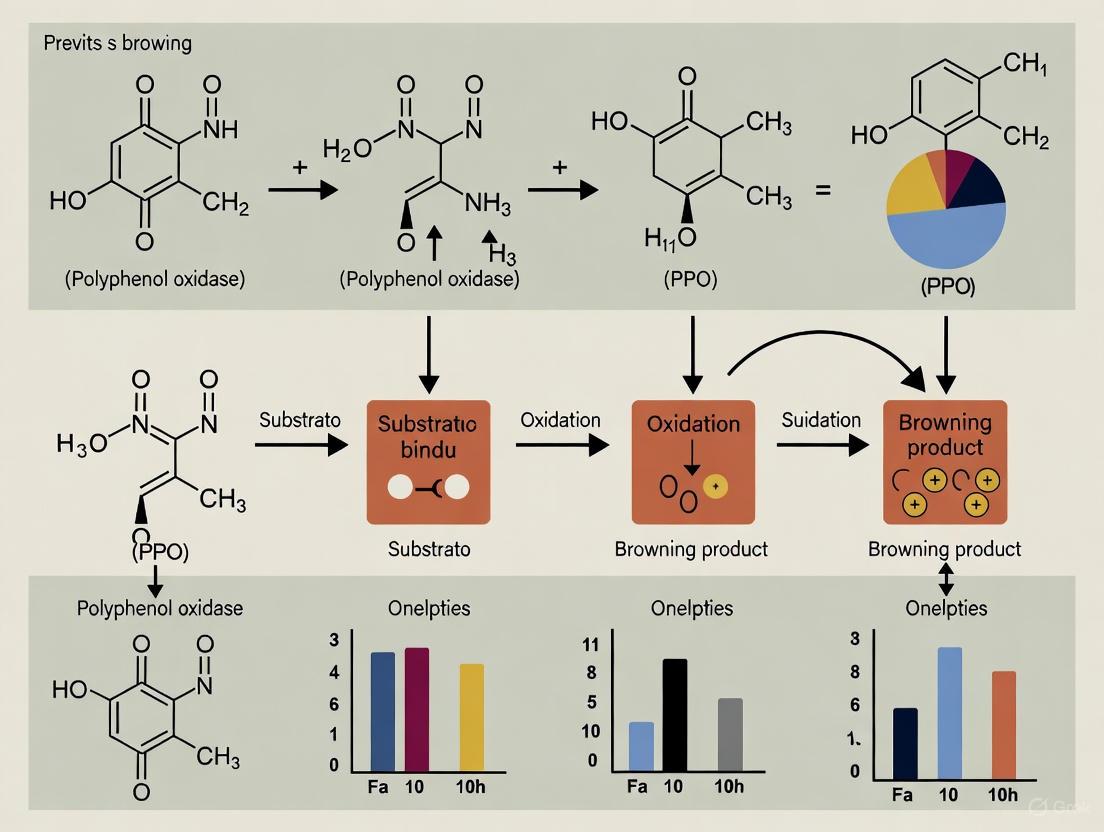
This article provides a comprehensive analysis of enzymatic browning, a major cause of postharvest quality and nutritional loss in fruits and vegetables, responsible for significant economic waste.
Advanced Strategies for Preventing Enzymatic Browning in Fruits and Vegetables: Mechanisms, Applications, and Future Directions for Research and Development
Abstract
This article provides a comprehensive analysis of enzymatic browning, a major cause of postharvest quality and nutritional loss in fruits and vegetables, responsible for significant economic waste. Tailored for researchers, scientists, and drug development professionals, we explore the foundational biochemistry of polyphenol oxidases (PPOs) and the critical role of cell membrane integrity from a multi-omics perspective. The scope extends to evaluating traditional and novel intervention methods, including natural extracts, chemical inhibitors, physical treatments, and emerging genome-editing techniques. We further detail optimization strategies for complex food matrices and provide a rigorous comparative analysis of method efficacy, supported by proteomic and transcriptomic validation. The review concludes by synthesizing key takeaways and highlighting the translational potential of these strategies for biomedical research, particularly in the stabilization of plant-based therapeutics and nutraceuticals.
Deconstructing Enzymatic Browning: From PPO Biochemistry to Cellular Compartmentalization
Frequently Asked Questions (FAQs)
Q1: What are the core structural components and cofactors of PPO? PPO is a type-3 copper-containing enzyme. Its active site contains two copper ions, known as CuA and CuB, each coordinated by three histidine residues [1] [2]. The enzyme is generally synthesized as a zymogen in an inactive state and is located within the plastids of plant cells, such as chloroplasts [2]. Its structure includes three key domains: an N-terminal domain with a plastid transit peptide, a highly conserved central type-III copper center for catalysis, and a C-terminal domain that is involved in maintaining the enzyme's latent state [2].
Q2: What is the fundamental reaction mechanism PPO catalyzes? PPO catalyzes two primary reactions in the enzymatic browning pathway [3] [4]:
- Cresolase activity (Monophenolase, EC 1.14.18.1): The hydroxylation of monophenols to o-diphenols.
- Catecholase activity (Diphenolase, EC 1.10.3.1): The oxidation of o-diphenols to o-quinones. The o-quinones produced are highly reactive and undergo subsequent non-enzymatic polymerization, eventually forming the brown melanin pigments responsible for the browning of fruits and vegetables [1] [5].
Q3: Why does tissue damage in fresh produce trigger rapid browning? In intact plant cells, PPO enzymes are compartmentalized within the plastids, while their phenolic substrates are stored separately in the vacuoles [6] [7]. Physical damage from cutting, bruising, or compression breaks down these cellular compartments, allowing the enzyme, substrate, and oxygen to come into contact, thereby initiating the enzymatic browning reaction [3] [5].
Q4: How does pH affect PPO activity in experimental assays? PPO exhibits optimal activity within a specific pH range, typically between 5.0 and 7.0, though this can vary based on the plant source and substrate [2] [8]. The enzyme's activity follows a parabolic pattern, with catalytic efficiency declining in more acidic or alkaline conditions. Acidifying agents below pH 3.0 can effectively inhibit PPO activity, which is a common strategy for controlling browning [8] [5].
Troubleshooting Common Experimental Issues
Problem 1: Inconsistent PPO Activity Readings in Spectrophotometric Assays
| Potential Cause | Solution |
|---|---|
| Enzyme Latency | The enzyme may be in a latent state. Activate it by incubating with a protease like trypsin or a surfactant such as SDS [2]. |
| Substrate Specificity | The chosen substrate may not be optimal for your plant PPO. Test a range of common diphenols like catechol, 4-methylcatechol, or chlorogenic acid to identify the one with the highest affinity [1] [4]. |
| Improper Extraction pH | The extraction buffer pH may be denaturing the enzyme. Ensure the pH of your extraction and assay buffers is optimized for your specific plant material (typically pH 6-8) [4]. |
Problem 2: High Background Browning in Enzyme Extraction
| Potential Cause | Solution |
|---|---|
| Phenolic Oxidation During Homogenization | Include polyvinylpolypyrrolidone (PVPP) in your extraction buffer to bind and precipitate phenolic compounds [4]. |
| Co-factor Interference | Add a chelating agent like EDTA to your extraction buffer to sequester metal ions that might promote oxidation [4]. |
| Proteolytic Degradation | Incorporate protease inhibitors such as phenylmethylsulfonyl fluoride (PMSF) into the extraction buffer to protect the enzyme from degradation [4]. |
Quantitative Data for Experimental Design
Table 1: Kinetic Parameters of PPO from Various Fruit Sources. Data obtained with catechol as a substrate under optimal pH and temperature conditions [1].
| Fruit Source | V~max~ (U mL⁻¹ min⁻¹) | K~m~ (mM) | k~cat~/K~m~ (s⁻¹ mM⁻¹) |
|---|---|---|---|
| Marula Fruit | 122.0 | 4.99 | - |
| Jackfruit | 109.9 | 8.2 | - |
| Apricot (cv. Bulida) | 210 | 5.3 | - |
| Guankou Grape | 2617.60 | 30.22 | 86.46 |
| Blueberry | 187.90 | 6.55 | 182.72 |
Table 2: Efficacy of Common Chemical PPO Inhibitors [9] [8].
| Inhibitor | Primary Mode of Action | Example Concentration | Target Product |
|---|---|---|---|
| Ascorbic Acid | Antioxidant/Reducing Agent | 5 mM | Apple juice [8] |
| Citric Acid | Acidulant & Copper Chelator | - | General use [5] |
| L-Cysteine | Reducing Agent & Quinone Binder | 1% | Fruit salad [8] |
| Oxalic Acid | Competitive Inhibitor & Copper Chelator | 1.1 mM (I₅₀) | Catechol-PPO model [9] |
| 4-Hexylresorcinol | PPO Inactivator | 1.8 μM | Pear, Apple [8] |
Core Experimental Protocols
Protocol 1: Standard Spectrophotometric Assay for PPO Activity [4]
This method measures the rate of quinone formation, typically monitored by an increase in absorbance.
Workflow Description:
- Homogenization: Grind the plant tissue in a suitable cold buffer (e.g., phosphate buffer, pH 6.5-7.0) containing insoluble PVPP, EDTA, and PMSF to inhibit proteases and prevent oxidation [4].
- Clarification: Centrifuge the homogenate at high speed (e.g., 10,000-15,000 × g) for 15-30 minutes at 4°C. Collect the supernatant, which contains the soluble PPO enzyme [4].
- Reaction Setup: Prepare a reaction mixture containing buffer and an appropriate substrate (e.g., 25-50 mM catechol).
- Kinetic Measurement: Add the enzyme extract to the reaction mixture and immediately measure the increase in absorbance at a wavelength between 410 nm and 550 nm (depending on the substrate and the resulting quinone) for approximately 3 minutes [4]. One unit of PPO activity is often defined as the change in absorbance per minute per gram of tissue or milligram of protein.
Protocol 2: Evaluating Anti-browning Treatments on Fresh-Cut Produce
This practical protocol assesses the effectiveness of potential PPO inhibitors.
Procedure:
- Sample Preparation: Cut the fruit or vegetable (e.g., apple, potato) into uniform slices or discs.
- Treatment: Immerse the samples in the test inhibitor solution (e.g., 0.5% ascorbic acid, 1% citric acid, or a natural extract) for a set time (e.g., 2-5 minutes). Use a water dip as a negative control.
- Drying and Storage: Gently blot the treated samples dry and place them in a controlled environment (e.g., room temperature, high humidity).
- Browning Assessment: Monitor browning at regular intervals (e.g., 0, 1, 2, 4, 6, 24 hours). Assessment can be visual (using a standardized browning index scale) or instrumental by measuring color parameters (L, a, b) with a colorimeter, where a decrease in L (lightness) and an increase in a* (red-green value) indicate browning [4].
The Scientist's Toolkit: Key Research Reagents
Table 3: Essential Reagents for PPO Research.
| Reagent | Function in PPO Research | Example Application |
|---|---|---|
| Catechol | Common substrate for catechol oxidase activity | Determining kinetic parameters (K~m~, V~max~) [4]. |
| 4-Methylcatechol | Synthetic substrate with often higher affinity | Assaying PPO activity where natural substrates are less effective [1]. |
| Chlorogenic Acid | Natural phenolic substrate | Mimicking in-vivo browning reactions in apples, artichokes [1] [7]. |
| Polyvinylpolypyrrolidone (PVPP) | Phenolic compound binder | Preventing oxidation and background browning during enzyme extraction [4]. |
| Sodium Dodecyl Sulfate (SDS) | Surfactant / Activator | Activating latent forms of PPO in experimental assays [2]. |
| Diethyldithiocarbamate (DDC) | Copper chelator | Specific inhibition of PPO by removing the essential copper cofactor from the active site [3]. |
Troubleshooting Guides & FAQs
FAQ: Core Concepts
Q1: What is the fundamental biochemical principle behind enzymatic browning that our research aims to prevent? A1: Enzymatic browning is primarily catalyzed by polyphenol oxidase (PPO). In intact cells, PPO is sequestered in the plastids, while its phenolic substrates are located in the vacuole. Cellular compartmentalization prevents their interaction. Damage to membrane integrity, through mechanical stress, senescence, or pathological conditions, disrupts this compartmentalization, allowing PPO to contact phenolics and molecular oxygen, leading to the production of brown melanin pigments.
Q2: Why is assessing membrane integrity critical in our anti-browning research? A2: The loss of membrane integrity is the initiating event for browning. Quantifying this loss allows researchers to:
- Correlate the extent of physical damage with the rate of browning.
- Evaluate the efficacy of postharvest treatments (e.g., calcium dips, heat treatments, edible coatings) in preserving membrane structure.
- Identify the precise stage at which an intervention is most effective.
Q3: Which cellular membranes are most critical to monitor? A3: The tonoplast (vacuolar membrane) and the plasma membrane are the most critical. The tonoplast separates phenolics from PPO, and the plasma membrane regulates the influx of extracellular oxygen, a key substrate for the browning reaction.
Troubleshooting Guide: Experimental Pitfalls
Q4: Issue: Inconsistent browning measurements across sample replicates.
- Potential Cause 1: Non-uniform tissue damage during sample preparation.
- Solution: Use a sharp, consistent coring tool or biopsy punch. Standardize the cutting speed and pressure.
- Potential Cause 2: Variations in sample incubation conditions (temperature, humidity, atmospheric composition).
- Solution: Use a calibrated incubator or water bath. For ambient conditions, use a data logger to monitor and report temperature and humidity. Consider using sealed containers with controlled atmosphere.
Q5: Issue: High background signal in membrane integrity assays (e.g., Electrolyte Leakage).
- Potential Cause: Contamination from ions released during the initial cutting of the tissue.
- Solution: Perform a quick rinse of the samples with deionized water after cutting and before the initial incubation. Ensure the rinse is consistent and brief across all samples.
Q6: Issue: No detectable browning despite confirmed membrane leakage.
- Potential Cause 1: Depletion of endogenous phenolic substrates or PPO co-factors (e.g., copper).
- Solution: Include a positive control by homogenizing a sample to forcibly mix all compartments. If browning occurs in the homogenate but not the intact tissue, the assay is valid, and the result suggests other regulatory factors are at play.
- Potential Cause 2: The experimental buffer may have an incorrect pH. PPO has a pH optimum typically between 5.0 and 7.0.
- Solution: Verify and adjust the pH of your incubation medium.
Table 1: Efficacy of Membrane-Stabilizing Treatments on Browning and Leakage in Apple Discs
| Treatment | Concentration | Incubation Time (hr) | Browning Index (a.u.)* | Electrolyte Leakage (%)* | Relative PPO Activity (%)* |
|---|---|---|---|---|---|
| Control (H₂O) | - | 4 | 85.5 ± 4.2 | 78.3 ± 5.1 | 100.0 ± 3.5 |
| Calcium Chloride | 2% (w/v) | 4 | 25.1 ± 3.1 | 35.2 ± 3.8 | 28.5 ± 2.9 |
| Ascorbic Acid | 1% (w/v) | 4 | 15.8 ± 2.5 | 72.1 ± 4.5 | 10.2 ± 1.8 |
| Heat Shock | 45°C, 10 min | 4 | 32.4 ± 3.8 | 41.5 ± 4.1 | 45.1 ± 3.2 |
| Chitosan Coating | 1.5% (w/v) | 4 | 48.9 ± 4.0 | 58.9 ± 4.7 | 65.3 ± 4.1 |
*Data presented as mean ± standard deviation (n=6). a.u. = arbitrary units.
Table 2: Correlation Between Membrane Leakage Metrics and Visual Browning
| Membrane Assay | Correlation with Browning Index (R²) | Typical Measurement Timepoint |
|---|---|---|
| Electrolyte Leakage | 0.89 - 0.95 | 30-60 minutes post-injury |
| Malondialdehyde (MDA) Content | 0.82 - 0.90 | 2-4 hours post-injury |
| Lipid Hydroperoxides | 0.78 - 0.87 | 2-4 hours post-injury |
| Evans Blue Uptake | 0.85 - 0.92 | 1-2 hours post-injury |
Experimental Protocols
Protocol 1: Standardized Electrolyte Leakage Assay for Membrane Integrity
Principle: Measures the efflux of ions from damaged tissues, directly proportional to loss of plasma membrane integrity.
Materials:
- Fruit/vegetable tissue discs (e.g., 10mm diameter, 2mm thick)
- Deionized water
- Conductivity meter
- Vacuum desiccator or benchtop shaker
- 50ml conical tubes
Procedure:
- Prepare uniform tissue discs and rinse briefly with deionized water.
- Place 10 discs into a 50ml tube containing 30ml of deionized water.
- Place tubes under a light vacuum (25 inHg) for 15 minutes to infiltrate intercellular spaces. Release vacuum slowly.
- Shake tubes gently on an orbital shaker (100 rpm) for 30 minutes.
- Measure initial conductivity (C_initial) of the solution.
- Boil the samples for 20 minutes to release all ions, cool to room temperature.
- Measure final conductivity (C_final).
- Calculate electrolyte leakage as: (Cinitial / Cfinal) * 100%.
Protocol 2: Spectrophotometric Quantification of Enzymatic Browning
Principle: Quantifies the formation of brown pigments (melanins) which absorb light at 420-450 nm.
Materials:
- Tissue samples (identical to those used in leakage assay)
- Liquid Nitrogen
- 0.1 M Sodium Phosphate Buffer (pH 6.5)
- Centrifuge and microcentrifuge tubes
- Spectrophotometer and cuvettes
Procedure:
- After the desired incubation period, flash-freeze tissue samples in liquid nitrogen.
- Homogenize the frozen tissue in 1.0 ml of cold phosphate buffer.
- Centrifuge the homogenate at 12,000 x g for 15 minutes at 4°C.
- Collect the supernatant and dilute 1:5 with phosphate buffer if necessary.
- Measure the absorbance of the supernatant at 420 nm against a buffer blank.
- Report as Browning Index in arbitrary units (a.u.) or normalize to tissue fresh weight.
Visualizations
Diagram Title: Enzymatic Browning Pathway Initiation
Diagram Title: Experimental Workflow for Anti-Browning
The Scientist's Toolkit
Table 3: Essential Research Reagent Solutions for Browning Studies
| Reagent / Material | Function / Rationale |
|---|---|
| Calcium Chloride (CaCl₂) | Cross-links pectins in the cell wall and stabilizes membranes by bridging phospholipids, reducing permeability. |
| Ascorbic Acid | A reducing agent that chemically reduces o-quinones back to colorless diphenols before they can polymerize. |
| Cysteine | Thiol-containing compound that forms colorless adducts with o-quinones, competitively inhibiting melanin formation. |
| Chitosan | A biopolymer coating that forms a semi-permeable film, modifying internal atmosphere (O₂/CO₂) and providing a physical barrier. |
| Polyvinylpolypyrrolidone (PVPP) | Insoluble polymer used to bind and precipitate phenolic compounds during PPO enzyme extraction, preventing artifactual browning. |
| Triton X-100 | Non-ionic detergent used to solubilize membrane-bound PPO isoforms for total enzyme activity assays. |
| Thiobarbituric Acid (TBA) | Reacts with malondialdehyde (MDA), a secondary end-product of lipid peroxidation, to quantify membrane oxidative damage. |
| Evans Blue Dye | A non-permeating, water-soluble dye used to visually assess loss of plasma membrane integrity; viable cells exclude it. |
Enzymatic browning is a natural oxidation reaction that occurs in many fruits and vegetables, leading to the formation of brown pigments. This process initiates when fresh produce is bruised, cut, peeled, or exposed to abnormal conditions, causing rapid darkening upon air exposure. The reaction is primarily catalyzed by the enzyme polyphenol oxidase (PPO), which oxidizes phenolic compounds present in plant tissues. While this process is desirable for products like tea, coffee, and cocoa, it causes significant quality deterioration in most fresh fruits and vegetables, affecting their color, flavor, texture, and nutritional value. This browning phenomenon contributes substantially to food waste throughout the supply chain, with estimates suggesting over 50% of susceptible produce is lost due to enzymatic browning [1] [6] [5].
The Biochemical Mechanism: From Phenolics to Melanin
FAQ: What is the core chemical process behind enzymatic browning?
The enzymatic browning cascade involves a sequential biochemical pathway where phenolic compounds are enzymatically converted to brown melanin polymers through several intermediate steps [1] [10] [5]:
- Enzymatic Oxidation: PPO catalyzes the oxidation of phenolic compounds (o-diphenols) to o-quinones
- Polymerization: Quinones undergo subsequent non-enzymatic reactions and polymerization
- Pigment Formation: Brown, high molecular weight melanins are formed
This reaction requires three key components: PPO enzymes, phenolic substrates, and oxygen. In intact plant cells, these components are separated by compartmentalization, but when tissues are damaged, they come into contact, initiating the browning process [10] [5].
The Browning Pathway Visualization
The following diagram illustrates the complete enzymatic browning cascade from phenolic compounds to melanin formation:
Key Enzymes and Substrates
Polyphenol Oxidase (PPO) is a copper-containing enzyme that exists in multiple forms with differing activities. Catechol oxidase (EC 1.10.3.1) specifically catalyzes the oxidation of o-diphenols to o-quinones, while tyrosinase (EC 1.14.18.1) can additionally hydroxylate monophenols to diphenols. Plant PPOs primarily exhibit catechol oxidase activity, though some display both activities at different rates [1] [11].
The substrate specificity of PPO varies significantly across plant sources. Common phenolic substrates include chlorogenic acid, catechin, catechol, caffeic acid, and 4-methylcatechol. The table below summarizes kinetic parameters for PPO from various food sources:
Table 1: Polyphenol Oxidase Enzyme Kinetics from Various Plant Sources
| Source | Substrate | Vmax (U mL⁻¹ min) | Km (mM) | Vmax/Km (U min⁻¹ mM⁻¹) |
|---|---|---|---|---|
| Apricot fruit | Chlorogenic acid | 1400 | 2.7 | 500 |
| 4-methylcatechol | 700 | 2.0 | 340 | |
| Marula fruit | 4-methylcatechol | 69.5 | 1.45 | 47.9 |
| Catechol | 122.0 | 4.99 | 24.2 | |
| Guankou grape | Caffeic acid | 1035.63 | 0.31 | 3505.88 |
| Catechinic acid | 3557.76 | 4.89 | 727.39 | |
| Kirmizi Kismis grape | 4-methylcatechol | 2000 | 4.8 | 416.66 |
| Blueberry | Catechol | 187.90 | 6.55 | 182.72 |
| Chlorogenic acid | 42.21 | 6.30 | 42.67 |
Troubleshooting Common Experimental Challenges
FAQ: Why do my browning inhibition results vary between apple cultivars?
Different apple cultivars contain varying concentrations and compositions of phenolic compounds, which significantly affects browning susceptibility. Research has identified at least 24 different phenolic compounds in apples, with concentrations varying by cultivar, tissue type, and growing conditions. The peel typically contains higher phenolic concentrations than the flesh. Cultivars with higher phenolic content, particularly low molecular weight phenolics like catechin, chlorogenic acid, and caffeic acid, show greater browning susceptibility as these serve as more effective PPO substrates [12].
Table 2: Key Phenolic Compounds in Apples and Their Role in Browning
| Phenolic Compound | Concentration Variation Factors | Role as PPO Substrate |
|---|---|---|
| Chlorogenic acid | Cultivar, rootstock, altitude | Highly effective substrate |
| Catechin | Fruit age, storage conditions | Highly effective substrate |
| Caffeic acid | Cultivar, growing conditions | Effective substrate |
| p-Coumaric acid | Tissue type (peel vs. flesh) | Moderately effective |
| Phloridzin | Developmental stage, cultivar | Less effective |
| Quercetin glycosides | Light exposure, altitude | Variable effectiveness |
FAQ: How can I accurately quantify browning intensity in my experiments?
Researchers employ multiple methods to objectively assess browning intensity:
Colorimetric Measurements: Use spectrophotometers or colorimeters to measure L* (lightness), a* (red-green), and b* (yellow-blue) values. The most sensitive parameter is typically the decrease in L* value, which correlates with darkening.
PPO Activity Assays: Directly measure enzyme activity using spectrophotometric methods with specific substrates like catechol or 4-methylcatechol, monitoring quinone formation at 420 nm.
Polymer Quantification: Measure melanin formation through extraction and spectrophotometric analysis.
Oxygen Consumption: Monitor oxygen depletion during the oxidation reaction using oxygen electrodes.
For consistent results, standardize your measurement protocol across all samples and include appropriate controls to account for non-enzymatic browning [10] [5].
FAQ: Why does my extracted PPO show different substrate specificity than reported in literature?
PPO substrate specificity is influenced by several factors:
- Source Variation: PPO from different plant species exhibits distinct substrate preferences
- Isoenzyme Composition: Multiple PPO isoenzymes with different substrate affinities may be present
- Extraction Method: Extraction conditions can selectively recover certain isoenzymes
- Cellular Localization: Membrane-bound vs. soluble PPO fractions may have different activities
To address this, characterize your specific enzyme preparation against multiple substrates and compare kinetic parameters (Km, Vmax) with literature values for your specific plant source [1] [11].
Research Reagent Solutions for Browning Studies
Table 3: Essential Research Reagents for Enzymatic Browning Studies
| Reagent Category | Specific Examples | Mechanism of Action | Effective Concentration Range |
|---|---|---|---|
| Acidulants | Citric acid, Ascorbic acid | Lowers pH below PPO optimum (pH 3-4), reduces quinones | 0.1-2.0% |
| Reducing Agents | L-cysteine, Glutathione, N-acetyl cysteine | Reduces quinones back to diphenols, competitive inhibition | 0.5-25 mM |
| Chelating Agents | EDTA, Kojic acid, Citric acid | Chelates copper cofactor in PPO active site | 0.1-5 mM |
| Natural Extracts | Green tea, Pineapple, Onion extracts | Mixed mechanisms: antioxidant, chelating, enzyme inhibition | Varies by extract |
| Enzyme Inhibitors | 4-Hexylresorcinol, Sulfites | Specific PPO active site interaction | 1.8 μM-5 mM |
| Oxygen Scavengers | Ascorbic acid, Erythorbic acid | Competes for available oxygen, reduces oxidation | 5-50 mM |
Experimental Protocols for Key Methodologies
Protocol: Standardized PPO Activity Assay
Purpose: To quantitatively measure PPO enzyme activity from fruit and vegetable samples.
Materials:
- Extraction buffer (0.1 M phosphate buffer, pH 6.5, containing 1% PVPP)
- Substrate solution (0.1 M catechol in distilled water)
- Spectrophotometer with temperature control
- Centrifuge
Procedure:
- Homogenize 5 g of tissue in 20 mL cold extraction buffer
- Centrifuge at 15,000 × g for 20 minutes at 4°C
- Collect the supernatant as crude enzyme extract
- Prepare reaction mixture: 2.8 mL phosphate buffer (0.1 M, pH 6.5) + 0.1 mL enzyme extract
- Initiate reaction by adding 0.1 mL substrate solution
- Monitor absorbance increase at 420 nm for 3 minutes
- Calculate activity: One unit of PPO activity = ΔA₄₂₀/min × reaction volume / (extinction coefficient × enzyme volume) [1] [12]
Protocol: Evaluating Anti-browning Agents
Purpose: To systematically screen potential browning inhibitors.
Materials:
- Fresh-cut fruit/vegetable slices (standardize size and thickness)
- Treatment solutions (anti-browning agents in distilled water)
- Colorimeter
- Storage containers
Procedure:
- Prepare uniform slices (5-10 mm thickness) using sharp cutter
- Treat by dipping slices in test solutions for 2-5 minutes
- Drain excess solution and place slices on trays
- Store at controlled temperature (typically 4°C for refrigeration studies)
- Measure color at regular intervals (0, 24, 48, 72 hours)
- Analyze PPO activity and phenolic content from parallel samples
- Calculate browning index: BI = [100(x - 0.31)]/0.17 where x = (a + 1.75L)/(5.645L + a* - 3.012b*) [8] [13]
Experimental Workflow for Browning Prevention Studies
The following diagram outlines a systematic research approach for evaluating browning prevention strategies:
Advanced Research Methodologies
Molecular Approaches for Browning Control
Gene Editing Technologies:
- CRISPR/Cas9 systems to silence PPO genes
- RNA interference to reduce PPO expression
- Promoter manipulation to regulate PPO transcription
The Arctic apple represents a successful application of genetic engineering for browning control, where PPO expression was silenced through gene splicing technology. This approach has demonstrated successful reduction of browning without affecting other quality parameters [6] [5] [12].
Transcriptome Analysis: Advanced studies now examine expression patterns of browning-related genes (PPO, PAL, POD) to understand the molecular basis of browning susceptibility. Research shows significantly elevated expression levels of PPO and peroxidase genes in browning-sensitive cultivars compared to resistant varieties [12].
Emerging Natural Inhibitors from Food By-products
Recent research focuses on sustainable natural extracts from food processing by-products with anti-browning properties:
- Rice bran protein hydrolysates: Contain copper-chelating peptides
- Citrus hydrosols: By-products from essential oil production
- Onion and garlic extracts: Rich in sulfur compounds
- Fennel seed extracts: Potent antioxidant activity
These natural inhibitors typically function through multiple mechanisms including antioxidant activity, copper chelation, and enzyme inhibition, making them promising alternatives to synthetic inhibitors [6] [13].
The browning cascade from phenolic oxidation to melanin formation involves complex biochemical pathways that can be controlled through multiple intervention strategies. Successful inhibition requires understanding the specific PPO characteristics, phenolic composition, and environmental factors affecting the target commodity. Future research directions include developing multi-targeted inhibition approaches, utilizing food-grade natural extracts from sustainable sources, and applying advanced gene editing technologies to develop naturally browning-resistant varieties. Standardization of assessment methodologies across studies will enhance comparability and accelerate progress in this critical area of postharvest research.
Core Mechanisms of Enzymatic Browning: A Multi-Omics Perspective
What is the fundamental mechanism of enzymatic browning revealed by multi-omics studies? Multi-omics research has elucidated that enzymatic browning is primarily a consequence of loss of cellular compartmentalization. In intact plant cells, polyphenol oxidase (PPO) enzymes and their phenolic substrates are physically separated by membranes—PPO is often located in plastids, while phenolics are stored in vacuoles. Mechanical damage from fresh-cutting disrupts membrane integrity, allowing these components to mix and initiate browning reactions that produce brown melanin pigments [14] [15] [16]. Transcriptomic and proteomic analyses consistently show that this membrane degradation is actively driven by upregulated lipid metabolism enzymes following injury.
How do reactive oxygen species (ROS) contribute to the browning cascade? ROS function as critical signaling molecules and damaging agents in the browning pathway. Multi-omics studies demonstrate that fresh-cutting triggers a burst of ROS including hydrogen peroxide (H₂O₂) and superoxide anions (O₂⁻), which directly oxidize membrane lipids, further compromising membrane integrity and accelerating cellular disintegration [15] [16]. This creates a destructive feedback cycle: membrane damage facilitates enzyme-substrate mixing for browning, while simultaneously generating more ROS that exacerbate additional membrane damage.
Table 1: Key Molecular Players in Enzymatic Browning Identified Through Multi-Omics Approaches
| Molecular Component | Function in Browning | Multi-Omics Evidence |
|---|---|---|
| Polyphenol Oxidase (PPO) | Oxidizes phenolic compounds to quinones | Genomics: PPO gene families identified (e.g., 10 in banana) [14] |
| Peroxidase (POD) | Oxidizes various substrates using H₂O₂ | Proteomics: Increased abundance during browning [14] |
| Lipoxygenase (LOX) | Initiates membrane lipid peroxidation | Transcriptomics: Gene induction correlates with browning [14] |
| Phenylalanine Ammonia-Lyase (PAL) | Key enzyme in phenolic compound biosynthesis | Multi-omics: Coordinated upregulation in transcriptome and metabolome [17] |
| Reactive Oxygen Species (ROS) | Signaling molecules that induce oxidative stress | Metabolomics: H₂O₂ accumulation precedes browning [15] |
Troubleshooting Common Multi-Omics Experimental Challenges
Why don't my transcriptomics and proteomics data show perfect correlation when studying browning pathways? Discordance between transcriptomic and proteomic data is expected and stems from fundamental biological and technical factors:
- Post-transcriptional Regulation: mRNA levels don't always predict protein abundance due to regulatory mechanisms [18]
- Protein Turnover Rates: Proteins have varying half-lives independent of mRNA stability [18]
- Post-translational Modifications: Protein activity can be modulated without changes in abundance [18]
- Technical Limitations: Proteomics has lower sensitivity than transcriptomics, potentially missing low-abundance proteins [18]
Solution: Implement pathway-level integration rather than expecting gene-by-gene correlation. Combine datasets to identify activated pathways where multiple components show coordinated changes [18] [19].
How can I improve proteomic coverage from small tissue samples typical of browning experiments? Limited sample size is a common challenge in fresh-cut produce research. These strategies can enhance coverage:
- Microproteomics Optimization: Use specialized sample processing for low cell numbers (<1000 cells) [18]
- Pathway Expansion Analysis: Employ computational methods to infer missing proteome components based on enriched pathways [18]
- Multi-omics Integration: Leverage transcriptomic data to prioritize proteins for targeted proteomics detection [18]
- Canonical Pathway Mapping: Identify proteins through known pathway associations when direct detection fails [18]
Experimental Protocols & Methodologies
Transcriptomics Workflow for Browning Time-Series Analysis
Protocol for Time-Course Transcriptome Analysis of Fresh-Cut Browning [20]
Sample Preparation:
- Select uniform fruits/vegetables at commercial maturity
- Process using standardized cutting dimensions (e.g., 1cm thick slices)
- Flash-freeze tissue in liquid N₂ at multiple time points (0, 30, 60 minutes post-cutting)
- Maintain minimum three biological replicates per time point
RNA Extraction & Sequencing:
- Use polysaccharide-rich extraction protocols for plant tissues
- Quality check: RIN >7.0 for all samples
- Library preparation: Strand-specific mRNA-seq
- Sequencing depth: ≥30 million reads per sample, paired-end
Bioinformatic Analysis:
- Alignment to reference genome (where available) or de novo assembly
- Differential expression analysis: DESeq2 or edgeR
- Weighted Gene Co-expression Network Analysis (WGCNA) to identify browning-associated modules
- Pathway enrichment: KEGG and GO term analysis
Simultaneous Metabolite and RNA Extraction from the Same Tissue Sample:
Sample Homogenization:
- Grind frozen tissue under liquid nitrogen
- Split powder for parallel metabolomics and transcriptomics
Metabolite Profiling:
- Extraction: 80% methanol with internal standards
- Analysis: UPLC-QTOF-MS in both positive and negative ionization modes
- Identification: Compare to authentic standards and databases
Integrated Data Analysis:
- Map differentially expressed genes and accumulated metabolites to KEGG pathways
- Identify key regulatory genes upstream of metabolite changes
- Construct metabolite-gene correlation networks
Table 2: Essential Research Reagents for Multi-Omics Browning Studies
| Reagent/Category | Specific Examples | Research Application |
|---|---|---|
| PPO Activity Assays | Catechol, L-tyrosine, 4-methylcatechol | Enzyme kinetics and inhibitor screening [8] |
| Membrane Integrity Indicators | Thiobarbituric acid reactive substances (TBARS), electrolyte leakage measurements | Quantifying membrane lipid peroxidation [14] |
| ROS Detection Kits | DAB staining (H₂O₂), NBT staining (O₂⁻) | Histochemical localization and quantification of ROS [15] |
| Natural Anti-browning Agents | Mangrove extracts, green tea polyphenols, thyme essential oils | Natural PPO inhibition studies [6] |
| RNA-seq Library Preps | Illumina TruSeq Stranded mRNA, SMARTer Ultra Low Input | Transcriptome profiling from minimal tissue [20] |
Pathway Visualization & Data Integration
Enzymatic Browning Pathway Integration
Multi-Omics Experimental Workflow
Advanced Applications & Emerging Technologies
How is genome editing being applied to prevent enzymatic browning based on multi-omics findings? Multi-omics has enabled precision breeding by identifying key genetic targets:
- PPO Gene Knockouts: CRISPR/Cas9 has successfully targeted multiple PPO genes in eggplant (SmelPPO4, SmelPPO5, SmelPPO6), reducing browning by ~70% [6]
- Non-browning Commercial Varieties: Arctic Apples were developed through RNA silencing of PPO genes [6]
- Regulatory Network Engineering: Transcriptomics reveals transcription factors (WRKY, ERF families) that coordinate browning responses as potential targets [20]
What novel anti-browning strategies have multi-omics approaches revealed beyond traditional methods? Integrated omics has uncovered several innovative intervention points:
- Membrane Stabilization: Treatments that maintain membrane integrity (e.g., melatonin, hydrogen gas) delay browning by preventing enzyme-substrate mixing [14] [17]
- ROS Scavenging Enhancement: Upregulating antioxidant enzymes (SOD, APX, CAT) through priming treatments [15]
- Phenylpropanoid Pathway Modulation: Targeted inhibition of key enzymes (PAL, 4CL) to reduce phenolic substrate accumulation [17]
- Hydrogen Gas Treatments: H₂ fumigation alters expression of browning-related genes in Lanzhou lily, reducing browning by ~40% [17]
Enzymatic browning remains a significant challenge in postharvest biology, causing substantial economic losses and quality deterioration in fruits and vegetables. This technical guide focuses on three key initiating factors: mechanical damage, reactive oxygen species (ROS) accumulation, and lipid peroxidation. These factors operate through interconnected biochemical pathways that activate polyphenol oxidase (PPO) and peroxidase (POD), the primary enzymes responsible for browning reactions [21] [16]. Understanding these triggers is essential for developing effective anti-browning strategies that preserve the sensory, nutritional, and marketable qualities of fresh produce [6] [8].
The enzymatic browning process begins when cellular compartmentalization is compromised, allowing previously separated enzymes and substrates to interact. PPO, a copper-containing oxidoreductase, catalyzes the oxidation of phenolic compounds to quinones in the presence of oxygen [21] [5]. These quinones subsequently polymerize into brown melanins, negatively affecting food quality [21] [16]. Recent research has revealed that mechanical injury serves as the primary physical initiator, while ROS accumulation and membrane lipid peroxidation constitute critical biochemical amplifiers that accelerate and intensify the browning process [22] [16].
Troubleshooting Guides: Identifying and Resolving Browning Initiators
FAQ: Mechanical Damage-Induced Browning
Q1: How does minimal processing like cutting or slicing trigger such rapid browning in apple and potato tissues?
A1: Mechanical damage from cutting disrupts cellular compartmentalization, allowing PPO enzymes normally segregated in the cytoplasm to contact phenolic substrates stored in plastids [16]. This disruption initiates a three-stage browning cascade:
- Membrane Integrity Loss: Physical trauma compromises plasma membrane and organelle integrity [16].
- Enzyme-Substrate Mixing: PPO and phenolics mix with oxygen, initiating oxidation [23] [5].
- Melanin Formation: Quinones polymerize into brown melanins [21] [16].
The rate of browning correlates directly with the extent of membrane disruption and the PPO activity level in specific cultivars [21] [23].
Q2: Why do some apple varieties brown almost immediately after cutting while others resist browning?
A2: Browning susceptibility varies due to several intrinsic factors:
- PPO Content and Isoforms: Varieties with higher PPO content and specific PPO isoforms brown more rapidly [21].
- Phenolic Profile: Cultivars rich in ortho-dihydroxyphenolic compounds (substrates with adjacent hydroxyl groups) show accelerated browning [16].
- Membrane Stability: Natural variations in membrane lipid composition affect resilience to mechanical stress [16].
- Genetic Factors: Genetically modified varieties like Arctic apples have silenced PPO expression, dramatically reducing browning [5].
Q3: What are the most effective physical methods to minimize browning from mechanical damage?
A3: The most effective physical approaches include:
- Temperature Manipulation: Blanching (heat treatment) denatures PPO enzymes but is unsuitable for fresh consumption [8] [5]. Cold storage slows enzyme activity but must be optimized to avoid chilling injury [5].
- Oxygen Exclusion: Modified atmosphere packaging (N₂ or CO₂), vacuum packaging, and edible coatings create physical barriers to oxygen [8] [5].
- Barrier Methods: Impermeable films and edible coatings prevent oxygen contact while reducing moisture loss [5].
FAQ: Reactive Oxygen Species (ROS)-Mediated Browning
Q1: What specific ROS types are most implicated in promoting browning reactions?
A1: The primary ROS involved in browning initiation include:
- Superoxide anion (O₂⁻): The initial ROS formed in oxidative stress [16].
- Hydrogen peroxide (H₂O₂): Serves as both a signaling molecule and oxidative agent [16].
- Hydroxyl radicals (OH·): Highly reactive radicals causing severe cellular damage [16].
- Singlet oxygen (¹O₂): Promotes oxidation of phenolic compounds [16].
At low concentrations, ROS function as signaling molecules, but at high concentrations, they induce oxidative stress, membrane damage, and accelerate browning [16].
Q2: How does ROS accumulation lead to increased PPO activity?
A2: ROS promotes browning through multiple interconnected mechanisms:
- Enzyme Activation: Oxidative stress conditions can activate latent PPO forms or enhance their catalytic activity [16].
- Membrane Peroxidation: ROS attacks polyunsaturated fatty acids in membranes, increasing permeability and facilitating enzyme-substrate contact [22] [16].
- Cellular Compartmentalization Loss: ROS-induced membrane damage destroys the physical separation between PPO and phenolic compounds [16].
- Stress Signaling: ROS triggers stress-responsive pathways that may upregulate browning-related enzymes [16].
Q3: What experimental approaches can effectively control ROS-induced browning?
A3: Effective ROS control strategies include:
- Antioxidant Application: Natural extracts rich in antioxidants (e.g., green tea, roselle, thyme) scavenge ROS and reduce oxidative stress [6].
- Enhancing Native Antioxidant Systems: Treatments like γ-aminobutyric acid (GABA) upregulate SOD, APX, and CAT activities, strengthening the plant's inherent ROS-scavenging capacity [22] [16].
- Controlled Atmospheres: Reducing oxygen concentration in storage environments limits ROS generation [8].
Table 1: Key Enzymes in ROS Metabolism and Their Roles in Browning Prevention
| Enzyme | EC Number | Function in ROS Scavenging | Effect on Browning |
|---|---|---|---|
| Superoxide Dismutase (SOD) | EC 1.15.1.1 | Catalyzes dismutation of O₂⁻ to H₂O₂ and O₂ [16] | Reduces superoxide levels, decreases oxidative stress [16] |
| Catalase (CAT) | EC 1.11.1.6 | Converts H₂O₂ to H₂O and O₂ [16] | Detoxifies H₂O₂, protects membrane integrity [16] |
| Ascorbate Peroxidase (APX) | EC 1.11.1.11 | Reduces H₂O₂ to H₂O using ascorbate [16] | Crucial for H₂O₂ removal in cellular compartments [16] |
FAQ: Lipid Peroxidation-Triggered Browning
Q1: What is the relationship between membrane lipid metabolism and enzymatic browning?
A1: Membrane lipid metabolism is fundamentally linked to browning through compartmentalization maintenance. The enzymatic browning reaction requires the mixing of PPO (cytoplasmic) and phenolic compounds (plastid), which are normally separated by intact membranes [16]. Lipid peroxidation disrupts this critical separation. When membranes are compromised through peroxidation, cellular contents mix, initiating the browning cascade [22] [16]. The integrity of the plasma membrane and organelle membranes is therefore a primary determinant of browning susceptibility.
Q2: What are the key indicators of lipid peroxidation in stored fresh-cut produce?
A2: The most reliable indicators include:
- Malondialdehyde (MDA) Content: A primary secondary product of lipid peroxidation; increased MDA correlates strongly with browning intensity [22].
- Electrolyte Leakage: Measures membrane integrity and permeability; higher leakage indicates severe membrane damage [22].
- Lipoxygenase (LOX) Activity: Elevated LOX activity accelerates peroxidation of unsaturated fatty acids [22].
- Fatty Acid Composition Changes: Decreases in polyunsaturated fatty acids (PUFAs) indicate peroxidation [22].
Q3: How do treatments like GABA inhibit lipid peroxidation and subsequent browning?
A3: GABA treatment demonstrates multiple protective mechanisms:
- Membrane Metabolism Regulation: GABA downregulates key enzymes (PLD, lipase) in membrane lipid degradation, preserving membrane structure [22].
- ROS Scavenging Enhancement: GABA boosts activities of SOD, CAT, and APX, reducing the ROS that initiate lipid peroxidation [22].
- Peroxidation Product Reduction: GABA-treated tissues show significantly lower MDA content and reduced electrolyte leakage [22].
- Gene Expression Modulation: GABA downregulates genes involved in membrane degradation and ROS production [22].
Table 2: Analytical Measures of Lipid Peroxidation and Membrane Integrity in Fresh-Cut Stem Lettuce Treated with GABA
| Parameter | Control Group | GABA-Treated Group | Biological Significance |
|---|---|---|---|
| Browning Degree | High | Significantly Delayed [22] | Visual quality preservation |
| Malondialdehyde (MDA) Content | High | Significantly Decreased [22] | Reduced lipid peroxidation |
| Electrolyte Leakage | High | Significantly Reduced [22] | Improved membrane integrity |
| PPO Activity | High | Suppressed [22] | Direct browning control |
| Microbial Propagation | Higher | Slower [22] | Extended shelf-life |
Experimental Protocols for Browning Factor Analysis
Protocol 1: Assessing Mechanical Damage Severity
Objective: To quantify the relationship between mechanical injury extent and browning development.
Materials:
- Fresh produce (apples, potatoes, or lettuce)
- Sharp knife and cork borer
- Spectrophotometer
- Extraction buffer (phosphate buffer, pH 6.5)
- Catechol or other phenolic substrates
Methodology:
- Sample Preparation: Create varying damage levels (intact, sliced, crushed).
- PPO Extraction: Homogenize samples in cold buffer, centrifuge, and collect supernatant.
- Enzyme Assay: Mix supernatant with catechol, measure absorbance at 420 nm.
- Browning Index: Quantify melanin formation at damage sites using colorimetry.
- Membrane Integrity: Measure electrolyte leakage with a conductivity meter [22].
Expected Outcomes: Higher mechanical damage increases PPO activity, electrolyte leakage, and browning index [23] [16].
Protocol 2: Monitoring ROS Accumulation and Scavenging
Objective: To measure ROS production and antioxidant enzyme responses during storage.
Materials:
- Fresh-cut samples
- Hydrogen peroxide assay kit
- NBT staining solution (for O₂⁻ detection)
- Reagents for SOD, CAT, APX assays
- GABA or other anti-browning treatments [22]
Methodology:
- Treatment Application: Apply GABA (e.g., 5 mM) or other anti-browning agents by immersion [22].
- ROS Detection: Quantify H₂O₂ and O₂⁻ using chemical assays or staining.
- Antioxidant Enzyme Assays:
- SOD: Measures inhibition of photochemical reduction of NBT.
- CAT: Tracks H₂O₂ decomposition at 240 nm.
- APX: Monitors ascorbate oxidation at 290 nm [16].
- Correlation Analysis: Relate ROS levels and enzyme activities to browning development.
Expected Outcomes: Effective treatments (like GABA) reduce ROS accumulation and enhance antioxidant enzyme activities, consequently delaying browning [22] [16].
Protocol 3: Evaluating Lipid Peroxidation and Membrane Stability
Objective: To analyze membrane lipid metabolism under different browning conditions.
Materials:
- Tissue samples from different browning stages
- Thiobarbituric acid (TBA) for MDA quantification
- Conductivity meter
- GC-MS for fatty acid analysis
- RT-PCR reagents for gene expression
Methodology:
- MDA Measurement: React TBA with tissue homogenate, measure absorbance at 532, 600, and 450 nm [22].
- Electrolyte Leakage: Measure conductivity of immersion water after incubation [22].
- Gene Expression: Analyze expression levels of PLD, lipase, SOD, CAT, and APX genes using RT-PCR [22].
- Statistical Analysis: Correlate MDA content and electrolyte leakage with browning scores.
Expected Outcomes: Effective anti-browning treatments maintain lower MDA levels, reduced electrolyte leakage, and downregulate membrane degradation genes [22].
Pathway Visualization: The Interconnected Browning Initiation Network
Diagram 1: Interconnected Browning Initiation Pathways. This diagram illustrates how mechanical damage, ROS accumulation, and lipid peroxidation interact to trigger the enzymatic browning cascade, ultimately leading to melanin formation.
The Scientist's Toolkit: Essential Research Reagents
Table 3: Key Research Reagents for Studying Browning Initiating Factors
| Reagent / Material | Function / Application | Specific Examples & Notes |
|---|---|---|
| γ-Aminobutyric Acid (GABA) | A natural signaling molecule used to study the regulation of ROS and membrane lipid metabolism. Applied via immersion to fresh-cut produce [22]. | Effectively reduces browning in stem lettuce by enhancing antioxidant enzymes (SOD, CAT, APX) and inhibiting membrane degradation genes [22]. |
| Natural Anti-browning Extracts | Plant-based extracts used as alternatives to synthetic inhibitors. Serve as sources of antioxidants, acidulants, and/or chelating agents [6] [8]. | Include extracts from mangrove, green tea, roselle, thyme, pineapple, and onion. Function by inhibiting PPO activity, scavenging ROS, or chelating copper [6] [5]. |
| Chemical Inhibitors (Reference Standards) | Well-characterized inhibitors used as positive controls to benchmark the efficacy of new treatments [21] [8]. | Ascorbic Acid: Antioxidant/reducing agent [8]. \nCitric Acid: Acidulant & copper chelator [8] [5]. \n4-Hexylresorcinol: Synthetic PPO inhibitor [21] [8]. \nL-Cysteine: Reducing agent & quinone scavenger [21] [8]. |
| Assay Kits | Essential for quantifying key biochemical markers. | MDA Assay Kit: Measures lipid peroxidation extent [22]. \nH₂O₂ / ROS Assay Kits: Quantify oxidative stress levels [16]. \nPPO/POD Activity Kits: Directly measure enzyme activity [21]. |
| Gene Expression Analysis Tools | Used to investigate the molecular mechanisms of anti-browning treatments at the transcriptional level. | RT-PCR / qPCR: To measure expression levels of genes like LsPPO, SOD, CAT, APX, and membrane metabolism genes (PLD, Lipase) [22]. |
Intervention Arsenal: From Natural Extracts to Physical and Genetic Control Methods
FAQs: Mechanisms and Efficacy of Natural Anti-browning Agents
Q1: What are the primary mechanisms by which natural agents inhibit enzymatic browning? Natural anti-browning agents inhibit enzymatic browning through several targeted mechanisms aimed at the polyphenol oxidase (PPO) enzyme and the browning reaction pathway. The primary modes of action include:
- Direct Enzyme Inhibition: Many active constituents, such as flavonoids and phenolic acids, can bind to PPO at various sites. This binding occurs through hydrogen bonds, van der Waals forces, π-sigma/π-π stack interactions, and electrostatic or hydrophobic forces, which deforms the enzyme's active site and renders it inactive [13].
- Chelation of Copper Cofactors: PPO is a copper-containing enzyme. Compounds with chelating properties, such as carboxylic acids and specific peptides, can sequester the copper ions at the enzyme's active site, directly inhibiting its catalytic activity [8] [13] [21].
- Antioxidant/Reducing Activity: Agents like thiol-containing compounds (e.g., glutathione) or antioxidants (e.g., ascorbic acid derivatives) can reduce the initial quinones—the primary products of PPO oxidation—back to their colorless phenolic precursors. This breaks the chain reaction that leads to melanin formation [8] [5].
- Acidification: PPO exhibits optimal activity in a pH range of 5 to 7. Natural acidulants, such as citric acid in lemon juice, lower the pH of the food surface below 3, creating an unfavorable environment that significantly suppresses PPO activity [8] [5] [23].
- Oxygen Scavenging: Some compounds act as oxygen scavengers, reducing the amount of oxygen available for the initial oxidation reaction catalyzed by PPO [8].
Q2: How does the efficacy of natural plant extracts compare to traditional synthetic agents like sulfites? Natural plant extracts are promising alternatives to synthetic agents, but their efficacy is often context-dependent. While synthetic agents like sulfites are powerful, broad-spectrum inhibitors, their use in fresh fruits and vegetables is prohibited in many regions due to potential health risks, such as allergic reactions [6] [8]. Research shows that certain natural extracts can achieve comparable or even superior anti-browning effects to ascorbic acid, a common traditional agent [24]. For instance, a study on fresh-cut Fuji apples found that N-acetylcysteine at a 1% concentration was more effective at maintaining color over 14 days than ascorbic acid [24]. However, a common challenge is that natural extracts may exhibit high variability and sometimes lower overall effectiveness than synthetic counterparts, and they may impart unwanted colors or odors [13].
Q3: What are the key challenges in applying essential oils and honey as anti-browning agents on fresh-cut produce? The application of these natural agents faces several technical hurdles:
- Essential Oils: Their strong aromatic odor can alter the natural aroma and flavor of the treated produce. They also have limited solubility in water, are volatile, and can require emulsification for even application [13].
- Honey and Plant Extracts: These can vary significantly in their active compound composition based on their botanical source, geographical origin, and processing methods, leading to inconsistent anti-browning performance. Furthermore, they may introduce their own color to the product or have a lower potency, requiring higher application concentrations that might affect sensory qualities [13].
Q4: Can agro-food by-products be a sustainable source for anti-browning extracts? Yes, the utilization of agro-food by-products is an emerging and sustainable strategy for obtaining potent anti-browning compounds. Research has identified that by-products such as rice bran, fruit peels, and seeds are rich sources of bioactive components like phenolic compounds and peptides. These components have demonstrated significant antioxidant and copper-chelating activities, which are key mechanisms for inhibiting PPO [8]. For example, hydrolyzed rice-bran-derived albumin has been shown to contain peptides that inhibit tyrosinase by chelating copper [13]. This approach not only helps in controlling browning but also adds value to food waste, contributing to a more sustainable food system [8].
Troubleshooting Common Experimental Issues
Problem: Inconsistent anti-browning results when using a plant extract.
- Potential Cause 1: Natural variation in the bioactive compound content of the plant material.
- Solution: Standardize the extract by quantifying key active constituents (e.g., total phenolic content via Folin-Ciocalteu assay) and use a consistent, documented source for raw materials.
- Potential Cause 2: Degradation of active compounds during extraction or storage.
- Solution: Optimize extraction parameters (e.g., temperature, solvent) and store extracts in dark, cool conditions, possibly under an inert atmosphere.
Problem: The natural agent imparts an undesirable color or odor to the food product.
- Potential Cause: The extract itself is highly pigmented or aromatic.
- Solution: Consider using purified or semi-purified fractions of the extract enriched for the active anti-browning compounds but with less pigment/odor. Alternatively, explore different application methods like encapsulation or edible coatings to control release.
Problem: The anti-browning effect is temporary, and browning occurs after prolonged storage.
- Potential Cause: The agent may be getting depleted (e.g., antioxidants are fully oxidized) or the coating is deteriorating.
- Solution: Use a combination of agents with different mechanisms (e.g., an antioxidant with a chelator). Re-formulate the application medium, for example, by using an edible coating that acts as a barrier to oxygen and a carrier for the active compounds.
Experimental Protocols: Evaluating Anti-browning Agents
Protocol 1: Standard In Vitro PPO Inhibition Assay
This protocol is used to directly quantify the ability of a natural agent to inhibit the PPO enzyme before application on a food product.
- Enzyme Extraction: Homogenize a known weight of the plant material (e.g., potato or mushroom) in an cold extraction buffer (e.g., 0.1 M phosphate buffer, pH 6.5). Centrifuge the homogenate and collect the supernatant as the crude enzyme source [21].
- Reagent Preparation: Prepare a substrate solution (e.g., 0.01 M catechol in the same buffer) and serial dilutions of the natural anti-browning agent (e.g., plant extract, essential oil emulsion, or honey solution).
- Reaction Mixture: In a cuvette, mix:
- Buffer (to a final volume of 3 mL)
- Crude Enzyme Extract (e.g., 0.5 mL)
- Anti-browning Agent (e.g., 0.5 mL of a specific concentration)
- Initiation and Measurement: Start the reaction by adding the substrate solution (e.g., 0.5 mL). Immediately measure the increase in absorbance at 420 nm every 30 seconds for 3 minutes.
- Controls: Run a control without the inhibitor (replace with buffer) and a blank without the enzyme.
- Calculation: Calculate the percentage inhibition of PPO activity using the formula:
- Inhibition (%) = [(ΔAcontrol - ΔAsample) / ΔA_control] × 100 where ΔA is the change in absorbance per minute.
Protocol 2: Anti-browning Efficacy on Fresh-Cut Produce
This protocol assesses the performance of a natural agent on a real food system.
- Sample Preparation: Peel and cut the target fruit or vegetable (e.g., apple, potato) into uniform slices or cubes.
- Treatment: Divide samples randomly into groups. Immerse each group in a treatment solution for a fixed time (e.g., 2-3 minutes) with gentle agitation. Treatment groups should include:
- Test Group: Solution of the natural anti-browning agent.
- Positive Control: A known inhibitor (e.g., 0.5% ascorbic acid).
- Negative Control: Distilled water.
- Drain and Store: Drain the treated samples and allow them to dry superficially. Place them in sterile Petri dishes or packaging and store at refrigerated temperature (e.g., 4°C).
- Evaluation: At regular intervals (e.g., 0, 1, 3, 5, 7 days), evaluate the samples for:
- Color: Using a colorimeter (measure L, a, b* values) or subjective scoring.
- Browning Degree: Visually score on a scale (e.g., 1 = no browning to 5 = severe browning).
- PPO Activity: Can be extracted and measured from the treated tissue using Protocol 1.
Quantitative Data on Natural Anti-browning Agents
Table 1: Efficacy of Selected Natural Anti-browning Agents on Various Food Products
| Natural Agent | Active Constituents | Tested Product | Effective Concentration | Key Findings | Reference |
|---|---|---|---|---|---|
| N-Acetyl Cysteine (NAC) | Thiol compound | Fresh-cut Fuji apple | 1% (w/v) | Effectively maintained color over 14 days; better than ascorbic acid. | [24] |
| Green Tea Extract | Polyphenols (e.g., EGCG) | Cloudy apple juice | 200 - 400 mg/L | Significantly inhibited browning and reduced PPO activity. | [13] |
| Citrus Hydrosols | Organic acids, volatile compounds | In vitro Tyrosinase assay | Not Specified | Showed tyrosinase inhibition due to acidity and bioactive compounds. | [13] |
| Onion Extract | Sulfur compounds, Flavonoids | Not Specified | Not Specified | Exhibited potent PPO inhibitory activity. | [5] |
| Pineapple Juice | Bromelain (enzyme), Acids | Apples and Bananas | Not Specified | Demonstrated anti-browning effect. | [5] |
| Rice Bran Albumin Hydrolysate | Bioactive Peptides | Potato puree | 0.1 - 0.5% (w/v) | Inhibited enzymatic browning via copper chelation. | [13] |
Table 2: Mechanisms of Action of Different Classes of Natural Anti-browning Agents
| Class of Agent | Example Agents | Primary Mechanism of Action | Additional Effects |
|---|---|---|---|
| Plant Extracts | Green tea, fennel seed, roselle | Direct PPO inhibition, Antioxidant, Chelating | May suppress substrate synthesis, promote membrane integrity. |
| Essential Oils | Clove, Cinnamon, Thyme | Direct PPO inhibition, Chelating, Antimicrobial | Creates a barrier, scavenges oxygen. |
| Honey | Palo Fierro honey | Antioxidant, Acidulant | Chelating agent, reduces o-quinones. |
| Thiol Compounds | N-Acetyl Cysteine, Glutathione | Reducing agent, Competitive PPO inhibition | Scavenges reactive oxygen species. |
Mechanism and Workflow Diagrams
Diagram Title: Mechanisms of Natural Agents in Inhibiting Enzymatic Browning
Diagram Title: Workflow for Evaluating Natural Anti-browning Agents
The Scientist's Toolkit: Key Research Reagents and Materials
Table 3: Essential Reagents and Materials for Anti-browning Research
| Item | Function/Application in Research |
|---|---|
| Polyphenol Oxidase (PPO) | Crude enzyme extract from potato, mushroom, or apple for in vitro inhibition assays. Serves as the primary target for anti-browning agents. |
| Spectrophotometer | Essential instrument for measuring PPO activity by tracking the formation of quinones (absorbance at ~420 nm) in real-time. |
| Colorimeter | Used to objectively quantify the color changes (L, a, b* values) of treated and control fruit/vegetable samples over storage time. |
| Common Substrates | Catechol, tyrosine, or dopamine. Used in in vitro assays as the phenolic compound that PPO oxidizes to initiate the browning reaction. |
| Buffer Solutions (Phosphate, etc.) | Used to maintain a stable pH during enzyme extraction and in vitro assays, ensuring consistent and reproducible reaction conditions. |
| Synthetic Inhibitors (Ascorbic Acid, etc.) | Used as positive controls (e.g., 0.5% ascorbic acid) to benchmark the performance of novel natural anti-browning agents. |
| Edible Coating Polymers (Chitosan, Alginate) | Used as a matrix or carrier to deliver and control the release of natural anti-browning agents (e.g., essential oils) on the food surface. |
Enzymatic browning, primarily catalyzed by the enzyme polyphenol oxidase (PPO), is a significant cause of quality deterioration in fresh and fresh-cut fruits and vegetables, leading to substantial economic losses and food waste [8] [6]. This oxidative process, which initiates when phenolic compounds are converted to quinones and subsequently polymerize into brown melanins, compromises the color, flavor, nutritional value, and shelf-life of produce [8] [1]. Controlling this reaction is therefore a critical focus in postharvest research and industrial applications. The inhibition of PPO is a key strategy, and chemical inhibitors represent a primary line of defense [8] [25]. These inhibitors can be systematically categorized based on their mechanism of action, principally falling into the groups of acidulants, reducing agents, and chelating agents [8] [25]. This technical resource center elaborates on the mechanisms of these chemical inhibitors, provides detailed experimental protocols for their evaluation, and offers troubleshooting guidance for researchers and scientists in the field.
Core Mechanisms of Chemical Inhibitors
Polyphenol oxidase (PPO) is a copper-containing enzyme that requires specific conditions for optimal activity, including a pH between 5 and 7 and the presence of its copper cofactor [8] [10]. Chemical inhibitors target these requirements and the reaction pathway at distinct points. The following table summarizes the mechanisms, representative examples, and key considerations for each category.
Table 1: Classification and Mechanisms of Common Chemical Anti-Browning Agents
| Inhibitor Category | Mechanism of Action | Representative Compounds | Key Considerations |
|---|---|---|---|
| Acidulants | Lowers the environmental pH below the optimal range for PPO activity (typically below pH 3.0), causing enzyme conformational changes and loss of activity [8] [10]. | Citric acid, Ascorbic acid, Phosphoric acid, Malic acid [8] [10] [5]. | The effect is often pH-dependent and reversible; efficacy can be limited in high-buffering capacity systems [8]. |
| Reducing Agents | Acts as an antioxidant or oxygen scavenger. Reduces colored o-quinones back to colorless o-diphenols, thereby interrupting the polymerization chain leading to melanin [8] [10] [5]. | Ascorbic acid, Erythorbic acid, L-Cysteine, N-Acetyl Cysteine (NAC), Glutathione, 4-Hexylresorcinol [8] [5]. | The protection is often temporary, as the agent is consumed over time in the reaction, allowing browning to proceed once depleted [8]. |
| Chelating Agents | Binds to the essential copper ion at the active site of PPO, rendering the enzyme inactive by removing its catalytic core [8] [5] [26]. | Citric acid, EDTA, Kojic acid, Polyphosphates, Sodium Chlorite [8] [5] [26]. | Efficacy depends on the chelator's affinity for copper and its ability to access the enzyme's active site. Some, like citric acid, exhibit mixed mechanisms (acidulant & chelator) [8]. |
The following diagram illustrates how these different inhibitor types interrupt the enzymatic browning pathway at specific stages.
Figure 1: Inhibition Points in the Enzymatic Browning Pathway. Chemical inhibitors disrupt this pathway at key points: Chelators inactivate the PPO enzyme, Reducing Agents reduce o-quinones back to colorless compounds, and Acidulants create an unfavorable environment for the initial enzymatic reaction.
Quantitative Comparison of Inhibitor Efficacy
The effectiveness of anti-browning agents can vary significantly based on the specific PPO source, substrate, and environmental conditions. The following table consolidates quantitative data from various studies to aid in the selection of appropriate agents and concentrations.
Table 2: Quantitative Efficacy of Selected Anti-Browning Agents
| Compound | Concentration | System / Product | Observed Effect | Reference |
|---|---|---|---|---|
| Ascorbic Acid | 5 mM | Apple juice | Reduced o-quinones to diphenols | [8] |
| Ascorbic Acid | 0.1 % | Fruit-based beverages | Inhibited browning | [10] |
| N-Acetyl Cysteine (NAC) | 0.75 % (≈47 mM) | Fresh-cut pear | Efficiently blocked browning for 28 days at 4°C | [8] |
| 4-Hexylresorcinol | 1.8 μM | Pear & Apple | PPO inactivation; synergistic with ascorbic acid and NAC | [8] |
| Sodium Chlorite | 1.0 mM | Model system (PPO + Chlorogenic Acid) | Significantly inhibited the browning reaction | [26] |
| Sodium Chlorite | 3.0 mM | Model system (PPO) | Inactivated two identified PPO isoforms | [26] |
| Citric Acid | - | General | PPO inhibition below pH 3.0 | [8] [10] |
Experimental Protocols for Evaluating Inhibitors
Standard Protocol for Assessing PPO Activity and Inhibition In Vitro
This methodology provides a foundational assay to quantify PPO activity and screen the efficacy of potential inhibitors in a controlled, cell-free system [27] [1].
Research Reagent Solutions:
- PPO Enzyme Extract: Crude extract from plant tissue (e.g., potato, apple). Homogenize tissue in cold phosphate or acetate buffer (pH 6.5-7.0), centrifuge, and use the supernatant.
- Substrate Solution: A defined phenolic compound dissolved in the same buffer. Common substrates include catechol (0.1 M), pyrocatechol (0.5 M in 0.1 M sodium acetate buffer, pH 6.5), or chlorogenic acid (concentration varies) [27] [1].
- Inhibitor Stock Solutions: Prepare stock solutions of the test inhibitors (acidulants, reducing agents, chelators) in buffer or an appropriate solvent. Filter-sterilize if necessary.
- Sodium Acetate/Phosphate Buffer (0.1 M, pH 6.5): To maintain optimal pH for PPO activity in the control.
Detailed Workflow:
- Experimental Setup: Prepare reaction mixtures in spectrophotometer cuvettes with a final volume of 1-3 mL. A standard setup includes:
- Test: Buffer + Substrate + Inhibitor + Enzyme Extract.
- Control: Buffer + Substrate + Enzyme Extract (no inhibitor).
- Blank: Buffer + Substrate + Inhibitor (no enzyme).
- Reaction Initiation: Start the reaction by adding the enzyme extract. Mix immediately and thoroughly.
- Kinetic Measurement: Immediately place the cuvette in a UV-Vis spectrophotometer pre-heated to the assay temperature (typically 25°C). Monitor the change in absorbance at the appropriate wavelength (e.g., 420 nm for catechol/quinone products) for 1-5 minutes [27].
- Data Analysis: Calculate the enzyme activity from the slope of the linear portion of the reaction curve (change in absorbance per minute). The percentage inhibition is calculated as:
- % Inhibition = [1 - (Activity{test} / Activity{control})] × 100
The workflow for this protocol is systematized in the following diagram.
Figure 2: In Vitro PPO Inhibition Assay Workflow. A standardized protocol for screening and quantifying the efficacy of anti-browning agents.
Protocol for Anti-Browning Treatment on Fresh-Cut Produce
This protocol evaluates the practical efficacy of inhibitors on real food matrices, simulating industrial applications for fresh-cut products [8] [10].
Research Reagent Solutions:
- Produce: Uniform, fresh fruits or vegetables (e.g., apple, potato, pear).
- Treatment Solutions: Aqueous solutions of the test inhibitors. These can be used individually or in combination. Common examples include citric acid (1-2%), ascorbic acid (0.5-2%), and cysteine (0.5-1%) [8].
- Distilled Water: For control treatment.
Detailed Workflow:
- Sample Preparation: Peel (if necessary) and cut the produce into uniform shapes (e.g., slices, cubes). Use a sharp blade to ensure minimal cell damage.
- Treatment Application: Immerse the fresh-cut samples in the treatment solutions for a predetermined time (e.g., 2-5 minutes) with gentle agitation. Immerse a control batch in distilled water.
- Draining and Storage: Drain the samples and allow them to air-dry. Package the samples in sterile containers or trays and store them at refrigerated temperature (e.g., 4°C).
- Evaluation:
- Color Measurement: Use a colorimeter (e.g., Hunter Lab) to measure L* (lightness), a* (red-green), and b* (yellow-blue) values at regular intervals during storage. A decrease in L* value indicates darkening [27].
- Visual Assessment: Use a standardized browning scale to score the samples visually.
- PPO Extraction and Assay: Periodically, homogenize samples from each treatment to extract PPO and measure residual activity using the in vitro protocol above.
The Scientist's Toolkit: Essential Research Reagents
Table 3: Key Reagents for Enzymatic Browning Research
| Reagent / Material | Function / Role in Research |
|---|---|
| Catechol | A classic, high-activity substrate for PPO used to standardize enzyme activity assays [27] [1]. |
| Chlorogenic Acid | A natural phenolic substrate found in many fruits (e.g., apples, peaches); used for more physiologically relevant studies [1] [26]. |
| L-Cysteine / N-Acetyl Cysteine | Potent reducing agent and nucleophile that reacts with quinones; commonly used in anti-browning research and some commercial applications [8] [5]. |
| Citric Acid | A multi-functional agent serving as both an acidulant and a weak copper chelator; a benchmark for comparison [8] [10]. |
| EDTA (Ethylenediaminetetraacetic acid) | A strong, non-specific chelating agent used to confirm the copper-dependency of PPO activity and as a chelation benchmark [5]. |
| 4-Hexylresorcinol | A synthetic anti-browning agent that acts as a competitive PPO inhibitor and is particularly effective in preventing melanosis in shellfish [8] [5]. |
| Spectrophotometer with Kinetics Capability | Essential equipment for measuring the rate of quinone formation in real-time during in vitro PPO activity assays [27]. |
| Colorimeter | Used to objectively quantify color changes (e.g., L, a, b* values) in treated and untreated fresh-cut produce during storage studies [27]. |
Troubleshooting Guide & FAQs
FAQ 1: Why is the browning inhibition in my fresh-cut apple samples only temporary, even with a high concentration of ascorbic acid?
- Answer: Ascorbic acid is a reducing agent, not a permanent PPO inactivator. It functions by reducing o-quinones back to o-diphenols, thereby breaking the polymerization chain. This reaction consumes ascorbic acid. Once the ascorbic acid in the system is fully oxidized, the browning reaction will proceed unchecked [8]. For longer-term protection, consider using a combination of ascorbic acid with an acidulant (like citric acid) to lower the pH and slow PPO activity, or with a chelator (like EDTA) that permanently inactivates the enzyme.
FAQ 2: My in vitro results show excellent PPO inhibition, but when I apply the inhibitor to a real food system, the effect is minimal. What could be the cause?
- Answer: This is a common challenge due to the complexity of food matrices. Potential causes include:
- Buffering Capacity: The food tissue may have a high buffering capacity, preventing acidulants from effectively lowering the internal pH to inhibitory levels [8].
- Cellular Compartmentalization: The inhibitor may not be penetrating the cells effectively to reach the PPO enzyme, which is often bound to organelles [10] [1].
- Alternative Substrates or Enzymes: Other oxidative enzymes, like peroxidase (POD), or non-PPO mediated oxidation pathways may be contributing to browning in the complex food system [27] [10].
- Interaction with Food Components: The inhibitor might be binding to proteins, starches, or other food constituents, reducing its available concentration.
FAQ 3: How can I determine if an inhibitor is acting as a chelator versus an acidulant?
- Answer: To deconvolute the mechanism, conduct a pH-stat experiment.
- Prepare a PPO solution and adjust its pH to the optimal level (e.g., 6.5).
- Add the inhibitor and monitor PPO activity without letting the pH change (use a pH-stat apparatus or manually add small amounts of acid/base to maintain pH).
- If the inhibitor reduces PPO activity while the pH is held constant, it is likely acting through a mechanism other than acidification, such as chelation (if it is known to bind metals) or direct enzyme inhibition [8]. Conversely, if it only shows efficacy in an un-buffered system where the pH drops, its primary mechanism is acidulation.
FAQ 4: Sodium chlorite shows strong anti-browning effects. What is its proposed mechanism?
- Answer: Research indicates that sodium chlorite has a dual mechanism of action. It not only directly inactivates the PPO enzyme but also promotes the oxidative degradation of its phenolic substrates (e.g., chlorogenic acid), breaking them down into non-reactive compounds like quinic acid and caffeic acid. This two-pronged attack on both the enzyme and the substrate makes it a highly effective inhibitor [26].
Enzymatic browning is a primary cause of quality deterioration in fresh-cut fruits and vegetables (FV). This process is catalyzed by the enzyme polyphenol oxidase (PPO), a copper-containing oxidoreductase. When FV tissues are damaged during processing (e.g., cutting, slicing), PPO becomes exposed to oxygen and phenolic compounds, initiating a reaction that oxidizes phenols to quinones. These quinones subsequently polymerize, forming dark brown pigments known as melanins, which degrade the product's sensory and nutritional quality [8].
Physical intervention strategies aim to prevent this chain reaction by targeting its essential components: the PPO enzyme, available oxygen, or the phenolic substrates. The core mechanisms of the strategies discussed in this technical center are:
- Blanching: Uses thermal energy to denature and inactivate the PPO enzyme.
- Modified Atmosphere Packaging (MAP): Creates a physical barrier that alters the internal gas composition, primarily by reducing oxygen concentration, to suppress the oxidation reaction.
- Non-Thermal Processing: Employs alternative physical means (e.g., high pressure, electric fields) to inactivate microorganisms and enzymes while minimizing damage to heat-sensitive nutrients.
Troubleshooting Guides
Troubleshooting Blanching for Enzymatic Browning Control
Objective: To achieve complete PPO inactivation without excessive softening, loss of color, or nutrient leaching.
| Problem Symptom | Potential Root Cause | Recommended Solution |
|---|---|---|
| Browning occurs after storage. | Incomplete enzyme inactivation due to insufficient time/temperature. | Increase blanching time in 15-30 second increments; Verify temperature uniformity with a calibrated thermometer. |
| Product is overly soft or mushy. | Excessive thermal degradation due to over-blanching. | Reduce blanching time; Consider high-temperature/short-time (HTST) methods if equipment allows. |
| Leaching of water-soluble vitamins and pigments. | Cell rupture and diffusion into the blanch water. | Use steam blanching instead of water blanching; Reduce blanch water volume; Consider recycling blanch water. |
| Surface pitting or discoloration. | Too rapid heating/cooling causing tissue damage. | Implement slower come-up time or pre-warming; Ensure cooling water is not excessively cold. |
Troubleshooting Modified Atmosphere Packaging (MAP)
Objective: To establish and maintain a gas atmosphere that suppresses enzymatic browning and microbial growth throughout the product's shelf life.
| Problem Symptom | Potential Root Cause | Recommended Solution |
|---|---|---|
| Browning develops within days. | Oxygen transmission rate (OTR) of film is too high. | Select a film with a lower OTR; Increase film thickness; Check for seal integrity leaks. |
| Off-odors or fermentation. | Development of anaerobic conditions (O₂ too low, CO₂ too high). | Select a film with higher permeability; Incorporate micro-perforations; Adjust the initial gas flush ratio. |
| Package collapse. | Excessively low O₂ leading to vacuum creation. | Avoid over-flushing with nitrogen (N₂); Use a balanced gas mixture; Ensure film has adequate structural integrity. |
| Moisture accumulation inside package. | Respiration rate exceeds film's water vapor transmission rate. | Include a moisture absorbent pad; Reduce storage temperature to slow respiration; Use an anti-fog coating on the film. |
Troubleshooting Non-Thermal Processing
Objective: To effectively inactivate PPO and spoilage microorganisms while preserving the fresh-like quality and nutritional attributes of the product.
| Problem Symptom | Potential Root Cause | Recommended Solution |
|---|---|---|
| Inconsistent PPO inactivation across batches. | Non-uniform treatment (e.g., uneven pressure, field, or plasma distribution). | Calibrate equipment; Ensure product is of uniform size and shape; Optimize product load in the treatment chamber. |
| Partial browning or rapid quality loss. | Sub-optimal processing parameters (pressure, time, intensity). | Re-optimize the critical parameters (e.g., pressure, pulse intensity, treatment time) using a designed experiment (DOE). |
| Surface damage or discoloration. | Over-treatment or sensitivity of the product surface. | Reduce treatment intensity or duration; Apply a protective edible coating prior to processing. |
| High operational costs. | Inefficient energy utilization for the given product volume. | Conduct a cost-benefit analysis; Explore synergistic combinations with mild heat or natural antimicrobials to reduce required energy input. |
Frequently Asked Questions (FAQs)
FAQ 1: Why is blanching effective at stopping browning, and what are its main drawbacks? Blanching is effective because it denatures the PPO enzyme, permanently stopping its catalytic activity. However, as a thermal process, its main drawbacks are the potential degradation of heat-sensitive nutrients (e.g., vitamin C), alteration of sensory texture (softening), and the leaching of water-soluble compounds [8] [28].
FAQ 2: How does Modified Atmosphere Packaging (MAP) prevent browning without killing the enzyme? MAP creates a physical barrier that limits oxygen availability. Since oxygen is a essential substrate for the PPO-driven oxidation reaction, reducing its concentration in the headspace to below 1-2% can effectively suppress the initiation of enzymatic browning without directly inactivating the enzyme [8].
FAQ 3: My non-thermal processed sample shows browning after one week. Did the treatment fail? Not necessarily. Non-thermal technologies may only partially inactivate PPO or minimally process the food to preserve quality. The treatment might have reduced the initial microbial load and enzyme activity, but residual PPO activity or microbial regrowth over time can eventually lead to browning. A combination with other inhibitors (e.g., natural acidulants) is often necessary for extended shelf-life [28].
FAQ 4: Are there natural alternatives I can combine with these physical strategies for a "clean-label" product? Yes, combining physical strategies with natural anti-browning agents is a major research trend. Natural extracts rich in antioxidants (e.g., citrus extract, grape seed extract), reducing agents (e.g., N-acetyl cysteine), or acidulants (e.g., citric acid) can be used as dips or in edible coatings prior to MAP or non-thermal processing to provide synergistic protection [8].
FAQ 5: Which non-thermal technology is best for preserving nutrients in heat-sensitive fruits? High Hydrostatic Pressure (HHP) and Pulsed Electric Field (PEF) are particularly noted for preserving heat-sensitive nutrients. HHP affects non-covalent bonds, leaving small molecules like vitamins and pigments largely intact, while PEF's short-duration pulses target cell membranes with minimal thermal effect, helping to retain a fresh-like nutritional profile [28].
Experimental Protocols & Data Summaries
Protocol 1: Standardized Water Blanching for PPO Inactivation
Objective: To inactivate PPO in vegetable tissues (e.g., potato, burdock) prior to freezing or further processing.
Materials:
- Fresh vegetable samples
- Water bath with precise temperature control
- Ice-water bath (0-4°C)
- Thermocouple thermometer
- Blotting paper
- Timer
Procedure:
- Preparation: Cut samples into uniform dimensions (e.g., 1cm x 1cm x 5cm sticks).
- Blanching: Bring a large volume of water to a target temperature of 90 ± 2°C. Immerse the samples completely.
- Timing: Start the timer. Typical blanching times range from 1 to 5 minutes, depending on the sample size and type.
- Cooling: Immediately after blanching, transfer the samples to an ice-water bath for the same duration as the blanch time to halt residual cooking.
- Draining: Remove samples and blot dry with paper towels.
- PPO Activity Assay: Assess the residual PPO activity spectrophotometrically to confirm inactivation.
Protocol 2: Establishing a Modified Atmosphere for Fresh-Cut Apples
Objective: To package fresh-cut apples under a low-oxygen atmosphere to extend shelf-life.
Materials:
- Fresh-cut apple slices
- Polypropylene packaging film with known O₂ transmission rate
- Gas flushing system (N₂ and CO₂ tanks)
- Heat sealer
- Gas analyzer (for headspace verification)
Procedure:
- Pretreatment: Dip apple slices in a 1% ascorbic acid solution for 2 minutes and drain.
- Loading: Weigh a standard portion (e.g., 150g) of slices into the packaging tray.
- Gas Flushing: Place the tray in the bag and flush with a gas mixture (e.g., 5% O₂, 10% CO₂, 85% N₂) for a set duration to displace air.
- Sealing: Immediately heat-seal the package.
- Verification: Use a gas analyzer to puncture and measure the initial headspace gas composition.
- Storage: Store packages at 4°C and monitor color (e.g., using a colorimeter) and headspace gases over time.
The following table summarizes key parameters for the discussed physical interventions as derived from scientific literature.
Table 1: Key Parameters for Physical Browning Intervention Strategies
| Intervention | Key Controlling Parameters | Target Ranges for FVs | Primary Mechanism Against Browning |
|---|---|---|---|
| Blanching [8] | Temperature, Time | 90-100°C, 1-5 min | Denaturation of PPO enzyme |
| MAP [8] | O₂ Concentration, CO₂ Concentration, Film Permeability | O₂: 1-5%, CO₂: 5-20% | Reduction of available O₂ for oxidation reaction |
| HHP [28] | Pressure, Hold Time, Temperature | 400-600 MPa, 1-10 min, 5-25°C | Alteration of protein structure and enzyme inactivation |
| PEF [28] | Electric Field Strength, Pulse Number, Specific Energy | 1-3 kV/cm, 100-1000 pulses | Electroporation of cell membranes, affecting enzyme location/activity |
The Scientist's Toolkit: Essential Research Reagents & Materials
Table 2: Key Reagents and Materials for Enzymatic Browning Research
| Item | Function/Application in Research |
|---|---|
| Polyphenol Oxidase (PPO) | Standard enzyme for in vitro assays to test efficacy of inhibitors without matrix interference. |
| Specific Phenolic Substrates (e.g., Catechol) | Used in spectrophotometric assays to quantitatively measure PPO activity. |
| Oxygen & CO₂ Sensors | For precise measurement and validation of headspace gas composition in MAP studies. |
| Oxygen-Scavenging Films | Advanced packaging materials used in research to achieve and maintain ultra-low O₂ levels. |
| Natural Extract Powders (e.g., green tea, grape seed) | Source of natural phenolic compounds and antioxidants for studying synergistic effects with physical treatments [8]. |
| Edible Coating Formulations (e.g., chitosan, alginate) | Used as a matrix to incorporate anti-browning agents and apply a protective, semi-permeable barrier on the product surface. |
| N-Acetyl Cysteine (NAC) | A potent natural reducing agent that competes with phenolic compounds for quinones, breaking the browning chain reaction [8]. |
Experimental Workflow and Strategy Diagrams
Enzymatic Browning Pathway and Intervention Points
Experimental Design Workflow for Browning Research
Core Mechanisms: Frequently Asked Questions
Q1: What is the fundamental mechanism by which enzymatic browning occurs, and how do inhibitors target this process?
Enzymatic browning is primarily caused by the enzyme polyphenol oxidase (PPO), which, in the presence of oxygen, catalyzes the oxidation of phenolic compounds in fruit and vegetable tissues into quinones. These quinones then polymerize, forming dark brown pigments known as melanin [6]. Anti-browning agents target this process through several mechanisms:
- Acidifying and Reducing Agents (e.g., Ascorbic acid analogs): These compounds create a low-pH environment unfavorable for PPO and reduce quinones back to colorless phenolic compounds before they can polymerize [29].
- Competitive Inhibitors (e.g., L-Glutathione): These molecules compete with the natural phenolic substrates for the active site on the PPO enzyme, effectively blocking the oxidation reaction [29].
- Non-Competitive Inhibitors (e.g., Sodium D-Isoascorbate): These agents bind to the PPO enzyme at a site other than the active site, altering the enzyme's shape and deactivating it [29].
- Chelating Agents: They sequester the copper co-factor that is essential for PPO activity, rendering the enzyme inactive [6].
Q2: How does nanoencapsulation enhance the effectiveness of anti-browning agents compared to direct application?
Nanoencapsulation involves entrapping bioactive compounds within protective wall materials at a nanoscale (typically 1-100 nm) [30] [31]. This technology enhances anti-browning agents by:
- Improved Stability: The encapsulating matrix protects sensitive antioxidants and inhibitors from degradation due to light, oxygen, or high temperatures during processing and storage [31].
- Controlled Release: It enables the sustained and targeted release of the inhibitor, prolonging its active duration on the fruit or vegetable surface [30].
- Enhanced Bioavailability and Functionality: Nanoparticles can improve the dispersion and interaction of the active compounds with the plant tissue, increasing their efficacy at lower concentrations [32] [31].
- Reduced Impact on Sensory Qualities: By masking off-flavors or controlling release, nanoencapsulation allows the use of potent compounds without adversely affecting the taste or smell of the fresh produce [31].
Q3: What are the most critical factors to optimize when formulating an edible coating with incorporated inhibitors?
The key factors to optimize are:
- Matrix Compatibility: The anti-browning agent must be uniformly dispersible within the polymeric matrix (e.g., gellan gum, chitosan) without causing phase separation or affecting the coating's film-forming ability [29].
- Coating Permeability: The formulated coating must have the correct barrier properties to gases (O₂ and CO₂). An overly impermeable coating can lead to anaerobic respiration, off-flavors, and tissue deterioration [32].
- Inhibitor Concentration and Synergy: The concentration of the active agent must be high enough to be effective but not so high as to cause toxicity or sensory issues. Using a combination of inhibitors (e.g., L-Glutathione and Sodium D-Isoascorbate) can produce a synergistic effect, enhancing overall efficacy [29].
- Application Method: Dipping, spraying, or brushing must ensure a uniform, thin, and complete coating on the product's surface to provide consistent protection [32].
Troubleshooting Common Experimental Challenges
| Problem | Potential Causes | Recommended Solutions |
|---|---|---|
| Incomplete or Patchy Coating | • Incorrect viscosity of coating solution.• Presence of surface waxes or oils on the produce.• Inadequate drying conditions. | • Dilute the polymer solution or add a plasticizer to adjust viscosity.• Pre-treat with a mild chlorinated or acidic wash to remove natural waxes.• Ensure proper air circulation and moderate temperature during drying. |
| Ineffective Browning Inhibition | • Inhibitor concentration is too low.• The inhibitor is degrading or leaching out.• The coating is too permeable to oxygen. | • Re-optimize inhibitor concentration based on kinetic studies (see Table 2).• Use nanoencapsulation to stabilize the inhibitor [31].• Incorporate lipid-based components or nanoparticles (e.g., SiO₂) into the polymer matrix to improve the gas barrier [32]. |
| Altered Flavor or Odor | • The inhibitor or coating material has a strong inherent flavor.• Anaerobic respiration due to low O₂ permeability. | • Switch to a more neutral-tasting inhibitor or use nanoencapsulation to mask the flavor [31].• Modify the coating formulation to increase oxygen permeability slightly, e.g., by reducing coating thickness or polymer concentration. |
| Nanoparticle Aggregation | • Unstable nanoemulsion during synthesis.• Incompatibility between nanoparticle surface and polymer matrix. | • Use surfactants or stabilizers during the nanoencapsulation process [30].• Functionalize the nanoparticle surface to improve compatibility with the coating polymer. |
Experimental Protocols & Data Analysis
Protocol 1: Formulating a Gellan Gum-Based Coating with Incorporated Inhibitors
This protocol is adapted from a study on avocado slices [29].
Objective: To create an edible coating containing anti-browning agents to extend the shelf-life of fresh-cut fruit.
Materials:
- Gellan gum (e.g., Gelzan)
- Anti-browning agents: L-Glutathione (LG), Sodium D-Isoascorbate (D-ISO)
- Solvent (e.g., distilled water)
- Target fruit (e.g., avocado, apple)
- Blender, centrifuge, spectrophotometer
Methodology:
- Prepare Coating Solution: Dissolve gellan gum (e.g., 0.5-2% w/v) in hot distilled water under constant stirring. Allow the solution to cool.
- Incorporate Inhibitors: Add the anti-browning agents to the gellan gum solution with continuous stirring. For example, use L-Glutathione at 0.05M and Sodium D-Isoascorbate at 0.094M, either individually or in combination [29].
- Apply Coating: Dip the fresh-cut fruit slices into the coating solution for a predetermined time (e.g., 1-2 minutes) to ensure full coverage.
- Drying: Gently remove the slices and allow them to air-dry in a controlled environment to form a thin, continuous film.
- Storage and Evaluation: Store the coated samples at refrigerated temperatures and regularly assess color (e.g., using a colorimeter), PPO activity, and weight loss.
Protocol 2: Assessing PPO Inhibition Kinetics
This protocol is crucial for quantifying the efficacy and understanding the mechanism of new inhibitors [29].
Objective: To determine the inhibitory activity and kinetics (competitive vs. non-competitive) of a compound against PPO.
Materials:
- PPO enzyme extract (from the plant tissue of interest)
- Substrate (e.g., catechol)
- Inhibitor solution
- Buffer (e.g., McIlvaine buffer, pH 6.5)
- Spectrophotometer
Methodology:
- Enzyme Extraction: Homogenize the plant tissue in a cold buffer. Centrifuge the homogenate and collect the supernatant as the crude enzyme extract.
- Assay Setup: Prepare reaction mixtures containing buffer, a fixed volume of enzyme extract, and varying concentrations of the substrate (catechol) both in the absence and presence of the inhibitor.
- Activity Measurement: Initiate the reaction by adding the substrate. Immediately monitor the increase in absorbance at 420 nm (which corresponds to the formation of colored quinones) for 1-3 minutes.
- Data Analysis:
- Calculate the reaction velocity (V) for each substrate concentration [S].
- Plot the data on a Lineweaver-Burk plot (1/V vs. 1/[S]).
- Interpretation: If the lines on the plot intersect on the y-axis, the inhibition is competitive (inhibitor binds to the active site). If they intersect on the x-axis, the inhibition is non-competitive (inhibitor binds to a different site) [29].
Table 1: Efficacy of Different Coating Treatments on Mushroom Quality during Cold Storage [33]
| Treatment | Weight Loss Reduction (%) | Browning Inhibition | PPO Activity Reduction | Microbial Load Reduction |
|---|---|---|---|---|
| Chitosan 2% | Significant | Most Effective | Most Effective | Most Effective |
| Calcium Chloride 4% | Most Effective | Moderate | Moderate | Moderate |
| CMC 2% | Moderate | Less Effective | Less Effective | Less Effective |
| Control (Water) | Baseline | No Inhibition | Baseline | Baseline |
Table 2: Kinetic Parameters of PPO Inhibitors from In Vitro Studies [29]
| Inhibitor | Type of Inhibition | Effective Concentration | Key Finding |
|---|---|---|---|
| L-Glutathione (LG) | Competitive | 0.05 M | Binds directly to the active site of PPO. |
| Sodium D-Isoascorbate (D-ISO) | Non-Competitive | 0.094 M | Alters enzyme structure, deactivating it. |
| LG + D-ISO Combination | Mixed | 0.05 M + 0.094 M | Synergistic effect, providing superior inhibition. |
The Scientist's Toolkit: Research Reagent Solutions
Table 3: Essential Materials for Edible Coating and Nanoencapsulation Research
| Reagent / Material | Function | Example Applications |
|---|---|---|
| Gellan Gum | Film-forming polymer for creating the edible coating matrix. | Coating for avocado slices [29]. |
| Chitosan | Natural polysaccharide-based coating with inherent antimicrobial and film-forming properties. | Coating for mushrooms to reduce browning and microbial load [33]. |
| L-Glutathione | Competitive PPO inhibitor; acts as a reducing agent. | Incorporated into gellan gum coatings for avocado [29]. |
| Sodium D-Isoascorbate | Non-competitive PPO inhibitor; acidifying and reducing agent. | Used in combination with glutathione for synergistic inhibition [29]. |
| 4-Hexylresorcinol | Synthetic anti-browning agent, generally recognized as safe (GRAS). | Prevention of melanosis in shrimp and browning in apple slices [29]. |
| Nano Chitosan | Polysaccharide nanoparticle used to enhance barrier properties and functionality of coatings. | Nano edible coatings to prolong fruit shelf life [32]. |
| Silicon Dioxide (SiO₂) | Inorganic nanoparticle; improves mechanical strength and gas barrier properties of coatings. | Used in composite coatings like chitosan-methyl cellulose/SiO₂ [32]. |
| Titanium Dioxide (TiO₂) | Inorganic nanoparticle with photocatalytic activity; can be used for antimicrobial packaging. | Used in composite coatings like gelatin-fiber/TiO₂ [32]. |
| Zinc Oxide (ZnO) | Inorganic nanoparticle with strong antimicrobial properties. | Used as an edible coating to improve properties of strawberries and bananas [32]. |
| Calcium Chloride | Firming agent; helps maintain tissue integrity and can indirectly reduce browning. | Dipping treatment for mushrooms to reduce weight loss [33]. |
Workflow and Pathway Visualizations
Experimental Workflow for Coating Development
PPO Inhibition Pathways and Mechanisms
Enzymatic browning, primarily driven by polyphenol oxidase (PPO) enzymes, represents a major economic and quality challenge in the fruit and vegetable industry, causing significant deterioration in appearance, nutritional value, and shelf-life [6] [10]. Traditional control methods include physical approaches like heat treatment and modified atmosphere packaging, and chemical inhibitors such as ascorbic acid and citric acid [8] [5]. However, these often provide temporary or incomplete protection and can negatively affect sensory properties. The emergence of genome-editing technologies, particularly CRISPR-Cas9, has opened a new frontier for directly targeting the root cause of browning by silencing PPO genes at the genetic level, offering a permanent solution to reduce browning and minimize post-harvest losses [6] [34].
FAQs and Troubleshooting Guide
1. What are the primary considerations when designing sgRNAs for multi-gene PPO families?
PPOs often exist in multi-gene families, requiring careful sgRNA design to simultaneously target several key isoforms. Research in eggplant successfully targeted SmelPPO4, SmelPPO5, and SmelPPO6 using an sgRNA designed to bind a conserved region shared by all three genes [34] [35]. This strategy is efficient for knocking out multiple genes with a single construct.
- Troubleshooting Tip: Before design, conduct a thorough phylogenetic analysis and expression profile of all PPO family members in your target crop to identify the most relevant isoforms contributing to browning in the fruit flesh. Deep amplicon sequencing of the target sites in regenerated plantlets is recommended to confirm editing efficiency [34].
2. How can I verify the success of my CRISPR experiment and its effect on browning?
Validation should occur at multiple levels:
- DNA Level: Use Illumina deep sequencing of amplicons from the target sites to confirm the introduction of mutations. Also, sequence potential off-target loci predicted in silico to ensure editing specificity [34] [35].
- Biochemical Level: Measure PPO enzyme activity in the fruit flesh of edited and wild-type lines. A significant reduction is expected in successfully edited lines [34].
- Phenotypic Level: Conduct a simple flesh-browning assay by cutting the fruit and visually assessing the browning degree over time (e.g., at 0, 30, and 60 minutes) alongside wild-type controls [34] [20]. Edited eggplant lines showed a visibly reduced browning phenotype [34].
3. We observe variable transgene expression and silencing in our edited lines. Is this a common issue?
Yes, variable expression and transgene silencing can occur, even when targeting genomic "safe harbour" loci like AAVS1. A study in human stem cells reported that transgene expression can vary dramatically between clones and can be silenced during directed differentiation [36].
- Troubleshooting Tip: It is crucial to screen multiple clones for transgene expression not only in the primary edited cells but also in the differentiated progeny (e.g., fruit flesh). Selecting clones with stable, high-level expression is key to a successful outcome [36].
4. What is the key difference between CRISPR and RNAi for PPO silencing?
CRISPR-Cas9 and TALENs are designed to create permanent gene knockouts by introducing double-stranded breaks in the DNA, leading to frameshift mutations and a complete loss of functional protein [37]. In contrast, RNAi (RNA interference) causes gene knockdown by degrading or translationally blocking the mRNA transcript, which results in reduced, but not always complete, silencing of gene expression [37]. CRISPR provides a more permanent and predictable solution.
Research Reagent Solutions
Table 1: Essential reagents and materials for CRISPR-Cas9 mediated PPO gene editing experiments.
| Item | Function in the Experiment | Example from Literature |
|---|---|---|
| CRISPR-Cas9 system | The core editing machinery; Cas9 nuclease creates double-strand breaks at a specific genomic location directed by the sgRNA [37]. | A CRISPR/Cas9-based mutagenesis approach was applied to knockout three target PPO genes in eggplant [34]. |
| Specific sgRNA | A single-guide RNA that directs Cas9 to a specific DNA sequence upstream of a PAM site [37]. | In eggplant, the sgRNA was designed to bind a conserved region shared by SmelPPO4, SmelPPO5, and SmelPPO6 [34]. |
| Plant Transformation Vector | A plasmid used to deliver the CRISPR-Cas9 construct into the plant cells. | An optimized transformation protocol for eggplant cotyledons was used to deliver the CRISPR construct [34]. |
| Tissue Culture Media | For the selection and regeneration of whole plants from successfully transformed cells. | In vitro regeneration of plantlets was a critical step in generating edited eggplant lines [34]. |
| Selection Agent | An antibiotic or herbicide used to select for plant cells that have successfully integrated the transformation vector. | Selection markers are often included in the transformation vector to enrich for edited cells [37]. |
| PCR & Sequencing Reagents | For genotyping and validating the introduction of intended mutations at the target locus and screening for off-target effects. | Illumina deep sequencing of amplicons was used to confirm successful editing and the absence of off-target mutations [34]. |
Detailed Experimental Protocol: CRISPR-Cas9 Mediated PPO Knockout in Eggplant
This protocol is adapted from the successful knockout of three PPO genes in eggplant (Solanum melongena L.) [34] [35].
1. Target Selection and sgRNA Design:
- Identify PPO Genes: Identify all PPO genes in the target species from available genome databases.
- Expression Analysis: Perform qPCR to determine which PPO genes show high transcript levels in the fruit flesh after cutting. In eggplant, SmelPPO4, SmelPPO5, and SmelPPO6 were selected based on their high expression [34].
- Design sgRNA: Design an sgRNA to target a conserved exon region shared by the selected PPO genes to enable simultaneous knockout.
2. Vector Construction and Plant Transformation:
- Clone sgRNA: Clone the synthesized sgRNA sequence into an appropriate CRISPR-Cas9 binary vector.
- Transform Plant Tissue: Use an optimized transformation protocol, for example, using cotyledon explants, with Agrobacterium tumefaciens carrying the CRISPR construct [34].
3. Regeneration and Selection:
- Regenerate Plantlets: Transfer the transformed explants to selection media containing the appropriate selection agent (e.g., an antibiotic) to regenerate shoots.
- Root Development: Induce root formation on selected shoots to generate whole T0 plants.
4. Molecular Validation:
- Genotype Edited Plants: Extract genomic DNA from regenerated plantlets (T0).
- Confirm On-Target Editing: Use Illumina deep sequencing of PCR amplicons spanning the target sites to confirm the introduction of insertion/deletion (indel) mutations [34].
- Check for Off-Target Effects: Perform deep sequencing of in silico predicted potential off-target sites to confirm editing specificity.
5. Phenotypic and Biochemical Analysis:
- Inheritance Analysis: Propagate T0 plants to produce T1 and T2 progeny. Genotype the progeny to confirm stable inheritance of the mutations [34].
- PPO Activity Assay: Measure PPO enzyme activity in fruit flesh extracts from wild-type and edited lines.
- Browning Phenotype Assessment: Conduct a flesh-browning assay by cutting the fruit and visually documenting browning over time (0, 30, 60 min). Edited lines should show significantly reduced browning compared to wild-type controls [34].
CRISPR-Cas9 workflow for PPO gene editing.
Comparison of Gene Silencing Technologies
Table 2: A comparison of key gene silencing technologies used in biological research.
| Feature | CRISPR-Cas9 | RNAi (RNA Interference) | TALEN |
|---|---|---|---|
| Mechanism | Gene knockout via DNA double-strand break and NHEJ repair [37]. | Gene knockdown via mRNA degradation or translational inhibition [37]. | Gene knockout via DNA double-strand break and NHEJ repair [37]. |
| Target | Genomic DNA | mRNA transcript | Genomic DNA |
| Ease of Design | Relatively easy; requires PAM site near target [37]. | Easiest; requires only mRNA sequence [37]. | Difficult; requires protein engineering for each DNA base pair [37]. |
| Permanence | Permanent, heritable knockout [37]. | Temporary, reversible knockdown [37]. | Permanent, heritable knockout [37]. |
| Multiplexing | High (can target multiple genes with multiple sgRNAs) [34]. | Possible but can be less efficient. | Low (complex to assemble multiple TALEN pairs). |
| Key Advantage | High efficiency and flexibility for creating stable knockout lines. | Simple and fast to implement for transient gene suppression. | High binding specificity due to longer target sequence. |
Gene silencing mechanisms and outcomes.
Optimizing Browning Inhibition: Synergistic Formulations and Matrix-Specific Challenges
Troubleshooting Guides
Problem: Inconsistent Anti-Browning Results Between Batches
Q: My natural extract showed promising anti-browning results in initial experiments, but I'm getting inconsistent results when repeating the experiments with a new batch of the same extract. What could be causing this variability?
A: Variability in natural extract composition is a common challenge. Several factors can contribute to inconsistent results:
- Source Material Differences: The plant's growing conditions, harvest time, and geographical origin can significantly alter its biochemical profile [14].
- Extraction Method Inconsistencies: Even slight changes in extraction parameters (solvent, temperature, duration) can yield extracts with different concentrations of active compounds [14].
- Instability of Active Compounds: Many bioactive compounds are susceptible to degradation during storage, affected by light, oxygen, and temperature.
Solutions:
- Standardize Your Extracts: Move beyond crude extracts. Use techniques like High-Performance Liquid Chromatography (HPLC) to create a chemical fingerprint of your effective batch. Use this to standardize future batches on key marker compounds [38].
- Strictly Control Sourcing: Source plant material from a single, reliable supplier and request detailed information about cultivar, harvest date, and location.
- Optimize and Document Extraction: Develop a Standard Operating Procedure (SOP) for extraction, precisely controlling all parameters. Store finished extracts under inert gas at -20°C.
Problem: Undesirable Odor in Treated Produce
Q: The natural extract I'm testing effectively reduces browning, but it imparts a strong, unpleasant odor to the fresh-cut produce, making it unacceptable for consumers. How can I mitigate this?
A: Many natural extracts, especially those from herbs and spices, contain volatile compounds that cause strong odors.
Solutions:
- Identify and Remove Volatiles: Use analytical techniques like Gas Chromatography-Mass Spectrometry (GC-MS) to identify the specific odor-causing compounds. Subsequently, employ purification steps (e.g., solid-phase extraction) to remove these volatiles while retaining the anti-browning components.
- Utilize Encapsulation: Encapsulate the extract in a carbohydrate matrix (e.g., maltodextrin) or liposomes. This technique can mask the odor, control the release of the active compounds, and potentially enhance their stability and efficacy [14].
- Explore Combination Treatments: Combine a low concentration of your effective but odorous extract with a neutral-smelling physical treatment (e.g., mild heat, UV-C light) or another complementary natural extract. This can allow you to reduce the application dose, thereby minimizing the odor impact.
Problem: Lower Than Expected Efficacy
Q: The efficacy of my natural extract is lower than that of synthetic alternatives like sulfites. How can I improve its performance?
A: Lower efficacy often stems from poor bioavailability, instability, or an incomplete understanding of the browning mechanism.
Solutions:
- Target Multiple Browning Pathways: Enzymatic browning is complex. Instead of a single compound, use a combination of extracts that target different points in the browning pathway. For instance, combine an antioxidant (e.g., rosemary extract) with a chelating agent (e.g., organic acids) and a membrane stabilizer [14].
- Enhance Delivery and Stability: As with odor control, encapsulation can protect active compounds and facilitate their delivery to the specific cellular compartments where browning occurs (e.g., near the vacuole and chloroplast) [14].
- Investigate Synergistic Blends: Research suggests certain combinations are highly effective. A network meta-analysis found that a combination of Cistanche and Ginkgo biloba (CG) was most effective for specific cognitive metrics, illustrating the power of synergistic formulations [38]. Apply this principle to anti-browning research.
Frequently Asked Questions (FAQs)
Q: Beyond phenolase inhibition, what other mechanisms should I target to control browning effectively? A: A multi-targeted approach is superior. Key mechanisms include:
- Membrane Integrity Preservation: Fresh-cutting damages cell membranes, allowing phenolics and PPO to mix. Any treatment that helps maintain membrane lipid stability (inhibiting LOX and PLD enzymes) can delay browning [14].
- Antioxidant Activity: Scavenging reactive oxygen species (ROS) that contribute to membrane lipid peroxidation and oxidative stress [14].
- Chelation of Cofactors: Chelating copper, a key cofactor for PPO activity.
- Modification of the Cellular Microenvironment: Lowering pH to sub-optimal levels for PPO activity.
Q: What are the most promising "multi-omics" techniques for studying browning and extract efficacy? A: Multi-omics provides a systems-level view [14]. The most relevant techniques are:
- Transcriptomics: Identifies Differentially Expressed Genes (DEGs). For browning, look for changes in genes related to phenylpropanoid pathway (phenolic synthesis), lipid metabolism (e.g., LOX, PLD), and stress responses [14].
- Proteomics: Identifies Differentially Expressed Proteins (DEPs), directly revealing changes in enzyme abundance (e.g., PPO, POD, LOX) [14].
- Metabolomics: Profiles changes in metabolite levels (e.g., phenolics, fatty acids, antioxidants), offering a direct readout of biochemical activity in response to your treatment [14].
Q: Are there any validated, high-throughput models for screening the efficacy of natural extracts? A: Yes, zebrafish (Danio rerio) is an emerging model for high-throughput behavioral screening. While traditionally used for neurobiology, its well-characterized odor-driven behaviors can be repurposed [39]. You can develop assays where:
- Appetitive behaviors (investigation, increased activity) indicate a positive response to a safe, effective preservative.
- Aversive behaviors (bottom-dwelling, freezing, erratic movement) indicate the extract is perceived as irritating or harmful, predicting poor consumer acceptance [39]. This allows for parallel screening of efficacy (reduced browning in the produce) and safety/acceptance profiles.
Table 1: Summary of Key Enzymes in the Browning Mechanism and Intervention Strategies
| Enzyme | Abbreviation | Primary Location | Role in Browning | Potential Inhibitor from Natural Extracts |
|---|---|---|---|---|
| Polyphenol Oxidase | PPO | Chloroplasts/Thylakoids | Oxidizes phenolics to o-quinones | Rosmarinic acid, flavonoids [38] |
| Peroxidase | POD | Cell Walls, Vacuoles, Apoplast | Oxidizes various reductants using H₂O₂ | Antioxidants, H₂O₂ scavengers |
| Lipoxygenase | LOX | Associated with Membranes | Initiates membrane lipid peroxidation, compromising compartmentalization [14] | Melatonin, cinnamic acid [14] |
| Phospholipase D | PLD | Associated with Membranes | Hydrolyzes membrane phospholipids [14] | Melatonin, selenium treatment [14] |
Table 2: Efficacy Ranking of Selected Natural Extract Formulations from a Network Meta-Analysis (for reference) This table illustrates how network meta-analysis can rank interventions, a method applicable to anti-browning research. [38]
| Intervention | SUCRA Value for Overall Cognition | SUCRA Value for Memory | Key Finding |
|---|---|---|---|
| RPTW Extract | 95.9% | - | Showed the greatest improvement in overall cognition [38] |
| CG (Cistanche + Ginkgo biloba) | - | 89.3% | Was most effective for memory, executive function, and cognitive flexibility [38] |
| Placebo | - | - | No extracts significantly outperformed placebo for attention in this study [38] |
Experimental Protocols
Protocol 1: Assessing Membrane Integrity as a Marker for Browning Potential
Principle: Browning initiation is linked to loss of cellular compartmentalization due to membrane damage. Electrolyte leakage is a standard proxy for membrane integrity [14].
Methodology:
- Sample Preparation: Prepare uniform discs (e.g., 10mm diameter) from the fruit parenchyma tissue.
- Treatment: Randomly assign discs to treatment groups (wash in distilled water, natural extract solution, or a known membrane stabilizer). Incubate for a set time (e.g., 30 min).
- Initial Conductivity (Cinitial): Place discs in a flask with 50mL of deionized water. Measure the initial conductivity of the solution after 10 minutes of shaking.
- Final Conductivity (Cfinal): Boil the flask for 20 minutes to release all electrolytes. Cool to room temperature and measure the final conductivity.
- Calculation: Calculate the relative electrolyte leakage as:
(Cinitial / Cfinal) * 100%. A lower percentage indicates better membrane integrity.
Protocol 2: High-Throughput Zebrafish Behavioral Screen for Extract Safety and Efficacy
Principle: Repurpose a medium-throughput zebrafish setup to screen for aversive or appetitive behaviors, predicting consumer acceptance and irritancy [39].
Methodology:
- Setup: Use a computer-controlled flow-through arena. Maintain a constant flow rate to introduce extracts dissolved in tank water.
- Habituation: Individually acclimate a zebrafish to the arena for 45 minutes.
- Stimulus Delivery: Record the fish's swimming trajectory for 10 minutes. After a 5-minute baseline period, deliver the natural extract solution for 5 minutes.
- Behavioral Metrics: Quantify the following from the tracking data [39]:
- Vertical Position: A shift to the bottom indicates aversion.
- Freezing Duration: Increased immobility indicates fear/aversion.
- Erratic Movements: Bursts of high-velocity swimming indicate a startle response.
- Analysis: Compare metrics during stimulus delivery to the baseline period. An ideal anti-browning extract should not evoke significant bottom-dwelling, freezing, or erratic swimming.
The Scientist's Toolkit: Essential Research Reagent Solutions
Table 3: Key Reagents for Studying Browning and Natural Extract Efficacy
| Reagent / Material | Function / Rationale | Example Application |
|---|---|---|
| Cinnamic Acid (CA) | A phenylpropanoid that inhibits browning; studies show it downregulates genes in membrane lipid metabolism pathways (LOX, PLD) [14]. | Used as a positive control treatment to study transcriptomic changes associated with maintained membrane integrity [14]. |
| Melatonin (MT) | A potent antioxidant and signaling molecule that induces endogenous anti-oxidative systems and reduces membrane lipid peroxidation by lowering ROS [14]. | Applying MT to fresh-cut produce to study its dual role in ROS scavenging and membrane preservation via multi-omics analysis. |
| Selenium (Se) | A trace element that, as a preharvest treatment, reduces browning potential by downregulating the expression of membrane lipid-degrading enzymes like LOX and PLD [14]. | Treating fruit trees with Se to harvest fruit with inherently lower browning potential for mechanistic studies. |
| Lipoxygenase (LOX) Inhibitor (e.g., NDGA) | A specific chemical inhibitor used to directly test the hypothesis that blocking membrane lipid peroxidation delays browning. | Applying a LOX inhibitor to fresh-cut tissue to isolate the contribution of membrane degradation to the overall browning process. |
Research Methodology Visualization
Browning Mechanism and Testing
Multi-Omics Research Workflow
Enzymatic browning is a significant biochemical process that causes quality deterioration in fresh fruits and vegetables during postharvest handling, leading to substantial economic losses and food waste [6]. This reaction occurs when the enzyme polyphenol oxidase (PPO) catalyzes the oxidation of phenolic compounds to quinones in the presence of oxygen, which then polymerize to form brown melanin pigments [6] [8]. The growing consumer demand for fresh, natural, and minimally processed foods has driven research toward developing effective, safe, and sustainable anti-browning strategies. This technical support center provides comprehensive guidance on combinatorial approaches that leverage synergistic interactions between different anti-browning treatments to enhance efficacy, reduce chemical usage, and maintain product quality.
Core Mechanisms of Anti-Browning Action
Understanding the fundamental mechanisms by which anti-browning agents operate is crucial for designing effective synergistic formulations. The following diagram illustrates the primary pathways through which different inhibitors prevent enzymatic browning.
- Acidulants: Lower pH below the optimal range for PPO activity (pH 5-7), causing enzyme denaturation [8]. Examples include citric acid, ascorbic acid, and lemon juice.
- Chelating Agents: Bind to copper ions in the active site of PPO, rendering the enzyme inactive [8]. Examples include citric acid, oxalic acid, and EDTA.
- Antioxidants/Reducing Agents: Reduce o-quinones back to their precursor diphenols, breaking the browning chain reaction [8]. Examples include ascorbic acid, N-acetyl cysteine (NAC), and glutathione.
- Enzyme Inhibitors: Directly bind to PPO's active site, competitively or non-competitively inhibiting substrate oxidation [6]. Examples include 4-hexylresorcinol and certain natural extracts.
- Oxygen Barriers: Physically prevent oxygen from reaching the phenolic substrates and PPO enzyme [6] [40]. Examples include edible coatings, modified atmosphere packaging, and sugar solutions.
Experimental Protocols for Synergistic Formulations
Protocol 1: Rapid Screening of Anti-Browning Synergism
Objective: To efficiently evaluate potential synergistic effects between different anti-browning agents on fresh-cut produce.
Materials:
- Fresh apples (or other browning-sensitive produce)
- Test compounds (ascorbic acid, citric acid, N-acetyl cysteine, 4-hexylresorcinol, natural extracts)
- Distilled water
- Cutting board and knife
- Timer
- Colorimeter (optional)
- Cuvettes or multi-well plates
Procedure:
- Prepare individual stock solutions of each test compound at standard concentrations (e.g., 0.5-2% for acids, 0.1-0.5% for inhibitors).
- Create combinatorial treatments by mixing equal volumes of different stock solutions.
- Slice uniform apple discs (5mm thickness) and immediately immerse in test solutions for 2 minutes.
- Remove slices, drain excess solution, and place on sterile petri dishes.
- Store samples at 4°C and evaluate browning at 0, 1, 2, 3, 5, and 7 days.
- Assess browning intensity visually using a standardized browning scale or quantitatively using a colorimeter (L, a, b* values).
- Calculate browning index and compare against controls and individual treatments.
Protocol 2: Mechanism-Based Combinatorial Design
Objective: To systematically develop synergistic formulations by combining agents with complementary mechanisms of action.
Materials:
- PPO enzyme extract (commercial or isolated from produce)
- Spectrophotometer
- Cuvettes
- Substrate solution (e.g., 0.1M catechol or chlorogenic acid)
- Buffer solutions (pH 3-7)
- Test inhibitors from different mechanistic classes
Procedure:
- Prepare PPO extract in phosphate buffer (pH 6.5).
- Pre-incubate PPO with individual inhibitors and combinations for 5 minutes.
- Add substrate solution and immediately measure absorbance at 420 nm every 30 seconds for 5 minutes.
- Calculate enzyme activity from the linear portion of the reaction curve.
- Determine IC50 values for individual inhibitors and combinations.
- Analyze synergy using Combination Index (CI) method: CI < 1 indicates synergy, CI = 1 additive effect, CI > 1 antagonism.
- Validate most promising combinations on fresh produce systems.
Quantitative Efficacy Data
Table 1: Efficacy of Single Anti-Browning Agents
| Agent | Concentration | Application | Effectiveness | Mechanism | Reference |
|---|---|---|---|---|---|
| Ascorbic Acid | 0.5-2% | Apple, Potato | Moderate (temporary) | Reducing agent, Antioxidant | [8] [40] |
| Citric Acid | 0.5-2% | Various fruits | Good | Acidulant, Chelator | [8] |
| 4-Hexylresorcinol | 50-200 ppm | Apple, Pear | Excellent | PPO inactivation | [8] |
| N-Acetyl Cysteine (NAC) | 0.5-1.5% | Pear, Potato | Excellent | Competitive PPO inhibition | [8] |
| Lemon Juice | 10-100% | Apple, Avocado | Good | Acidulant, Antioxidant | [40] |
| Green Tea Extract | 1-3% | Various | Good | Antioxidant, PPO inhibition | [6] |
Table 2: Synergistic Anti-Browning Combinations
| Combination | Ratio | Application | Efficacy vs Single Agents | Synergistic Mechanism |
|---|---|---|---|---|
| Ascorbic Acid + Citric Acid | 1:1 | Fresh-cut apple | 45% improvement | pH reduction + quinone reduction |
| 4-Hexylresorcinol + N-Acetyl Cysteine | 1:2 | Fresh-cut pear | 60% improvement | Enzyme inactivation + competitive inhibition |
| Citric Acid + Green Tea Extract | 2:1 | Fresh-cut potato | 55% improvement | Chelation + antioxidant protection |
| Ascorbic Acid + EDTA | 3:1 | Apple juice | 35% improvement | Copper chelation + oxygen scavenging |
| Lemon Juice + Honey | 1:1 | Fresh fruit salad | 40% improvement | pH reduction + oxygen barrier |
Troubleshooting Guides & FAQs
Common Experimental Challenges
Problem: Inconsistent browning results between replicates
- Cause: Variation in fruit maturity, storage history, or cutting technique.
- Solution: Source produce from single batch, standardize cutting procedure, use coring tool for uniform discs, randomize treatment assignment.
Problem: Treatment effective initially but browning develops after 2-3 days
- Cause: Depletion of anti-browning agents, especially reducing agents like ascorbic acid.
- Solution: Increase concentration, incorporate oxygen scavengers in packaging, use combination with longer-lasting inhibitors (e.g., 4-hexylresorcinol).
Problem: Off-flavors or texture changes from anti-browning treatments
- Cause: High acid concentrations or certain natural extracts affecting sensory properties.
- Solution: Optimize concentrations, use flavor-masking agents (e.g., sugars), apply edible coatings to minimize direct contact.
Problem: Natural extracts precipitating in treatment solutions
- Cause: Poor solubility, interaction with other solution components.
- Solution: Use food-grade solubilizers, adjust pH, prepare extracts fresh, filter before application.
Frequently Asked Questions
Q: Why are combinatorial approaches more effective than single treatments for preventing enzymatic browning? A: Combinatorial approaches target multiple points in the browning pathway simultaneously, creating synergistic effects that enhance efficacy and duration of protection while potentially allowing reduction of individual component concentrations [6] [8]. This multi-mechanism approach is particularly effective because enzymatic browning is a complex process involving enzyme activity, substrate availability, oxygen presence, and cellular integrity.
Q: What is the most effective combination for fresh-cut apples based on current research? A: Research indicates that combinations of 4-hexylresorcinol (0.005%) with N-acetyl cysteine (1%) or ascorbic acid (1%) with citric acid (0.5%) show particularly strong synergistic effects, extending shelf life by 3-5 days compared to single treatments [8]. The combination of an antioxidant, acidulant, and chelator typically provides the most comprehensive protection.
Q: How can I screen natural extracts for potential synergistic effects? A: Establish a two-tier screening approach: first, test individual extracts for PPO inhibitory activity in vitro; second, combine most promising candidates with established anti-browning agents (e.g., ascorbic acid) in various ratios and test on fresh-cut systems. Measure browning index, residual PPO activity, and sensory impact [6] [41].
Q: What considerations are important when designing anti-browning formulations for commercial application? A: Consider regulatory status, cost, sensory impact, ease of application, compatibility with processing equipment, and labeling requirements. Natural extracts generally have better consumer acceptance but may vary in efficacy and require standardization [6] [8].
Research Reagent Solutions
Table 3: Essential Reagents for Anti-Browning Research
| Reagent | Function | Example Applications | Key Considerations |
|---|---|---|---|
| Polyphenol Oxidase (PPO) | Enzyme substrate for in vitro studies | Enzyme kinetics, inhibition assays | Source (mushroom, plant extraction) affects specificity |
| Catechol/Chlorogenic Acid | PPO substrate | Standardized activity assays | Substrate preference varies by PPO source |
| Ascorbic Acid & Derivatives | Reducing agent, antioxidant | Reference standard, combination base | Concentration-dependent, temporary effect |
| Citric Acid | Acidulant, chelator | pH control, metal chelation | May affect flavor at higher concentrations |
| 4-Hexylresorcinol | PPO inactivation | Synthetic inhibitor reference | Potent but regulatory restrictions in some regions |
| N-Acetyl Cysteine (NAC) | Competitive PPO inhibition | Synergistic combinations | Strong anti-browning, minimal flavor impact |
| Natural Extract Library | Source of novel inhibitors | Screening for new actives | Standardization and composition variability |
| Oxygen Scavenging Systems | Physical barrier | Modified atmosphere, edible coatings | Complements chemical treatments |
Advanced Synergistic Strategies
The following workflow illustrates an integrated approach for developing and optimizing synergistic anti-browning formulations, combining mechanism-based design with high-throughput screening.
This systematic approach ensures that synergistic formulations are not only effective against enzymatic browning but also practical for commercial application. The integration of mechanism-based design with empirical validation creates a robust framework for developing next-generation anti-browning solutions that address the complex challenges of fresh produce preservation while meeting consumer demands for natural, safe, and high-quality products.
Frequently Asked Questions (FAQs)
Q1: Why do different fruit and vegetable species exhibit such varied browning rates, and how can computational models address this? The variability in browning rates is primarily due to differences in the concentration and activity of the enzyme polyphenol oxidase (PPO), the amount of phenolic compounds present, and the structural integrity of cell membranes [10] [23]. When produce is cut or damaged, cellular compartmentalization breaks down, allowing PPO to come into contact with phenolic compounds and oxygen, leading to the formation of brown melanins [14]. Computational models, particularly those handling complex data matrices, can integrate these multi-omics variables (genomic, transcriptomic, proteomic) to predict browning susceptibility and optimize intervention strategies for different species [14].
Q2: My experimental results on browning inhibition are inconsistent across batches. What could be the cause? Inconsistencies often stem from unaccounted biological variability and limitations in traditional data analysis methods. Key factors include:
- Natural Variation: Differences in cultivar, maturity stage, pre-harvest conditions, and postharvest handling significantly alter PPO activity and phenolic content [10] [14].
- Data Complexity: Standard statistical models may struggle with high-dimensional, complex data from multi-omics studies. Optimization algorithms designed for complex matrices can more effectively handle this variability, identify key predictive features, and build more robust models [42] [43].
Q3: What are the key reagents for controlling enzymatic browning in experimental setups? The table below lists common reagents used in research to inhibit enzymatic browning.
| Research Reagent | Function & Explanation |
|---|---|
| Ascorbic Acid (Vitamin C) | A reducing agent that reduces o-quinones back to colorless o-diphenols, preventing pigment formation [10]. |
| Citric Acid | An acidulant that lowers pH to create a suboptimal environment for PPO enzyme activity [10]. |
| Cysteine | Acts as a competitive PPO inhibitor and reacts with quinones to form stable, colorless compounds [10]. |
| Sodium Metabisulfite | A classic sulfiting agent that directly inhibits PPO, though its use is often restricted due to health concerns [10]. |
| Chitosan-based Edible Coatings | A biopolymer coating that acts as a barrier to oxygen and can incorporate other anti-browning agents [10]. |
| 1-Methylcyclopropene (1-MCP) | An ethylene action inhibitor that delays senescence and membrane degradation, indirectly reducing browning [10]. |
Q4: How can I visualize the complex relationships between cellular disruption and browning? The signaling pathways and key relationships can be effectively mapped using workflow diagrams. The diagram below illustrates the primary enzymatic browning pathway triggered by cellular damage.
Diagram 1: Primary Enzymatic Browning Pathway.
Q5: We are dealing with high-dimensional, complex data from transcriptomics and proteomics. How can we optimize its analysis? High-dimensional biological data can be treated as complex matrices where advanced computational methods are required. Key strategies include:
- Dimensionality Reduction: Using techniques like PCA to reduce noise and highlight significant features.
- Advanced Optimization Algorithms: Employing low-complexity subspace descent algorithms, such as Randomized Riemannian Subspace Descent (RRSD), which are efficient for optimizing functions over symmetric positive definite (SPD) manifolds often encountered in covariance matrices of biological data [44]. These algorithms avoid costly matrix operations, making them suitable for large-scale problems.
- Contrastive Learning: Frameworks like Text Semantics Augmentation (TSA) use positive and negative semantic contrasts to improve learning from complex, interrelated data, which can be adapted for multi-omics integration [42].
Troubleshooting Guides
Problem: Ineffective Browning Inhibition in a Specific Vegetable Cultivar This guide addresses the challenge when a standard anti-browning treatment fails on a new cultivar.
- Step 1: Verify Core Mechanism. Confirm that browning is primarily enzymatic. If PPO activity is low, investigate non-enzymatic pathways like ascorbic acid oxidation or Maillard reactions [14].
- Step 2: Profile Key Biochemical Factors. Quantify the specific PPO isozymes, total phenolic content, and membrane lipid stability (e.g., LOX and PLD activity) in the resistant cultivar [14]. This creates a data matrix for analysis.
- Step 3: Apply Optimized Matrix Analysis. Model the data using optimized algorithms for complex matrices to identify which factor (e.g., a specific PPO isozyme or high LOX activity) is the dominant driver of browning in this cultivar [44] [43].
- Step 4: Design a Targeted Intervention. Based on the model's output, select an inhibitor. For example, if a specific PPO isozyme is dominant, use a targeted PPO inhibitor; if membrane degradation is key, apply a treatment like melatonin to enhance membrane integrity [14].
Problem: Poor Performance of a Predictive Model for Browning Susceptibility This guide helps when a model trained on one species performs poorly on another.
- Step 1: Diagnose Data Structure Incompatibility. The model may fail due to the "variability of species," where the underlying data structure (e.g., covariance matrix) differs significantly from the training set.
- Step 2: Implement an Optimization Algorithm for Complex Manifolds. Use Riemannian optimization methods on SPD manifolds. These algorithms respect the geometric structure of data covariance matrices, leading to more stable and accurate generalizations across different datasets [44].
- Step 3: Enhance with Semantic Augmentation. Incorporate techniques like Positive Semantics Matching to find similar data points from other species, and Negative Semantics Contrast to better define decision boundaries, thereby improving model robustness [42].
- Step 4: Validate with Multi-Omics Data. Test the refined model on a small, new dataset that includes transcriptomic or proteomic data to validate its improved predictive power before full deployment [14].
Experimental Protocols & Data Presentation
Protocol 1: Assessing Efficacy of Anti-Browning Agents
- Sample Preparation: Select uniform, fresh produce. Prepare slices of a consistent size and thickness using a sterilized blade.
- Treatment Application: Divide slices into groups. Treat each group by dipping in a solution of the anti-browning agent (e.g., 0.5% ascorbic acid, 1% citric acid, 0.5% chitosan) for 2 minutes [10]. Use a distilled water dip as a control.
- Storage and Measurement: Store treated samples under controlled conditions. Periodically measure:
- Browning Index: Using a colorimeter (L, a, b* values).
- PPO Activity: Spectrophotometrically using a suitable substrate like catechol.
- Membrane Integrity: Electrolyte leakage measurement.
Protocol 2: Generating Data for Multi-Omics Model Integration
- Experimental Design: Use cultivars with known high and low browning susceptibility.
- Sampling: Collect tissue samples at multiple time points after cutting.
- Multi-Omics Data Generation:
- Transcriptomics: Perform RNA sequencing to identify differentially expressed genes (DEGs) related to PPO, POD, LOX, and PLD [14].
- Proteomics: Use iTRAQ or similar methods to identify differentially expressed proteins (DEPs) involved in browning and membrane lipid metabolism [14].
- Metabolomics: Analyze phenolic compounds and fatty acid oxidation products.
- Data Integration: Compile the data into a structured matrix for computational analysis using the optimization methods described above.
Quantitative Data on Browning Control Treatments
Table 1: Efficacy of Common Chemical Treatments on Various Fruit Slices (Browning Index after 24 hours, lower is better).
| Fruit Species | Control (Water) | 0.5% Ascorbic Acid | 1% Citric Acid | 0.5% Chitosan | 0.5% L-Cysteine |
|---|---|---|---|---|---|
| Apple (Malus domestica) | 45.2 | 15.5 | 10.8 | 20.1 | 8.3 |
| Banana (Musa acuminata) | 60.8 | 22.3 | 18.5 | 25.4 | 12.7 |
| Potato (Solanum tuberosum) | 50.5 | 18.9 | 12.1 | 22.6 | 9.9 |
| Asian Pear (Pyrus pyrifolia) | 38.7 | 14.2 | 9.5 | 17.8 | 7.1 |
Table 2: Impact of Physical and Hormonal Treatments on Membrane Lipid Peroxidation (LOX Activity in U/g FW).
| Treatment | Apple | Banana | Lotus Root |
|---|---|---|---|
| Control (Fresh-cut) | 45.6 | 62.3 | 55.1 |
| Heat Shock (50°C, 3 min) | 25.1 | 35.4 | 28.9 |
| 1-MCP (300 nl L⁻¹) | 28.9 | 40.1 | 32.5 |
| Melatonin (100 µM) | 20.5 | 30.2 | 24.8 |
The Scientist's Toolkit
Table 3: Essential Reagents and Materials for Enzymatic Browning Research.
| Category | Item | Function in Research |
|---|---|---|
| Key Reagents | L-Ascorbic Acid | Reducing agent to chemically reverse oxidation [10]. |
| Catechol | Synthetic substrate for standardizing PPO activity assays. | |
| Polyvinylpolypyrrolidone (PVPP) | Binds and precipitates phenolics for content measurement. | |
| Triton X-100 | Detergent for membrane solubilization and enzyme extraction. | |
| Specialized Materials | Chitosan (from crab shells) | Base for creating edible, oxygen-barrier coatings [10]. |
| 1-Methylcyclopropene (1-MCP) | Gas for controlled-atmosphere studies on senescence [10]. | |
| Sodium Nitroprusside | Nitric oxide donor for studying signaling in browning inhibition [10]. |
Preserving Sensory and Nutritional Quality While Inhibiting Browning
Enzymatic browning presents a significant challenge in postharvest management and processing of fruits and vegetables, leading to substantial economic losses and reduced nutritional quality. This technical support center provides evidence-based troubleshooting guides and experimental protocols for researchers and scientists developing anti-browning strategies. The content is framed within the context of advancing enzymatic browning prevention research while maintaining the sensory and nutritional properties of fresh produce, addressing both fundamental mechanisms and practical applications relevant to drug development and food science professionals.
Frequently Asked Questions (FAQs)
1. What is the fundamental mechanism behind enzymatic browning in fresh produce?
Enzymatic browning is an oxidative reaction initiated when cellular compartmentalization is disrupted by mechanical damage (cutting, peeling, bruising) or physiological stress. This damage allows previously separated enzymes (primarily polyphenol oxidase - PPO) and phenolic substrates to come into contact with oxygen [14] [45]. PPO catalyzes the oxidation of monophenols to o-diphenols and subsequently to o-quinones [1]. These quinones then undergo spontaneous polymerization through non-enzymatic reactions, forming high-molecular-weight brown pigments known as melanins [5] [1].
2. Why are synthetic anti-browning agents like sulfites being phased out in research?
Sulfites and their derivatives, while effective as universal browning inhibitors, have been associated with various adverse health effects, particularly allergic reactions in sensitive individuals [6] [8]. The U.S. Food and Drug Administration (FDA) prohibited the use of sulfites on raw fruits and vegetables in 1986 due to these health concerns [6] [8]. This regulatory action has propelled research toward identifying safer, natural alternatives for browning control in both food and pharmaceutical applications.
3. How does the integrity of cell membranes influence browning progression?
Cell membranes serve as critical structural barriers that compartmentalize phenolic compounds in vacuoles from PPO enzymes located in the cytoplasm [14] [45]. Fresh-cutting operations stimulate the activity of lipid-metabolizing enzymes such as phospholipase (PL) and lipoxygenase (LOX), leading to membrane lipid degradation and loss of compartmentalization [14]. This membrane degradation occurs prior to browning reactions, highlighting the role of membrane integrity in regulating the browning process [14].
4. What are the most promising natural alternatives for browning inhibition?
Research has identified several effective natural anti-browning agents, including:
- Plant extracts from green tea, roselle, thyme, pineapple, and mangrove trees [6] [13]
- Essential oils and hydrosols containing active flavonoids, phenolic acids, and thiol compounds [13]
- Honey extracts and other natural products with high antioxidant capacity [13]
- Organic acids such as citric acid and ascorbic acid from natural sources [5] [8]
5. Can genetic approaches effectively control enzymatic browning?
Yes, genetic modification presents a powerful approach for browning control. Arctic apples have been successfully genetically modified to silence PPO expression, significantly delaying browning and improving quality preservation [5]. Modern genome-editing techniques like CRISPR/Cas9 offer precise manipulation of genes in the phenylpropanoid pathway to lower phenolic biosynthesis, thereby reducing browning potential [6] [46].
Troubleshooting Common Experimental Problems
| Problem | Possible Causes | Solutions |
|---|---|---|
| Ineffective browning inhibition | Incorrect inhibitor concentration; incomplete oxygen exclusion; unsuitable pH | Optimize inhibitor concentration; ensure proper vacuum packaging or edible coatings; adjust pH to below 3.0 [5] [8] |
| Rapid quality deterioration | Membrane integrity loss; microbial contamination; elevated ROS levels | Apply membrane-stabilizing treatments (e.g., melatonin); incorporate antimicrobial natural extracts; enhance antioxidant systems [14] [13] |
| Variable results across replicates | Inconsistent produce maturity; uneven treatment application; genetic variability in plant material | Standardize raw material selection; ensure uniform treatment application; account for natural variation in phenolic content [1] [46] |
| Unpleasant sensory changes | Strong odors from essential oils; off-flavors from certain extracts; texture degradation | Optimize concentration of potent extracts; use flavor-masking strategies; combine treatments to reduce individual concentrations [13] |
Quantitative Comparison of Anti-Browning Agents
Table 1: Efficacy of Natural Anti-Browning Compounds and Extracts
| Compound/Extract | Effective Concentration | Target Produce | Key Mechanism | Efficacy Level |
|---|---|---|---|---|
| Citric Acid | 0.5-2.0% | Apples, potatoes, mushrooms | Acidification (pH reduction), metal chelation [5] [8] | High |
| Ascorbic Acid | 0.5-4.0% | Various fruits and vegetables | Reduction of quinones, antioxidant activity [5] [8] | Moderate (temporary) |
| 4-Hexylresorcinol | 0.0001-0.005% | Apples, pears | PPO inactivation, synergistic with other inhibitors [8] | Very High |
| N-Acetyl Cysteine (NAC) | 0.5-1.5% | Pears, potatoes | Competitive PPO inhibition, ROS scavenging [8] | High |
| Green Tea Extract | 1-5% | Apple juice, potatoes | PPO inhibition, antioxidant activity [6] [13] | Moderate-High |
| Cysteine | 0.1-1.0% | Various fruit salads | Quinone interception, PPO inhibition [8] | High |
Table 2: Enzymatic Kinetics of PPO from Various Fruit Sources
| PPO Source | Primary Substrate | Vmax (U mL⁻¹ min⁻¹) | Km (mM) | Catalytic Efficiency (Vmax/Km) |
|---|---|---|---|---|
| Marula Fruit | 4-methylcatechol | 69.5 | 1.45 | 47.9 [1] |
| Apricot Fruit | Chlorogenic acid | 1400 | 2.7 | 500 [1] |
| Jackfruit | Catechol | 109.9 | 8.2 | 13.4 [1] |
| Guankou Grape | Caffeic acid | 1035.63 | 0.31 | 3,505.88 [1] |
| Blueberry | Catechol | 187.90 | 6.55 | 182.72 [1] |
Detailed Experimental Protocols
Protocol 1: Evaluating Natural Extract Efficacy for Browning Inhibition
Principle: This method assesses the anti-browning potential of natural extracts by measuring their ability to inhibit PPO activity and preserve color in fresh-cut produce.
Materials:
- Fresh produce samples (apples, potatoes, or other target material)
- Natural extracts for testing (e.g., green tea, pineapple, thyme)
- Control solutions (ascorbic acid, citric acid)
- Spectrophotometer
- pH meter
- Colorimeter (optional)
- Homogenization buffer (0.1M phosphate buffer, pH 6.5)
Procedure:
- Sample Preparation: Prepare uniform slices (5mm thickness) from selected produce.
- Treatment Application: Immerse samples in extract solutions for 2 minutes with gentle agitation.
- Incubation: Place treated samples in controlled environment (15°C, 85% RH) for 24 hours.
- PPO Extraction: Homogenize 5g samples with 20mL cold buffer, centrifuge at 10,000×g for 15 minutes, collect supernatant.
- Enzyme Assay: Mix 0.1mL enzyme extract with 2.9mL substrate (0.1M catechol), measure absorbance at 420nm for 3 minutes.
- Color Evaluation: Measure L, a, b* values using colorimeter at 0, 6, 12, and 24 hours.
- Data Analysis: Calculate browning index and PPO inhibition percentage.
Troubleshooting Tip: If extracts cause discoloration, pre-test on small samples and adjust concentration. For viscous extracts, ensure uniform coating by adding a surfactant like Tween 80 (0.01%) [6] [13].
Protocol 2: Membrane Integrity Assessment During Browning
Principle: Evaluates the role of membrane stability in browning progression by measuring lipid peroxidation and fatty acid composition.
Materials:
- Fresh-cut samples
- Thiobarbituric acid (TBA) reagent
- Malondialdehyde (MDA) standards
- Phospholipid standards
- Gas chromatography system
- Centrifuge
- Water bath
Procedure:
- Sample Collection: Collect treated and control samples at 0, 2, 4, 8, 12, and 24 hours post-treatment.
- Lipid Peroxidation Assay:
- Homogenize 1g tissue with 5mL 0.1% TCA
- Centrifuge at 10,000×g for 10 minutes
- Mix 1mL supernatant with 3mL 0.5% TBA
- Incubate at 95°C for 30 minutes
- Measure absorbance at 532nm and 600nm
- Calculate MDA content using extinction coefficient 155mM⁻¹cm⁻¹
- Fatty Acid Analysis:
- Extract lipids using chloroform:methanol (2:1)
- Derivatize to fatty acid methyl esters (FAMEs)
- Analyze by GC with appropriate standards
- Data Interpretation: Correlate MDA content and unsaturated fatty acid ratio with browning intensity [14].
Visualization of Browning Mechanisms and Experimental Workflows
Figure 1: Enzymatic Browning Mechanism - From Cellular Disruption to Pigment Formation
Figure 2: Experimental Workflow for Anti-Browning Agent Evaluation
The Scientist's Toolkit: Essential Research Reagents and Materials
Table 3: Key Research Reagent Solutions for Enzymatic Browning Studies
| Reagent Category | Specific Examples | Primary Function | Research Application |
|---|---|---|---|
| PPO Inhibitors | 4-Hexylresorcinol, potassium metabisulfite, tropolone | Direct enzyme inhibition | Mechanism studies, efficacy comparisons [1] [8] |
| Antioxidants | Ascorbic acid, glutathione, N-acetyl cysteine | Quinone reduction, ROS scavenging | Oxidative stress management, quality preservation [5] [8] |
| Chelating Agents | Citric acid, EDTA, kojic acid | Copper chelation from PPO active site | Enzyme activity modulation, metal role studies [5] [8] |
| Acidulants | Citric acid, malic acid, phosphoric acid | pH reduction below PPO optimum | Synergistic effects with other inhibitors [5] [8] |
| Natural Extracts | Green tea, pineapple, ginger, onion extracts | Multiple mechanisms including PPO inhibition and antioxidant activity | Natural alternative development, compositional studies [6] [13] |
| Membrane Stabilizers | Calcium lactate, melatonin, chitosan | Maintenance of cellular compartmentalization | Membrane integrity studies, combined approaches [14] [46] |
| Edible Coatings | Alginate, chitosan, cellulose-based films | Physical barrier against oxygen | Delivery system development, combination treatments [5] [8] |
Advanced Research Methodologies
Multi-Omics Approaches in Browning Research
Integrating multiple omics technologies provides comprehensive insights into browning mechanisms:
- Genomics: Identify key genes and single nucleotide polymorphisms (SNPs) associated with browning susceptibility through genome-wide association studies (GWAS) [14].
- Transcriptomics: Analyze differentially expressed genes (DEGs) in response to fresh-cutting or anti-browning treatments using RNA sequencing [14].
- Proteomics: Investigate protein expression patterns and post-translational modifications during browning using iTRAQ or LC-MS/MS [14].
- Metabolomics: Profile phenolic compounds, oxidation products, and other metabolites through GC-MS or LC-MS to understand metabolic flux during browning [14].
Innovative Application Systems
Edible Coatings as Delivery Vehicles: Edible coatings based on polysaccharides, proteins, or lipids can serve as effective carriers for anti-browning agents while providing a physical barrier to oxygen [5]. These systems enable controlled release of active compounds, extending their effectiveness throughout storage. Research demonstrates that incorporating natural extracts like green tea or thyme into chitosan or alginate coatings significantly enhances browning control while maintaining sensory quality [13].
Combination Approaches: Combining physical methods (modified atmosphere packaging, mild heat) with natural anti-browning agents often produces synergistic effects [8]. For example, using 4-hexylresorcinol with ascorbic acid under low-oxygen conditions provides superior browning inhibition compared to individual treatments [8]. These multi-hurdle approaches target different stages of the browning process, offering enhanced protection while allowing reduction of individual chemical concentrations.
Frequently Asked Questions (FAQs) & Troubleshooting Guides
FAQ 1: Why is my spectrophotometric reading for PPO activity unstable or drifting?
- Problem: The % Transmittance or Absorbance value does not stabilize after inserting the sample cuvette.
- Solutions:
- Cuvette Handling: Ensure the cuvette is perfectly clean and free of fingerprints. Always hold it by the top rim. Wipe the clear sides with a lint-free tissue before each reading [47].
- Proper Blanking: Confirm that the instrument was correctly zeroed with an empty sample holder and calibrated to 100% Transmittance using the pure blank solution [47].
- Warm-up Time: Verify that the spectrophotometer was allowed to warm up for the recommended time (e.g., 20 minutes) to stabilize the electronics and light source [47].
- Sample Turbidity: For enzyme extracts, clarify the sample by centrifugation or filtration. Particulates in the solution cause light scattering, leading to inaccurate readings.
FAQ 2: My negative control (e.g., boiled enzyme) is showing unexpected browning. What could be the cause?
- Problem: The negative control, which should have no enzymatic activity, is still developing color.
- Solutions:
- Verify Enzyme Inactivation: Ensure the heat treatment to denature the enzyme (e.g., boiling for 5-10 minutes) was sufficient. Incomplete denaturation is a common cause.
- Check for Non-Enzymatic Browning: The reaction may be due to non-enzymatic pathways like the Maillard reaction or ascorbic acid degradation, especially if the sample was heated in the presence of sugars and amino acids [8] [5]. Redesign the control to account for this.
- Chemical Contamination: Ensure all glassware and pipettes used for the control are not contaminated with active enzyme from other samples.
FAQ 3: The advanced imaging system is not detecting browning in fresh-cut apples during the first 30 minutes, but it becomes visible afterward. Is the system failing?
- Problem: A delay is observed between the cutting of the sample and the detection of browning by the imaging system.
- Solution: This is likely a real physiological event, not a system failure. Research has shown that 35-50 minutes post-cutting can be a critical period for the initiation of enzymatic browning in fresh-cut apples, linked to metabolic shifts and oxidative stress responses [48]. Continue monitoring to capture this dynamic process.
FAQ 4: What are the advantages of using advanced imaging over spectrophotometry for monitoring browning?
- Answer: While spectrophotometry provides excellent quantitative data on a homogenized sample, advanced imaging offers spatial and temporal resolution.
- Spatial Resolution: It allows you to see exactly where on the fruit or vegetable surface the browning is initiating and how it spreads, which is lost in a blended sample [48].
- Temporal Resolution: It enables real-time, continuous monitoring of the same sample, providing a complete kinetic profile of the browning process without the need to destroy the sample for each measurement [48].
Experimental Protocols for Key Analytical Methods
Protocol 1: Spectrophotometric Analysis of Polyphenol Oxidase (PPO) Activity
This method measures the rate of quinone formation, the primary products of the PPO reaction, which are typically brown in color.
- Principle: The enzyme extract is mixed with a phenolic substrate (e.g., catechol, chlorogenic acid) in a controlled buffer. The formation of colored oxidation products is measured by the increase in absorbance at a specific wavelength (commonly between 410-430 nm) over time [1].
- Materials:
- Spectrophotometer with temperature-controlled cuvette holder
- Cuvettes
- Enzyme extract (e.g., from apple or potato)
- Substrate solution (e.g., 0.1 M catechol in buffer)
- Buffer (e.g., 0.1 M phosphate buffer, pH 6.5)
- Pipettes and timer
- Procedure:
- Instrument Setup: Turn on the spectrophotometer and allow it to warm up. Set the wavelength to 420 nm [47].
- Blank Calibration: Prepare a reference cuvette containing everything except the enzyme (e.g., buffer and substrate). Use this to zero the instrument.
- Reaction Initiation: In a separate cuvette, mix buffer, substrate, and initiate the reaction by adding the enzyme extract. Mix quickly.
- Data Acquisition: Immediately place the cuvette in the holder and close the lid. Record the absorbance every 15-30 seconds for 3-5 minutes.
- Analysis: Calculate the change in absorbance per minute (ΔA/min). The slope of the initial, linear portion of the curve represents the enzyme activity.
Protocol 2: Real-Time Optical Monitoring of Enzymatic Browning in Fresh-Cut Produce
This protocol uses digital imaging and analysis to track browning non-destructively on the actual food surface.
- Principle: A digital camera is used to capture images of fresh-cut samples at regular intervals under controlled lighting. Image processing software (e.g., MATLAB, ImageJ) analyzes the images by quantifying the increase in brown pixel intensity over time [48].
- Materials:
- High-resolution digital camera (DSLR or scientific camera)
- Controlled lighting box to eliminate shadows and variations
- Sample stage
- Computer with image analysis software
- Fresh-cut fruit or vegetable samples (e.g., apple discs)
- Procedure:
- Setup Calibration: Place a standard color chart in the field of view for color calibration. Ensure lighting is uniform and consistent across all sessions.
- Sample Preparation: Prepare uniform discs or slices of the produce. Apply anti-browning treatments to test samples as required.
- Image Acquisition: Place samples on the stage and start the time-lapse capture, taking an image immediately after cutting (t=0) and at regular intervals thereafter (e.g., every 10 minutes for several hours) [48].
- Image Analysis:
- Use software to define the region of interest (the cut surface).
- Convert images from RGB to a color space like Lab, which is designed to be perceptually uniform.
- Quantify the browning index (BI) or the change in the b value (yellowness-blueness), which correlates with brown pigment formation.
- Data Modeling: Plot the browning index against time to model the browning kinetics and identify critical browning points.
The following table summarizes key parameters and inhibitors for PPO activity from various sources, as identified in the literature.
Table 1: Kinetic Parameters of Polyphenol Oxidase (PPO) from Various Food Sources
| Source | Substrate | Km (mM) | Vmax (U mL⁻¹ min) | Reference |
|---|---|---|---|---|
| Apricot Fruit | Chlorogenic acid | 2.7 | 1400 | [1] |
| 4-methylcatechol | 2.0 | 700 | [1] | |
| Jackfruit | Catechol | 8.2 | 109.9 | [1] |
| 4-methylcatechol | 18.2 | 82.1 | [1] | |
| Guankou Grape | Caffeic acid | 0.31 | 1035.63 | [1] |
| Catechinic acid | 4.89 | 3557.76 | [1] |
Table 2: Efficacy of Common Anti-Browning Agents on PPO Activity
| Compound | Type | Typical Concentration | Effect & Mechanism | Reference |
|---|---|---|---|---|
| Ascorbic Acid | Reducing Agent | 5 mM | Reduces o-quinones back to diphenols, antioxidant | [8] |
| Citric Acid | Acidulant/Chelator | 0.5 - 2.0% | Lowers pH below PPO optimum, chelates copper cofactor | [8] [5] |
| 4-Hexylresorcinol | Antioxidant | 1.8 μM | Inactivates PPO, synergistic with ascorbic acid | [8] |
| N-Acetyl Cysteine | Antioxidant | 0.75% (~25 mM) | Competitive PPO inhibition, reactive oxygen scavenger | [8] |
| Cysteine | Antioxidant/Chelator | 1% | Forms colorless adducts with quinones, chelates copper | [13] [1] |
Research Reagent Solutions
Table 3: Essential Reagents and Materials for Enzymatic Browning Research
| Item | Function/Description | Example Application |
|---|---|---|
| Catechol | A common, high-activity phenolic substrate for PPO enzyme assays. | Determining specific activity of purified PPO extracts [1]. |
| Chlorogenic Acid | A natural phenolic compound found abundantly in apples and potatoes. | Simulating a more physiologically relevant browning reaction [1]. |
| L-Cysteine | A thiol-containing amino acid that inhibits browning by forming colorless complexes with o-quinones. | Used in anti-browning dipping solutions for fresh-cut fruits [13] [1]. |
| Phosphate Buffer (pH 6.5) | Maintains the pH at the optimum for most PPO enzymes during activity assays. | Providing a stable chemical environment for in vitro PPO reactions. |
| Polyvinylpolypyrrolidone (PVPP) | An insoluble polymer that binds and precipitates phenolics. | Clarifying crude enzyme extracts by removing interfering phenolic compounds. |
Visualizing the Workflow and Mechanism
The following diagram illustrates the core mechanism of enzymatic browning and the points where analytical methods and inhibitors intervene.
Browning Mechanism and Inhibition
The following diagram outlines a standard experimental workflow for evaluating anti-browning treatments.
Anti-Browning Assay Workflow
Efficacy Validation and Comparative Analysis of Anti-Browning Strategies
Within research focused on preventing enzymatic browning in fruits and vegetables, selecting the appropriate validation model is crucial for predicting the efficacy of anti-browning agents in real-world scenarios. Enzymatic browning, primarily catalyzed by the enzyme polyphenol oxidase (PPO), leads to significant quality deterioration and economic losses in fresh produce [6] [10]. This technical guide provides troubleshooting support for researchers and scientists employing in-vitro and in-situ models in this field, helping you navigate common experimental challenges and optimize your study designs.
FAQs: Navigating Model Selection and Experimental Challenges
What is the fundamental difference between in-vitro and in-situ models in anti-browning research?
The core difference lies in the biological complexity and environmental context of the experiment.
In-vitro models are conducted outside a living organism ("in the glass") [49]. These experiments use isolated components, such as purified PPO enzymes or cell cultures, to study browning mechanisms or test inhibitors under highly controlled conditions [49] [50]. Examples include determining the inhibitory potency of a compound on a purified PPO enzyme in a test tube.
In-situ models bridge the gap between simple in-vitro systems and whole-living-organism (in-vivo) studies [49] [51]. The term means "on site," and these models use real animal or plant tissues with an intact blood supply or physiological structure [49]. A common example is the everted intestinal sac technique, where a segment of intestine from a laboratory animal is used to study the absorption of potential anti-browning compounds, with its cellular structure and metabolic enzymes kept intact [49].
How do I choose between an in-vitro and an in-situ model for my anti-browning study?
Your choice should align with your research question's stage, as summarized in the table below.
Table 1: Model Selection Guide for Anti-Browning Research
| Research Phase | Primary Goal | Recommended Model | Key Advantage |
|---|---|---|---|
| Initial Screening | High-throughput testing of many compounds for PPO inhibition. | In-vitro (e.g., using purified PPO) | Logistical efficiency; allows rapid testing of numerous candidates under uniform conditions [50]. |
| Mechanism Elucidation | Understanding the fundamental interaction between an inhibitor and the PPO enzyme. | In-vitro (e.g., kinetic studies) | Experimental control; enables precise manipulation of pH, temperature, and concentration to study the mechanism of action [8]. |
| Performance in Tissue | Assessing how an agent behaves in a more complex, tissue-level environment. | In-situ | Physiological relevance; maintains tissue integrity and some biological barriers, offering a more realistic preview than basic in-vitro models [49] [50]. |
| Absorption Potential | Evaluating whether an oral anti-browning agent can be absorbed in the gastrointestinal tract. | In-situ (e.g., intestinal perfusion) | Predictive power for absorption; provides a well-defined relationship with the fraction of a compound absorbed, correlating to human data [50]. |
What are common pitfalls when using in-situ models like the everted intestinal sac, and how can I troubleshoot them?
The everted intestinal sac technique is powerful but prone to specific technical issues.
Table 2: Troubleshooting Common Issues in Everted Intestinal Sac Experiments
| Problem | Potential Cause | Troubleshooting Solution |
|---|---|---|
| Low Tissue Viability | Tissue damage during the eversion process; prolonged experiment duration. | - Master the eversion technique to minimize mechanical stress [49].- Maintain the tissue in oxygenated buffer at 37°C and limit experiment time to under 2 hours to preserve viability [49]. |
| High Variability in Results | Inconsistent sac preparation; regional differences in the intestinal segment used. | - Standardize the method for sac length and region of the intestine (e.g., always use a 5cm segment from the jejunum) [49] [50].- Ensure the serosal fluid volume is consistent across all replicates. |
| Unexpectedly Low Absorption | The test compound is degrading in the buffer; the mucosal solution is not properly oxygenated. | - Confirm the stability of your anti-browning agent in the experimental buffer.- Ensure continuous oxygenation of the mucosal solution throughout the assay [49]. |
The anti-browning agent works well in-vitro but fails in a more complex model. Why?
This is a common translational challenge. The discrepancy can arise from several factors:
- Bioavailability Barriers: In an in-vitro system with a purified enzyme, the compound has direct access to its target. In a tissue (in-situ) or whole fruit (in-vivo), the agent must penetrate cell walls, membranes, and may be metabolized or sequestered before reaching PPO enzymes [41].
- Interaction with Cellular Components: The agent might bind to proteins, lipids, or other cellular structures, reducing its effective concentration at the target site [50].
- pH and Environmental Differences: The local microenvironment (e.g., pH in different cellular compartments or on the fruit surface) can significantly alter the compound's activity and stability [8].
Solution: Use in-situ models as an intermediary step to identify these issues early. If absorption is the problem, in-situ intestinal models can help screen for permeable compounds before proceeding to costly in-vivo studies [50].
Experimental Protocols: Key Methodologies
Protocol 1: Everted Intestinal Sac Technique for Assessing Compound Absorption
This in-situ method is valuable for predicting whether an orally administered anti-browning agent can be absorbed [49].
Detailed Methodology:
- Tissue Preparation: A laboratory animal (e.g., rat) is fasted for 20-24 hours (water allowed) and then euthanized. The entire small intestine is quickly isolated and flushed with a saline solution to remove contents.
- Eversion: One end of the intestinal segment is tied off. The segment is carefully everted (turned inside out) using a glass rod or suture. This exposes the mucosal surface to the outer solution.
- Sac Formation: The everted segment is filled with a small volume of drug-free serosal fluid.
- Incubation: The sac is immersed in a flask containing a larger volume of oxygenated buffer solution that contains the anti-browning agent (the mucosal solution). The flask is maintained at 37°C with continuous oxygenation and gentle shaking.
- Sampling and Analysis: After a predetermined time, the sac is removed. The serosal fluid inside the sac is collected and analyzed to determine the amount of drug that has been absorbed through the intestinal tissue [49].
Protocol 2: In-vitro PPO Inhibition Assay
This is a fundamental in-vitro method for the initial screening of anti-browning compounds.
Detailed Methodology:
- Enzyme Preparation: Extract PPO from a relevant source (e.g., mushroom, apple, or potato).
- Reaction Setup: Prepare a reaction mixture containing buffer, a specific substrate for PPO (e.g., catechol or pyrogallol), and the test anti-browning agent at various concentrations.
- Initiation and Measurement: Start the reaction by adding the PPO enzyme. The formation of the colored quinone product is typically monitored spectrophotometrically at a wavelength of 420-470 nm for several minutes.
- Data Analysis: The rate of the reaction in the presence of the inhibitor is compared to a control (without inhibitor) to calculate the percentage inhibition of PPO activity [8] [10].
Model Selection and Experimental Workflow
The following diagram outlines a logical decision pathway for selecting and using these models in a research project.
The Scientist's Toolkit: Key Research Reagent Solutions
Table 3: Essential Materials for In-vitro and In-situ Anti-Browning Research
| Reagent / Material | Function in Experiment | Key Considerations |
|---|---|---|
| Polyphenol Oxidase (PPO) | The primary enzyme target for inhibition studies. | Source (e.g., mushroom, apple) can affect results due to isoform differences [10]. |
| Phenolic Substrates (e.g., Catechol) | Acts as the oxidizing substrate for PPO in in-vitro assays. | Different substrates can yield different inhibition results; choose a relevant, natural substrate [8]. |
| Krebs-Ringer Buffer | Provides a physiologically relevant ionic environment for in-situ and tissue-based work. | Must be oxygenated and maintained at pH 7.4 for optimal tissue viability [49]. |
| Ascorbic Acid (Vitamin C) | A common reducing agent and antioxidant used as a positive control in inhibition assays. | Acts by reducing quinones back to diphenols, providing only temporary protection [8] [52]. |
| Citric Acid | An acidulant and chelating agent. | Inhibits PPO by lowering pH and chelating the copper cofactor at its active site [8] [10]. |
| Natural Anti-browning Extracts (e.g., from green tea, pineapple) | Test compounds for novel, sustainable PPO inhibitors. | These complex mixtures may work via multiple mechanisms (antioxidant, chelating, acidifying) [6] [41]. |
| CACO-2 Cell Line | A human colon adenocarcinoma cell line used in in-vitro models of intestinal absorption. | Forms a polarized monolayer that mimics the intestinal barrier for permeability studies [50]. |
Proteomic and Metabolomic Profiling for Unbiased Efficacy Assessment
Troubleshooting Guides
Troubleshooting Guide for Proteomic Profiling
| Problem | Possible Cause | Solution |
|---|---|---|
| High technical variation or poor reproducibility in protein quantification [53] | Stochastic differences from data-dependent acquisition in shotgun proteomics; simultaneous elution of too many peptides. [53] | Switch to targeted proteomics methods (e.g., SRM, PRM) or use Data-Independent Acquisition (DIA) for more reproducible measurements. [53] |
| Inability to detect Post-Translational Modifications (PTMs) | Standard proteomic workflows are not optimized for labile or low-stoichiometry modifications. [53] | Use enrichment strategies (e.g., phospho-specific antibodies, TiO2 beads) and workflows specifically designed for phosphoproteomics or glycoproteomics. [53] |
| High number of false protein identifications | Overly permissive filter parameters during data processing with search engines. [53] | Apply stricter filter parameters (e.g., FDR < 1%), use high-quality spectral libraries, and manually validate low-quality spectra. [53] |
| Poor correlation between protein and transcriptomic data | Biological differences due to post-transcriptional regulation, alternative splicing, and varying protein degradation rates. [53] [54] | This is a known limitation. Proteomic data provides a direct measure of protein quantity and should be considered the primary measure of functional cellular components. [53] [54] |
Troubleshooting Guide for Metabolomic Profiling
| Problem | Possible Cause | Solution |
|---|---|---|
| Low sensitivity for detecting low-abundance metabolites [55] | Ion suppression from high-abundance compounds; suboptimal ionization efficiency. [55] | Improve chromatographic separation; use fractionation or selective enrichment; employ instruments with higher mass resolution and sensitivity. [55] |
| Inconsistent peak detection and alignment across samples | Instrument drift (retention time shift) or slight variations in sample matrix. [55] [56] | Use robust preprocessing software (e.g., XCMS, MZmine) with retention time correction algorithms. Include quality control (QC) samples (e.g., pool of all samples) throughout the run. [55] [56] |
| Inability to confidently identify metabolites | Reliance on accurate mass alone, which cannot distinguish isomers; lack of matching MS/MS spectra in databases. [55] | Use tandem mass spectrometry (MS/MS) to obtain fragmentation patterns. Compare spectra to authentic chemical standards analyzed in-house for Level 1 identification. [55] |
| High variance in metabolite feature intensities in QC samples | Technical noise from sample preparation or instrument instability. [55] [56] | Systematically remove high-variance features (e.g., >20% RSD in QC samples). Apply data normalization techniques (e.g., probabilistic quotient normalization) to reduce systematic bias. [55] [56] |
Troubleshooting Guide for Integrated Multi-Omic Analysis
| Problem | Possible Cause | Solution |
|---|---|---|
| Difficulty integrating datasets from different omics layers | Technical and biological scale differences between proteomic and metabolomic data; use of different statistical models. [57] [55] | Use multi-omics integration algorithms and specialized statistical software. Perform joint pathway enrichment analysis (e.g., KEGG, GO) to find common biological themes. [57] [55] |
| Challenges in identifying key regulatory nodes | Biological complexity; difficulty distinguishing driver molecules from passive changes in large datasets. [57] [58] | Construct and analyze protein-protein interaction (PPI) networks (e.g., via STRING database) to identify hub proteins. Use computational methods like CTD to find highly connected metabolite sets in disease-specific networks. [57] [58] |
| Weak biological validation of candidate biomarkers | Identified molecules may be correlative rather than causative. [57] | Validate findings using orthogonal methods (e.g., immunoassays like Western Blot for proteins, targeted MS for metabolites) in a new set of samples. [57] [53] |
Frequently Asked Questions (FAQs)
Q1: Why should I use proteomic and metabolomic profiling instead of genomic sequencing to study the efficacy of anti-browning treatments?
While genomics provides a static blueprint, the proteome and metabolome are highly dynamic and directly reflect biological activity and enzymatic processes, which are central to enzymatic browning. Proteomics confirms the presence and post-translational regulation of enzymes like Polyphenol Oxidase (PPO), while metabolomics identifies the actual substrates and products involved in the browning reaction. Together, they provide a functional, real-time readout of a treatment's effect on the biochemical phenotype, offering a more direct and unbiased assessment of efficacy. [53] [59] [54]
Q2: What is the most critical step in sample preparation for a reliable untargeted metabolomics study of plant tissue?
Maintaining sample integrity and quenching metabolism is paramount. For fruit and vegetable tissues, this involves rapid processing steps such as immediate freezing in liquid nitrogen, followed by pulverization under cryogenic conditions, and extraction using pre-chilled solvents. Any delay can lead to significant changes in the metabolome, including the rapid enzymatic browning you are trying to study, thereby compromising the data and leading to inaccurate conclusions. [55] [56]
Q3: How can I distinguish between a treatment that directly inhibits PPO versus one that simply reduces its substrate availability?
Integrated proteomic and metabolomic profiling is ideal for making this distinction. A direct PPO inhibitor would likely show no significant change in PPO protein levels but would cause a concomitant accumulation of phenolic substrates (e.g., catechins, chlorogenic acid) and a reduction in quinones and melanins in the metabolomic profile. In contrast, a treatment that reduces substrate availability might show a decrease in the upstream phenolic compounds without a direct impact on the PPO pathway metabolites, potentially by inducing other metabolic shunt pathways. [13]
Q4: Our multi-omics analysis has generated hundreds of significantly altered proteins and metabolites. How can we prioritize candidates for further validation?
Prioritization should be based on a combination of statistical and biological significance. Key strategies include:
- Statistical Power: Focus on molecules with the largest fold-changes and lowest p-values.
- Network Centrality: Use network analysis (e.g., PPI networks, metabolite co-perturbation networks) to identify hub molecules that are highly connected and likely to have greater functional impact. [57] [58]
- Pathway Convergence: Prioritize molecules that are part of significantly enriched pathways common to both the proteomic and metabolomic datasets, such as phenylpropanoid biosynthesis, which is directly linked to phenolic substrate production. [57]
- Correlation with Phenotype: Select candidates whose abundance strongly correlates with the phenotypic outcome of interest (e.g., browning index, PPO activity). [57]
Q5: What are the best practices for ensuring our metabolomic data is of high quality and reproducible?
Adherence to the following practices is crucial:
- Robust QC: Include a pooled QC sample injected at regular intervals throughout the analytical run to monitor instrument stability and for data normalization. [55] [56]
- Blank Samples: Use process blanks to identify and subtract background contamination.
- Standard Reference Materials: Use internal standards (e.g., stable isotope-labeled compounds) to account for matrix effects and ionization efficiency variations. [56]
- Metadata and Reporting: Follow reporting standards such as those from the Metabolomics Standards Initiative (MSI), clearly defining the level of metabolite identification (e.g., Level 1 for confirmed structure, Level 2 for putative annotation). [55]
Experimental Protocols for Efficacy Assessment
Protocol 1: Integrated Tissue Sample Preparation for Proteomics and Metabolomics
This protocol is adapted from obesity and diabetes research for application in fruit and vegetable tissues, ensuring parallel analysis from the same sample source. [57] [59]
Materials:
- Liquid Nitrogen
- Pre-chilled Pestle and Mortar or Cryogenic Mill
- Lysis Buffer (e.g., containing Urea or SDS for proteomics)
- Extraction Solvent (e.g., Methanol:Acetonitrile:Water for metabolomics) [56]
- Protease and Phosphatase Inhibitor Cocktails
- Ceramic Beads for Homogenization
Procedure:
- Flash-Freezing: Immediately after treatment, snap-freeze the fruit or vegetable tissue disc in liquid nitrogen. Store at -80°C until analysis.
- Cryogenic Grinding: Under liquid nitrogen, pulverize the frozen tissue to a fine powder using a pre-chilled pestle and mortar or a cryogenic mill.
- Sample Division: Rapidly weigh and divide the homogenized powder into two aliquots for proteomic and metabolomic extraction.
- Metabolite Extraction: Add the metabolomics aliquot to a tube containing cold extraction solvent (e.g., 740 µL MeOH:ACN, 10 µL Formic Acid) and internal standards. Vortex, sonicate, and centrifuge. Collect the supernatant for LC-MS analysis. [56]
- Protein Extraction: Add the proteomics aliquot to a tube containing a compatible lysis buffer and inhibitors. Homogenize using a bead beater. Centrifuge and collect the supernatant. Further purify proteins via precipitation or filter-aided sample preparation before digestion (e.g., with trypsin) for LC-MS/MS analysis. [57]
Protocol 2: Data Processing and Integration for Multi-Omic Analysis
This workflow outlines the bioinformatic steps to move from raw data to integrated biological insight. [57] [55] [58]
Proteomic Data Processing:
- Raw Data Processing: Use software like MaxQuant for peptide identification and quantification against a relevant protein sequence database.
- Differential Analysis: Identify differentially expressed proteins (DEPs) using thresholds (e.g., p-value < 0.05, |log2FC| ≥ 1).
- Functional Enrichment: Perform Gene Ontology (GO) and KEGG pathway analysis on DEPs using tools like clusterProfiler. [57]
Metabolomic Data Processing:
- Raw Data Preprocessing: Use software like XCMS or MZmine for peak picking, retention time alignment, and integration. [55]
- Metabolite Annotation: Annotate peaks by matching accurate mass and MS/MS spectra to databases like HMDB and KEGG.
- Differential Analysis: Identify significantly altered metabolites based on p-value and Variable Importance in Projection (VIP) scores from multivariate models.
Integrated Analysis:
- Joint Pathway Analysis: Overlay DEPs and altered metabolites onto KEGG pathway maps to visualize coordinated changes.
- Network Construction: Build a protein-protein interaction network from DEPs using STRINGdb to identify hub proteins. [57]
- Correlation Network Analysis: Construct and analyze multi-omics networks using methods like CTD to find highly connected molecular features that are central to the treatment's effect. [58]
Signaling Pathways and Workflows
Multi-Omic View of Browning Inhibition
Multi-Omic Profiling Workflow
The Scientist's Toolkit: Research Reagent Solutions
| Item | Function & Application in Anti-Browning Research |
|---|---|
| PPO Enzyme Standard | Positive control for validating PPO activity assays and for screening potential inhibitors in vitro. [13] |
| Natural Antibrowning Agents (e.g., essential oils, honey, plant extracts) | Source of active constituents (flavonoids, phenolic acids) that can complex with PPO, chelate copper, or act as alternative substrates to prevent browning. [13] |
| Stable Isotope-Labeled Internal Standards (e.g., 13C-, 15N-labeled amino acids) | Added to samples during extraction for metabolomics to correct for matrix effects and variations in instrument response, ensuring accurate quantification. [56] |
| Trypsin | Protease used in bottom-up proteomics to digest proteins into peptides, making them amenable to LC-MS/MS analysis and identification. [57] |
| Formic Acid / Acetonitrile | Common mobile phase additives and solvent components in LC-MS to promote ionization and achieve optimal chromatographic separation of metabolites and peptides. [56] |
| Antibodies for PTMs (e.g., phospho-specific) | Used in Western Blot or immunoassays to validate specific post-translational modifications (e.g., phosphorylation) identified in proteomic screens that may regulate PPO activity. [53] |
| STRING / KEGG Databases | Bioinformatics resources for protein-protein interaction network analysis and pathway mapping to interpret proteomic and metabolomic data in a biological context. [57] [55] |
What is enzymatic browning and why is it a key research problem? Enzymatic browning is a natural oxidative process in fruits and vegetables triggered by mechanical injury (e.g., cutting, peeling) during postharvest handling and processing [6] [5]. It occurs when the enzyme polyphenol oxidase (PPO), and sometimes peroxidase (POD), catalyzes the oxidation of phenolic compounds to quinones. These quinones subsequently polymerize into dark-colored pigments known as melanins, leading to undesirable color, flavor, and nutritional quality degradation [8] [10]. This phenomenon results in significant economic losses, with estimates suggesting over 50% of perishable produce is wasted due to browning and spoilage [6] [5]. Controlling enzymatic browning is therefore critical for extending shelf-life, reducing food waste, and maintaining product quality.
What is the fundamental biochemical mechanism behind enzymatic browning? The core mechanism involves the disruption of cellular compartmentalization. In intact cells, PPO enzymes and their phenolic substrates are physically separated within different organelles (e.g., PPO in chloroplasts, phenolics in vacuoles) [14]. Mechanical injury from cutting or bruising breaks these membranes, allowing enzymes and substrates to mix in the presence of oxygen, initiating the browning reaction cascade [14] [10]. The primary reaction is summarized as follows:
Phenolic Compounds (e.g., catechol) + O₂ → PPO → o-Quinones → Polymerization → Melanins (Brown Pigments) [8] [5]
The diagram below illustrates this process and the strategic points of inhibition for different control methods.
Troubleshooting Guides & FAQs
FAQ 1: What are the primary control strategies for enzymatic browning?
Control methods target specific steps in the browning pathway, broadly classified into three categories:
- Physical Methods: Aim to inactivate PPO or remove a prerequisite for the reaction (oxygen). Examples include thermal processing (blanching), refrigeration, controlled atmosphere packaging (low O₂, high CO₂), and irradiation [8] [5].
- Chemical Methods: Use compounds to inhibit the PPO enzyme directly or interfere with the reaction intermediates. These are subdivided into:
- Synthetic Agents: Such as sulfites, 4-hexylresorcinol, and antioxidants like erythorbic acid. Their use is often highly regulated [8] [60].
- Natural Agents: Derived from plants, marine, or animal by-products. They function as acidulants (e.g., citric acid), reducing agents (e.g., ascorbic acid), chelating agents (e.g., phytic acid), or competitive PPO inhibitors (e.g., certain flavonoids) [6] [13].
- Genetic Methods: Emerging techniques like RNA silencing or CRISPR/Cas9 genome editing are used to develop non-browning cultivars by silencing PPO gene expression, as seen in Arctic apples [20] [5].
FAQ 2: My anti-browning treatment isn't working. What could be wrong?
A failed treatment can often be diagnosed by considering the following points in your experimental design:
- Check the pH: PPO has optimal activity between pH 5.0 and 7.0. If you are using an acidulant like citric acid, ensure the pH of the treatment solution and the fruit/vegetable tissue surface is below 3.0 for effective inhibition [8] [10]. Use a pH meter to verify.
- Verify Oxygen Exclusion: If your method relies on oxygen removal (e.g., vacuum packaging, edible coatings), check for leaks in the packaging or ensure the coating forms a continuous, impermeable layer [5]. Even small amounts of oxygen can permit browning to proceed.
- Confirm Treatment Concentration and Time: Natural extracts have variable potency. The concentration or immersion time might be insufficient to inactivate PPO or reduce quinones. Conduct a dose-response curve to determine the minimum effective concentration [13].
- Consider the Produce Variety: PPO activity and phenolic content vary significantly between species and even cultivars [20] [10]. A protocol optimized for 'Royal Gala' apples may not be effective for a high-PPO cultivar like 'Manzana amarilla de octubre' [20].
- Assess Membrane Integrity: Browning requires the mixing of PPO and phenolics. If the treatment damages cell membranes further (e.g., due to inappropriate pH or osmotic shock), it can accelerate browning instead of preventing it [14]. Evaluate tissue viability where possible.
FAQ 3: How do I choose between natural and synthetic inhibitors?
The choice involves a trade-off between efficacy, regulatory status, and consumer perception. The table below provides a comparative overview.
Table 1: Comparison of Anti-Browning Method Categories
| Feature | Natural Methods | Synthetic Methods | Physical Methods |
|---|---|---|---|
| Typical Efficacy | Moderate to High (varies by source) [13] | Very High [8] | Moderate to High [8] |
| Mode of Action | Acidification, Chelation, Antioxidant/Reducing activity, Competitive PPO inhibition [13] | Reducing agents, PPO inactivation, Chelation [8] | Enzyme denaturation (heat), O₂ exclusion, Reduced reaction rate (cold) [8] [5] |
| Key Advantages | "Clean-label," sustainable, often utilize food by-products, multifunctional (e.g., antimicrobial) [6] [8] | Highly effective at low concentrations, cost-effective, well-studied [8] | No chemical residues, can be highly effective (e.g., blanching) [5] |
| Key Limitations | Variable composition/potency, potential for off-flavors/odors, lower stability [13] | Potential health concerns (e.g., sulfite allergies), negative consumer perception, regulatory restrictions [6] [8] | Can affect texture and flavor (heat), requires specialized equipment, energy-intensive [8] |
| Example Reagents | Citric acid, Ascorbic acid, Green tea extract, Pineapple juice, Onion extract [5] [13] | Sulfites (restricted), 4-Hexylresorcinol, N-Acetyl Cysteine (NAC) [8] | Blanching (heat), Modified Atmosphere Packaging (MAP), Refrigeration [8] [5] |
FAQ 4: What are the latest advanced techniques for controlling browning?
Beyond conventional methods, cutting-edge research focuses on:
- Multi-Omics for Mechanism Elucidation: Integrating transcriptomics, proteomics, and metabolomics to understand the full scope of browning. For example, transcriptome analysis of apple cultivars has identified a conserved regulatory network involving stress-response genes (e.g., heat-shock proteins, WRKY transcription factors) activated during browning, providing new molecular targets for control [20] [14].
- Genome Editing (CRISPR/Cas9): Precisely knocking out PPO genes to create non-browning varieties. This has been successfully demonstrated in apples, potatoes, eggplants, and mushrooms, offering a permanent solution without the need for postharvest treatments [20] [5].
- Enhanced Edible Coatings and Films: Developing composite coatings that combine polysaccharides (e.g., chitosan) with natural antibrowning extracts or nanoparticles for sustained release and improved efficacy [5] [13].
Experimental Protocols & Workflows
Protocol 1: Standard Assay for Evaluating Anti-Browning Agents on Fresh-Cut Produce
This protocol is adapted from common methodologies used in recent literature for screening potential inhibitors [20] [13].
Objective: To quantitatively evaluate the efficacy of a chemical treatment (natural or synthetic) in preventing enzymatic browning in fresh-cut apple slices.
Materials:
- Apples (uniform size and ripeness)
- Test compounds (e.g., 1% ascorbic acid, 0.5% citric acid, 0.1 M cysteine, plant extract of interest)
- Distilled water (negative control)
- Sharp knife or cork borer
- Colorimeter (e.g., HunterLab, Minolta)
- pH meter
- Forceps, beakers, weighing balance
Procedure:
- Solution Preparation: Prepare treatment solutions of desired concentrations. Adjust the pH if necessary and record it.
- Sample Preparation: Peel and core the apples. Slice them into uniform discs (e.g., 10mm thick) using a knife or cork borer.
- Treatment: Immediately immerse the apple discs in the treatment solutions for a predetermined time (e.g., 3 minutes) with gentle agitation. For the control group, immerse slices in distilled water.
- Draining and Storage: Remove slices from the solutions, allow excess liquid to drain, and place them on sterile Petri plates.
- Incubation and Measurement: Store all samples at a constant temperature (e.g., 4°C). Measure the color (L, a, b* values) of the slices at time zero and at regular intervals (e.g., 0, 24, 48, 72 hours) using a colorimeter. The L* value (lightness) is a critical indicator of browning.
- Data Analysis: Calculate the browning index (BI) or total color difference (ΔE). A lower BI or ΔE indicates better anti-browning efficacy.
Calculations:
- Browning Index (BI):
BI = [100 * (x - 0.31)] / 0.17wherex = (a* + 1.75 * L*) / (5.645 * L* + a* - 3.012 * b*)[20]. - Total Color Difference (ΔE*):
ΔE* = √[(L*t - L*0)² + (a*t - a*0)² + (b*t - b*0)²][20].
The workflow for this experiment is summarized below.
Protocol 2: Purification of PPO for In Vitro Inhibition Studies
This protocol is essential for mechanistic studies to determine the inhibition kinetics (Ki) of a compound.
Objective: To partially purify PPO from a plant source (e.g., potato) for use in inhibition assays [60].
Materials:
- Potato tubers
- Extraction buffer (e.g., 0.1 M phosphate buffer, pH 6.5)
- Polyvinylpolypyrrolidone (PVPP)
- Affinity chromatography column (e.g., Sepharose 4B L-tyr-p-ABA) [60]
- Centrifuge and refrigerated centrifuge tubes
- Catechol or other phenolic substrate
- Spectrophotometer
Procedure:
- Extraction: Homogenize potato tissue in cold extraction buffer containing PVPP (to bind phenolics). Filter the homogenate through cheesecloth.
- Clarification: Centrifuge the filtrate at high speed (e.g., 15,000 × g for 30 min at 4°C). Collect the supernatant.
- Purification: Load the supernatant onto an affinity chromatography column pre-equilibrated with extraction buffer. Wash with buffer to remove unbound proteins.
- Elution: Elute the bound PPO using a suitable eluent (e.g., a buffer with a changed pH or ionic strength). Collect fractions.
- Activity Assay: Test fractions for PPO activity by monitoring the increase in absorbance at 420 nm after adding catechol.
- Inhibition Assay: Mix the active PPO fraction with different concentrations of the inhibitor. Add a fixed concentration of substrate and record the reaction rate. Analyze the data to determine the inhibition constant (Ki) and type of inhibition (competitive, non-competitive) [60].
The Scientist's Toolkit: Key Research Reagents & Materials
Table 2: Essential Reagents for Enzymatic Browning Research
| Reagent / Material | Function / Role in Research | Key Considerations |
|---|---|---|
| Polyphenol Oxidase (PPO) | The target enzyme. Can be crude extracts or purified forms for in vitro assays. | Source (apple, potato, mushroom) affects enzyme kinetics. Purification level impacts specificity of inhibition results [60] [10]. |
| Synthetic Inhibitors (e.g., 4-Hexylresorcinol, N-Acetyl Cysteine, Sulfites) | Positive controls in experiments. Models for studying strong, specific inhibition mechanisms. | Sulfites are restricted in fresh produce in many regions. 4-Hexylresorcinol is a potent, approved synthetic inhibitor [8]. |
| Natural Extract Libraries (e.g., Green tea, Roselle, Pineapple, Honey) | Source of novel, natural anti-browning compounds (flavonoids, phenolic acids). | Composition is variable; requires standardization. May have synergistic effects (e.g., antioxidant and chelating) [6] [13]. |
| Chelating Agents (e.g., Citric Acid, Phytic Acid, EDTA) | Inhibits PPO by removing the essential copper ion at its active site. | EDTA is synthetic; citric acid is natural and also acts as an acidulant. Effectiveness depends on pH and concentration [8] [5]. |
| Reducing Agents / Antioxidants (e.g., Ascorbic Acid, Glutathione) | Reduces o-quinones back to colorless diphenols, breaking the browning chain reaction. | Effects can be temporary, as the agent gets consumed over time. Often used in combination with acidulants [8] [10]. |
| Colorimeter / Spectrophotometer | Quantifies color changes (in vivo) or enzyme activity (in vitro) objectively. | Essential for generating reproducible, quantitative data. L* value and absorbance at 420 nm are standard measurements [20]. |
| Affinity Chromatography Media (e.g., Sepharose-tyrosine) | For purifying PPO from complex plant extracts for kinetic studies. | Crucial for obtaining reliable Ki values, as other compounds in crude extracts can interfere [60]. |
Troubleshooting Guides and FAQs
FAQ 1: What are the most effective natural extracts for inhibiting enzymatic browning in fresh-cut apple models?
Natural extracts are a popular research focus as alternatives to synthetic inhibitors. Their effectiveness stems from compounds that interfere with the browning reaction.
- Recommended Extracts: Studies have successfully used extracts from green tea, pineapple, roselle, and licorice roots [6] [10]. These often contain high levels of phenolic substances and antioxidants.
- Mechanism of Action: These extracts work through multiple mechanisms, including acting as antioxidants (scavenging oxygen or reducing quinones back to phenols), acidulants (lowering pH below the optimal range for PPO), and chelating agents (binding to the copper cofactor in PPO's active site) [8].
- Application Protocol: A common methodology is to prepare a dip solution containing 0.5% - 1.0% (w/v) of the natural extract. Apple slices are immersed in the solution for 2-3 minutes at room temperature, drained, and then stored under controlled conditions for analysis [10].
FAQ 2: How can I accurately quantify the browning degree in potato slices for consistent data?
Consistent phenotyping is crucial. Digital image analysis paired with standardized color indices is a robust method.
- Browning Index (BI): This is a widely used metric. Calculate it using the following formula based on CIELab color coordinates (L, a, b*) obtained from image analysis software [20]:
x = (a* + 1.75 * L*) / (5.645 * L* + a* - 3.012 * b*)BI = [100 * (x - 0.31)] / 0.172
- Experimental Workflow:
- Sample Preparation: Slice potatoes to a uniform thickness (e.g., 1 cm).
- Image Capture: Place slices on a standardized background and capture digital images at fixed time intervals (e.g., 0, 30, 60 minutes) after cutting using a controlled lighting setup.
- Color Analysis: Use image processing software (e.g., ImageJ with color analysis plugins) or a custom script to extract average L, a, b* values from the entire slice surface.
- Data Calculation: Compute the BI for each time point. The change in BI (ΔBI = BIt - BI0) is a direct measure of browning development [20].
FAQ 3: My anti-browning treatment on lettuce is ineffective. What could be the reason?
Ineffective treatment can result from several factors related to the application and the plant material itself.
- Check the Application Method: Simply spraying may not provide sufficient coverage. Immersion dipping is often more effective for leafy vegetables like lettuce. Research has shown that a heat shock treatment (immersing in chlorinated water at 50°C for 3 minutes) can effectively control browning in lettuce without cooking the tissue [10].
- Consider the Physiological State: The maturity of the lettuce at harvest and its storage history significantly impact its susceptibility to browning. Ensure your source material is consistent.
- Review Your Formula: The concentration of your anti-browning agent may be too low. Furthermore, a combination of compounds is often more effective than a single agent. For example, combining an antioxidant like ascorbic acid with a chelating agent like citric acid can synergistically inhibit PPO [8].
The following tables summarize quantitative findings from recent case studies on browning control.
Table 1: Efficacy of Natural Anti-Browning Agents in Model Systems
| Model System | Anti-Browning Agent | Concentration | Key Result (Browning Index / Observation) | Reference |
|---|---|---|---|---|
| Apple | N-acetyl cysteine (NAC) | 25 mM | Effectively blocked browning in fresh-cut pears for 28 days at 4°C | [8] |
| Apple | Ascorbic Acid | 0.5 M (dip) | Developed only moderate browning after 14 days at 4°C | [10] |
| Litchi | Chitosan + Ascorbic Acid | 1.0% (w/v) Chitosan + 40 mM Ascorbic Acid | Significant reduction in browning compared to control | [10] |
| Mushroom | Modified Atmosphere | 2% O₂ + 10% CO₂ | Effectively controlled enzymatic browning | [10] |
Table 2: Advanced AI-Assisted Browning Control in Drying Processes
| Crop | Technology | Model Performance | Browning Control Outcome | Reference |
|---|---|---|---|---|
| Carrot | LF-NMR-NIR with BP-ANN | R² > 0.8912, RMSE < 0.0593 | Browning degree constrained to 0.17 ± 0.02 (appearance control) | [61] |
| Banana | LF-NMR-NIR with BP-ANN | R² > 0.8912, RMSE < 0.0593 | Browning indices maintained at 0.43 ± 0.06 and 0.65 ± 0.09 | [61] |
| Pleurotus eryngii | LF-NMR-NIR with BP-ANN | R² > 0.8912, RMSE < 0.0593 | Controlled browning at 0.27 ± 0.04 and 0.33 ± 0.07 | [61] |
Experimental Protocols
Protocol 1: Transcriptomic Analysis of Browning in Apple Pulp
This protocol is adapted from a 2025 study that unraveled the conserved regulatory network behind enzymatic browning [20].
- Plant Material & Sampling: Select apple cultivars with varying browning susceptibilities. For each genotype, collect fruits at a uniform maturity stage.
- Oxidation Assay: Slice apples into uniform pieces. For each biological replicate, create a pool of pieces. Flash-freeze samples in liquid nitrogen at critical time points: T0 (immediately after cutting), T30 (30 minutes post-cutting), and T60 (60 minutes post-cutting). Store at -80°C.
- RNA Extraction & Sequencing: Extract total RNA from the frozen pulp. Assess RNA quality and prepare libraries for RNA sequencing (RNA-Seq).
- Bioinformatic Analysis:
- Differential Expression: Identify Differentially Expressed Genes (DEGs) between time points (e.g., T60 vs. T0) for each cultivar.
- Network Analysis: Perform Weighted Gene Co-Expression Network Analysis (WGCNA) to identify gene clusters (modules) highly correlated with the browning phenotype.
- cis-Element Analysis: Analyze the promoter sequences of the browning-associated genes to identify over-represented transcription factor binding sites (e.g., for CAMTA, WRKY factors).
Protocol 2: Evaluating Anti-Browning Treatments on Potato Disks
A standard lab-scale method for screening chemical inhibitors.
- Preparation: Wash and peel potatoes. Use a cork borer to create uniform cylinders and slice them into disks of identical thickness (e.g., 3 mm).
- Treatment: Randomly assign disks to treatment groups. Immerse them in the test solutions (e.g., 1% ascorbic acid, 0.5 M citric acid, distilled water as control) for a fixed time (e.g., 5 minutes).
- Incubation & Measurement: Blot the disks dry and place them in a Petri dish. Take an initial (T0) digital image. Incubate the disks at room temperature and capture images at regular intervals.
- Analysis: Analyze the images to calculate the Browning Index (BI) or CIE color difference (ΔE*) as described in the troubleshooting section above [20].
Signaling Pathways and Workflows
The Scientist's Toolkit: Research Reagent Solutions
Table 3: Essential Reagents and Materials for Enzymatic Browning Research
| Item | Function / Explanation | Example Application |
|---|---|---|
| Polyphenol Oxidase (PPO) Inhibitors | Substances that directly inhibit the PPO enzyme or its reaction products. | Ascorbic acid (reducing agent), Citric acid (acidulant/chelator), 4-Hexylresorcinol (competitive inhibitor) [8]. |
| Natural Extract Sources | Plant-based materials containing bioactive compounds with anti-browning properties. | Green tea, roselle, thyme, and mangrove extracts are studied for their polyphenol content and antioxidant capacity [6]. |
| Chelating Agents | Bind to the copper ion at the active site of PPO, rendering it inactive. | Citric acid, EDTA. Commonly used in combination with antioxidants [8]. |
| Edible Coating Polymers | Form a semi-permeable barrier that limits oxygen availability at the cut surface. | Chitosan-based coatings are extensively researched for litchi, apples, and bananas [10]. |
| Transcriptomics Tools | Used to analyze genome-wide gene expression changes during browning. | RNA sequencing (RNA-Seq) and WGCNA identify key genes and regulatory networks, as in apple cultivar studies [20]. |
| NIR & LF-NMR Sensors | Non-destructive technologies for real-time prediction of browning and internal quality. | Used in advanced drying studies to monitor water dynamics and predict browning degrees using machine learning [61]. |
Economic and Scale-Up Considerations for Industrial Application
FAQs: Troubleshooting Industrial Anti-Browning Applications
Q1: Our pilot-scale anti-browning treatment for fresh-cut apples works well in the lab, but fails at the factory level. What are the most common scale-up issues?
The primary challenges involve treatment uniformity, oxygen exclusion, and process timing. In the lab, small batches are treated quickly and uniformly, but in a factory, the extended time between cutting and treatment allows browning to initiate. Furthermore, achieving complete, even coverage of anti-browning solutions on a large, continuous flow of product is difficult. Ensure your process minimizes the cut-to-treatment time and that spray or dip systems are calibrated for consistent coverage across all product surfaces [8] [10].
Q2: We want to replace sulfites with a natural alternative. What are the most cost-effective and scalable options currently available?
Research strongly supports the use of natural extracts and common food-grade acids. Citrus extracts (rich in citric acid), pineapple juice, and onion extract have demonstrated potent PPO inhibition [6] [5]. From an economic and scale-up perspective, ascorbic acid (Vitamin C) and citric acid are highly effective, widely available, and affordable. They act as both acidulants and antioxidants, lowering pH and reducing quinones back to colorless compounds [8] [62]. Utilizing by-products from other food processes, such as fruit peels and seeds, can also be a sustainable and cost-effective strategy for sourcing these inhibitors [8].
Q3: Our modified atmosphere packaging (MAP) for fresh-cut salad is not preventing browning as expected. What parameters should we check?
First, verify the integrity of your packaging seals and the actual gas composition inside the packages. Leaks can nullify the effect. Second, review your gas mixture; a combination of 2-5% O₂ and 5-15% CO₂ is often used to suppress respiratory and enzymatic activity without causing anaerobic damage [10]. Finally, remember that MAP is a supplement to, not a replacement for, pre-treatment. The product should be treated with an anti-browning solution (e.g., ascorbic acid) before packaging to ensure the best results [5] [63].
Q4: The blanching process for frozen potatoes is causing excessive texture softening. How can we control browning without compromising quality?
Optimize the blanching time and temperature using a Time-Temperature-Tolerance (TTT) approach. The goal is to apply the minimum heat required to inactivate PPOs. Research suggests that water blanching at 80–100°C for 1-3 minutes is typical, but the exact parameters depend on the product's size and variety [8]. You can also incorporate calcium salts (e.g., calcium chloride) into the blanching water or a subsequent dip. Calcium ions cross-link with pectin in the cell wall, which significantly helps in firming the tissue and mitigating the softening effect of heat [64].
Troubleshooting Guide: Common Industrial Problems and Solutions
| Problem | Possible Cause | Recommended Solution |
|---|---|---|
| Inconsistent browning inhibition across product batch | - Uneven application of chemical treatment- Inadequate mixing in dip tank- Clogged spray nozzles | - Calibrate spray/dip systems regularly- Implement continuous, gentle agitation in treatment tanks |
| Rapid browning after packaging | - High residual oxygen in package- Inadequate gas flush in MAP- Temperature abuse during storage/transit | - Validate MAP equipment performance |
| Off-flavors or odors in final product | - Use of inhibitors like sulfites causing unpleasant smell | - Switch to alternative inhibitors (e.g., ascorbic acid, natural extracts) |
| High cost of natural anti-browning extract | - Expensive source material | - Source extracts from agricultural by-products (e.g., fruit skins, seeds) |
Quantitative Data for Industrial Decision-Making
Table 1: Efficacy and Cost Comparison of Common Anti-Browning Agents
| Anti-Browning Agent | Typical Working Concentration | Approximate Relative Cost | Key Considerations for Scale-Up |
|---|---|---|---|
| Ascorbic Acid | 0.5% - 2% [62] | Low | Highly effective, cheap, but effects can be temporary as it is consumed in reaction [8] |
| Citric Acid | 0.5% - 2% [63] | Low | Good acidulant and chelator; often used in combination with other agents for synergistic effect [8] |
| 4-Hexylresorcinol | 0.0002% - 0.0005% [8] | High | Potent synthetic inhibitor; regulated for specific uses only (e.g., preventing shrimp melanosis) [8] |
| N-Acetyl Cysteine (NAC) | 0.1% - 0.5% [8] | Medium | Very effective, acts as competitive inhibitor and antioxidant; cost may be prohibitive for large-scale use [8] |
| Sodium Metabisulfite | 0.01% - 0.05% [64] | Very Low | Highly effective but banned for use on many fresh fruits and vegetables due to health concerns [6] |
| Chitosan Coating | 0.5% - 2% [6] [10] | Medium | Provides a physical barrier to oxygen; adds antimicrobial protection; viscosity can challenge even coating [6] |
Table 2: Economic Impact of Physical Anti-Browning Methods
| Method | Initial Capital Cost | Operational Cost | Key Scale-Up Factor |
|---|---|---|---|
| Heat Treatment (Blanching) | High | Medium | High energy consumption; requires waste water treatment; can affect texture [8] [65] |
| Modified Atmosphere Packaging (MAP) | Medium | Medium-High | Cost of gases and specialized packaging films; requires rigorous quality control to maintain atmosphere [5] |
| Ultraviolet (UV-C) Treatment | Medium | Low | Low running cost; requires precise exposure times and product positioning for effectiveness [10] |
| Edible Coatings | Low-Medium | Medium | Cost of coating material; requires additional application and drying equipment in the production line [6] |
Experimental Protocols for Scaling Up Anti-Browning Treatments
Protocol 1: Optimizing a Dipping Solution for Scale-Up
This protocol is designed to simulate industrial conditions and identify the most effective and economical treatment before pilot-scale testing.
Objective: To determine the optimal concentration and combination of anti-browning agents for fresh-cut apple slices.
Materials:
- Apples (Malus domestica)
- Ascorbic acid (Food grade)
- Citric acid (Food grade)
- Calcium chloride (Food grade)
- Distilled water
- Sharp knives, cutting board
- Digital scale, beakers, graduated cylinders
- Colorimeter (optional, for quantitative data)
Methodology:
- Prepare Treatment Solutions: Create the following solutions in separate beakers (using distilled water):
- Solution A: 1% Ascorbic Acid
- Solution B: 1% Citric Acid
- Solution C: 1% Ascorbic Acid + 1% Citric Acid
- Solution D: 1% Ascorbic Acid + 1% Citric Acid + 0.5% Calcium Chloride
- Solution E: Distilled water (Control)
- Prepare Samples: Wash and uniformly slice apples (e.g., 1.5 cm cubes). Divide slices into five groups.
- Treatment: Immerse each group of apple slices into its corresponding treatment solution for 3 minutes with gentle agitation to ensure full coverage, simulating a factory dip tank.
- Drain and Store: Remove slices, allow to drain, and place them on trays in a refrigerated room (4°C). Do not package initially, to assess the baseline efficacy.
- Evaluation: Visually assess browning at 0, 24, 48, and 72 hours. Use a standardized browning scale (e.g., 1=no browning, 5=severe browning) or a colorimeter to measure L* (lightness) and b* (yellowness) values. The solution that provides acceptable browning inhibition at the lowest cost should be selected for further testing.
Protocol 2: Simulating Modified Atmosphere Packaging (MAP) Efficacy
Objective: To evaluate the effectiveness of different atmospheric conditions in suppressing browning in pre-treated fresh-cut produce.
Materials:
- Pre-treated fresh-cut produce (from Protocol 1)
- High-barrier packaging films
- Gas flushing system (or a simple vacuum chamber)
- Gas mixtures (e.g., 5% O₂/10% CO₂/85% N₂; 2% O₂/5% CO₂/93% N₂)
- Oxygen/CO₂ analyzer
Methodology:
- Package: Weigh a standard amount (e.g., 100g) of the pre-treated produce into each packaging pouch.
- Flush and Seal: Flush the packages with the different pre-defined gas mixtures and seal them immediately. Include an air-packed control.
- Storage: Store all packages at 4°C to simulate commercial refrigerated conditions.
- Monitoring: Periodically (e.g., daily for 7-10 days), use the gas analyzer to check the internal atmosphere of sample packages for oxygen and CO₂ levels.
- Assessment: At each interval, open packages and visually assess browning, off-odors (indicating anaerobic fermentation), and overall quality. This helps determine the optimal gas mixture for extending shelf life without causing anaerobic spoilage.
Workflow and Decision Diagrams
Industrial Scale-Up Workflow
Industrial Processing Line
The Scientist's Toolkit: Key Research Reagent Solutions
Table 3: Essential Reagents for Enzymatic Browning Research
| Reagent / Material | Function in Research | Industrial Scale Consideration |
|---|---|---|
| Polyphenol Oxidase (PPO) Enzyme | Used for in-vitro assays to screen and characterize potential inhibitors without using complex fruit/vegetable matrices. | Industrial relevance requires validation in the actual food matrix, as cell structure and endogenous substrates significantly impact efficacy [1]. |
| L-Ascorbic Acid | A reducing agent that converts o-quinones back to colorless diphenols, preventing pigment formation. Acts as an antioxidant. | Cheap, widely available, and food-grade. Its effect is temporary as it gets consumed; often used in combination with other agents [8] [62]. |
| Citric Acid | An acidulant that lowers pH below the optimum for PPO activity (~pH 3). Also acts as a chelating agent for the copper cofactor in PPO. | Very low cost and effective. Often used in blend with ascorbic acid for a synergistic effect in industrial dip solutions [8] [5]. |
| Cysteine / N-Acetyl Cysteine | Thiol-containing compounds that form colorless adducts with o-quinones, competitively inhibiting the reaction pathway to melanin. | Highly effective but more expensive than ascorbic/citric acids. Cost may limit large-scale application. Can impart off-flavors at high concentrations [8]. |
| 4-Hexylresorcinol | A synthetic competitive inhibitor that binds to the active site of PPO, preventing substrate access. | Very potent at low concentrations but is regulated and may only be approved for specific applications (e.g., preventing shrimp melanosis) [8]. |
| Chitosan | A natural polysaccharide used to form an edible coating that acts as a barrier to oxygen and has inherent antimicrobial properties. | Sourcing and dissolving chitosan can be operational challenges. Solution viscosity must be managed for even coating on industrial equipment [6] [10]. |
Conclusion
The prevention of enzymatic browning is a multifaceted challenge requiring an integrated understanding of foundational biochemistry, advanced methodological applications, and rigorous validation. The critical role of cell membrane integrity, revealed through multi-omics studies, provides a novel target for interventions. While natural extracts offer a promising, consumer-friendly alternative to synthetic chemicals, their optimization through synergistic formulations and advanced delivery systems is essential. Emerging technologies, particularly genome-editing and non-thermal processing, represent a paradigm shift for permanent and clean-label solutions. For biomedical and clinical research, these advanced browning control strategies hold significant translational potential. The principles of enzyme inhibition, oxidative stress management, and cellular integrity preservation are directly applicable to enhancing the stability and shelf-life of plant-derived pharmaceuticals, nutraceuticals, and functional foods. Future research should focus on the precise molecular mechanisms of novel inhibitors, the development of high-throughput screening assays, and the exploration of these compounds in biomedical models beyond food systems, potentially unlocking new avenues for drug development targeting oxidative stress-related pathologies.
References
- 1. Enzymatic browning: The role of substrates in polyphenol oxidase mediated browning - PMC [https://pmc.ncbi.nlm.nih.gov/articles/PMC10637886/]
- 2. Recent Advances of Polyphenol Oxidases in Plants - PMC [https://www.ncbi.nlm.nih.gov/pmc/articles/PMC10004730/]
- 3. - Wikipedia Polyphenol oxidase [https://en.wikipedia.org/wiki/Polyphenol_oxidase]
- 4. Polyphenoloxidase (PPO): Effect, Current Determination and Inhibition Treatments in Fresh-Cut Produce [https://www.mdpi.com/2076-3417/11/17/7813]
- 5. Food browning - Wikipedia [https://en.wikipedia.org/wiki/Food_browning]
- 6. of Prevention by Natural Extracts and... Enzymatic Browning [https://pmc.ncbi.nlm.nih.gov/articles/PMC8839884/]
- 7. Structural and expression analysis of polyphenol oxidases potentially involved in globe artichoke (C. cardunculus var. scolymus L.) tissue browning | Scientific Reports [https://www.nature.com/articles/s41598-023-38874-4]
- 8. Recent Trends in Controlling the Enzymatic Browning of Fruit and... [https://pmc.ncbi.nlm.nih.gov/articles/PMC7355983/]
- 9. Kinetic study of oxalic acid inhibition on enzymatic browning - PubMed [https://pubmed.ncbi.nlm.nih.gov/10888500/]
- 10. Enzymatic Browning - an overview | ScienceDirect Topics [https://www.sciencedirect.com/topics/food-science/enzymatic-browning]
- 11. Frontiers | Phenoloxidases in Plants—How Structural Diversity Enables... [https://www.frontiersin.org/journals/plant-science/articles/10.3389/fpls.2021.754601/full]
- 12. Trends in biochemical, anatomical mechanisms and molecular... [https://link.springer.com/article/10.1007/s00217-025-04824-9]
- 13. Food-Based Natural Mitigators of Enzymatic on Browning and... Fruits [https://link.springer.com/article/10.1007/s11947-023-03233-8]
- 14. Frontiers | The membrane may be a key factor influencing browning ... [https://www.frontiersin.org/journals/nutrition/articles/10.3389/fnut.2025.1534594/full]
- 15. Unraveling crop enzymatic browning through integrated omics - PMC [https://pmc.ncbi.nlm.nih.gov/articles/PMC10869537/]
- 16. Frontiers | Unraveling crop enzymatic browning through integrated omics [https://www.frontiersin.org/journals/plant-science/articles/10.3389/fpls.2024.1342639/full]
- 17. Identification of key genes and metabolites for hydrogen gas-alleviated browning in Lanzhou lily scale | Chemical and Biological Technologies in Agriculture | Full Text [https://chembioagro.springeropen.com/articles/10.1186/s40538-025-00805-y]
- 18. analysis and Pathway improve protein identification... transcriptomics [https://bmcgenomics.biomedcentral.com/articles/10.1186/1471-2164-15-s9-s1]
- 19. Using proteomic and transcriptomic data to assess activation of... [https://pubmed.ncbi.nlm.nih.gov/34340765/]
- 20. Comparative enzymatic transcriptome browning of three... analysis [https://bmcplantbiol.biomedcentral.com/articles/10.1186/s12870-025-06445-6]
- 21. of Enzymatic and Browning : A Review | SpringerLink Fruit Vegetables [https://link.springer.com/chapter/10.1007/978-981-13-1933-4_4]
- 22. γ-aminobutyric acid treatment inhibits and promotes... browning [https://pubmed.ncbi.nlm.nih.gov/39024869/]
- 23. Gone Bad? Discover Fruits | Scientific American Enzymatic Browning [https://www.scientificamerican.com/article/fruits-gone-bad-discover-enzymatic-browning/]
- 24. - Natural give fresh cut fruit potential anti browning agents [https://www.foodnavigator.com/Article/2008/06/03/natural-anti-browning-agents-give-fresh-cut-fruit-potential/]
- 25. Recent Trends in Controlling the Enzymatic Browning of Fruit and Vegetable Products - PubMed [https://pubmed.ncbi.nlm.nih.gov/32549214/]
- 26. Elucidation of the mechanism of enzymatic browning inhibition by sodium chlorite - PubMed [https://pubmed.ncbi.nlm.nih.gov/26047269/]
- 27. Effect of adsorbent and acidulants on enzymatic of... browning [https://pmc.ncbi.nlm.nih.gov/articles/PMC6133869/]
- 28. Advances in non-thermal food processing - RSC Publishing [https://pubs.rsc.org/en/content/articlehtml/2025/fb/d5fb00136f]
- 29. Antibrowning agents added in polymeric coating applied to avocado... [https://www.redalyc.org/journal/339/33953770005/]
- 30. Nanoencapsulation of food bioactive constituents and its associated processes: A revisit - ScienceDirect [https://www.sciencedirect.com/science/article/abs/pii/S2589014X22001451]
- 31. Development of “Smart Foods” for health by nanoencapsulation: Novel technologies and challenges - PMC [https://pmc.ncbi.nlm.nih.gov/articles/PMC10740092/]
- 32. Using Nanotechnology for Enhancing the Shelf Life of Fruits | IntechOpen [https://www.intechopen.com/chapters/85279]
- 33. (PDF) Effect of postharvest exogenous edible treatments on... coating [https://www.academia.edu/144508527/Effect_of_postharvest_exogenous_edible_coating_treatments_on_inhibitor_browning_and_maintaining_quality_of_fresh_mushroom]
- 34. Frontiers | Simultaneous CRISPR /Cas9 Editing of Three PPO ... Genes [https://www.frontiersin.org/journals/plant-science/articles/10.3389/fpls.2020.607161/full]
- 35. Simultaneous CRISPR /Cas9 Editing of Three PPO Reduces... Genes [https://pubmed.ncbi.nlm.nih.gov/33343607/]
- 36. Variable expression and silencing of CRISPR - Cas ... | F1000Research 9 [https://f1000research.com/articles/8-1911]
- 37. - Gene CRISPR Methods: Cas vs. TALEN vs. RNAi 9 Silencing CRISPR [https://info.abmgood.com/crispr-cas9-talens-rnai-gene-silencing]
- 38. Frontiers | Effects of natural in cognitive function of healthy... extracts [https://www.frontiersin.org/journals/pharmacology/articles/10.3389/fphar.2025.1573034/full]
- 39. Stimulus-specific behavioral responses of zebrafish to a large range of... [https://bmcbiol.biomedcentral.com/articles/10.1186/s12915-020-00801-8]
- 40. Activity – Slowing Apple Browning [https://www.acs.org/education/celebrating-chemistry-editions/2021-ncw/slowing-apple-browning.html]
- 41. Insights into recent innovations in anti browning strategies ... [https://www.sciencedirect.com/science/article/abs/pii/S0924224423002431]
- 42. Exploiting Text Semantics for Few and Zero Shot Node Classification on Text-attributed Graph [https://arxiv.org/html/2505.08168]
- 43. Gaussian Elimination Approach for Optimizing ... Complex Matrix [https://www.numberanalytics.com/blog/optimizing-gaussian-elimination-complex-matrices]
- 44. Efficient Optimization on Symmetric Positive Definite Matrices [https://scisimple.com/en/articles/2025-11-15-efficient-optimization-on-symmetric-positive-definite-matrices--a9mqnvp]
- 45. sciencedirect.com/topics/agricultural-and-biological-sciences... [https://www.sciencedirect.com/topics/agricultural-and-biological-sciences/enzymatic-browning]
- 46. Combating browning and management strategies in in... mechanisms [https://maxapress.com/article/doi/10.48130/forres-0024-0026?viewType=HTML]
- 47. - Bacterial Suspension and Spectrophotometer ... Browning Enzyme [http://simulab.ltt.com.au/4/laboratory/methodsman/MMSOP-SpectroBactSusp.htm]
- 48. Real-time optical monitoring of enzymatic in fresh-cut... browning [https://pubmed.ncbi.nlm.nih.gov/41045846/]
- 49. invivo Invitro method | PDF insitu [https://www.slideshare.net/slideshow/invitro-invivo-insitu-method/123615675]
- 50. Comparison of Intestinal Permeabilities Determined in Multiple in ... Vitro [https://link.springer.com/article/10.1023/A:1016207525186]
- 51. I>n vitro >, > in > and >in vivo> situ to study microcontainers... models [https://orbit.dtu.dk/en/publications/iin-vitroi-iin-situi-and-iin-vivoi-models-to-study-microcontainer]
- 52. Fruit and vegetables: enzymic browning | Institute of Food Science and Technology [https://www.ifst.org/lovefoodlovescience/resources/fruit-and-vegetables-enzymic-browning]
- 53. Proteomics - Wikipedia [https://en.wikipedia.org/wiki/Proteomics]
- 54. Proteomic profiling - Wikipedia [https://en.wikipedia.org/wiki/Proteomic_profiling]
- 55. Guide to Metabolomics Analysis: A Bioinformatics Workflow - PMC [https://pmc.ncbi.nlm.nih.gov/articles/PMC9032224/]
- 56. A Protocol for Untargeted Metabolomic Analysis: From Sample Preparation to Data Processing - PMC [https://pmc.ncbi.nlm.nih.gov/articles/PMC9284939/]
- 57. Frontiers | Integrated proteomic and metabolomic identifies... profiling [https://www.frontiersin.org/journals/endocrinology/articles/10.3389/fendo.2025.1625501/abstract]
- 58. Clinical diagnosis of metabolic disorders using untargeted metabolomic profiling and disease-specific networks learned from profiling data | Scientific Reports [https://www.nature.com/articles/s41598-022-10415-5]
- 59. and Proteomic reveals the... | PLOS One metabolomic profiling [https://journals.plos.org/plosone/article?id=10.1371/journal.pone.0319053]
- 60. Avrupa Bilim ve Teknoloji Dergisi » Submission » Prevention of... [https://dergipark.org.tr/en/pub/ejosat/issue/56357/755734]
- 61. An Innovative Color Control of Strategy and Fruits ... Vegetables [https://link.springer.com/article/10.1007/s11947-025-03953-z]
- 62. (PDF) Inhibiting PPO Activity to Prevent Apple Browning [https://www.academia.edu/125203804/Controlling_Enzymatic_Browning_in_Apples_Inhibiting_Polyphenol_Oxidases_Activity]
- 63. Mastering Enzymatic in Food Products Browning [https://www.numberanalytics.com/blog/mastering-enzymatic-browning-food-products]
- 64. (PDF) prevention of enzymatic in browning and fruit vegetables [https://www.academia.edu/29483361/PREVENTION_OF_ENZYMATIC_BROWNING_IN_FRUIT_AND_VEGETABLES]
- 65. Novel Approaches in Industrial Production via Fermentation Enzyme [https://editverse.com/novel-approaches-in-industrial-enzyme-production-via-fermentation/]