Advanced Spectroscopy for Protein Structure: Transforming Nutritional Research and Clinical Applications
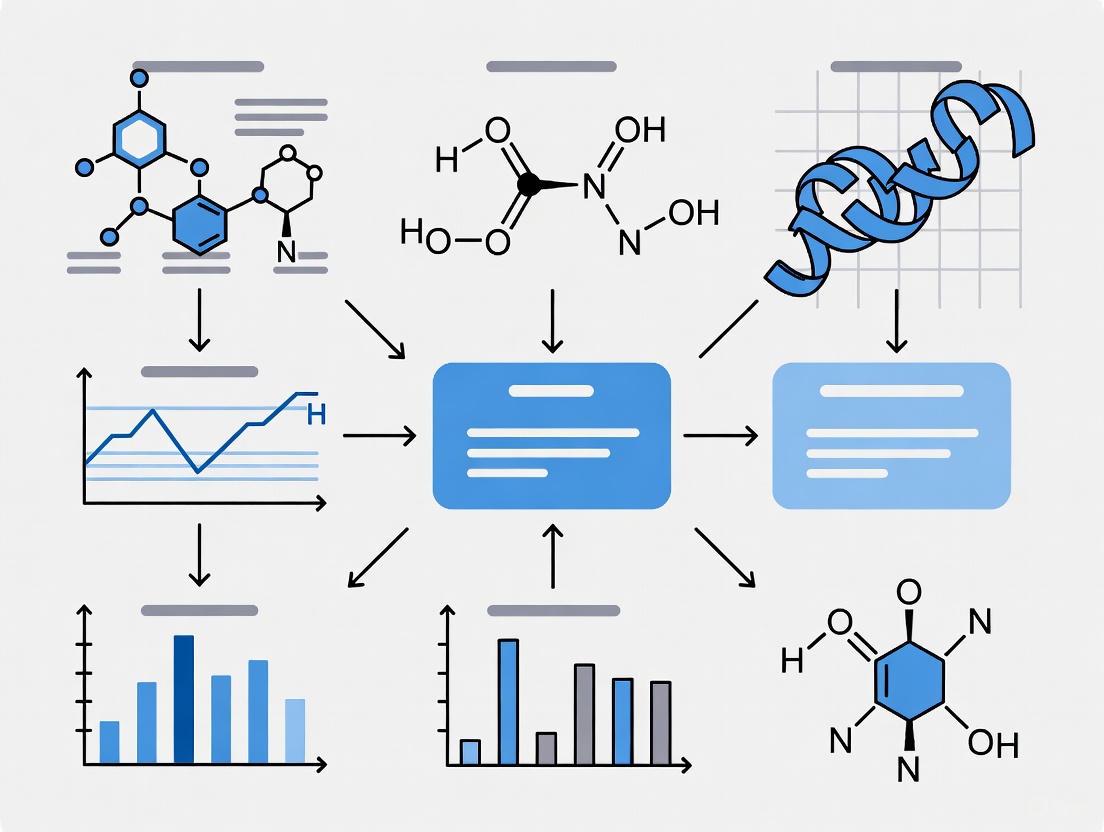
This article provides a comprehensive overview of advanced spectroscopy techniques—including Vibrational Spectroscopy (FTIR, NIR, Raman), Mass Spectrometry (H/D Exchange, ESI), and NMR—for characterizing protein structure and dynamics in nutrition research.
Advanced Spectroscopy for Protein Structure: Transforming Nutritional Research and Clinical Applications
Abstract
This article provides a comprehensive overview of advanced spectroscopy techniques—including Vibrational Spectroscopy (FTIR, NIR, Raman), Mass Spectrometry (H/D Exchange, ESI), and NMR—for characterizing protein structure and dynamics in nutrition research. It explores the foundational principles, methodological applications for protein quantification and structural analysis, and strategies for overcoming challenges in complex food matrices. The content critically compares these techniques with traditional methods, highlighting their role in validating nutritional quality, understanding protein digestibility, and guiding the development of personalized nutrition and therapeutic strategies. Tailored for researchers, scientists, and drug development professionals, this review synthesizes current trends and future directions, emphasizing the integration of spectroscopy with chemometrics and artificial intelligence to drive innovations in biomedical and clinical research.
Protein Structures and Nutritional Impact: Why Spectroscopy is a Game-Changer
The Critical Link Between Protein Structure and Nutritional Functionality
In nutritional science, the functional quality of a protein—encompassing its digestibility, bioavailability, and bioactivity—is intrinsically governed by its three-dimensional structure. Structural elements, from the primary amino acid sequence to complex secondary and tertiary folds, dictate how a protein interacts within the human gastrointestinal tract and influences physiological responses [1]. The rising global emphasis on sustainable plant-based proteins has intensified the need for precise analytical techniques that can characterize these structure-function relationships. Spectroscopy provides a powerful, non-destructive toolkit for researchers to probe these structural features, enabling the rational development of enhanced nutritional ingredients and formulations [1]. This document outlines practical protocols and applications of key spectroscopic methods in nutrition research.
Spectroscopic Techniques for Protein Analysis
The following table summarizes the primary spectroscopic techniques used for probing protein structure and their relevance to nutritional functionality.
Table 1: Key Spectroscopic Techniques in Protein Nutrition Research
| Technique | Structural Information Provided | Key Nutritional Correlations | Sample Preparation Complexity |
|---|---|---|---|
| Fourier-Transform Infrared (FTIR) Spectroscopy | Secondary structure (β-sheet, α-helix, random coil) [1] | Solubility, digestibility, gelling, and emulsifying capacity [1] | Low to Moderate |
| Near-Infrared (NIR) Spectroscopy | Bulk protein content, moisture, fat [1] | Rapid nutritional content analysis, quality control | Low |
| Raman Spectroscopy | Secondary structure; complementary to FTIR [1] | Structural changes due to processing (e.g., extrusion, heating) | Low |
| Intrinsic Fluorescence Spectroscopy | Tertiary structure, conformational changes, ligand binding [2] | Bioavailability of bioactive compounds, protein-ligand interactions | Moderate |
| Circular Dichroism (CD) Spectroscopy | Secondary structure composition and stability [3] | Protein stability under different pH/temperature conditions relevant to processing | Moderate |
Experimental Protocols
Protocol 1: Analyzing Protein Secondary Structure using FTIR Spectroscopy
This protocol is ideal for determining the secondary structure of plant-based protein isolates and monitoring structural changes induced by processing.
- Principle: FTIR measures the vibrational energy of chemical bonds. The Amide I band (1600-1700 cm⁻¹) is highly sensitive to protein backbone conformation and is used for secondary structure quantification [1].
- Materials & Reagents:
- Plant protein isolate (e.g., soy, pea, kidney bean protein)
- Potassium bromide (KBr) or Calcium Fluoride (CaF₂) cells
- FTIR Spectrometer
- Lyophilizer
- Hydraulic press (if using KBr pellets)
- Procedure:
- Sample Preparation: Lyophilize the protein sample to remove interfering water signals. Gently grind into a fine, homogeneous powder.
- Pellet Preparation (KBr Method): Mix 1-2 mg of protein powder with 200 mg of dry KBr. Press the mixture under vacuum into a clear pellet.
- Data Acquisition: Place the pellet in the FTIR spectrometer. Collect spectra in the mid-IR range (4000-400 cm⁻¹) with a resolution of 4 cm⁻¹. Accumulate 64-128 scans to improve the signal-to-noise ratio.
- Spectral Processing: Subtract the background spectrum. Perform atmospheric compensation (for CO₂ and water vapor). Apply second-derivative transformation and deconvolute the Amide I region to identify underlying peaks.
- Data Analysis: Fit the deconvoluted Amide I band using Gaussian curve fitting. Assign secondary structures to the resolved peaks: 1615-1637 cm⁻¹ (β-sheet), 1645-1655 cm⁻¹ (random coil), 1658-1665 cm⁻¹ (α-helix), and 1670-1690 cm⁻¹ (β-turns). Quantify by calculating the relative area of each assigned peak [1].
Protocol 2: Probing Tertiary Structure with Intrinsic Fluorescence Spectroscopy
This protocol is used to monitor changes in the tertiary structure and micro-environment of tryptophan residues, which is crucial for understanding functional properties.
- Principle: Intrinsic fluorophores (tryptophan, tyrosine, phenylalanine) exhibit changes in fluorescence intensity and emission wavelength maximum (λmax) when their local environment is altered by unfolding, aggregation, or ligand binding [3] [2].
- Materials & Reagents:
- Protein solution (0.1-0.5 mg/mL in suitable buffer, e.g., phosphate-buffered saline)
- Fluorescence Spectrophotometer
- Centrifugal filters (for clarification and buffer exchange)
- Procedure:
- Sample Preparation: Clarify the protein solution by centrifugation or filtration to remove particulate matter that causes light scattering.
- Instrument Setup: Set the spectrophotometer's excitation wavelength to 295 nm (to selectively excite tryptophan residues). Set the emission scan range from 300 to 400 nm.
- Data Acquisition: Place the protein solution in a quartz cuvette. Record the fluorescence emission spectrum. Perform all measurements at a constant, controlled temperature.
- Data Analysis: Identify the emission λmax. A shift towards longer wavelengths (red-shift) indicates the movement of tryptophan residues to a more hydrophilic, solvent-exposed environment, characteristic of protein unfolding. A shift towards shorter wavelengths (blue-shift) suggests a more hydrophobic, buried environment. Changes in fluorescence intensity can also reflect quenching or conformational rearrangements [2].
Diagram 1: Intrinsic fluorescence spectroscopy workflow for analyzing protein tertiary structure.
Application in Nutrition Research: A Case Study
Ultrasound-Assisted Glycosylation of Kidney Bean Protein Antioxidant Peptides
Recent research on British red kidney bean protein antioxidant peptides (BHPs) provides a compelling case study on how spectroscopy elucidates structure-function relationships. A 2025 study investigated how ultrasound-assisted glycosylation (US-GR) with glucose enhances antioxidant activity and functional properties [3].
- Objective: To characterize the structural changes and functional improvements in BHPs following ultrasound-assisted glycosylation with glucose.
- Experimental Groups: The study compared four treatments: native peptides (BHPs), ultrasound-only (US), glycosylation-only (GR), and the combined ultrasound-glycosylation (US-GR) [3].
- Key Spectroscopic & Analytical Findings:
- FTIR Spectroscopy: Confirmed successful glycosylation by showing new absorption bands, indicating covalent bonding between peptide amino groups and sugar carbonyls [3].
- Circular Dichroism (CD): Revealed a decrease in β-sheet content and an increase in random coils in the US-GR group, suggesting a more flexible and open structure [3].
- Intrinsic Fluorescence & Surface Hydrophobicity: showed decreased fluorescence intensity and surface hydrophobicity in US-GR, indicating that sugar molecules were shielding hydrophobic regions on the peptides [3].
- Atomic Force Microscopy (AFM): showed a more uniform and smaller 3D size distribution, indicating reduced aggregation [3].
Table 2: Correlation Between Structural Changes and Enhanced functionality in Glycosylated Peptides
| Measured Parameter | Change in US-GR Group | Implied Structural Change | Resulting Functional Improvement |
|---|---|---|---|
| Grafting Degree | Increased by 36.16% [3] | Covalent attachment of glucose to peptides | Improved stability and bioactivity |
| Free Amino Group Content | Decreased by 33.58% [3] | Confirmation of glycosylation bond formation | Masked bitterness, improved flavor |
| Surface Hydrophobicity | Decreased [3] | Shielding of hydrophobic patches by glucose | Enhanced solubility and dispersibility |
| Secondary Structure (β-sheet / Random coil) | Decreased / Increased [3] | Unfolding and increased structural flexibility | Improved emulsifying and foaming properties |
| In Vitro Antioxidant Activity | Significantly enhanced (e.g., Reducing power increased by 105.38%) [3] | Increased exposure of electron-donating groups | Enhanced free radical scavenging capacity |
Diagram 2: Relationship between ultrasound treatment, structural changes, glycosylation, and functional improvements in peptides.
The Scientist's Toolkit: Essential Research Reagents and Materials
Table 3: Key Research Reagent Solutions for Spectroscopic Protein Analysis
| Reagent / Material | Function / Application | Example Use Case |
|---|---|---|
| Potassium Bromide (KBr) | Infrared-transparent matrix for preparing solid pellets for FTIR analysis. | Creating homogeneous pellets for high-quality FTIR spectral acquisition of protein powders [1]. |
| o-Phthaldialdehyde (OPA) Reagent | Derivatization agent that reacts with primary amines to form fluorescent adducts. | Quantifying the loss of free amino groups to monitor the degree of glycosylation in modified peptides [3]. |
| DTNB (Ellman's Reagent) | Compound that reacts with sulfhydryl groups to produce a yellow chromophore. | Determining the total and free sulfhydryl group content in proteins, indicating changes in tertiary structure and oxidation state [3]. |
| TNBS (Trinitrobenzenesulfonic Acid) | Reagent that reacts with primary amines to form a colored product measurable at 335 nm. | Directly measuring the grafting degree in glycosylation experiments by tracking the consumption of free amino groups [3]. |
| Alkaline Protease | Enzyme used to hydrolyze proteins and generate bioactive peptide fractions from parent proteins. | Production of antioxidant peptide fractions from British red kidney bean protein for subsequent modification and study [3]. |
Fundamental Principles of Light-Molecule Interactions in Spectroscopy
In nutrition research, the detailed characterization of protein structures is paramount for understanding their functional properties, nutritional quality, and behavior in food products. Spectroscopy provides a powerful suite of tools for this purpose, as the interaction between light and protein molecules yields detailed information about secondary and tertiary structure, stability, and composition. The fundamental principle underpinning these techniques is that the way a molecule interacts with specific wavelengths of light is dictated by its unique chemical structure and environment. This application note details the core principles of light-molecule interactions, provides protocols for protein structure characterization, and contextualizes the data within nutrition research, offering a resource for scientists and drug development professionals.
Fundamental Physics of Light-Matter Interaction
The Dual Nature of Light
Light, or electromagnetic radiation, exhibits both wave-like and particle-like properties. As a wave, light is characterized by its wavelength—the distance between successive peaks—which determines its color and place in the electromagnetic spectrum, from gamma rays to radio waves [4]. As a particle, light consists of photons, discrete packets of energy where the energy of a single photon is inversely proportional to its wavelength [4]. This relationship is critical for spectroscopy, as a photon's energy must precisely match the energy gap of a molecular transition for absorption to occur.
Atomic and Molecular Structure
Matter is composed of atoms, which contain a nucleus surrounded by electrons that occupy specific energy levels or orbitals [4] [5]. Molecules, being collections of atoms, possess more complex energy states, including electronic, vibrational, and rotational levels. A fundamental rule of quantum mechanics is that electrons can "jump" to higher energy levels or "drop" to lower ones, but they cannot exist between these discrete states [4].
Key Interaction Mechanisms
When light encounters a molecule, several key interactions can occur, each providing different structural insights:
- Absorption: A photon is absorbed by the molecule, and its energy promotes an electron to a higher energy state or increases the vibrational/rotational energy of the molecule [4] [6]. This is the primary interaction measured in many spectroscopic techniques.
- Reflection: Light bounces off the material's surface without being absorbed.
- Transmission: Light passes through the material without being absorbed [4].
At the molecular scale, the oscillating electric field of the light wave rhythmically pushes the positive and negative charges within a molecule in opposite directions, causing polarization [6]. When the frequency of the light matches a resonant frequency of the molecular component, energy is efficiently absorbed.
The Transition Dipole Moment and Selection Rules
The probability of a spectroscopic transition is governed by the transition dipole moment, μfi [5]. This is a quantum mechanical integral expressed as: μfi = ⟨Ψf | ˆμ | Ψi⟩ where Ψi and Ψf are the wavefunctions of the initial and final states, and ˆμ is the electric dipole moment operator [5]. The square of this probability amplitude gives the transition probability. For this integral to be non-zero, the product of the symmetries of the initial state, the operator, and the final state must contain the totally symmetric irreducible representation. This requirement leads to selection rules that dictate which transitions are allowed, such as the rule for atomic electronic transitions where Δl = ±1 [5].
Spectroscopic Techniques for Protein Characterization
The following table summarizes the primary spectroscopic techniques used in protein analysis, their fundamental principles, and key applications in nutrition research.
Table 1: Spectroscopic Techniques for Protein Structure Characterization
| Technique | Principle of Light-Matter Interaction | Primary Structural Information | Typical Application in Nutrition Research |
|---|---|---|---|
| Mass Spectrometry (MS) | Analyzes molecular weight by ionizing molecules and measuring their mass-to-charge ratio [7]. | Primary structure, amino acid sequence, post-translational modifications [8]. | Protein identification and quantification in complex food matrices [9]. |
| Fourier Transform Infrared (FTIR) | Measures absorption of infrared light, exciting vibrational modes of molecular bonds [8]. | Secondary structure (α-helix, β-sheet) via amide I and II bands [8]. | Monitoring heat-induced structural changes in proteins (e.g., whey protein denaturation) [9]. |
| Circular Dichroism (CD) | Measures the difference in absorption of left-handed and right-handed circularly polarized light by chiral molecules [8]. | Secondary structure and protein folding stability [8]. | Assessing structural stability of novel protein isolates under different pH conditions [9]. |
| Microfluidic Modulation Spectroscopy (MMS) | Combines IR absorption with microfluidic technology and a high-intensity laser for superior signal-to-noise [8]. | Quantifies secondary structure with high sensitivity and without buffer interference [8]. | Detecting subtle structural changes in protein biologics and formulations [8]. |
| UV-Vis Spectroscopy | Measures electronic transitions in conjugated systems, such as aromatic amino acid side chains. | Protein concentration, aggregation, and ligand binding. | Measuring lycopene and chlorophyll content in plant-based foods [6]. |
Experimental Protocols
Protocol: Protein Secondary Structure Analysis via FTIR
Principle: This protocol determines the secondary structure of a protein sample by analyzing the amide I band (1600-1700 cm⁻¹), which arises primarily from C=O stretching vibrations of the peptide backbone and is highly sensitive to hydrogen bonding patterns [8].
Materials:
- Purified protein sample (e.g., hazelnut kernel protein isolate [10])
- FTIR Spectrometer
- Lyophilizer
- ATR (Attenuated Total Reflectance) accessory
Procedure:
- Sample Preparation: Dialyze the protein solution against a volatile buffer (e.g., ammonium bicarbonate) and lyophilize to create a dry powder [8].
- Instrument Setup: Purge the FTIR spectrometer with dry nitrogen to minimize interference from atmospheric water vapor. Set the spectral resolution to 4 cm⁻¹ and accumulate 256 scans.
- Data Acquisition: Place a small amount of the lyophilized protein powder on the ATR crystal and ensure good contact. Acquire the infrared spectrum in the range of 4000 to 1000 cm⁻¹.
- Data Analysis:
- Subtract the background spectrum.
- Focus on the amide I region (1700-1600 cm⁻¹).
- Perform Fourier self-deconvolution or second derivative analysis to resolve overlapping bands.
- Use curve-fitting procedures to assign components: ~1650 cm⁻¹ (α-helix), ~1630 cm⁻¹ (β-sheet), ~1670 cm⁻¹ (β-turns) [8].
Protocol: Assessing Nutritional Quality via Amino Acid Analysis
Principle: This protocol quantifies the amino acid composition of a food protein to evaluate its nutritional value by comparing it to FAO/WHO standards [10].
Materials:
- Defatted food protein sample (e.g., Corylus mandshurica Maxim kernel flour [10])
- Hydrolysis tubes
- 6M HCl
- Amino Acid Analyzer
Procedure:
- Sample Hydrolysis: Weigh approximately 10 mg of defatted protein into a hydrolysis tube. Add 10 mL of 6M HCl. Seal the tube under vacuum and hydrolyze at 110°C for 24 hours.
- Sample Analysis: Filter the hydrolysate and dilute with an appropriate buffer. Load the sample into an automatic amino acid analyzer, which separates amino acids by ion-exchange chromatography and detects them post-column with ninhydrin [10].
- Data Analysis & Nutritional Indices:
Table 2: Amino Acid Profile and Nutritional Indices of Corylus mandshurica Maxim Kernel Proteins [10]
| Parameter | Water-Soluble Protein | Protein Isolate | FAO/WHO Adult Requirement |
|---|---|---|---|
| Total EAA (mg/g protein) | 324.52 | 249.58 | - |
| EAAI | 72.19 | 58.59 | - |
| Biological Value (BV) | 66.99 | 52.16 | - |
| Nutritional Index (NI) | 55.78 | 41.68 | - |
The Scientist's Toolkit: Essential Research Reagents and Materials
Table 3: Key Research Reagent Solutions for Protein Spectroscopy
| Item | Function/Application |
|---|---|
| Defatted Protein Flour | Starting material for protein extraction and analysis; removal of lipids minimizes interference in spectral measurements [10]. |
| Volatile Buffers (e.g., Ammonium Bicarbonate) | Used for protein dialysis and lyophilization prior to FTIR; they sublime easily, leaving no interfering residue in the spectrum [8]. |
| Microfluidic Flow Cell | Central to MMS, it modulates between sample and buffer for real-time background subtraction, eliminating signal interference from excipients [8]. |
| Quantum Cascade Laser (QCL) | The high-intensity IR light source in MMS, providing at least 1000x greater intensity than conventional sources for ultra-high sensitivity [8]. |
| Reference Protein Library | A curated database of known protein structures used with analytical software (e.g., in MMS) to accurately quantify secondary structure in unknown samples [8]. |
Workflow and Signaling Pathways
The following diagram illustrates the core workflow of a spectroscopic experiment, from the initial light-matter interaction to the final structural interpretation for proteins.
Spectroscopy Workflow for Protein Analysis
The fundamental signaling pathway of the light-molecule interaction itself, leading to specific spectroscopic outputs, can be summarized as follows:
Pathway of Light-Molecule Interaction
The comprehensive analysis of protein structure is fundamental to advancing research in nutrition, drug development, and biotechnology. Proteins are highly complex macromolecules whose biological function is directly related to their three-dimensional structure [11]. Even minor alterations in protein conformation can significantly impact their physicochemical and functional properties [12]. Spectroscopic techniques provide powerful, and often non-destructive, tools for probing these structural characteristics across different complexity levels—from primary amino acid sequence to quaternary assembly.
This article provides a detailed overview of five key spectroscopic techniques—Fourier-Transform Infrared (FTIR), Near-Infrared (NIR), Raman, Nuclear Magnetic Resonance (NMR), and Mass Spectrometry (MS)—framed within the context of protein structure characterization for nutritional research. We present standardized application notes and experimental protocols to enable researchers to effectively select and implement these methods, complete with comparative data tables, workflow visualizations, and essential reagent solutions.
The following table summarizes the core characteristics, applications, and structural insights provided by each spectroscopic technique discussed in this article.
Table 1: Comparative Overview of Key Spectroscopic Techniques for Protein Analysis
| Technique | Principle of Operation | Structural Information Obtained | Typical Sample Form | Key Advantages |
|---|---|---|---|---|
| FTIR Spectroscopy | Measures absorption of IR light by molecular bond vibrations [11]. | Secondary structure (e.g., α-helix, β-sheet) [11]. | Solid, liquid, lyophilized powder [11]. | Rapid analysis; well-established for secondary structure. |
| NIR Spectroscopy | Measures overtone and combination vibrations of C-H, O-H, and N-H bonds [13]. | Secondary structure; protein content quantification [13] [14]. | Solid, liquid, aqueous solutions [13]. | Non-destructive; high-throughput; minimal sample prep. |
| Raman Spectroscopy | Measures inelastic light scattering from molecular bond vibrations [15]. | Secondary structure; side-chain environments; disulfide bonds [16] [17]. | Solid, liquid, gels [14]. | Minimal water interference; suitable for aqueous solutions. |
| NMR Spectroscopy | Detects absorption of radio waves by atomic nuclei in a magnetic field [18]. | Full 3D structure; atomic-level dynamics; interactions [18] [12]. | Liquid (solution), solid-state [18]. | Atomic-resolution structure; studies dynamics in solution. |
| Mass Spectrometry (MS) | Measures mass-to-charge ratio ((m/z)) of ionized molecules [19]. | Primary structure; molecular weight; post-translational modifications [19] [12]. | Liquid, solid (vaporized) [19]. | High sensitivity; identifies and quantifies proteins. |
Detailed Techniques: Applications and Protocols
Fourier-Transform Infrared (FTIR) Spectroscopy
Application Note: FTIR spectroscopy is a fundamental technique for characterizing protein secondary structure, both in solution and in the solid state [11]. It is particularly valuable for monitoring conformational stability during processes like lyophilization (freeze-drying) used in pharmaceutical and food powder production [11]. The technique probes the vibrational modes of the protein's amide bonds, with the amide I band (around 1650 cm⁻¹) being most commonly used for secondary structure analysis as it originates mainly from the C=O stretching vibration of the peptide backbone [11].
Experimental Protocol:
- Sample Preparation:
- Solid Samples: For lyophilized proteins, mix ~1-2 mg of protein powder with ~100 mg of potassium bromide (KBr). Grind thoroughly to a fine powder using a mortar and pestle and press into a transparent pellet using a hydraulic press.
- Liquid Samples: Place a small volume of protein solution (e.g., 20 mg·mL⁻¹ or higher) between two infrared-transparent windows (e.g., CaF₂ or BaF₂) separated by a thin spacer (e.g., 6-50 μm pathlength) to minimize strong water absorption [15].
- Data Collection:
- Acquire spectra in transmission or Attenuated Total Reflectance (ATR) mode. ATR is advantageous for aqueous samples as it minimizes path length issues [15].
- Set spectral resolution to 4 cm⁻¹ and accumulate 64-128 scans to achieve a good signal-to-noise ratio.
- Collect a background spectrum under identical conditions (e.g., empty cell or clean ATR crystal).
- Data Analysis:
- Subtract the background spectrum from the sample spectrum.
- Apply a second derivative function to the spectrum in the amide I region (1600-1700 cm⁻¹) to narrow the bands and enhance resolution [11].
- Use Fourier self-deconvolution or curve-fitting (Gaussian/Lorentzian bands) to estimate the relative areas of component bands assigned to specific secondary structures:
- α-Helix: 1650-1660 cm⁻¹
- β-Sheet: 1620-1640 cm⁻¹
- β-Turns: 1660-1680 cm⁻¹
- Random coil: 1640-1650 cm⁻¹
Near-Infrared (NIR) Spectroscopy
Application Note: NIR spectroscopy is a rapid, non-destructive tool ideal for high-throughput quantification of protein content and the analysis of secondary structure in bulk food materials and solid formulations [14]. It probes overtone and combination vibrations of C-H, O-H, and N-H bonds in the combination (4000-5000 cm⁻¹) and first overtone (5600-6600 cm⁻¹) regions [13]. It is highly suited for in-line monitoring in manufacturing settings to ensure product consistency [14].
Experimental Protocol:
- Sample Preparation:
- Samples can be analyzed in their native state (powders, pastes, liquids) with minimal preparation. Ensure sample presentation is consistent (e.g., uniform particle size for powders, consistent pathlength for liquids).
- Data Collection:
- For solid powders, use a diffuse reflection accessory. For liquids, use a transmission cell with a pathlength of 0.5 mm to 2 mm.
- Acquire spectra at a resolution of 8-16 cm⁻¹ with 32-64 scans per spectrum.
- Data Analysis:
- Preprocess raw spectra using standard normal variate (SNV) or multiplicative scatter correction (MSC) to reduce scattering effects.
- Calculate the second derivative of the spectra to resolve overlapping bands [13].
- Identify key bands associated with protein structure, such as those around 4090 cm⁻¹ (α-helix) and 4865 cm⁻¹ (β-sheet) [13].
- Develop a calibration model using multivariate regression techniques (e.g., PLS) by correlating NIR spectra with reference data (e.g., protein content from Kjeldahl method, secondary structure from FTIR).
Raman Spectroscopy
Application Note: Raman spectroscopy provides complementary information to FTIR and is highly effective for studying protein secondary structure, side-chain environments, and disulfide bond conformations [16] [17]. Its major advantage is the minimal interference from water, making it exceptionally suitable for analyzing proteins in aqueous solutions [15] [14]. The technique is sensitive to the polarizability of molecular bonds, making it particularly strong for probing aromatic amino acids and S-S bridges [16].
Experimental Protocol:
- Sample Preparation:
- Protein solutions can be analyzed as-is in glass capillaries, quartz cuvettes, or multi-well plates. Typical concentrations range from 1-50 mg/mL. Solid powders can be analyzed in a similar fashion to FTIR.
- Data Collection:
- Focus the laser beam (common wavelengths: 532 nm, 785 nm) onto the sample. A 785 nm laser minimizes fluorescence from certain samples.
- Use a microscope objective to collect the scattered light.
- Set acquisition time to 10-60 seconds and accumulate 2-10 scans to build up signal.
- Data Analysis:
- Identify key Raman bands indicative of protein structure:
- Amide I: ~1660-1680 cm⁻¹ (α-helix), ~1665-1680 cm⁻¹ (β-sheet)
- Amide III: 1230-1310 cm⁻¹ (useful for α-helix/β-sheet distinction)
- S-S Stretch: 500-550 cm⁻¹ (gauche-gauche-gauche ~510 cm⁻¹, gauche-gauche-trans ~525 cm⁻¹) [16]
- Phenylalanine Ring Breath: ~1000 cm⁻¹
- Analyze the amide I and III regions via band fitting to quantify secondary structure elements.
- Identify key Raman bands indicative of protein structure:
Nuclear Magnetic Resonance (NMR) Spectroscopy
Application Note: Protein NMR is a powerful technique for determining the three-dimensional structure of proteins at atomic resolution in a solution environment that mimics physiological conditions [18]. It is also uniquely capable of probing protein dynamics and interactions with other molecules, such as ligands, DNA, or other proteins [18]. For larger proteins, isotopic labeling with ¹⁵N and ¹³C is essential [18].
Experimental Protocol:
- Sample Preparation:
- Prepare a highly purified protein sample (>95% purity) in a suitable buffer (e.g., phosphate buffer, 20-50 mM). The sample volume is typically 300-600 μL with a protein concentration of 0.5-1.0 mM.
- Add 5-10% D₂O to provide a lock signal for the spectrometer.
- For structural studies, the protein must be uniformly labeled with ¹⁵N and/or ¹³C isotopes, expressed in E. coli grown on isotopically enriched media.
- Data Collection:
- Start with a 1H 1D spectrum to assess sample quality.
- Acquire a 2D ¹H-¹⁵N HSQC (Heteronuclear Single Quantum Coherence) spectrum. Each peak in this "fingerprint" spectrum typically corresponds to one backbone amide group in the protein [18].
- For full structure determination, collect a suite of 3D experiments (e.g., HNCA, HNCACB, CBCA(CO)NH, HNCO) to assign backbone and side-chain chemical shifts [18].
- Acquire 3D NOESY spectra to obtain distance restraints between protons that are close in space.
- Data Analysis:
- Assign all ¹H, ¹⁵N, and ¹³C chemical shifts using triple-resonance experiments.
- Assign NOE (Nuclear Overhauser Effect) cross-peaks to generate a list of inter-proton distance restraints.
- Calculate a bundle of 3D structures using computational programs (e.g., CYANA, XPLOR-NIH) that satisfy the experimental restraints.
- Validate the final structure bundle for stereochemical quality.
Mass Spectrometry (MS)
Application Note: Mass spectrometry is an indispensable tool for characterizing the primary structure of proteins, including their molecular weight, amino acid sequence, and post-translational modifications (PTMs) such as phosphorylation and glycosylation [19]. Tandem MS (MS/MS) enables high-throughput identification and quantification of proteins from complex mixtures, forming the backbone of modern proteomics [19].
Experimental Protocol:
- Sample Preparation:
- Denature the protein (e.g., with 8 M urea or guanidine-HCl), reduce disulfide bonds (e.g., with dithiothreitol, DTT), and alkylate cysteine residues (e.g., with iodoacetamide).
- Digest the protein into peptides using a sequence-specific protease, most commonly trypsin, overnight at 37°C.
- Desalt the resulting peptides using a C18 solid-phase extraction tip or column.
- Data Collection (LC-MS/MS):
- Separate the peptides using nano-flow liquid chromatography (nanoLC) with a C18 reversed-phase column.
- Ionize the eluting peptides using electrospray ionization (ESI) and introduce them into the mass spectrometer.
- Operate the instrument in data-dependent acquisition (DDA) mode:
- MS1 Survey Scan: Acquire a full MS scan to measure the (m/z) of intact peptide ions.
- MS2 Fragmentation Scan: Select the most intense peptide ions from the MS1 scan for fragmentation (typically using Higher-energy C-trap dissociation, HCD) and acquire their MS/MS spectra.
- Data Analysis:
- Search the MS/MS spectra against a protein sequence database using software tools (e.g., MaxQuant, Proteome Discoverer, Mascot).
- Identify proteins based on the match between experimental MS/MS spectra and theoretical spectra generated from the database.
- For PTM analysis, include variable modifications (e.g., phosphorylation on serine/threonine/tyrosine, oxidation on methionine) in the database search parameters.
Workflow Visualization
The following diagram illustrates the general decision-making workflow for selecting an appropriate spectroscopic technique based on the primary structural information required.
Research Reagent Solutions
The following table lists essential reagents and materials commonly required for the experimental protocols described in this article.
Table 2: Essential Research Reagents for Protein Spectroscopy
| Reagent/Material | Function/Application | Technique(s) |
|---|---|---|
| Potassium Bromide (KBr) | Matrix for preparing solid pellets for transmission FTIR. | FTIR |
| Infrared-Transparent Windows (CaF₂, BaF₂) | Cells for holding liquid samples during FTIR analysis. | FTIR |
| Deuterium Oxide (D₂O) | Provides a lock signal for the NMR spectrometer; used for solvent suppression. | NMR |
| Isotopically Labeled Nutrients (¹⁵NH₄Cl, ¹³C-Glucose) | For producing uniformly ¹⁵N- and/or ¹³C-labeled proteins for multidimensional NMR. | NMR |
| Trypsin (Protease) | Enzymatically cleaves proteins into peptides for bottom-up MS analysis. | MS |
| Dithiothreitol (DTT) / Tris(2-carboxyethyl)phosphine (TCEP) | Reduces disulfide bonds to denature proteins for MS and other analyses. | MS, General |
| Iodoacetamide | Alkylates cysteine residues to prevent reformation of disulfide bonds. | MS, General |
| C18 Solid-Phase Extraction Tips | Desalts and concentrates peptide mixtures prior to LC-MS/MS. | MS |
| Buffers (e.g., Phosphate, Tris) | Maintains protein stability and pH during analysis. | All |
| Stable Isotope Tags (e.g., TMT, SILAC) | Labels proteins/peptides for multiplexed relative quantification in MS. | MS |
In the field of nutrition research, the accurate characterization of protein structure—encompassing secondary, tertiary, and quaternary conformations—is fundamental to understanding their nutritional quality, functional properties in food matrices, and digestibility [1]. Traditional methods for protein analysis, including Kjeldahl and Dumas combustion for content quantification, and chromatography, circular dichroism (CD), and nuclear magnetic resonance (NMR) for structural elucidation, are often time-consuming, require extensive sample preparation, and are destructive in nature [1] [20]. These processes can be laborious and provide only retrospective results, limiting their utility for rapid quality control or real-time monitoring in food production and drug development pipelines.
Vibrational spectroscopy techniques, namely Fourier-Transform Infrared (FTIR), Near-Infrared (NIR), and Raman spectroscopy, have emerged as powerful alternatives that directly address these limitations. Their core advantages reside in their exceptional speed, non-destructive character, and capacity for in-situ analysis, allowing researchers to probe protein structure within complex, native environments without the need for chemical reagents or lengthy extractions [1] [21]. This application note details the experimental protocols and presents quantitative data demonstrating how these spectroscopic methods are revolutionizing protein characterization within the context of modern nutrition science and biopharmaceutical development.
Comparative Advantages of Spectroscopic Techniques
The following table summarizes the key advantages of FTIR, NIR, and Raman spectroscopy over traditional protein analysis methods across critical parameters for research and industry.
Table 1: Advantages of Spectroscopic Techniques over Traditional Protein Analysis Methods
| Analytical Parameter | Traditional Methods (e.g., Kjeldahl, CD, HPLC) | Vibrational Spectroscopy (FTIR, NIR, Raman) | Practical Implication for Research & Industry |
|---|---|---|---|
| Analysis Speed | Hours to days [1] | Seconds to minutes [1] [22] | Enables high-throughput screening and real-time process control. |
| Sample Preparation | Extensive; often involves extraction, digestion, or derivatization [1] | Minimal to none; analysis of solids, liquids, and complex matrices [1] | Reduces labor, cost, and analyst error; preserves sample integrity. |
| Sample Destructiveness | Destructive; sample consumed or altered [1] | Non-destructive or micro-destructive; sample can be retained for further analysis [1] [23] | Allows longitudinal studies on precious samples and multiple analyses on the same specimen. |
| In-Situ Capability | Generally requires lab-based, off-line analysis | High potential for in-situ and on-line monitoring [24] | Facilitates at-line and in-line quality control in manufacturing and field analysis. |
| Chemical Consumption | Often requires solvents and reagents | Solvent-free and reagentless [25] | Supports green chemistry initiatives; reduces operational costs and waste. |
| Structural Information | Varies by technique; some are limited to solution state. | Direct assessment of secondary structure (e.g., via Amide I band) in various physical states [1] [20] | Provides insights into structure-function relationships in native-like environments. |
Experimental Protocols for Protein Characterization
The following protocols are generalized for analyzing plant-based protein powders and isolates, which are of significant interest in nutritional and pharmaceutical sciences.
Protocol for Protein Secondary Structure Analysis using FTIR Spectroscopy
FTIR spectroscopy is a highly sensitive technique for probing the secondary structure of proteins (α-helices, β-sheets, turns, random coils) through the analysis of the Amide I band.
Table 2: Key Research Reagents and Solutions for FTIR Analysis
| Item/Material | Function/Description |
|---|---|
| FTIR Spectrometer | Equipped with a DTGS (deuterated triglycine sulfate) or MCT (mercury-cadmium-telluride) detector for high sensitivity. |
| ATR (Attenuated Total Reflectance) Accessory | Diamond or ZnSe crystal. Allows direct analysis of solid and liquid samples with minimal preparation. |
| Potassium Bromide (KBr) | Optional; for preparing traditional pellets if ATR is not available. |
| Deuterated Buffer (e.g., D₂O) | For studying proteins in solution; reduces strong water absorption in the mid-IR region. |
Step-by-Step Procedure:
- Sample Preparation (Solid): For plant protein powders, ensure the sample is finely ground and homogeneous. Place a small amount directly onto the ATR crystal.
- Sample Preparation (Solution): For protein solutions, a drop is placed on the ATR crystal. Using deuterated buffer (D₂O) is advantageous for shifting the H₂O band and better exposing the Amide I region.
- Data Acquisition: Apply consistent pressure to the sample to ensure good contact with the crystal. Collect the spectrum in the mid-IR range (e.g., 4000-400 cm⁻¹) with a resolution of 4 cm⁻¹. Acquire 64-128 scans to achieve a high signal-to-noise ratio. A background spectrum of the clean crystal must be collected immediately before the sample measurement.
- Spectral Processing: Subtract the background spectrum from the sample spectrum. Perform essential preprocessing steps: atmospheric compensation (for CO₂ and water vapor), baseline correction, and smoothing.
- Data Analysis (Critical Step): Focus on the Amide I band (1600-1700 cm⁻¹), which is primarily C=O stretching and is highly sensitive to secondary structure.
- Second Derivative Analysis: Calculate the second derivative of the spectrum to enhance the resolution of overlapping bands.
- Curve Fitting/Deconvolution: Deconvolute the Amide I band using Gaussian or Lorentzian functions. The number, position, and area of the sub-bands correspond to different secondary structures:
- 1650-1658 cm⁻¹: α-Helix
- 1620-1640 cm⁻¹: β-Sheet
- 1660-1680 cm⁻¹: β-Turns
- 1640-1650 cm⁻¹: Random Coil
Protocol for Rapid Protein Content Quantification using NIR Spectroscopy
NIR spectroscopy excels at the rapid, non-destructive quantification of bulk protein content in complex food matrices, making it ideal for quality control.
Step-by-Step Procedure:
- Calibration Model Development (Prerequisite): This is the most critical step for NIR analysis. A robust model requires a large and diverse set of samples (n > 100) covering the expected variation in protein content and matrix composition.
- Reference Analysis: Precisely determine the protein content of all calibration samples using a primary reference method (e.g., Dumas combustion).
- Spectral Acquisition: Collect NIR spectra (e.g., 780-2500 nm) for all calibration samples using a benchtop or portable spectrometer.
- Chemometric Modeling: Use multivariate calibration algorithms to correlate the spectral data (X-matrix) with the reference protein data (Y-matrix).
- Algorithm: Partial Least Squares Regression (PLSR) is the most common and effective algorithm for this purpose.
- Preprocessing: Apply spectral preprocessing techniques like Standard Normal Variate (SNV), Multiplicative Scatter Correction (MSC), and derivatives (1st, 2nd) to minimize light scattering and enhance spectral features.
- Model Validation: Rigorously validate the model using an independent set of samples not included in the calibration. Key figures of merit include:
- Coefficient of Determination (R²)
- Root Mean Square Error of Prediction (RMSEP)
- Ratio of Performance to Deviation (RPD)
- Routine Analysis: Once a validated model is deployed, protein content in unknown samples can be predicted in seconds by simply acquiring their NIR spectrum.
Data Presentation and Analysis
Quantitative Performance of Spectroscopy
The following table compiles representative quantitative data from research applications, demonstrating the performance of vibrational spectroscopy in protein analysis.
Table 3: Quantitative Performance of Spectroscopic Methods in Protein Analysis
| Application | Technique | Chemometric Method | Performance | Reference |
|---|---|---|---|---|
| Protein Content in Milk Powder | NIR Spectroscopy | PLSR | R² = 0.88-0.90 for bulk density, insolubility index | [22] |
| Protein Content in Plant Proteins | NIR / FTIR / Raman | PLSR, SVR, Deep Learning | High predictive accuracy for pea protein, lentils | [1] |
| Dietary Fatty Acids in Liquid Milk | NIR Spectroscopy + Aquaphotomics | PLSR | R² > 0.75, RPD > 1.5 for multiple fatty acids | [22] |
| Discrimination of Fracture-Related Infection (Clinical) | FTIR Spectroscopy on Plasma | Multivariate Analysis | AUROC ≈ 0.803, Sensitivity ≈ 0.755, Specificity ≈ 0.677 | [26] |
Integration with Industry 4.0 and Advanced Data Analysis
The true potential of spectroscopy is unlocked through integration with modern data science and industrial digitalization, moving analysis from the lab to the production line.
- AI and Chemometrics: The complex, overlapping spectral signals are deciphered using advanced algorithms like support vector regression (SVR) and deep learning, which improve the accuracy and robustness of quantification models [1].
- Real-Time Monitoring: Spectroscopy-based sensors, when combined with Internet of Things (IoT) and cloud computing, enable real-time quality and safety monitoring across the food and pharmaceutical supply chains, providing a non-destructive alternative to retrospective lab analyses [24].
- Data Fusion: Integrating data from multiple spectroscopic techniques (e.g., NIR, FTIR, Raman) provides a more comprehensive characterization of the protein system, overcoming the limitations of any single technique [1].
The transition from traditional, destructive wet-chemistry methods to rapid, non-destructive, and in-situ vibrational spectroscopy represents a paradigm shift in protein characterization for nutrition and pharmaceutical research. The documented advantages in speed, minimal sample preparation, and the ability to analyze proteins within their natural matrices directly address the needs of modern scientists and drug development professionals for efficiency and precision. As advancements in AI-driven chemometrics, portable instrumentation, and Industry 4.0 integration continue, spectroscopic techniques are poised to become the cornerstone of quality-by-design and real-time release in the development of high-quality, sustainable protein sources and biopharmaceuticals.
A Practical Guide to Spectroscopic Techniques for Protein Analysis
Vibrational Spectroscopy for Rapid Quantification and Secondary Structure
In the fields of nutritional research and drug development, the precise characterization of protein content and structure is paramount for understanding functionality, nutritional quality, and safety. Traditional methods for protein analysis, such as the Kjeldahl and Dumas methods, while effective, are labor-intensive, require extensive sample preparation, and are not suited for rapid, high-throughput analysis [14]. Vibrational spectroscopy techniques have emerged as powerful, rapid, and non-destructive alternatives that are increasingly essential for modern analytical workflows. These methods provide simultaneous insights into both the quantitative content and secondary structure of proteins, which are critical for evaluating the quality of plant-based proteins, studying biopharmaceuticals, and supporting the transition to more sustainable protein sources [14] [1]. This document outlines detailed application notes and protocols for using these techniques, framed within the context of protein characterization for nutrition research.
Core Techniques and Principles
Vibrational spectroscopy encompasses several techniques that probe molecular vibrations to reveal chemical information. The primary methods for protein analysis are Fourier-Transform Infrared (FTIR), Near-Infrared (NIR), and Raman spectroscopy.
- FTIR Spectroscopy measures the absorption of infrared light, primarily exciting vibrations that involve a change in the dipole moment. The amide I band (approximately 1600-1700 cm⁻¹), which arises mainly from C=O stretching vibrations of the peptide backbone, is highly sensitive to protein secondary structure and is the most critical region for conformational analysis [27] [28].
- Raman Spectroscopy relies on the inelastic scattering of light and is sensitive to vibrations that involve a change in polarizability. It provides complementary information to FTIR and is particularly effective for detecting non-polar functional groups. A significant advantage is its relative insensitivity to water, allowing for the analysis of proteins in their native aqueous solutions [14] [1].
- NIR Spectroscopy probes overtones and combination bands of fundamental molecular vibrations (e.g., C-H, N-H, O-H) in the range of 780-2500 nm. It is ideally suited for the rapid quantification of bulk protein content in complex matrices with minimal sample preparation [1].
The integration of chemometrics and artificial intelligence (AI) is crucial for interpreting the complex spectral data generated by these techniques. Multivariate statistical methods, such as Partial Least Squares Regression (PLSR), are employed to build calibration models that correlate spectral data to protein content or structure [1] [29].
Application Notes: Data and Quantification
Quantitative Analysis of Protein Content
Vibrational spectroscopy offers a rapid and non-destructive means for quantifying protein content in various sample types, from raw ingredients to finished products. NIR spectroscopy, in particular, is widely adopted in industrial settings for high-throughput analysis.
Table 1: Performance of Vibrational Spectroscopy Techniques for Protein Quantification
| Technique | Typical Spectral Range | Key Analytical Use | Representative Performance (R²/Precision) | Reference Model |
|---|---|---|---|---|
| NIR Spectroscopy | 780-2500 nm | Bulk protein content in powders, grains, and ingredients | R² > 0.98 for pea protein isolate [1] | PLSR, Support Vector Regression (SVR) |
| FTIR Spectroscopy | 4000-400 cm⁻¹ | Protein content and secondary structure in isolated proteins | Excellent results vs. traditional methods [28] | PLSR |
| Raman Spectroscopy | 4000-50 cm⁻¹ | Protein content in complex matrices with water interference | High precision in aqueous solutions [1] | PLSR, Deep Learning Models |
Secondary Structure Determination
The secondary structure of a protein (α-helix, β-sheet, turns, random coil) directly influences its functional properties, such as solubility, gelation, and emulsification capacity. FTIR and Raman spectroscopy are the primary techniques for this analysis.
The amide I band in FTIR spectra is deconvoluted to determine the relative proportions of different secondary structures. The characteristic absorption ranges for key structures are as follows [27]:
Table 2: Characteristic Amide I Band Positions for Protein Secondary Structures in H₂O
| Secondary Structure | Band Position (cm⁻¹) |
|---|---|
| β-sheet | 1623 - 1641 |
| Random coil | 1642 - 1657 |
| α-helix | 1648 - 1657 |
| Turns | 1662 - 1686 |
Recent advances combine these spectroscopic methods with machine learning to accelerate analysis. For instance, neural network models can use data from just seven discrete infrared frequencies to accurately predict secondary structure components, reducing data acquisition time nearly six-fold and analysis time by over 3000 times compared to conventional spectral fitting [30].
Experimental Protocols
General Workflow for Protein Analysis
The following diagram illustrates the overarching experimental workflow for protein characterization using vibrational spectroscopy, integrating sample preparation, data acquisition, and data analysis.
Protocol 1: FTIR Analysis of Protein Secondary Structure
Objective: To determine the secondary structure composition of a purified plant-based protein isolate (e.g., from soy or pea).
Materials and Reagents:
- Purified protein sample
- FTIR spectrometer with a deuterated triglycine sulfate (DTGS) detector
- Attenuated Total Reflectance (ATR) accessory (e.g., diamond crystal)
- Hydraulic press (optional, for solid powders)
- Lab wash bottle with distilled water and lint-free wipes for cleaning
Procedure:
- System Initialization: Power on the FTIR spectrometer and the associated computer. Allow the instrument to initialize for at least 15 minutes.
- Background Collection: Clean the ATR crystal thoroughly with ethanol and distilled water. Dry it with a lint-free wipe. Collect a background spectrum (typically 32-64 scans) at a resolution of 4 cm⁻¹.
- Sample Preparation: For solid protein powders, place a small amount of sample directly onto the ATR crystal. Use a hydraulic press to ensure uniform and firm contact between the sample and the crystal, if applicable. For liquid samples, deposit a few microliters directly on the crystal.
- Spectral Acquisition: Collect the sample spectrum over the mid-IR range (e.g., 4000-600 cm⁻¹) using the same scan parameters as the background (e.g., 64 scans at 4 cm⁻¹ resolution).
- Post-measurement Cleaning: Carefully remove the sample and clean the ATR crystal thoroughly to prevent cross-contamination.
- Data Pre-processing: Process the raw absorbance spectrum. Apply a linear baseline correction to the amide I region (approximately 1700-1600 cm⁻¹). Use second-derivative spectroscopy or Fourier self-deconvolution to resolve overlapping component bands.
- Curve Fitting: Perform a curve-fitting procedure (e.g., Gaussian or Lorentzian functions) on the amide I band. The number, position, and width of the component bands should be guided by the second-derivative spectrum.
- Quantification: Integrate the area under each fitted component band. The relative area of each band, corresponding to a specific secondary structure (see Table 2), is reported as the percentage of that structure in the protein.
Protocol 2: NIR Analysis for Bulk Protein Content
Objective: To rapidly quantify the protein content in a powdered plant-based protein sample using a calibration model.
Materials and Reagents:
- Powdered samples of known protein content (for calibration)
- Unknown sample for prediction
- NIR spectrometer equipped with a reflectance cup
- Sample cup or vial compatible with the spectrometer
Procedure:
- Calibration Set: Assemble a set of 50-100 samples that represent the expected variation in protein content and matrix composition. The reference protein values for these samples must be determined using a primary method (e.g., Dumas combustion).
- Spectral Acquisition: Fill the sample cup consistently and uniformly to ensure reproducible packing. Collect the NIR reflectance spectra (e.g., 10000-4000 cm⁻¹) for each calibration sample. Take multiple scans per sample and average them to improve the signal-to-noise ratio.
- Model Development: Pre-process the spectra using Standard Normal Variate (SNV) and detrending to remove light scatter effects. Use a chemometric software package to develop a PLSR model that correlates the pre-processed spectral data to the known protein content.
- Model Validation: Validate the performance of the PLSR model using an independent set of validation samples not included in the calibration set. Key performance metrics include the Coefficient of Determination (R²), Root Mean Square Error of Prediction (RMSEP), and Residual Predictive Deviation (RPD).
- Routine Analysis: For unknown samples, acquire their NIR spectra under identical conditions. Input the pre-processed spectra into the validated PLSR model to obtain a predicted protein content value.
The Scientist's Toolkit
Table 3: Essential Research Reagent Solutions and Materials
| Item | Function/Application | Technical Notes |
|---|---|---|
| ATR-FTIR Accessory | Enables direct analysis of solids, liquids, and powders without extensive preparation. | Diamond crystal offers durability; ensure consistent pressure application for reproducible results. |
| PLSR Software | Multivariate data analysis for building quantitative calibration models from spectral data. | Open-source (e.g., R packages) and commercial options (e.g., Unscrambler, SIMCA) are available. |
| Hyperspectral Imaging | Combines spectroscopy with spatial imaging for visualizing protein distribution in a sample. | Useful for heterogeneous samples like plant tissues or food products [14]. |
| Portable NIR Spectrometer | Allows for on-site, rapid quality control at various points in the supply chain. | Ideal for testing raw material ingredients upon delivery at a processing facility. |
| Isotope-Labelled Proteins | (¹³C, ¹⁵N) Enable site-specific probing of protein structure and dynamics in FTIR/Raman studies [27]. | Used in advanced research, particularly for studying protein aggregation mechanisms. |
Integrated Data Analysis and Pathway
The analytical process, from raw spectral data to biochemical insight, relies on a structured data analysis pathway. The following diagram outlines this critical process, highlighting the role of computational methods.
Vibrational spectroscopy provides a robust, rapid, and non-destructive suite of tools for the dual analysis of protein content and secondary structure. As the demand for plant-based proteins and precise biopharmaceutical characterization grows, these techniques are becoming indispensable in research and industrial quality control. The integration of advanced data analytics, such as AI and machine learning, is pushing the boundaries of speed and accuracy, enabling real-time, data-driven decision-making in nutrition research and drug development [14] [30]. The protocols outlined herein offer a foundation for the rigorous application of these powerful analytical methods.
Mass Spectrometry for Protein Folding, Dynamics, and Non-Covalent Interactions
Within nutritional research, understanding the intricate relationship between a protein's structure and its biological function is paramount. The folding, dynamics, and interaction profiles of dietary proteins and receptors for bioactive compounds directly influence their nutritional efficacy and health outcomes. Mass spectrometry (MS) has evolved beyond a simple analytical tool for mass determination into a powerful platform for interrogating protein higher-order structure, dynamics, and non-covalent complexes directly from solution conditions relevant to physiological and nutritional environments [19] [31]. This Application Note details key MS-based protocols for characterizing protein conformational stability, folding intermediates, and functional assemblies, providing a critical toolkit for nutrition scientists.
The Scientist's Toolkit: Essential Research Reagents and Materials
The following table catalogues essential materials and reagents required for the mass spectrometric analysis of protein structure and interactions.
Table 1: Key Research Reagent Solutions for MS-Based Protein Analysis
| Item | Function/Application |
|---|---|
| Ammonium Acetate (Volatile Buffer) | Prepares protein samples under native, MS-compatible conditions for the preservation of non-covalent interactions and folded structures [32]. |
| Deuterium Oxide (D₂O) | Serves as the labeling agent in Hydrogen/Deuterium Exchange (HDX) experiments to probe protein dynamics and solvent accessibility [31]. |
| Urea (High-Purity) | Chaotropic agent used in denaturation studies to probe protein folding stability and populate unfolding intermediates [32]. |
| Nano-Electrospray Ionization (nESI) Emitters | Small-diameter emitters (≈1 µm) enabling direct analysis from solutions containing high concentrations of non-volatile additives like urea and salts [32]. |
| Pepsin | Acid-active protease used for on-line digestion in HDX-MS workflows to generate peptides for localized analysis of deuterium uptake [31]. |
| Chemical Crosslinkers (e.g., BS3, DSS) | Bifunctional reagents that covalently link spatially proximate amino acid residues, providing constraints for modeling protein topology and interactions [31]. |
Application Notes & Experimental Protocols
Protocol 1: Monitoring Urea-Induced Protein Denaturation by nESI-MS
Objective: To directly monitor protein unfolding and detect folding intermediates by tracking changes in electrospray charge state distributions from solutions containing molar concentrations of urea [32].
Background: Protein conformational stability, a key parameter in understanding the function of bioactive proteins and enzymes, is traditionally probed by urea-induced denaturation monitored with optical spectroscopy. This protocol leverages advanced nESI emitter design to overcome historical incompatibilities between MS and high urea concentrations, allowing for the direct detection of co-populated states within a conformational ensemble.
Table 2: Key Parameters for Urea Denaturation Monitored by nESI-MS
| Parameter | Typical Setting or Observation |
|---|---|
| Urea Concentration Range | 0 M to 8 M |
| Compatible Protein Buffer | 200 mM ammonium acetate, pH 6.8 |
| nESI Emitter Inner Diameter | ≈1 µm |
| Key Analytical Readout | Shift in Charge State Distribution (CSD) towards higher charge states; loss of non-covalently bound ligands (e.g., heme) [32]. |
| Observed Folding Intermediate | For Myoglobin: Co-existence of holo (folded, heme-bound) and apo (unfolded, heme-free) forms at intermediate urea concentrations [32]. |
Step-by-Step Procedure:
- Sample Preparation: Prepare a series of identical protein samples (e.g., 5 µM myoglobin) in 200 mM ammonium acetate (pH 6.8) with urea concentrations ranging from 0 M to 8 M.
- Instrument Setup: Load the sample into a pulled glass nESI emitter with an inner diameter of approximately 1 µm.
- Utilize a mass spectrometer (e.g., Synapt G2-S IMS-MS or Q Exactive UHMR) with instrument conditions tuned to minimize gas-phase unfolding and activation [32].
- For on-axis ESI sources, a slight lateral offset of the needle relative to the inlet can improve spray stability and reduce urea intake.
- Data Acquisition: Acquire mass spectra for each sample condition. Ensure spray stability and signal quality are maintained across the entire urea concentration series.
- Data Analysis:
- Charge State Distribution (CSD): Plot the relative intensity of different charge states versus urea concentration. A shift from low (e.g., +8 for native myoglobin) to high charge states indicates a loss of compact tertiary structure.
- Ligand Binding: Monitor the relative intensity of the holo (ligand-bound) and apo (ligand-free) protein forms. A decrease in the holo form signifies disruption of the native binding pocket.
- Ion Mobility (Optional): Analyze the arrival time distribution for individual charge states across urea concentrations. Minimal changes suggest the CSD shift primarily reflects solution-phase, not gas-phase, unfolding [32].
Protocol 2: Investigating Protein Dynamics with Hydrogen/Deuterium Exchange MS (HDX-MS)
Objective: To characterize protein conformational dynamics and map solvent-accessible regions by measuring the exchange rate of backbone amide hydrogens with deuterium present in the solvent [31].
Background: The rate of HDX is slowed by hydrogen bonding (e.g., in secondary structure) and burial from solvent. Thus, HDX kinetics provide a sensitive measure of local protein dynamics, folding, and regions involved in binding events, which is crucial for understanding how food processing or digestion alters protein structure.
Step-by-Step Procedure:
- Labeling Reaction: Initiate exchange by diluting the protein of interest (e.g., from a concentrated stock in H₂O buffer) into a deuterated buffer (e.g., 200 mM ammonium acetate in D₂O, pD 7.0). Perform labeling for a series of time points (e.g., 10 seconds, 1 minute, 10 minutes, 1 hour) at a controlled temperature (e.g., 25°C).
- Quenching: At each time point, withdraw an aliquot and quench the exchange reaction by rapidly lowering the pH to ~2.5 and the temperature to 0°C (e.g., using a quench solution of cold glycine-HCl or formic acid).
- Proteolysis and Separation: Immediately inject the quenched sample into an on-line system for digestion by an immobilized acid-active protease (e.g., pepsin) and subsequent separation of the resulting peptides by liquid chromatography (UPLC) at 0°C.
- Mass Analysis: Elute peptides directly into the mass spectrometer for mass analysis. The increase in mass of each peptide (+1 Da per incorporated deuteron) is measured.
- Data Processing:
- Identify the peptide sequence based on its mass (using non-deuterated controls) and potentially MS/MS fragmentation.
- For each peptide at each time point, calculate the deuterium uptake: D = (m - m₀) / (m₁₀₀% - m₀), where m is the centroid mass of the deuterated peptide, m₀ is the centroid mass of the non-deuterated peptide, and m₁₀₀% is the theoretical mass of the fully deuterated peptide.
- Plot deuterium uptake versus time for each peptide to determine exchange kinetics.
Protocol 3: Characterizing Non-Covalent Assemblies by Native MS and MALDI-MS
Objective: To determine the stoichiometry, stability, and structural properties of non-covalent protein-protein complexes under native-like conditions [33].
Background: The function of many protein assemblies in nutrition (e.g., oligomeric enzymes, receptor-ligand complexes) depends on their quaternary structure. Native MS, using soft ionization techniques like nESI and MALDI, can transfer these fragile complexes from solution into the gas phase for direct analysis.
Step-by-Step Procedure: A. Native Electrospray MS
- Buffer Exchange: Desalt the protein complex into a volatile ammonium acetate solution (e.g., 100-200 mM, pH 6.8-7.5) using size-exclusion chromatography or centrifugal filters.
- nESI-MS Analysis: Introduce the sample via nESI emitters using instrument conditions optimized for non-covalent complexes (low collision energies, elevated pressure regions).
- Data Interpretation: Identify the mass of the intact complex from the m/z spectrum. The stoichiometry is derived from the mass, and the width of charge state peaks can inform on structural homogeneity.
B. MALDI-MS for Non-Covalent Complexes
- Matrix Selection and Preparation: Use a "cool" matrix like sinapinic acid. Prepare the matrix in a solvent that does not fully disrupt the complex (e.g., mild acidity, no strong organic solvents).
- Sample Preparation: Mix the protein complex solution directly with the matrix solution on the MALDI target and allow it to crystallize under gentle conditions (e.g., room temperature, no vacuum).
- Data Acquisition: Use low laser fluence, just above the detection threshold, to minimize gas-phase dissociation of the complex.
- Data Interpretation: Identify signals corresponding to the intact complex. Control experiments with denaturing conditions are essential to confirm the non-covalent nature of the assembly [33].
Table 3: Comparison of MS Techniques for Protein Assemblies
| Feature | Native ESI-MS | MALDI-MS for Complexes |
|---|---|---|
| Typical Buffer | Volatile buffers (Ammonium Acetate) | Limited buffer compatibility |
| Ionization Process | Gentle desolvation from droplets | Rapid desorption/ionization by laser |
| Key Application | Determining stoichiometry & relative binding affinity | Detection of stable non-covalent complexes |
| Challenge | Maintaining complex stability during transfer | Finding conditions that preserve interactions in the solid matrix [33] |
The protocols outlined herein provide a robust framework for integrating mass spectrometry into nutrition research focused on protein structure. The ability of MS to detect co-existing conformational states, quantify dynamics with residue-level precision, and characterize intact functional assemblies offers a multidimensional perspective that complements traditional biophysical and spectroscopic methods. Applying these techniques to dietary proteins, enzymes, and receptors will yield deeper insights into the molecular mechanisms underpinning their nutritional and physiological functions.
NMR Spectroscopy for Atomic-Resolution Structure and Molecular Interactions
Nuclear Magnetic Resonance (NMR) spectroscopy stands as a powerful technique in structural biology, capable of elucidating the three-dimensional structures of proteins and their complex interaction networks at atomic resolution under near-physiological conditions. For nutrition research, understanding the structure-function relationship of dietary proteins, enzymes involved in metabolic pathways, and receptors for nutritional compounds is paramount. NMR provides unique insights into protein dynamics, folding, and molecular interactions that are central to nutrient metabolism, bioavailability, and the mechanistic action of bioactive food components, offering a foundation for rational design of nutritional interventions and nutraceuticals.
Key NMR Methodologies for Characterizing Protein Complexes
Protein-protein interactions are critical in numerous cellular events, including signal transduction pathways relevant to nutrient sensing and metabolic regulation [34]. NMR spectroscopy offers a suite of methods for extracting atomic-resolution information on binding interfaces, intermolecular affinity, and binding-induced conformational changes.
Interface and Affinity of Binding
Targeting specific protein-protein interactions offers a viable way to control and manipulate selective pathways, which in nutrition research could translate to modulating metabolic pathways or nutrient-sensing mechanisms.
Chemical Shift Perturbation (CSP)
CSP analysis is among the most informative and widely applicable NMR methods for investigating binding interactions [34]. The chemical shift of NMR-active nuclei is exquisitely sensitive to their local electronic environment, which is perturbed by binding events.
In a typical CSP experiment, a reference 2D-heteronuclear single quantum coherence (HSQC) spectrum of a 15N- or 13C-labeled protein is acquired in the absence of its binding partner. This is followed by a series of HSQC spectra measured at increasing concentrations of an unlabeled ligand [34]. These titration methods are ideally suited for weak binding interactions (affinity in the µM-mM range) that exchange rapidly on the NMR timescale (exchange rate ≥ µs⁻¹). For such fast-exchange regimes, the observed chemical shifts represent a population-weighted average of the chemical shifts of the free and complexed protein [34]. A plot of the chemical shift change as a function of the binding partner's concentration produces a binding isotherm that can be fitted to obtain the dissociation constant (KD) for the complex.
Table 1: Key Features of Chemical Shift Perturbation (CSP) Experiments
| Aspect | Description |
|---|---|
| Primary Application | Identification of binding interfaces and determination of binding affinity (KD). |
| Ideal Affinity Range | Weak binding (µM-mM range). |
| Exchange Regime | Fast exchange on the NMR timescale. |
| Observable | Change in chemical shift of nucleus (e.g., 1H-15N) upon binding. |
| Titration Data | Binding isotherm from which KD is derived. |
| Key Limitation | Sensitive to allosteric effects, which can ambiguate direct binding interface identification. |
Solvent Paramagnetic Relaxation Enhancement (Solvent-PRE)
Solvent-PRE effects arise from the magnetic dipolar coupling between an NMR-active nucleus on the protein and unpaired electrons located on a paramagnetic molecule added to the solution as a solvent accessibility probe [34]. This coupling enhances the longitudinal and transverse nuclear spin relaxation rates (R1 and R2, respectively) by an amount proportional to the local concentration of the paramagnetic molecule.
Solvent-PREs are measured by taking the difference between the 1H-R2 rate measured with a paramagnetic probe and the rate measured in a diamagnetic reference sample [34]. In a folded globular protein, solvent-PREs decrease with increasing distance from the molecular surface. To identify a protein-protein binding interface, solvent PREs are compared for the free and complexed forms. A reduction in PRE (positive ΔPRE) at specific residues indicates that those residues are shielded from the solvent paramagnetic probe due to their involvement in the binding interface, providing a more unambiguous definition of the interface than CSP alone [34].
Table 2: Key Features of Solvent Paramagnetic Relaxation Enhancement (PRE) Experiments
| Aspect | Description |
|---|---|
| Primary Application | Mapping protein-protein binding interfaces and protein surface accessibility. |
| Measured Parameter | Enhancement of nuclear spin relaxation rates (R1, R2). |
| Probe Mechanism | Paramagnetic molecule (e.g., Gd(DTPA-BMA)) in solution interacts with solvent-exposed nuclei. |
| Interface Identification | Residues with reduced PRE (positive ΔPRE) in the complex are part of the binding interface. |
| Key Advantage | Less sensitive to allosteric conformational changes compared to CSP, providing a more direct map of the interface. |
Advanced Structural Constraints
For full structural characterization of a protein-protein complex, NMR provides methods to obtain precise distance and orientation constraints.
- Intermolecular Nuclear Overhauser Effect (NOE): The NOE provides information about the distances between atoms (typically <5 Å). Intermolecular NOEs between two interacting proteins are the most direct source of structural constraints for defining the atomic details of a binding interface [34].
- Residual Dipolar Couplings (RDCs): RDCs are measured when proteins are partially aligned in a dilute liquid crystalline medium. They provide information on the orientation of bond vectors relative to a common molecular frame and are exceptionally valuable for determining the relative orientation of protein domains or proteins within a complex [34].
Experimental Protocols
Protocol: Binding Interface Mapping via CSP and Solvent-PRE
This protocol outlines the steps for identifying a protein-protein binding interface and estimating binding affinity using CSP and Solvent-PRE.
Sample Requirements:
- Protein A: Uniformly labeled with 15N (for 1H-15N HSQC-based experiments). Concentration ~0.1-0.5 mM in a suitable buffer.
- Protein B: Unlabeled binding partner. Prepare a concentrated stock solution.
Step-by-Step Procedure:
Prepare NMR Samples:
- Reference Sample: A single sample containing only 15N-labeled Protein A.
- Titration Series: Prepare a series of samples with a constant concentration of 15N-labeled Protein A and increasing molar equivalents of unlabeled Protein B (e.g., 0.5:1, 1:1, 2:1, 4:1 Protein B:Protein A ratios).
- Solvent-PRE Samples: Prepare four samples:
- (i) 15N-labeled Protein A only.
- (ii) 15N-labeled Protein A + 4 mM paramagnetic probe (e.g., Gd(DTPA-BMA)).
- (iii) 15N-labeled Protein A + unlabeled Protein B (at saturating concentration).
- (iv) 15N-labeled Protein A + unlabeled Protein B + 4 mM paramagnetic probe.
NMR Data Collection:
- For all samples, acquire 2D 1H-15N HSQC spectra.
- For Solvent-PRE samples (i-iv), additionally measure the 1H transverse relaxation rate (R2) for each residue, or estimate it from the line-broadening of cross-peaks in the HSQC.
CSP Data Analysis:
- For each residue in the titration series, track the chemical shift changes of the cross-peaks. The combined chemical shift change (Δδ) is often calculated as Δδ = √((ΔδH)2 + (αΔδN)2), where α is a scaling factor (typically ~0.2).
- Plot Δδ vs. the concentration (or ratio) of Protein B. Fit the data for a single residue or an average of significantly perturbed residues to a binding isotherm to obtain the KD.
- Map the Δδ values at saturating concentration of Protein B onto the 3D structure of Protein A to visualize the putative binding interface.
Solvent-PRE Data Analysis:
- Calculate the PRE (Γ2) for each residue in the free and bound states: Γ2 = R2(paramagnetic) - R2(diamagnetic).
- Calculate the difference in PRE (ΔPRE) for each residue: ΔPRE = Γ2(free) - Γ2(bound).
- Residues showing significant positive ΔPRE values are shielded from the solvent paramagnet upon complex formation and are interpreted as being part of the binding interface. Map these residues onto the protein structure.
Protocol: In-Cell NMR for Studying Proteins in Human Cells
Recent advancements enable the study of protein structure and interactions directly within living human cells, providing physiological context that is absent in purified systems [35]. This is particularly relevant for nutrition research to understand how the intracellular environment affects nutrient-related proteins.
Workflow for In-Cell NMR in Synchronized Cells:
The following diagram illustrates the protocol for obtaining atomically-resolved NMR data from proteins in human cells synchronized in specific cell cycle phases, a key development in the field [35].
Step-by-Step Procedure:
Generate Stable Inducible Cell Line: Insert the gene of the target protein (e.g., human superoxide dismutase 1, hSOD1) into an inducible vector system, such as the PiggyBac Cumate Switch or a Tetracycline (Tet)-inducible system [35]. Generate a stable polyclonal cell line (e.g., HEK293-TRex). Isolate a single clone (monoclonal cell line) based on a fluorescent reporter (e.g., GFP) to ensure uniform and high-level expression of the target protein, which is crucial for sensitive in-cell NMR detection [35].
Protein Expression and Cell Synchronization: Induce protein overexpression in the monoclonal cell line by adding tetracycline for approximately 48 hours. To study cell cycle-specific effects, subject the culture to synchronization agents during induction [35]:
- For G1/S-phase synchronization: Treat with mM Mimosine for 14-24 hours.
- For G2/M-phase synchronization: Treat with µM RO3306 followed by µg/mL Nocodazole.
NMR Sample Preparation and Data Acquisition: Harvest the synchronized cells and prepare them for NMR analysis. Pack the cells into an NMR tube. To maintain cell viability and synchronization during prolonged data acquisition (which can take over 24 hours), use an NMR bioreactor to continuously supply fresh medium supplemented with the synchronization agents [35]. Acquire 2D 1H-15N SOFAST-HMQC spectra, which are optimized for rapid acquisition and are well-suited for in-cell applications [35].
Data Analysis: Analyze the in-cell NMR spectrum. Compare it with the spectrum of the purified protein in vitro to identify changes in chemical shifts, line shapes, or signal intensities that report on the protein's structure, stability, or interactions with intracellular components within the specific physiological context of the cell cycle [35].
The Scientist's Toolkit: Essential Research Reagents and Materials
Table 3: Key Reagents and Materials for NMR Studies of Protein Interactions
| Reagent / Material | Function and Application |
|---|---|
| Isotopically Labeled Proteins (15N, 13C) | Enables detection of protein signals in multi-dimensional NMR experiments. Essential for CSP, PRE, and NOE studies. |
| Paramagnetic Probes (e.g., Gd(DTPA-BMA)) | A water-soluble, inert complex used in solvent-PRE experiments to measure protein surface accessibility and map binding interfaces. |
| Liquid Crystalline Media (e.g., PH, Pf1 phage) | Partially aligns proteins in solution, enabling the measurement of Residual Dipolar Couplings (RDCs) for orientational constraints. |
| Inducible Mammalian Expression System (e.g., PiggyBac, Tet-On) | Allows for controlled overexpression of the target protein in stable cell lines for in-cell NMR, enabling isotopic labeling and cell synchronization. |
| Cell Synchronization Agents (e.g., Mimosine, Nocodazole) | Chemicals used to arrest cells at specific phases of the cell cycle (e.g., G1/S, G2/M), allowing for in-cell NMR studies under defined physiological states. |
| NMR Bioreactor | A specialized device that maintains cell viability during long in-cell NMR experiments by providing a continuous supply of oxygenated, nutrient-rich medium to the cells in the NMR tube. |
Integrating Chemometrics and AI for Enhanced Spectral Interpretation
The integration of artificial intelligence (AI) with chemometrics is revolutionizing the interpretation of spectroscopic data in nutritional research, particularly for protein structure characterization. Modern spectroscopic techniques generate vast, complex datasets that often overwhelm traditional analytical methods [36]. The fusion of AI with well-established chemometric approaches creates a powerful paradigm for extracting meaningful information about protein structural dynamics, functionality, and nutritional impact from spectral data [37]. This integration is transforming spectroscopy from an empirical technique into an intelligent analytical system capable of rapid, non-destructive, and data-driven insights essential for advancing nutritional science and drug development [38].
For researchers investigating protein structures in nutritional contexts, this synergy enables unprecedented capabilities in monitoring structural changes during processing, understanding digestibility, and linking molecular conformation to functional properties in the human body. Where classical chemometric methods like Principal Component Analysis (PCA) and Partial Least Squares (PLS) regression have long served as foundational tools, AI algorithms including Random Forests, Support Vector Machines, and Deep Neural Networks are now overcoming their limitations with enhanced capacity to handle high-dimensional data and uncover complex, non-linear relationships [36] [37]. This article presents practical application notes and protocols to implement these advanced analytical approaches specifically for protein characterization in nutrition research.
Current Integration Approaches and Performance
Hybrid Chemometric-AI Frameworks
Research demonstrates that combining traditional chemometric methods with AI algorithms creates robust analytical pipelines with enhanced predictive performance. In food analysis, this hybrid approach has successfully addressed challenges in protein characterization across diverse matrices. For instance, Haijun Du et al. developed a method for determining crude protein content in alfalfa using Fourier Transform Infrared Spectroscopy (FTIS) combined with both classical chemometric models (PLSR) and machine learning algorithms (Random Forest Regression) [36]. Their approach achieved high predictive performance by leveraging the strengths of both traditional and modern data handling tools, demonstrating that robust prediction models can be built even with smaller sample sizes through strategic methodological integration [36].
Similarly, Achilleas Karamoutsios et al. highlighted the transition from traditional methods to modern techniques integrating proteomics with chemometric approaches like PCA and PLS-DA to combat economically motivated adulteration in milk proteins [36]. Their work underscores how the future convergence of proteomics with multi-omics integration and machine learning frameworks provides a roadmap for more scalable, specific, and robust solutions for complex food systems [36].
AI-Enhanced Spectral Interpretation Protocols
Advanced AI protocols are now enabling researchers to extract protein structural information from various spectroscopic techniques with unprecedented efficiency. A groundbreaking machine learning-based method for predicting dynamic three-dimensional protein structures from two-dimensional infrared (2DIR) spectroscopy descriptors establishes a robust "spectrum-structure" relationship [39]. This protocol recovers 3D structures across diverse proteins and captures folding trajectories across microsecond to millisecond timescales, providing crucial insights into protein dynamics relevant to nutritional functionality [39].
The workflow incorporates three key components:
- ML Dataset Creation: Theoretical simulations generate foundational data when experimental spectral data is scarce
- ML Protocol Implementation: DeepLabV3 model architecture extracts features from 2DIR images
- Model Application: Prediction of both static structures and dynamic changes during protein folding [39]
This approach demonstrates broad applicability in predicting dynamic structures along different protein folding trajectories and shows promise in identifying structures of previously uncharacterized proteins based solely on spectral descriptors [39].
For infrared imaging, Ghosh and colleagues developed a novel two-step regressive neural network model that significantly accelerates the analysis of protein structures in tissue samples [40]. Their approach requires data from just seven discrete wavenumbers rather than densely sampled spectral data, then performs interpolation to reconstruct full spectral profiles and predict areas under the curve (AUCs) for protein components. This process proved over 3,000 times faster than traditional spectral fitting methods while maintaining predictive accuracy comparable to conventional approaches [40].
Performance Comparison of AI-Enhanced Spectral Techniques
Table 1: Quantitative Performance Metrics of AI-Enhanced Spectral Techniques for Protein Analysis
| Technique | AI Method | Application | Performance Metrics | Reference |
|---|---|---|---|---|
| 2DIR Spectroscopy | DeepLabV3 Model | Protein static structure prediction | Average Cα RMSD: 2.54 Å; MAE: 2.20 Å | [39] |
| LIBS | Extreme Learning Machine (ELM) | Protein content prediction in barley forage | R² ≈ 1; RPD > 2.5 | [41] |
| Discrete Frequency IR Imaging | Two-step Regressive Neural Network | Protein secondary structure quantification | 3000x faster than Gaussian fitting; Lower MAE across S/N ratios | [40] |
| NMR | Deep Learning Models | Food component characterization & adulteration detection | Enhanced spectral resolution; Improved prediction accuracy | [42] |
| FTIR | Random Forest Regression | Crude protein prediction in alfalfa | High predictive performance with small sample sizes | [36] |
Explainable AI for Spectral Interpretation
The "black box" nature of complex AI models presents a significant challenge for adoption in rigorous scientific research, where understanding the basis for predictions is essential. Explainable AI (XAI) methods address this critical limitation by providing interpretability to machine learning and deep learning models [38]. Techniques such as SHapley Additive exPlanations (SHAP) and Local Interpretable Model-agnostic Explanations (LIME) yield human-understandable rationales for model behavior, which is essential for regulatory compliance and scientific transparency [38].
In spectroscopy, XAI reveals which wavelengths or chemical bands drive analytical decisions, bridging data-driven inference with chemical understanding [38]. For example, Zhiyu Zhao et al. used Random Forest Regression not just for prediction but to understand complex relationships between phenolic compounds, amino acids, and antioxidant activities in fermented apricot kernels [36]. By identifying specific compounds that positively impact antioxidant activity, they provided clear, actionable insights that bridge the gap between AI-driven prediction and fundamental scientific understanding of food chemistry [36].
Experimental Protocols
Protocol 1: AI-Enhanced Protein Structure Prediction from 2DIR Spectroscopy
This protocol details the prediction of dynamic protein structures from two-dimensional infrared spectroscopy data using machine learning, adapted from cutting-edge research [39].
Research Reagent Solutions
Table 2: Essential Research Reagents and Materials for AI-Enhanced Spectral Analysis
| Item | Specification | Function | Application Context |
|---|---|---|---|
| Protein Samples | Purified (>95%), 100-150 residues | Analysis targets | Nutritional research-grade proteins |
| 2DIR Spectrometer | With amide I spectral window capability | Protein dynamics measurement | Captures structural changes |
| Argon Gas Supply | High purity (>99.9%) | Signal quality enhancement | Reduces atmospheric interference |
| RCSB Protein Data Bank | Database access | Training data source | Provides structural references |
| DeepLabV3 Model | Python implementation | Feature extraction from 2DIR images | Core AI processing |
| Frenkel Exciton Hamiltonian | Computational model | Theoretical spectral simulation | Bridges theory and experiment |
Step-by-Step Methodology
Data Collection and Preparation
- Collect protein structures (up to 100 residues) from RCSB Protein Data Bank and SWISS-PROT library [39]
- Generate 2DIR signals using the Frenkel exciton Hamiltonian within the amide I spectral window (1575-1725 cm⁻¹)
- Calculate protein alpha carbon (Cα) distance maps as initial predictions for the ML model
Machine Learning Model Implementation
- Implement DeepLabV3 architecture with three key components:
- Feature extraction from 2DIR images converted to 3 × 224 × 224 RGB images
- Spatial dimension restoration through upsampling convolutional layers
- Final regression output for structural predictions
- Utilize atrous convolutions and feature fusion to enhance multiscale information capture
- Apply padding and Maskloss function to handle proteins of varying sizes
- Implement DeepLabV3 architecture with three key components:
Model Training and Validation
- Employ batch normalization in each layer to stabilize data distribution and accelerate training
- Use validation performance-based model-saving strategy to ensure robustness
- Assess model performance using Mean Absolute Error and precision metrics (Top-L/5, Top-L/2, Top-L)
- Evaluate 3D protein backbone structure accuracy using RMSD values
Structure Prediction Application
- Use trained model to predict static protein structures
- Analyze dynamic changes during protein folding trajectories
- Characterize structures of previously uncharacterized proteins based on spectral descriptors
Workflow Visualization
Protocol 2: Rapid Protein Secondary Structure Quantification via Discrete Frequency IR Imaging
This protocol implements a efficient approach for quantifying protein secondary structures from limited infrared data, significantly accelerating analysis while maintaining accuracy [40].
Research Reagent Solutions
Table 3: Essential Materials for Discrete Frequency IR Imaging
| Item | Specification | Function | Application Context |
|---|---|---|---|
| Tissue Samples | Thin sections (4-10 μm) | Analysis targets | Protein structure in biological context |
| Discrete Frequency IR Imager | 7 wavenumber capability | Targeted spectral acquisition | Efficient data collection |
| Reference Protein Standards | Known secondary structures | Model validation | Accuracy verification |
| Two-step Neural Network | Custom Python implementation | Spectral reconstruction & analysis | Core computational method |
| Gaussian Fitting Software | Traditional analysis | Benchmark comparison | Performance validation |
Step-by-Step Methodology
Discrete Frequency Data Acquisition
- Prepare tissue sections (4-10 μm thickness) on appropriate IR substrates
- Collect discrete frequency IR data at seven strategic wavenumbers
- Focus on amide I and II regions relevant for protein secondary structure determination
- Maintain consistent signal-to-noise ratios through optimized instrument settings
Neural Network Implementation
- Develop two-step regressive neural network with the following architecture:
- Step 1: Reconstruct full spectra from the seven discrete wavenumbers
- Step 2: Predict areas under the curve (AUCs) of underlying spectral components
- Train network using comprehensive spectral libraries with known protein structures
- Implement regularization techniques to prevent overfitting
- Develop two-step regressive neural network with the following architecture:
Performance Validation
- Compare model performance against traditional Gaussian fitting methods
- Assess robustness under varying signal-to-noise ratio conditions
- Evaluate computational efficiency and processing time
- Validate predictive accuracy using reference standards with known secondary structures
Structural Quantification
- Apply trained model to experimental data
- Quantify relative percentages of α-helix, β-sheet, turn, and random coil structures
- Generate spatial maps of secondary structure distribution in tissue samples
- Perform statistical analysis on structural variations between sample groups
Workflow Visualization
The Scientist's Toolkit: Research Reagent Solutions
Essential Materials for AI-Enhanced Spectral Analysis
Table 4: Comprehensive Research Toolkit for AI-Enhanced Spectral Protein Analysis
| Category | Specific Items | Technical Specifications | Application Notes |
|---|---|---|---|
| Spectroscopic Instruments | 2DIR Spectrometer | Amide I window (1575-1725 cm⁻¹) | Protein dynamics studies [39] |
| Discrete Frequency IR Imager | 7 wavenumber capability | Rapid secondary structure analysis [40] | |
| LIBS System with Argon Purge | Nd:YAG laser, 1064 nm, 5 Hz | Elemental analysis for protein estimation [41] | |
| NMR Spectrometer | High-field (>400 MHz) | Detailed structural information [42] | |
| Computational Resources | DeepLabV3 Implementation | Python/PyTorch environment | 2DIR structure prediction [39] |
| Two-step Neural Network | Custom regression model | Discrete frequency IR analysis [40] | |
| Extreme Learning Machine | Single-hidden layer feedforward network | LIBS spectral processing [41] | |
| XAI Tools (SHAP, LIME) | Model-agnostic implementations | Interpret wavelength contributions [38] | |
| Reference Materials | RCSB Protein Data Bank | Comprehensive structure database | Training data for ML models [39] |
| Protein Secondary Structure Standards | Known α-helix/β-sheet percentages | Model validation and calibration [40] | |
| Certified Reference Materials | NIST-traceable elemental standards | LIBS calibration [41] |
The integration of chemometrics and artificial intelligence represents a paradigm shift in spectroscopic interpretation for protein structure characterization in nutrition research. The protocols and application notes presented here provide practical frameworks for implementing these advanced analytical approaches, enabling researchers to extract deeper insights from spectral data than previously possible. As these methodologies continue to evolve, they promise to further accelerate the pace of discovery in nutritional science, drug development, and beyond, ultimately contributing to enhanced understanding of the relationship between protein structure and function in human health.
The future of this field lies in addressing current challenges related to model interpretability, data standardization, and multimodal integration. By focusing on these areas alongside continued technical advancement, the scientific community can ensure that AI-enhanced spectral analysis becomes a reliable, trusted, and indispensable tool for protein characterization in nutrition research and therapeutic development.
Overcoming Challenges in Complex Nutritional Matrices
Addressing Spectral Overlap and Matrix Interference from Carbohydrates and Lipids
In the field of nutrition research, accurately characterizing protein structure using spectroscopic techniques is often complicated by spectral overlap and matrix interference from co-existing macronutrients, primarily carbohydrates and lipids. These interferences can obscure the characteristic spectral signatures of proteins, leading to inaccurate quantification and structural assessment. This application note details robust experimental protocols and data analysis strategies to mitigate these challenges, enabling precise protein analysis in complex food and biological matrices. The methods are framed within a broader research context focused on establishing reliable structure-function relationships for food proteins.
Key Challenges in Complex Matrices
The simultaneous quantification and structural analysis of proteins in nutrient-dense samples are hindered by two primary factors:
- Spectral Overlap: The characteristic absorption bands of fundamental biomolecular groups often reside in close spectral regions. For instance, in Fourier Transform Infrared (FTIR) spectroscopy, the Amide I band of proteins (~1650 cm⁻¹), which is critical for secondary structure analysis, can be overlapped by absorption from lipid esters (~1745 cm⁻¹) and carbohydrate ring vibrations (~1010 cm⁻¹) [43] [44].
- Matrix Effects: The physical and chemical environment created by lipids and carbohydrates can influence protein signal intensity and line shape. This includes effects from light scattering due to heterogeneous structures (e.g., starch granules, lipid droplets) and competitive ionization in techniques like Mass Spectrometry (MS) [45] [46].
Spectral Techniques and Deconvolution Strategies
The following table summarizes the primary spectroscopic techniques used, their associated challenges, and the recommended solutions for deconvolution.
Table 1: Overview of Spectroscopic Techniques and Mitigation Strategies for Spectral Interference
| Technique | Common Spectral Interferences | Primary Mitigation Strategies | Best For |
|---|---|---|---|
| ATR-FTIR [43] | Lipid C=O stretch (~1745 cm⁻¹) overlaps with protein Amide I. Carbohydrate C-O-C stretch (~1010-1050 cm⁻¹) broad band. | Multivariate Analysis (OPLS, MCR-ALS), spectral subtraction, second-derivative analysis. | Rapid, high-throughput quantification of proteins, lipids, and carbohydrates in powdered or dried samples with minimal preparation. |
| Raman Spectroscopy [44] | Weak protein signal can be masked by strong lipid and carbohydrate peaks, especially with resonance enhancement (e.g., carotenoids). | Whole-cell spectral imaging, peak fitting of unique markers (e.g., 479 cm⁻¹ for starch), SVD denoising. | Non-destructive, in vivo analysis and spatial mapping of biomolecules in single cells or tissues. |
| MALDI-MSI [46] | Ion suppression from highly abundant lipids and carbohydrates during co-desorption/ionization. | Matrix selection (e.g., DHB, CMBT), on-tissue washing, additive incorporation (e.g., EDTA), oversampling. | Spatial localization and relative quantification of proteins and lipids in tissue sections. |
| LC-MS/MS (Lipidomics) [45] [47] | Isobaric and isomeric lipid species can interfere with protein-derived peptides; ion suppression. | Chromatographic separation (HILIC, reverse-phase), optimized lipid extraction (Folch, BUME), tandem MS. | Absolute quantification of specific protein and lipid species after extraction and digestion. |
Protocol: ATR-FTIR with Orthogonal Partial Least Squares (OPLS) Regression
This protocol is adapted for the rapid quantification of protein content in microalgal biomass, a model complex matrix, and can be adjusted for other food samples [43].
Sample Preparation:
- Homogenization: Lyophilize the biological sample (e.g., microalgae, food tissue) and grind it into a fine, homogeneous powder using a ball mill or mortar and pestle.
- Application: Place a small amount (2-5 mg) of the powdered sample directly onto the crystal of the ATR-FTIR spectrometer.
- Compression: Apply uniform pressure to ensure intimate contact between the sample and the ATR crystal.
Instrumentation and Data Acquisition:
- Use an FTIR spectrometer equipped with a diamond ATR accessory.
- Acquisition Parameters: Acquire spectra in the mid-infrared range (4000 - 400 cm⁻¹). Co-add a minimum of 32 scans at a resolution of 4 cm⁻¹ to ensure a high signal-to-noise ratio.
- Background Subtraction: Collect a background spectrum (ambient air) before each sample or set of samples and subtract it from the sample spectrum.
Data Pre-processing:
- Perform vector normalization on the entire spectral dataset to correct for variations in absolute intensity.
- Apply a Savitzky-Golay filter (e.g., 2nd polynomial order, 9-13 points) for smoothing.
- Calculate the second derivative of the spectra (Savitzky-Golay, 2nd order, 9 points) to resolve overlapping bands.
Multivariate Modeling with OPLS:
- Reference Data: Obtain reference values for protein, lipid, and carbohydrate content for your calibration samples using standard biochemical methods (e.g., Kjeldahl for protein, GC-MS for lipids, phenol-sulfuric for carbohydrates).
- Model Training: Input the pre-processed spectral data (predictors, X) and the reference compositional data (responses, Y) into an OPLS algorithm. The model simultaneously correlates spectral features to all three components.
- Validation: Use cross-validation (e.g., leave-one-out or k-fold) to assess the model's predictive power (Q²) and goodness-of-fit (R²). OPLS has demonstrated excellent prediction accuracy for proteins and lipids, and acceptable performance for carbohydrates in the presence of nitrogen starvation-induced compositional changes [43].
Figure 1: ATR-FTIR with OPLS Workflow. This diagram outlines the key steps from sample preparation to multivariate model validation for deconvoluting protein, lipid, and carbohydrate signals.
Protocol: Raman Spectral Imaging forIn VivoSpatial Quantification
This protocol enables non-destructive, label-free imaging and quantification of multiple biomolecules within single cells, effectively bypassing extraction-related matrix effects [44].
Sample Preparation:
- Immobilization: For cellular analysis, plate concentrated cells onto MAS-coated glass-bottom dishes to limit movement during imaging. For tissue sections, use standard histological slides.
- Washing: Gently rinse with an isotonic buffer (e.g., phosphate-buffered saline) to remove media contaminants and salts. Air-dry briefly.
Instrumentation and Data Acquisition:
- Use a confocal Raman microscope with a 532 nm or 785 nm laser source to minimize fluorescence.
- Settings: Use a high-NA objective (e.g., 40x, NA 1.3). Laser power at the sample should be optimized to avoid damage (typically 1-10 mW). Acquisition time per spectrum is typically 0.5-1 second.
- Spectral Imaging: Define a raster scan area covering the entire cell or region of interest. Set a step size (e.g., 0.3-1.0 µm) to achieve subcellular resolution. Acquire a full spectrum at every pixel.
Data Analysis and Quantification:
- Pre-processing: Subject the hyperspectral data cube to cosmic ray removal, background fluorescence subtraction (e.g., polynomial fitting), and vector normalization.
- Component Identification: Use reference spectra of pure compounds (Albumin for protein, Oleic acid for lipid, Starch for carbohydrate) to identify unique marker bands:
- Proteins: Amide I (~1650 cm⁻¹), Phenylalanine (~1003 cm⁻¹)
- Lipids: CH₂ deformation (~1440 cm⁻¹), =C-H stretch (~1650 cm⁻¹, overlaps with Amide I)
- Carbohydrates: C-C-C pyran ring deformation (~479 cm⁻¹) - a unique, non-overlapping marker [44].
- Image Generation & Quantification: Generate chemical images by integrating the intensity of the chosen unique marker band at each pixel. The total content per cell can be calculated as the summed intensity of the marker band across all pixels, normalized to the cell area.
The Scientist's Toolkit: Essential Reagents and Materials
Table 2: Key Research Reagent Solutions for Spectral Interference Mitigation
| Item | Function/Application | Example & Rationale |
|---|---|---|
| ATR Crystals | Enables minimal sample preparation FTIR analysis. | Diamond: Robust, chemically inert, suitable for hard powders and biological tissues. |
| MALDI Matrices | Co-crystallize with analyte for efficient desorption/ionization. | CMBT with EDTA comatrix: Provides homogeneous crystallization and enhances sensitivity for phosphorylated lipids, reducing cation adducts [48]. DHB: Common for peptides and proteins, though crystallization can be less uniform. |
| Lipid Extraction Solvents | Selective isolation of lipids to reduce matrix effects in downstream protein/MS analysis. | Folch (Chloroform:MeOH 2:1): Gold-standard for broad lipid classes [45] [47]. MeOH-TBME: Less toxic, forms reverse phase for easier collection [47]. |
| Chemometric Software | Deconvolute overlapping spectral signals. | OPLS & MCR-ALS algorithms: Model complex spectral data against reference values to predict individual component concentrations [43]. |
| Spectral Libraries | Reference for unique marker bands. | Pure compound spectra (Albumin, Oleic Acid, Starch): Essential for identifying non-overlapping peaks in Raman spectroscopy, such as the 479 cm⁻¹ starch band [44]. |
Spectral overlap and matrix interference from carbohydrates and lipids present significant but surmountable challenges in protein characterization. As detailed in these protocols, the synergistic use of advanced spectroscopic techniques (ATR-FTIR, Raman imaging) with robust chemometric models (OPLS) and optimized sample preparation forms a powerful strategy to achieve accurate and precise protein analysis. Implementing these Application Notes will provide nutritional science researchers with a reliable framework to obtain high-quality structural and quantitative data on proteins, even within the most complex food and biological matrices, thereby strengthening the foundation for future research on protein structure-function relationships.
Optimizing Sample Preparation and Calibration for Reproducible Results
Within the broader context of spectroscopy for protein structure characterization in nutrition research, the reliability of spectroscopic data is paramount. Advanced spectroscopic techniques offer powerful, non-destructive means for analyzing food properties and protein structures [49]. However, their effectiveness is entirely dependent on robust sample preparation and calibration protocols. These foundational steps are critical for minimizing artifacts, ensuring data reproducibility, and building reliable chemometric models, which in turn are essential for extracting meaningful information on protein conformation, stability, and interactions in complex nutritional matrices [49] [50]. This document provides detailed application notes and protocols to guide researchers in optimizing these crucial procedures.
Optimizing Sample Preparation for Spectroscopic Analysis
Proper sample preparation is the first and most critical step in ensuring the quality and reproducibility of spectroscopic data. Inconsistent preparation can introduce variability that obscures true protein structural information.
Key Considerations for Sample Homogenization and Buffer Composition
The goal of sample preparation is to present a homogeneous, representative sample to the spectrometer while maintaining the native state of the protein.
- Homogenization: Samples must be homogenized to a consistent particle size. For powdered solids, such as food products, grinding and sieving through a 1 mm sieve is recommended to ensure uniform packing and light scattering properties during analysis [50].
- Buffer Optimization: The buffer composition crucially impacts protein stability and spectral quality. Key factors include:
- pH and Ionic Strength: Use buffers like Na-MES (e.g., 5 mM, pH 6.5) to maintain a stable pH. The inclusion of salts (e.g., 10 mM MgCl₂, 150 mM KCl) can be systematically evaluated for their effect on protein structural stability [51].
- Reducing Agents and Additives: Incorporate reducing agents like DTT (e.g., 10 mM) to prevent spurious disulfide bond formation. The use of additives such as spermidine (0.2 mM) can help in stabilizing specific protein or RNA-protein complexes [51].
Assessing Sample Quality and Homogeneity
Before proceeding to spectroscopic measurement, it is essential to verify sample integrity and monodispersity.
- Size Exclusion Chromatography (SEC): Utilize SEC (e.g., with Sephacryl S400 resin) to separate monomeric proteins from aggregates and assess sample homogeneity. Monitor elution via UV absorbance at 280 nm for proteins or 260 nm for nucleic acids [51].
- Advanced Biophysical Characterization:
- SEC-MALLS: Coupling SEC with multi-angle laser light scattering provides an absolute measurement of molecular weight and size, confirming oligomeric state and detecting aggregation [51].
- Mass Photometry: This technique allows for the rapid determination of molecular mass and distribution at nanomolar concentrations (2–20 nM), providing a snapshot of sample homogeneity directly on a glass slide [51].
- Negative Staining Transmission Electron Microscopy (TEM): A quick assessment of sample morphology, aggregation, and suitability for high-resolution studies can be made by applying 0.1–0.2 μM sample to glow-discharged carbon grids and staining with uranyl acetate [51].
Table 1: Essential Research Reagent Solutions for Sample Preparation
| Reagent/Material | Function | Example Protocol & Concentration |
|---|---|---|
| Size Exclusion Resin | Separates monomeric proteins from aggregates; assesses homogeneity. | Sephacryl S400 resin; equilibrate in buffer (e.g., 10 mM MgCl₂, 5 mM Na-MES, pH 6.5) [51]. |
| MES Buffer | Provides a stable pH environment for protein stability. | 5 mM Na-MES, pH 6.5 [51]. |
| Magnesium Chloride (MgCl₂) | Divalent cation that can stabilize protein/nucleic acid structures. | 10 mM concentration [51]. |
| Dithiothreitol (DTT) | Reducing agent that prevents spurious disulfide bond formation. | 10 mM concentration [51]. |
| Potassium Chloride (KCl) | Modifies ionic strength to optimize buffer conditions. | Systematically test concentrations (e.g., 150 mM) [51]. |
| Poly-L-lysine (PLL) | Coats glass surfaces for adhesion in techniques like mass photometry. | 0.01% solution, incubate for 30 seconds [51]. |
| Uranyl Acetate | Negative stain for TEM; provides contrast for sample visualization. | Apply as a 2% solution for 45 seconds to glow-discharged grids [51]. |
Workflow for Sample Preparation and Quality Control
The following diagram outlines a systematic workflow for preparing and validating protein samples for spectroscopic analysis.
Developing Robust Calibration Models
Calibration translates spectral data into meaningful quantitative or qualitative information. Building a robust model requires careful planning, execution, and validation.
Generating the Calibration Set
The selection of samples for the calibration set directly determines the model's predictive power and applicability.
- Spectral Diversity Selection: Instead of random selection or based solely on reference values, choose samples that represent the full spectral variability of your population. Hierarchical clustering (e.g., using Ward's method with squared Euclidean distance) on normalized spectral data is an effective strategy to identify a diverse subset (e.g., 121 from 475 accessions) that captures the population's heterogeneity [50].
- Reference Value Accuracy: The wet chemistry or primary method data used for calibration must be highly accurate. Perform all reference analyses (e.g., Kjeldahl for protein) in duplicate, use appropriate standards and blanks, and validate methods with certified reference materials to ensure data integrity [50].
Data Pre-processing and Chemometric Modeling
Raw spectral data contains noise and unwanted variances that must be removed before model development.
- Pre-processing Techniques: Apply pre-processing to enhance the spectral signal [49].
- Scatter Correction: Use Multiplicative Scatter Correction (MSC) or Standard Normal Variate (SNV) to correct for light scattering effects due to particle size differences.
- Baseline Correction: Apply algorithms based on penalized least squares or adaptive reweighting to remove baseline drift.
- Smoothing and Derivatives: Use Savitzky-Golay derivatives to reduce noise and resolve overlapping peaks.
- Multivariate Regression: Use chemometric methods to correlate spectral data with reference values.
- Modified Partial Least Squares (MPLS) Regression: A widely used and robust algorithm for developing predictive models for organic constituents like protein, starch, and phytates [50].
- Principal Component Regression (PCR): An alternative method that can also be effective for spectral calibration [49].
Model Validation and Performance Metrics
A calibration model is only useful if its predictive ability for new samples is proven.
- Internal Validation: Use cross-validation (e.g., leave-one-out) on the calibration set to optimize the number of model factors and prevent overfitting.
- External Validation: Test the model on a completely independent set of samples not used in calibration. This is the true test of predictive accuracy [50].
- Key Performance Metrics: Evaluate models using the following criteria [50]:
- Coefficient of Determination (RSQ): Both internal (RSQinternal) and external (RSQexternal). A value above 0.9 indicates excellent predictive ability.
- Standard Error of Performance (SEP): The standard deviation of the prediction errors for the external validation set. Lower values indicate higher precision.
- Residual Predictive Deviation (RPD): The ratio of the standard deviation of the reference data to the SEP. A value > 2.5 is considered excellent for prediction.
Table 2: Calibration Model Performance Metrics for Nutritional Traits (Example from NIRS)
| Trait | Chemometric Method | RSQexternal | Standard Error of Prediction (SEP) | RPD Value | Model Status |
|---|---|---|---|---|---|
| Protein | MPLS Regression | 0.903 | Not Specified | > 2.5 | Excellent [50] |
| Starch | MPLS Regression | 0.997 | Not Specified | > 2.5 | Excellent [50] |
| Total Dietary Fiber | MPLS Regression | 0.901 | Not Specified | > 2.5 | Excellent [50] |
| Phytic Acid | MPLS Regression | 0.955 | Not Specified | > 2.5 | Excellent [50] |
| Phenols | MPLS Regression | 0.706 | Not Specified | < 2.5 | Less Robust [50] |
Workflow for Calibration Model Development
The process of building and validating a spectroscopic calibration model follows a logical sequence from data acquisition to deployment, as illustrated below.
Advanced Data Pre-processing Techniques for Scatter Correction and Baseline Drift
Spectroscopic data are invariably compromised by non-chemical artifacts, primarily baseline drift and scatter effects, which obstruct accurate protein structure and quality analysis in nutrition research [52]. These distortions arise from complex physical phenomena, including instrumental drift, variable scattering due to sample heterogeneity (e.g., particle size, packing density), and matrix effects [53] [52]. For research focusing on protein characterization, these artifacts can obscure subtle spectral features related to secondary structure and dynamic conformational changes, leading to significant errors in quantitative calibration and model transferability [52] [39]. This application note provides a contemporary guide to advanced preprocessing techniques, featuring structured quantitative comparisons and detailed, actionable protocols to empower researchers in achieving robust spectroscopic analysis.
Theoretical Background and Core Methodologies
Scatter Correction Techniques
Scatter correction methods primarily address multiplicative light scattering effects caused by physical sample properties.
- Multiplicative Scatter Correction (MSC) operates on the principle that each measured spectrum can be represented as a linear transformation of an ideal reference spectrum (often the mean spectrum of the dataset). It corrects for both additive and multiplicative effects by fitting the equation:
x = a + b * x_ref + e, whereais the additive scatter andbis the multiplicative scatter. The corrected spectrum is the residuale[52]. - Standard Normal Variate (SNV) is a spectrum-specific transformation that requires no reference. It centers each spectrum by subtracting its mean and then scales it by dividing by its standard deviation. This process effectively removes the multiplicative and additive scatter intrinsic to a single measurement [52] [54].
- Extended MSC (EMSC) offers a powerful generalization by incorporating additional terms into the correction model, such as polynomial baseline trends and known chemical interferences. This allows for the simultaneous correction of scatter, baseline drift, and other structured noise. Its matrix form provides a flexible framework for handling complex spectral artifacts [52].
Baseline Correction Techniques
Baseline correction techniques aim to remove low-frequency, additive spectral drifts that are unrelated to the sample's chemical composition.
- Asymmetric Least Squares (ALS) is a highly adaptable method that estimates a smooth baseline by solving a penalized least squares problem. Its key innovation is applying a higher penalty to positive residuals (assumed to be analyte peaks) and a lower penalty to negative residuals (assumed to be baseline), forcing the fit to lie below the spectral peaks. The smoothness and asymmetry are controlled by the parameters
lambda(λ) andp[55] [52] [54]. - Wavelet-Based Correction utilizes a multi-resolution analysis to decompose a spectrum into different frequency components. The baseline drift, being a low-frequency signal, is captured in the approximation coefficients (the lowest frequency component). By setting these coefficients to zero and performing an inverse wavelet transform, the baseline can be effectively removed while preserving the higher-frequency chemical signal [55].
- Morphological Operations (MOM) leverage concepts from image processing. Operations like erosion and dilation are performed on the spectrum using a structural element of a specific width. The averaged opening and closing operations can construct a baseline that follows the spectrum's valleys without being influenced by the sharp, upward-pointing analyte peaks [53].
Table 1: Summary of Advanced Pre-processing Techniques and Their Performance.
| Method | Core Mechanism | Key Parameters | Primary Advantages | Reported Performance (Examples) |
|---|---|---|---|---|
| MSC [52] | Linear transformation relative to mean spectrum | Choice of reference spectrum | Simple, interpretable, handles scatter | Foundational method for NIR/NIR-HIS [52] [56] |
| SNV [52] [54] | Centering & scaling of individual spectrum | None | No reference needed, simple | Standard for heterogeneous samples in Vis/NIR [56] |
| EMSC [52] | Extended linear model with baseline/interferent terms | Polynomial order, interference spectra | Corrects multiple artifact types simultaneously | Superior for complex matrices; high robustness |
| ALS [55] [52] [54] | Asymmetric penalized least squares | p (asymmetry, 0.001-0.1), lambda (smoothness, 10²-10⁹) |
Flexible, handles non-linear baselines | Effective in Raman/IR; >99% classification accuracy when combined with other techniques [53] |
| Wavelet Transform [55] | Multi-scale decomposition & reconstruction | Wavelet type (e.g., 'db6'), decomposition level | Preserves peak shapes, multi-scale analysis | Good for sharp peaks in Raman/XRF [55] |
| Morphological Operations (MOM) [53] | Erosion/dilation with structural element | Element width (2l+1) | Maintains geometric integrity of peaks | Achieved 97.4% land-use classification accuracy in chromatography [53] |
Experimental Protocols
Comprehensive Workflow for Scatter and Baseline Correction
The following workflow integrates multiple techniques for robust preprocessing of spectroscopic data in protein studies. The accompanying diagram visualizes this multi-stage process.
Diagram 1: Integrated workflow for spectral pre-processing. The protocol involves sequential stages of data validation, initial processing, a dual-path core correction stage, and final modeling preparation.
Detailed Protocol: Asymmetric Least Squares (ALS) Baseline Correction
This protocol is adapted for correcting fluorescence baselines in protein IR spectra or broad baselines in other spectroscopic modalities [55] [52] [54].
I. Materials and Software
- A spectroscopic software environment with ALS functionality (e.g., Python with
scipyandnumpy, R, or commercial chemometrics software). - Raw spectral data in a matrix format (samples × wavenumbers).
II. Step-by-Step Procedure
- Data Input: Load the raw spectral matrix. Ensure data is properly formatted and any cosmic spikes have been previously removed [53].
- Parameter Initialization: Set the initial parameters for the ALS algorithm. As recommended, start with an asymmetry parameter
p = 0.01and a smoothness parameterlambda = 10^5[54]. These are starting points and will be optimized. - Baseline Estimation: The algorithm iteratively solves the optimization problem:
argmin_z { Σ w_i (y_i - z_i)^2 + λ Σ (Δ² z_i)^2 }whereyis the original spectrum,zis the fitted baseline,λis the smoothness parameter,Δ²is the second-order difference, andware the asymmetric weights. Weights are updated each iteration withw_i = p if y_i > z_i, else (1-p)[52]. - Parameter Optimization (Empirical Tuning):
- If the baseline is under-corrected (i.e., it still follows analyte peaks), decrease
p(e.g., to 0.001) to increase the penalty on positive deviations. - If the baseline is over-corrected (i.e., it distorts or clips the tops of analyte peaks), increase
p(e.g., to 0.1). - If the baseline is too rough and follows high-frequency noise, increase
lambda. - If the baseline is too smooth and fails to capture the low-frequency drift, decrease
lambda.
- If the baseline is under-corrected (i.e., it still follows analyte peaks), decrease
- Baseline Subtraction: Subtract the final optimized baseline
zfrom the original spectrumyto obtain the corrected spectrum. - Validation: Visually inspect the corrected spectra against the originals. For quantitative models, compare the performance (e.g., R², RMSE) of models built on pre-processed vs. raw data.
Detailed Protocol: Wavelet-Based Baseline Correction
This protocol is effective for spectra with sharp peaks, such as Raman or XRF, where baselines are broad and smooth [55].
I. Materials and Software
- A computational environment with wavelet toolbox (e.g., Python's
PyWavelets). - Raw spectral data.
II. Step-by-Step Procedure
- Data Input: Load the raw spectrum.
- Wavelet and Level Selection: Choose a wavelet type (e.g., Daubechies 6,
'db6') and a decomposition leveln. A common heuristic isn ≈ log2(N) - 3, where N is the number of data points [53]. - Wavelet Decomposition: Perform a wavelet decomposition of the spectrum to level
n. This produces a set of coefficients: one set of approximation coefficients (cA~n~, low-frequency) and multiple sets of detail coefficients (cD~1~...cD~n~, high-frequency). - Baseline Removal: Set the approximation coefficients
cA~n~to zero. This removes the lowest-frequency component, which contains the baseline. - Signal Reconstruction: Perform an inverse wavelet transform using the modified coefficients (zeroed cA~n~ and the original detail coefficients). The resulting signal is the baseline-corrected spectrum.
The Scientist's Toolkit: Essential Research Reagent Solutions
Table 2: Key Materials, Algorithms, and Software for Advanced Spectral Pre-processing.
| Item / Solution | Function / Role in Pre-processing | Example Application Context |
|---|---|---|
| Hyperspectral Imaging System (e.g., GaiaField, Headwall Starter Kit) [57] [56] | Captures spatial and spectral data simultaneously; foundation for non-destructive analysis. | Non-destructive quality assessment of grains (foxtail millet, sorghum, flaxseed) [58] [56]. |
| Savitzky-Golay (SG) Filter [58] [57] | Smoothing and derivative calculation; reduces high-frequency noise while preserving peak shape. | Standard initial preprocessing step for NIR spectra of grains before regression modeling [58] [57]. |
| Competitive Adaptive Reweighted Sampling (CARS) [58] [56] | Wavelength selection algorithm; identifies optimal variable subsets, reducing model complexity. | Selecting key wavelengths for amino acid prediction in foxtail millet [58] and nutrients in sorghum [56]. |
| Fractional Order Ant Colony Optimization (FOACO) [57] | Advanced wavelength selection; enhances global search to find informative bands, overcoming local optima. | Selecting optimal bands for predicting protein content in flaxseed [57]. |
| Partial Least Squares Regression (PLSR) [58] [57] [56] | Core regression algorithm for relating spectral data to constituent concentrations; handles collinearity. | Quantifying essential amino acids [58], protein [57] [59], tannins, and fats [56]. |
| Asymmetric Least Squares (ALS) Algorithm [55] [52] [54] | Iterative baseline fitting; crucial for removing fluorescent or drifting baselines in Raman/IR. | Correcting fluorescence effects in Raman spectra of biological samples [52] [54]. |
| Deep Learning Models (CNN, BiLSTM) [58] [39] | Modeling complex non-linear "spectrum-structure" relationships; powerful for prediction from high-dimensional data. | Predicting protein backbone structures from 2DIR descriptors [39] and amino acids from NIR spectra [58]. |
| Residual Convolutional Neural Network (ResNet) [59] | Deep learning for spectral classification; identifies complex patterns for accurate sample identification. | Identifying Boletus bainiugan samples subjected to different drying temperatures with 100% accuracy [59]. |
Strategies for Model Transferability and Industrial Adoption Barriers
The characterization of protein structures is fundamental to advancing nutritional science, enabling researchers to understand digestion kinetics, allergenicity, bioactivity, and functional properties of dietary proteins. Spectroscopy has emerged as a powerful tool for such analyses, providing rapid, non-destructive insights into protein secondary and tertiary structures. However, the transition of spectroscopic methods from controlled research environments to broad industrial application in nutrition faces two primary challenges: ensuring model transferability across different instruments and sample conditions, and overcoming significant industrial adoption barriers related to cost, expertise, and standardization. This application note details strategic frameworks and practical protocols to address these challenges, facilitating the robust integration of spectroscopic protein characterization into nutrition research and development.
Strategic Framework for Enhancing Model Transferability
The utility of a spectroscopic calibration model is determined by its robustness and predictive accuracy when applied to new instruments, sample matrices, or environmental conditions. Successful transferability ensures that models developed in research settings remain valid in quality control laboratories, manufacturing environments, and field applications.
Technical and Computational Strategies
Data Standardization and Pre-processing: Consistent spectral pre-processing is critical for minimizing instrumental variations. Protocols should include standard procedures for baseline correction, scattering correction (e.g., Multiplicative Scatter Correction), and spectral normalization. For infrared spectroscopy, vector normalization of the amide I band (1600-1700 cm⁻¹) is recommended to facilitate comparative analysis of protein secondary structures [60].
Advanced Machine Learning Frameworks: Leveraging machine learning (ML) models that incorporate biophysical knowledge can significantly enhance generalization. The Mutational Effect Transfer Learning (METL) framework exemplifies this approach. METL involves pretraining transformer-based neural networks on large datasets generated from molecular simulations to learn fundamental biophysical relationships between protein sequence, structure, and energetics. The model is subsequently fine-tuned on experimental sequence-function data, allowing it to make accurate predictions even with limited training examples [61]. This method has demonstrated proficiency in designing functional green fluorescent protein variants with as few as 64 training examples, showcasing its power in data-scarce scenarios common in applied nutrition research [61].
Cloud-Based Model Sharing and Validation: Establishing online repositories for sharing calibration models and spectral databases can mitigate transferability issues. Cloud-based platforms enable centralized storage of models that are continuously validated and updated with new data from diverse instruments and sample sets. This approach reduces duplication of effort and enhances interoperability across different laboratories and production sites [62].
Performance Metrics for Model Transferability
The following table summarizes key quantitative metrics for evaluating the transferability of spectroscopic models in protein analysis, based on performance data from machine learning and chemometric applications.
Table 1: Key Performance Metrics for Model Transferability in Protein Spectroscopy
| Metric | Definition | Performance Benchmark (Reported in Literature) | Application Context |
|---|---|---|---|
| Mean Absolute Error (MAE) | Average absolute difference between predicted and actual values. | ~2.20 Å for Cα distance map prediction [39]. | Evaluating structural prediction accuracy from 2D IR spectra. |
| Cα RMSD | Root Mean Square Deviation of alpha-carbon positions. | ~2.54 Å for 3D protein backbone structures [39]. | Assessing accuracy of predicted protein 3D structures. |
| Top-L/5 Precision | Accuracy of long-range distance predictions (sequence separation >L/5). | >0.8 accuracy [39]. | Evaluating model performance on critical long-range interactions in proteins. |
| Spearman Correlation | Measures monotonic relationship between predicted and observed values. | 0.91 for Rosetta's total score energy term [61]. | Assessing ranking performance of protein variants by stability/function. |
Comprehensive Industrial Adoption Barriers
Despite its potential, the widespread implementation of spectroscopic protein characterization in the nutrition industry is constrained by multiple interrelated barriers.
Economic and Technical Barriers
High Initial Investment: The procurement of sophisticated spectroscopic instruments (e.g., FT-IR, NIR, 2D-IR) with high spectral resolution represents a significant capital expenditure, particularly for small and medium-sized enterprises (SMEs) [62]. Additional costs are incurred for system maintenance, software licensing, and development of calibration models.
Model Transferability Challenges: As previously discussed, calibration models often demonstrate limited robustness when transferred between instruments or applied to new sample matrices. Variations in instrument specifications, spectral resolution, and environmental conditions at the time of data acquisition can degrade model performance, leading to faulty predictions and necessitating costly and time-consuming recalibration [62].
Data Complexity and Skill Gaps: Interpreting complex spectroscopic data, such as 2D IR signals or hyperspectral images, requires expertise in chemometrics and data science. The shortage of personnel skilled in spectral interpretation and model optimization presents a major operational hurdle [62] [60]. This is compounded by the perception that spectroscopic analysis is complex and difficult to integrate into existing quality control protocols.
Operational and Socioeconomic Barriers
Lack of Standardization: The absence of universally accepted protocols for sample presentation, data acquisition, and model validation hinders consistent application and reliable comparison of results across different laboratories and production facilities [62].
Resistance to Technological Change: Many sectors of the food industry continue to rely on traditional wet chemistry methods (e.g., Kjeldahl for protein content) that have long-established quality control protocols. A lack of understanding of the benefits and fundamental principles of spectroscopy fosters reluctance to adopt these new technologies [62].
Table 2: Adoption Barriers and Mitigation Strategies in the Nutrition Industry
| Barrier Category | Specific Challenges | Proposed Mitigation Strategies |
|---|---|---|
| Economic | High instrument cost; Model development expenses; Maintenance costs. | Leveraging cloud-based shared models; Leasing instruments; Collaborative industry-academia funding. |
| Technical | Model transferability; Data complexity; Sample heterogeneity. | Standardized pre-processing; METL-like frameworks; Robust calibration transfer algorithms. |
| Operational | Lack of standardized protocols; Integration into production lines. | Developing industry-wide SOPs; Modular system design for production line integration. |
| Socioeconomic | Lack of awareness; Reluctance to change; Perceived complexity. | Targeted educational campaigns; Demonstrating success stories & ROI; User-friendly software interfaces. |
Experimental Protocols for Robust Protein Characterization
Protocol: Machine Learning-Enhanced Prediction of Protein Structure from 2D IR Spectroscopy
This protocol outlines a method for predicting dynamic protein structures from Two-Dimensional Infrared (2DIR) spectral descriptors using a deep learning architecture, based on the workflow demonstrated in [39].
1. Sample Preparation and Spectral Data Generation
- Protein Solution Preparation: Prepare purified protein samples in an appropriate buffer (e.g., phosphate buffer saline, pH 7.4) at a concentration suitable for IR spectroscopy (typically 1-10 mg/mL).
- 2D IR Spectral Acquisition: Acquire 2D IR spectra within the amide I spectral window (1575–1725 cm⁻¹). Due to the rarity of extensive experimental 2DIR datasets for diverse proteins, theoretical simulations can be employed to generate a foundational ML database.
- Spectral Simulation: Generate 2DIR signals using the Frenkel exciton Hamiltonian for each protein conformation, based on established vibrational spectroscopic maps [39].
2. Data Preprocessing and Label Generation
- Image Conversion: Convert the 2DIR signals into standardized 3 × 224 × 224 RGB images to serve as input for the convolutional neural network.
- Label Generation: For each protein structure, calculate the corresponding Cα distance map, where each matrix element represents the distance between the Cα atoms of amino acid residues. These maps serve as the ground-truth labels for model training.
3. Machine Learning Model Training
- Model Architecture: Employ a DeepLabV3 model architecture, which is designed for semantic segmentation and excels at multiscale feature capture.
- Feature Extraction: The model uses atrous convolutions and feature fusion to extract high-level features (2,048 × 28× 28) from the input 2DIR images.
- Upsampling and Regression: Subsequent layers progressively upsample and reduce dimensions to produce the final structural prediction (the Cα distance map). Lower-level features from intermediate layers are concatenated to ensure comprehensive feature utilization.
- Loss Function: Use a Maskloss function during training to focus learning on the non-padded, relevant sections of the data, ensuring robustness for proteins of varying sizes.
4. 3D Structure Generation
- Folding Algorithm: Apply a gradient-based folding algorithm to the predicted Cα distance map to generate the final three-dimensional protein backbone structure.
5. Model Validation
- Validation Metrics: Quantify model performance using Mean Absolute Error (MAE) for distance maps and Root Mean Square Deviation (RMSD) for the final 3D backbone structures against known reference structures (e.g., from PDB).
Protocol: Discrete Frequency IR (DFIR) Imaging for Protein Secondary Structure in Tissues
This protocol, adapted from [60], details a machine learning approach to quantify protein secondary structures in tissue specimens using DFIR, which is highly relevant for studying protein digestion or nutrient absorption in biological samples.
1. Tissue Sample Preparation
- Sectioning: Cryo-section tissue specimens to a consistent thickness (e.g., 5-10 µm) and mount on IR-transmissive slides.
2. Discrete Frequency IR Data Acquisition
- Instrumentation: Use a quantum cascade laser (QCL)-based IR imaging system.
- Targeted Imaging: Acquire images at seven specific wavenumbers within the amide I band (e.g., ~1600, 1625, 1645, 1655, 1665, 1680, 1690 cm⁻¹). This targeted acquisition replaces the need for a full spectrum at every pixel, drastically reducing acquisition time and data file size.
3. Machine Learning-Enabled Spectral Analysis
- Model Application: Input the discrete frequency data into a pre-trained two-step regressive neural network.
- Spectral Interpolation: The model first interpolates the discrete data points to reconstruct a high-resolution amide I spectrum for each pixel.
- Structure Quantification: The model then predicts the area under the curve (AUC) for key secondary structural components (e.g., α-helix, β-sheet, random coil) from the interpolated spectrum.
4. Data Visualization and Interpretation
- Spatial Mapping: Generate false-color maps of the tissue sample, visualizing the spatial distribution and relative abundance of different protein secondary structures based on the ML predictions.
Visualization of Workflows
The following diagrams illustrate the core experimental and computational workflows described in this application note.
Diagram 1: ML workflow for predicting 3D protein structures from 2D IR spectra.
Diagram 2: DFIR imaging and ML analysis for tissue protein structure.
The Scientist's Toolkit: Essential Research Reagents and Materials
Table 3: Key Reagents and Materials for Spectroscopic Protein Characterization
| Item | Function/Application | Example/Notes |
|---|---|---|
| Purified Protein Standards | Calibration model development and validation. | Use well-characterized proteins (e.g., Albumin, Lysozyme) with known structural motifs. |
| IR-Compatible Buffer Salts | Preparation of protein samples in D₂O-based buffers. | Phosphate, Tris; use minimal concentrations to avoid strong background absorption. |
| Quantum Cascade Laser (QCL) System | Enables rapid Discrete Frequency IR (DFIR) imaging. | Key for mapping protein structures in heterogeneous samples like tissues [60]. |
| Frenkel Exciton Hamiltonian Model | Theoretical simulation of 2D IR spectra from protein structures. | Generates foundational data for training ML models when experimental data is scarce [39]. |
| DeepLabV3 Model Architecture | Deep learning framework for image segmentation/regression. | Used to predict protein distance maps from 2DIR spectral images [39]. |
| Cloud-Based Model Repository | Sharing and validating calibration models across platforms. | Mitigates transferability issues; centralizes scattered calibration models [62]. |
Benchmarking Spectroscopy Against Traditional and Complementary Methods
Within nutrition research and drug development, the accurate characterization of protein content and structure is fundamental for understanding nutritional value, functionality, and interactions in complex matrices. Traditional methods like Kjeldahl, Dumas, and SDS-PAGE have long been the backbone of protein analysis. However, the field is undergoing a significant transformation with the adoption of advanced spectroscopic techniques [1]. This application note provides a detailed comparative analysis of these methodologies, highlighting their principles, applications, and protocols to guide researchers in selecting the optimal tools for their specific protein characterization needs. The shift towards vibrational spectroscopy is driven by the demand for rapid, non-destructive analysis that provides both quantitative and structural information, supporting the development of innovative foods and biopharmaceuticals [1] [63].
Fundamental Principles of Each Technique
- Vibrational Spectroscopy: This category includes Fourier-transform Infrared (FTIR), Raman, and Near-Infrared (NIR) spectroscopy. These techniques probe molecular vibrations to identify chemical bonds and molecular structures. FTIR measures the absorption of infrared light, particularly sensitive to functional groups like amide bonds in proteins. Raman spectroscopy measures the inelastic scattering of light, providing complementary information on molecular vibrations. NIR spectroscopy probes overtones and combination bands of fundamental vibrations, primarily of C-H, N-H, and O-H bonds [1]. They are valued for being rapid, non-destructive, and requiring minimal sample preparation [1].
- Kjeldahl Method: A classic wet chemistry method that involves three steps: digestion of the sample in sulfuric acid to convert organic nitrogen to ammonium sulfate, distillation of the liberated ammonia after alkalinization, and titration to quantify the nitrogen amount [64] [65]. The protein content is calculated from the nitrogen concentration using a conversion factor (typically 6.25).
- Dumas Method: A combustion-based method where the sample is combusted at high temperatures (≥ 950 °C) in an oxygen-rich environment. The released nitrogen gases are reduced to molecular nitrogen (N₂), and other combustion gases are removed. Nitrogen is then quantified using a thermal conductivity detector [65] [66]. Like Kjeldahl, the protein content is calculated via a nitrogen-specific conversion factor.
- SDS-PAGE (Sodium Dodecyl Sulfate–Polyacrylamide Gel Electrophoresis): A technique that separates proteins based on their molecular weight. Proteins are denatured and coated with the negatively charged SDS detergent, then pulled through a polyacrylamide gel matrix by an electric field. Smaller proteins migrate faster, allowing for the determination of protein purity, molecular weight, and subunit composition [67].
Comparative Technical Specifications
Table 1: Technical comparison of protein analysis methods.
| Feature | Kjeldahl | Dumas | SDS-PAGE | FTIR Spectroscopy | Raman Spectroscopy | NIR Spectroscopy |
|---|---|---|---|---|---|---|
| Measured Parameter | Nitrogen content | Nitrogen content | Molecular weight & purity | Molecular vibrations (absorption) | Molecular vibrations (scattering) | Overtone/combination vibrations |
| Primary Protein Info | Total protein content (indirect) | Total protein content (indirect) | Profile, purity, molecular weight | Secondary structure, quantification | Secondary structure, quantification | Bulk quantification, composition |
| Sample Throughput | Low (∼100 samples/day) [66] | High (∼200 samples/day) [66] | Medium (hours per run) | High (minutes per sample) [1] | High (minutes per sample) [1] | Very High (seconds per sample) [1] |
| Analysis Speed | 1-2 hours [65] | 3-5 minutes [65] [66] | 1-2 hours | Minutes | Minutes | Seconds |
| Sample Preparation | Extensive (digestion) | Minimal (weighing) | Extensive (denaturation, loading) | Minimal (often none) | Minimal (often none) | Minimal (often none) |
| Sample State | Destructive | Destructive | Destructive | Non-destructive | Non-destructive | Non-destructive |
| Key Limitation | Uses hazardous chemicals; measures total N, not just protein N [64] | High initial instrument cost; measures total N, not just protein N [64] | No absolute quantification; complex matrices can interfere | Water interference; spectral overlap in complex matrices [1] | Fluorescence interference; inherently weak signal [1] | Complex spectra require chemometrics for interpretation [1] |
Comparative Performance and Data Integration
Quantitative and Structural Analysis Performance
The choice of method is critically dependent on the research question: whether it requires quantitative protein content data, structural insights, or both.
- Protein Quantification: The Kjeldahl and Dumas methods are internationally recognized for protein content determination. The Dumas method offers significant advantages in speed, safety, and cost-effectiveness for high-throughput labs, processing a sample in 3-5 minutes compared to 1-2 hours for Kjeldahl [65] [66]. Vibrational spectroscopy, particularly NIR, has emerged as a powerful rapid alternative. Its accuracy, however, is highly dependent on robust calibration models developed using chemometric techniques like Partial Least Squares Regression (PLSR) against primary methods like Dumas [1].
- Protein Structural Analysis: SDS-PAGE provides information on the primary structure level (molecular weight and subunit composition) [67]. In contrast, vibrational spectroscopy excels at probing secondary structure (α-helix, β-sheet). FTIR's amide I band (1600-1700 cm⁻¹) is particularly sensitive to protein backbone conformation. A comparative study of 17 model proteins found that PLS models of FTIR (ATR-IR) and Raman spectra provided excellent results for estimating α-helix and β-sheet content, outperforming other spectroscopic techniques like circular dichroism for these structures [28]. FTIR and Raman are often used as complementary tools for a more comprehensive structural understanding [1].
Table 2: Summary of protein information provided by different analytical techniques.
| Analytical Technique | Quantitative Content | Secondary Structure | Molecular Weight / Purity | Amino Acid Profile |
|---|---|---|---|---|
| Kjeldahl / Dumas | Primary method (via N content) | No | No | No |
| SDS-PAGE | Semi-quantitative | No | Yes | No |
| FTIR Spectroscopy | Yes (with calibration) | Yes (Excellent) [28] | No | No |
| Raman Spectroscopy | Yes (with calibration) | Yes (Excellent) [28] | No | No |
| NIR Spectroscopy | Yes (with calibration) | Limited | No | No |
| Amino Acid Analysis | Yes | No | No | Yes |
Experimental Protocols
Protocol for Protein Quantification Using the Dumas Method
The Dumas method is recommended for high-throughput, accurate protein quantification as a reference method for spectroscopic calibration [66].
- Sample Preparation: Homogenize the sample to ensure it is representative. Weigh 1-500 mg of sample (depending on the expected nitrogen content) into a tin or foil capsule.
- Combustion: Introduce the sealed capsule into a high-temperature combustion chamber (≥ 950 °C) with a continuous oxygen supply. The sample combusts, releasing CO₂, H₂O, N₂, and nitrogen oxides.
- Gas Reduction and Purification: Pass the gas mixture over a catalyst (e.g., copper) at high temperatures to reduce all nitrogen oxides to N₂ gas. Remove other combustion gases (CO₂, H₂O) using specific adsorbent traps and membranes.
- Detection and Quantification: Measure the purified N₂ gas using a thermal conductivity detector (TCD). The TCD signal is proportional to the nitrogen content in the sample.
- Calculation: The instrument calculates the nitrogen content by comparing the signal to a calibration curve from a standard of known nitrogen content (e.g., EDTA). Crude protein content is calculated as: % Protein = % N × F, where F is a nitrogen-to-protein conversion factor (e.g., 6.25 for many foods) [64] [66].
Protocol for Secondary Structure Analysis Using FTIR Spectroscopy
FTIR spectroscopy is ideal for determining the secondary structure of proteins in solid or liquid states [1] [28] [68].
- Sample Preparation:
- Solid Powders (ATR-FTIR): Place the protein powder directly onto the Attenuated Total Reflectance (ATR) crystal. Apply uniform pressure to ensure good contact.
- Solutions (Transmission FTIR): Load a small volume of protein solution (e.g., in D₂O to minimize water absorption) into a liquid cell with two infrared-transparent windows (e.g., CaF₂) separated by a spacer.
- Data Acquisition: Acquire spectra in the mid-infrared range (e.g., 4000-400 cm⁻¹) with a sufficient number of scans (typically 16-64) to improve the signal-to-noise ratio. Collect a background spectrum (empty cell or clean ATR crystal) under identical conditions.
- Spectral Pre-processing: Subtract the background spectrum from the sample spectrum. Perform baseline correction and, if necessary, smooth the spectrum. For solutions in H₂O, perform water vapor subtraction.
- Secondary Structure Analysis:
- Focus on the Amide I region (approximately 1600-1700 cm⁻¹), which is highly sensitive to protein secondary structure.
- Second Derivative Analysis: Calculate the second derivative of the spectrum to enhance the resolution of overlapping bands.
- Curve Fitting/Deconvolution: Deconvolute or fit the amide I band with multiple Gaussian or Lorentzian peaks. Assign secondary structures based on peak positions: ~1650-1658 cm⁻¹ (α-helix), ~1620-1640 cm⁻¹ (β-sheet), ~1660-1680 cm⁻¹ (β-turns), and ~1640-1650 cm⁻¹ (random coil) [1] [68].
- Multivariate Analysis: Alternatively, use chemometric methods like PLS regression, trained with reference data from model proteins of known structure, to quantitatively predict secondary structure elements [28].
Workflow Integration and Material Requirements
Logical Workflow for Protein Characterization
The following diagram illustrates a recommended integrated workflow for comprehensive protein characterization in research, combining the strengths of traditional and spectroscopic methods.
Protein Analysis Workflow
Essential Research Reagent Solutions
Table 3: Key reagents and materials for protein analysis experiments.
| Item | Function / Application | Example / Note |
|---|---|---|
| Tin / Foil Capsules | Sample containment for Dumas combustion. | Pre-cleaned, specific sizes for auto-samplers [65]. |
| Catalysts (Cu, Ti) | Accelerate Kjeldahl digestion; replace hazardous Hg/Se. | Copper catalysts are common and less toxic [65]. |
| Concentrated H₂SO₄ & NaOH | Digestion and neutralization in Kjeldahl method. | High-purity grades to minimize blank nitrogen [64]. |
| ATR Crystals (Diamond, ZnSe) | Internal reflection element for FTIR sampling. | Diamond is durable for solid powders; ZnSe offers high throughput [28]. |
| Chemometric Software | For spectral analysis, calibration, and prediction model development. | PLS toolboxes in MATLAB, PLS_R, or instrument-native software [1]. |
| SDS-PAGE Gels & Buffers | Protein denaturation, separation, and staining. | Pre-cast gels (e.g., 8-12% acrylamide) and Laemmli buffer with β-mercaptoethanol [67]. |
| Protein Standards (EDTA) | Calibration of nitrogen analyzers (Dumas). | Must be of known, high-purity nitrogen content (e.g., 9.59% N for EDTA) [64]. |
Advanced Applications and Future Perspectives
The integration of vibrational spectroscopy with chemometrics and artificial intelligence (AI) is revolutionizing protein analysis, enabling real-time quality control and deeper structural insights [1]. This is particularly relevant in the context of Industry 4.0 for smart manufacturing of plant-based proteins and biopharmaceuticals. Data fusion strategies, which combine multiple spectroscopic techniques (e.g., NIR, FTIR, and Raman), have been shown to significantly enhance the precision of protein content determination and structural analysis in complex plant-based matrices like pea protein isolate and lentils [1].
Future developments are focused on overcoming current challenges such as spectral overlap in complex food matrices. This will involve the creation of more comprehensive spectral libraries, the development of hybrid analytical approaches that combine spectroscopy with other techniques (e.g., mass spectrometry), and the advancement of portable sensors for on-site analysis [1]. While mass spectrometry techniques like Hydrogen Exchange-Mass Spectrometry (HX-MS) offer unparalleled detail for characterizing transient protein folding intermediates [69], vibrational spectroscopy remains the most accessible and rapid tool for routine high-throughput analysis of protein content and secondary structure in nutrition and food research.
In structural biology and nutrition research, orthogonal validation has emerged as a critical paradigm for ensuring the accuracy and reliability of protein characterization data. This approach involves the synergistic use of multiple, independent analytical techniques to cross-validate experimental findings, thereby controlling for the inherent limitations and potential artifacts of any single method [70]. For protein structure elucidation, the integration of Mass Spectrometry (MS), Nuclear Magnetic Resonance (NMR) spectroscopy, and X-ray Crystallography represents a particularly powerful triad of complementary technologies [71] [72]. Where X-ray crystallography provides high-resolution static structures and NMR reveals dynamic information in solution, MS-based techniques contribute critical data on protein interactions, conformational changes, and higher-order structures [71]. This integrated framework is especially valuable in nutrition research for characterizing dietary proteins, understanding their structural-functional relationships, and validating bioactive peptides, ultimately enabling the rational design of improved nutritional interventions and functional foods with health-promoting properties.
Core Techniques in Structural Proteomics
Mass Spectrometry (MS) Approaches
Mass spectrometry-based methods have revolutionized structural proteomics by providing versatile tools for probing protein topology, dynamics, and interactions under near-physiological conditions. Cross-linking MS (XL-MS) utilizes bifunctional chemical cross-linkers to covalently link proximal amino acid residues, generating distance constraints that inform on protein architecture and protein-protein interactions [71]. Hydrogen-Deuterium Exchange MS (HDX-MS) measures the rate at which protein backbone amide hydrogens exchange with deuterium from the solvent, revealing dynamics and conformational changes [71]. Limited Proteolysis MS (LiP-MS) identifies protein regions with differential protease accessibility, providing insights into structural features and folding states [71]. These MS-based methods excel at characterizing transient complexes, dynamic processes, and structures that are difficult to crystallize, making them indispensable for orthogonal validation strategies.
Nuclear Magnetic Resonance (NMR) Spectroscopy
NMR spectroscopy offers unique capabilities for determining three-dimensional protein structures in solution while preserving information about dynamics and conformational heterogeneity [73] [74]. Through analysis of chemical shifts, J-coupling constants, and nuclear Overhauser effects (NOEs), NMR provides atomic-level information about protein folding, binding interactions, and structural dynamics across various timescales [73]. Solution-state NMR is particularly valuable for studying intrinsically disordered proteins, protein-ligand interactions, and structural changes under different physiological conditions relevant to nutrition research. The technique's non-destructive nature allows for repeated measurements of the same sample under varying conditions, enabling detailed studies of structural transitions [73] [74].
X-ray Crystallography
X-ray crystallography remains the gold standard for determining high-resolution three-dimensional structures of proteins and protein complexes [75]. The technique relies on analyzing diffraction patterns generated when X-rays interact with crystalline samples, enabling the reconstruction of electron density maps at atomic resolution [75]. While requiring protein crystallization—which can be challenging for many biomolecules—X-ray crystallography provides unparalleled structural detail, including precise bond lengths, angles, and side-chain conformations essential for understanding enzyme mechanisms, ligand binding, and structure-function relationships in nutritional science [75].
Comparative Analysis of Structural Techniques
Technical Specifications and Capabilities
Table 1: Comparative analysis of major structural biology techniques
| Parameter | X-ray Crystallography | NMR Spectroscopy | MS-Based Methods |
|---|---|---|---|
| Sample State | Crystalline solid | Solution | Solution, crystalline, or native |
| Sample Requirement | Single crystals | High concentration in solution | Low microgram amounts |
| Resolution | Atomic (0.5-3.0 Å) | Atomic to residue-level | Residue to domain-level |
| Molecular Weight Range | Essentially unlimited | Typically < 100 kDa | Essentially unlimited |
| Timescale | Static snapshot | Picoseconds to seconds | Milliseconds to hours |
| Key Information | High-resolution atomic coordinates | Atomic structure, dynamics, interactions | Interaction sites, dynamics, topology |
| Key Limitations | Requires crystallization; static structures | Molecular size limitations; complex analysis | Indirect structural information; modeling dependent |
Complementary Strengths and Limitations
The power of orthogonal validation stems from the complementary strengths of each technique. X-ray crystallography provides high-resolution structural snapshots but requires crystallization and offers limited dynamic information [75] [74]. NMR spectroscopy captures protein dynamics and solution structures but faces challenges with larger proteins and complex spectra interpretation [73] [74]. MS-based methods offer exceptional sensitivity for studying complexes and interactions but provide more indirect structural information that requires computational integration [71]. When used together, these limitations are mitigated—NMR can validate that crystal structures represent physiological conformations, while MS can identify interfaces that guide crystallization strategies and NMR analysis [71] [72].
Integrated Workflows for Orthogonal Validation
Sequential Validation Framework
A robust orthogonal validation strategy employs techniques in a sequential manner where data from one method informs experiments with subsequent techniques. A typical workflow might begin with MS-based methods (XL-MS, HDX-MS) to identify structural domains, interaction surfaces, and dynamic regions [71]. This information then guides the selection of appropriate constructs and conditions for NMR analysis, which characterizes solution-state structure and dynamics [73]. Finally, high-resolution details are resolved through X-ray crystallography, with MS and NMR data assisting crystallization strategies and phasing [71] [75]. This sequential approach maximizes efficiency by using lower-information techniques to guide more resource-intensive methods.
Concurrent Triangulation Approach
For maximum validation strength, data from all three techniques can be collected in parallel and integrated to build consensus structural models. In this approach, XL-MS provides distance constraints, HDX-MS identifies flexible regions, NMR determines local structure and dynamics, and crystallography delivers the high-resolution framework [71] [72]. Computational integration of these diverse datasets, often facilitated by molecular dynamics simulations and AI-based modeling tools like AlphaFold, produces validated structural models with higher confidence than any single technique could provide [71] [72]. This triangulation approach is particularly valuable for characterizing complex nutritional proteins with multiple conformations or those that undergo structural transitions during digestion and absorption.
Integrated Orthogonal Validation Workflow
Detailed Experimental Protocols
Cross-Linking Mass Spectrometry (XL-MS) Protocol
Sample Preparation: Begin with purified protein or protein complex at 0.1-1 mg/mL in appropriate buffer (e.g., 20 mM HEPES, 150 mM NaCl, pH 7.5). Avoid amines (Tris, glycine) as they interfere with common cross-linkers like DSSO or BS3. Cross-linking Reaction: Add cross-linker from fresh stock solution to final concentration of 0.1-1 mM. Incubate for 30 minutes at room temperature. Quench the reaction with 20 mM ammonium bicarbonate for 15 minutes. Sample Processing: Concentrate and buffer-exchange using centrifugal filters. Reduce with 5 mM DTT (30 minutes, 56°C) and alkylate with 15 mM iodoacetamide (30 minutes, room temperature, in dark). Digest with trypsin (1:50 enzyme:substrate) overnight at 37°C. LC-MS/MS Analysis: Desalt peptides and analyze by nanoLC-MS/MS using data-dependent acquisition with inclusion lists for cross-linked peptides. Use 120-minute gradients for complex mixtures. Data Analysis: Process raw files using specialized XL-MS software (e.g., MeroX, XlinkX). Filter results with FDR < 1% for cross-link identifications. Generate distance constraints for structural modeling.
Solution NMR Spectroscopy Protocol for Protein Structure Determination
Sample Preparation: Prepare uniformly 15N- and 13C-labeled protein by expression in minimal media with isotopic precursors. Concentrate to 0.1-1 mM in 300-500 μL NMR buffer (e.g., 20 mM phosphate, 50 mM NaCl, 0.02% NaN3, 10% D2O, pH 6.5-7.5). Data Collection: Acquire 2D 1H-15N HSQC at 25°C on 600-900 MHz spectrometer. Collect triple-resonance experiments for backbone assignment (HNCA, HNCOCA, HNCACB, CBCACONH). Acquire 3D/4D NOESY experiments (e.g., 15N-edited NOESY-HSQC, 13C-edited NOESY-HSQC) for distance constraints. Spectral Processing and Analysis: Process NMR data with NMRPipe. Use CCPN Analysis or similar for peak picking, assignment, and integration. Assign chemical shifts using PINE or manual methods. Structure Calculation: Generate distance constraints from NOESY cross-peaks. Create dihedral angle constraints from chemical shifts using TALOS-N. Calculate structures using CYANA or XPLOR-NIH with simulated annealing. Validate structures using MolProbity and PDB validation tools.
X-ray Crystallography Protocol
Crystallization: Screen purified protein (≥95% pure, >5 mg/mL) using commercial sparse matrix screens (e.g., Hampton Research, Molecular Dimensions) by sitting-drop or hanging-drop vapor diffusion. Optimize initial hits by grid screening around promising conditions. Cryoprotection and Harvesting: Soak crystals in cryoprotectant solution (e.g., mother liquor with 20-25% glycerol). Flash-cool in liquid nitrogen. Data Collection: Collect complete dataset at synchrotron beamline at 100K. Collect 180-360° with 0.5-1° oscillation. Aim for completeness >95% and I/σ(I) > 2 in highest resolution shell. Structure Solution: Process data with XDS, HKL-3000, or similar. Determine phases by molecular replacement using homologous structure or experimental phasing (MAD/SAD) if novel fold. Model Building and Refinement: Build initial model with Buccaneer or Phenix AutoBuild. Iteratively refine with phenix.refine or REFMAC5 and manually rebuild with Coot. Validate geometry with MolProbity. Deposit final structure in PDB.
Research Reagent Solutions
Table 2: Essential research reagents and materials for orthogonal structural biology
| Reagent Category | Specific Examples | Function and Application |
|---|---|---|
| Cross-linking Reagents | DSSO, BS3, DSBU | Covalently link proximal residues for XL-MS distance constraints |
| Stable Isotope Labels | 15NH4Cl, 13C-glucose, D2O | Isotopic enrichment for NMR spectroscopy and MS quantification |
| Crystallization Reagents | PEGs, salts, buffers | Precipitants and additives for protein crystallization screens |
| Proteases | Trypsin, Lys-C, Glu-C | Specific proteolysis for bottom-up MS approaches |
| Chromatography Media | C18, SCX, size exclusion | Peptide and protein separation for MS and sample preparation |
| Cryoprotectants | Glycerol, ethylene glycol, sugars | Protect crystals from ice formation during cryocooling |
| NMR Tubes | Shigemi tubes, standard NMR tubes | Contain NMR samples with precise dimensions for field homogeneity |
Applications in Nutrition Research
Characterization of Bioactive Proteins and Peptides
Orthogonal structural approaches are revolutionizing the study of dietary proteins and bioactive peptides in several key areas. For plant-based protein characterization, as demonstrated in the analysis of Corylus mandshurica Maxim kernel proteins, integrated techniques can correlate structural features with nutritional quality [10]. SDS-PAGE and fluorescence spectroscopy reveal molecular weight distributions and tertiary structure, while FTIR and CD spectroscopy provide secondary structure quantification essential for understanding protein functionality and digestibility [10] [8]. For bioactive peptide validation, NMR confirms solution structures of peptides identified through MS, while crystallography provides atomic-level details of mechanism of action, enabling rational design of peptides with enhanced stability and bioactivity for nutritional applications.
Protein-Digestive Enzyme Interactions
Understanding structural interactions between dietary proteins and digestive enzymes is crucial for optimizing protein bioavailability and designing specialized nutritional products. HDX-MS can map binding interfaces and conformational changes during enzyme-substrate interactions [71]. XL-MS identifies contact residues between proteins and proteases, while NMR monitors structural dynamics during digestion [73] [71]. Crystallography of enzyme-inhibitor complexes from plant sources provides blueprints for engineering proteins with tailored digestion rates. This integrated approach helps explain why proteins from different sources exhibit varying digestibility and supports development of precision nutrition formats.
Data Integration and Computational Tools
Software and Platforms for Multi-technique Integration
Successful orthogonal validation requires robust computational tools for integrating diverse structural data. Cross-linking data integration tools like Xlink Analyzer and SIM-XL combine XL-MS data with structural models. HDX-MS data analysis platforms (HDExaminer, Deuteros) process hydrogen-exchange data for structural insights. NMR restraint analysis with CYANA, XPLOR-NIH, or ARIA incorporates distance and angle constraints from multiple sources. Cryo-EM and crystallography integration with Phenix and CCP4 enables hybrid modeling approaches. These tools collectively facilitate the building of consensus structural models that satisfy constraints from all experimental sources.
Data Integration and Validation Pathway
Validation Metrics and Confidence Scoring
Establishing quantitative metrics for orthogonal validation success is essential for assessing structural model reliability. Cross-validation scores compare model agreement with experimental data from each technique. Geometric quality indicators (Ramachandran outliers, rotamer outliers, clashscores) assess model plausibility. Dynamics agreement metrics evaluate how well the model explains experimental dynamics data from HDX-MS and NMR. Interface validation scores assess agreement with interaction data from XL-MS and functional assays. These collective metrics provide a confidence framework for structural models, essential for their application in nutritional science and functional food development.
Future Perspectives in Structural Nutrition Research
The field of orthogonal structural biology is rapidly evolving with several emerging trends particularly relevant to nutrition research. Time-resolved structural studies using techniques like time-resolved crystallography and real-time NMR can capture structural transitions during simulated digestion. In-cell structural biology approaches bring structural analysis closer to physiological contexts, potentially examining protein structures within gut epithelial cells. AI-powered integration through AlphaFold and related tools is revolutionizing structural prediction, though experimental validation remains essential, especially for novel nutritional proteins without homologs in databases [71] [72]. These advances will progressively enhance our understanding of structure-function relationships in nutritional proteins, enabling precision nutrition approaches tailored to individual digestive physiology and metabolic needs.
Assessing Accuracy in Protein Quantification and Structural Resolution
Protein characterization is a cornerstone of modern nutritional science, drug development, and biotechnology. Accurate quantification of protein concentration and high-resolution determination of protein structure are both critical for understanding function, stability, and interactions in complex matrices. This application note provides a detailed framework for assessing the accuracy of these analyses, focusing on spectroscopic techniques widely used in nutritional research. We present structured protocols, comparative data on methodological performance, and advanced tools for structural resolution to guide researchers in selecting and validating appropriate characterization strategies.
In the field of nutritional research, the demand for precise characterization of plant-based and alternative proteins has intensified alongside the growing market for sustainable food products [1]. The intricate relationship between protein structure and its nutritional functionality—encompassing digestibility, allergenicity, and techno-functional properties like emulsification and gelation—makes accurate analytical characterization not merely beneficial but essential [1]. This document establishes the critical link between rigorous analytical protocols and their application in nutritional science, providing a foundation for reliable protein analysis.
The complexity of food matrices, which often include interfering compounds such as carbohydrates, lipids, and fibers, poses significant challenges to accurate protein quantification and structural analysis [1]. Overcoming these challenges requires a deliberate choice of techniques and a thorough understanding of their principles, capabilities, and limitations. This note details established and emerging methods to help researchers navigate these complexities.
Protein Quantification Methods and Protocols
Protein quantification is a foundational step in biochemical analysis. The choice of method depends on the required sensitivity, the sample matrix, and the need for absolute or relative concentration data. No single method serves as a universal gold standard, necessitating careful selection based on the specific application [76].
Core Quantification Assays
The following table summarizes the key characteristics of common protein quantification assays, highlighting their suitability for different experimental conditions.
Table 1: Comparison of Common Protein Quantification Assays
| Assay Name | Principle of Detection | Dynamic Range | Key Interfering Substances | Best Applications in Nutrition Research |
|---|---|---|---|---|
| Bradford Assay [77] | Binding of Coomassie dye, causing a spectral shift (~595 nm). | 1-1500 µg/mL | Detergents (e.g., SDS, Triton X-100), strong bases. | Fast screening of relatively pure protein extracts; ideal for high-throughput formats. |
| BCA Assay [77] | Reduction of Cu²⁺ to Cu¹⁺ by proteins in an alkaline medium, followed by BCA complex formation (~562 nm). | 0.5-1500 µg/mL | Reducing agents (e.g., DTT, glutathione), chelating agents (EDTA). | Quantifying proteins in solutions containing lipids or fatty acids; more detergent-tolerant than Bradford. |
| Lowry Assay [77] | Biuret reaction with copper ions, followed by reduction of Folin-Ciocalteu reagent (~750 nm). | 0.01-100 µg/mL | Ammonium sulfate, sugars, mercaptoethanol, Tris buffer. | High-precision analysis of samples with low protein concentration; requires careful control of interfering substances. |
| Amino Acid Analysis (AAA) [76] | Hydrolysis of protein to constituent amino acids, followed by chromatographic separation and quantification. | Varies with detector | None when calibrated with amino acid standards; provides absolute quantification. | Absolute quantification for regulatory purposes; determining nutritional protein quality via amino acid score. |
Detailed Protocol: BCA Assay for Complex Plant Protein Matrices
The Bicinchoninic Acid (BCA) assay is favored for its robustness and relative tolerance to many non-ionic detergents, making it suitable for analyzing plant protein isolates and concentrates [77] [76].
Materials:
- Research Reagent Solutions:
- BCA Reagent A: Contains sodium carbonate, sodium bicarbonate, BCA disodium salt, and sodium tartrate in 0.1M sodium hydroxide.
- BCA Reagent B: 4% cupric sulfate solution.
- Working Reagent: Prepared by mixing Reagent A and Reagent B in a 50:1 ratio.
- Protein Standard: Bovine Serum Albumin (BSA) at 2 mg/mL in a buffer matching the sample matrix.
- Equipment: Microplate reader or spectrophotometer, micropipettes, 96-well microplate or cuvettes, 37°C incubator.
Procedure:
- Sample Preparation: Dilute unknown protein samples in the same buffer as the standard. Clarify crude extracts by centrifugation (e.g., 10,000 × g for 10 minutes) to remove particulate matter [77].
- Standard Curve Preparation: Prepare a series of BSA standards in the range of 0 to 1500 µg/mL by serial dilution.
- Reaction Setup: Pipette 25 µL of each standard and unknown sample into separate wells of a microplate. Add 200 µL of BCA Working Reagent to each well. Mix thoroughly by shaking the plate gently.
- Incubation: Cover the plate and incubate at 37°C for 30 minutes. The incubation time can be extended to 2 hours for increased sensitivity.
- Absorbance Measurement: After cooling the plate to room temperature, measure the absorbance at 562 nm using a microplate reader.
- Data Analysis: Plot the absorbance of the standards against their known concentrations to generate a standard curve. Use the linear regression equation of the standard curve to calculate the protein concentration of the unknown samples.
Validation Notes: For a quantitative assay, parameters including accuracy, precision (repeatability and intermediate precision), specificity, linearity, and range must be validated according to ICH guidelines [76]. The use of a matrix-matched standard is critical for accuracy when analyzing complex food samples.
Structural Resolution Techniques and Protocols
Determining protein secondary structure is vital for understanding the impact of food processing (e.g., thermal treatment, extrusion) on protein functionality and nutritional quality [1].
Performance of Spectroscopic Techniques
A comparative study of 17 model proteins evaluated the performance of several spectroscopic techniques for determining secondary structure content [28].
Table 2: Figures of Merit for Secondary Structure Determination from Model Protein Analysis [28]
| Spectroscopic Technique | Data Analysis Method | α-Helix Performance | β-Sheet Performance | Key Application Notes |
|---|---|---|---|---|
| ATR-IR Spectroscopy | Partial Least Squares (PLS) Regression | Excellent | Excellent | High sensitivity to water vapor; requires robust background subtraction. |
| Raman Spectroscopy | Partial Least Squares (PLS) Regression | Excellent | Excellent | Minimal water interference; suitable for aqueous solutions and solid states. |
| Far-UV CD Spectroscopy | CONTINLL Algorithm | Good | Good | Sensitive to chiral environment; requires careful sample preparation for high signal-to-noise. |
| Polarimetry | Newly Introduced Calibration | Good | Not Reported | Provides a simpler, more accessible alternative for α-helix content estimation. |
Detailed Protocol: FT-IR Spectroscopy for Plant Protein Secondary Structure
Fourier-Transform Infrared (FT-IR) spectroscopy, particularly in Attenuated Total Reflection (ATR) mode, is a powerful, non-destructive tool for analyzing protein secondary structure in complex food matrices with minimal sample preparation [28] [1].
Materials:
- Research Reagent Solutions:
- Deuterium Oxide (D₂O): For solvent exchange to minimize the strong infrared absorption of H₂O in the amide I region.
- Buffer Salts: Use volatile buffers (e.g., ammonium acetate) or those with minimal IR absorption.
- Equipment: FT-IR Spectrometer with ATR accessory, purging gas (dry, CO₂-free air or N₂), centrifugation equipment.
Procedure:
- Sample Preparation: For plant protein isolates (e.g., from soy, pea, or lentil), prepare a concentrated solution or paste. For solvent exchange, reconstitute the protein in D₂O buffer and incubate, followed by centrifugation; repeat as needed [1].
- Instrument Preparation: Clean the ATR crystal meticulously with solvent and dry. Purge the instrument compartment with dry gas for at least 15 minutes before and during data acquisition to reduce spectral interference from water vapor and CO₂.
- Background Collection: Collect a background spectrum with the clean, dry ATR crystal under the same purging conditions.
- Sample Loading & Measurement: Apply a small volume (~20 µL) of the protein sample directly onto the ATR crystal to ensure full contact. Acquire the sample spectrum over a range of 4000-400 cm⁻¹, with a minimum of 64 scans and 4 cm⁻¹ resolution.
- Data Processing:
- Subtract the background spectrum from the sample spectrum.
- Perform atmospheric suppression (for CO₂ and water vapor residues) and baseline correction.
- Smooth the spectrum if necessary, avoiding over-processing.
- The amide I band (1600-1700 cm⁻¹) is the most sensitive to secondary structure. Analyze this region by second-derivative analysis or deconvolution to identify underlying peaks corresponding to α-helix (~1650-1658 cm⁻¹), β-sheet (~1620-1640 cm⁻¹ and ~1670-1690 cm⁻¹), and random coil (~1640-1650 cm⁻¹) structures [28] [1].
- For quantitative estimation, use multivariate calibration methods like PLS regression with a dataset of reference proteins [28].
Validation Notes: The reproducibility of FT-IR measurements is highly dependent on consistent sample preparation and instrument conditions. Microfluidic Modulation Spectroscopy (MMS) has been recently introduced as an advanced alternative, automating sample handling and improving reproducibility for both structural and thermal stability analysis [78].
Advanced Structural Analysis and Workflow
For high-resolution three-dimensional structure determination, techniques like cryo-electron microscopy (cryo-EM) are paramount, especially for visualizing proteins at near-atomic resolution to inform structure-based design.
Resolution in Structural Biology
In structural biology, resolution is defined as the ability to distinguish between atoms or groups of atoms in a biomolecular structure [79]. The qualitative meaning of resolution values is summarized below:
Table 3: Interpretation of Resolution in 3D Protein Structures [79]
| Resolution (Å) | Structural Features Resolvable |
|---|---|
| >4.0 Å | Domain organization and secondary structure elements (α-helices, β-sheets) are visible. Individual atomic coordinates are not reliable. |
| 3.0 - 4.0 Å | The protein fold is likely correct, but surface loops may be inaccurate. Many side chains are placed incorrectly. |
| 2.0 - 3.0 Å | The fold is correct. Most side chains are accurately positioned, though some long, flexible ones may have errors. Water molecules and small ligands become visible. |
| <2.0 Å | Structures have almost no errors. Individual atoms can be distinguished, allowing for detailed analysis of bonding and geometry. |
Workflow for High-Resolution Cryo-EM Structure Determination
A major challenge in cryo-EM is sample preparation, where traditional methods can cause protein denaturation at the air–water interface [80]. A novel ESI-cryoPrep method uses electrospray-based soft-landing of protein ions to deposit proteins in diverse orientations in the center of the vitreous ice, preventing denaturation and improving data quality [80].
The following workflow diagram illustrates the key steps in this advanced protocol for determining high-resolution protein structures.
Diagram 1: ESI-cryoPrep Workflow for Cryo-EM. This workflow outlines the electrospray-based sample preparation method that preserves protein native structure for high-resolution structural determination [80].
The accuracy of protein quantification and structural resolution is fundamental to advancing nutritional research, from elucidating structure-function relationships of novel plant proteins to ensuring the quality and efficacy of protein-based therapeutics. As demonstrated, the choice of analytical technique must be guided by the specific research question, sample complexity, and required level of precision. The continuous development of techniques like MMS for secondary structure analysis and ESI-cryoPrep for cryo-EM sample preparation promises to further enhance the accuracy, reproducibility, and depth of protein characterization. By adhering to the detailed protocols and understanding the comparative performance of the methods outlined in this document, researchers can make informed decisions to robustly support their scientific conclusions.
The Role of Spectroscopy in Industry 4.0 and Real-Time Quality Control
Application Note: Advanced Spectroscopic Techniques for Protein Structure Characterization in Nutritional Research
In the context of Industry 4.0, spectroscopic technologies have evolved from purely laboratory-based tools to integrated, intelligent systems capable of providing real-time analytical feedback. For researchers characterizing protein structures in nutritional studies, this transformation enables unprecedented monitoring of protein folding, stability, and functionality throughout development and production processes. Modern spectroscopic platforms now incorporate automation, artificial intelligence, and connectivity to support data-driven decision-making in biopharmaceutical and nutraceutical development [81] [82].
The production of high-quality protein-based therapeutics and nutritional supplements requires rigorous biophysical characterization to ensure proper folding, stability, and biological activity. Traditional methods like Circular Dichroism (CD) spectroscopy and Fourier Transform Infrared (FTIR) spectroscopy have been essential tools for quality control of protein folding, but they face limitations in sensitivity, throughput, and ability to handle complex formulations [83] [8]. Emerging technologies are overcoming these barriers while providing the real-time data required for modern quality-by-design frameworks.
Key Spectroscopic Technologies for Protein Analysis
Table 1: Advanced Spectroscopic Techniques for Protein Characterization in Industry 4.0
| Technique | Key Applications in Protein Analysis | Industry 4.0 Integration | Limitations Overcome |
|---|---|---|---|
| Microfluidic Modulation Spectroscopy (MMS) | Protein secondary structure quantification, stability studies, aggregation detection | Automated analysis with fluid handling, database integration, high-throughput capability | Buffer interference, limited sensitivity, requirement for high protein concentrations [8] |
| Discrete Frequency IR (DFIR) Imaging | Protein spatial distribution in tissues, amyloid aggregation studies, neurodegenerative disease research | Quantum cascade lasers, machine learning spectral interpretation, rapid mapping of large specimens | Slow hyperspectral data acquisition, large file sizes, spectral redundancies [60] |
| AI-Powered IR Spectroscopy (IR-Bot) | Real-time reaction monitoring, mixture quantification, dynamic condition adjustment | Autonomous robotic platform, machine learning interpretation, closed-loop experimentation | Manual interpretation requirements, delayed analytical feedback, subjective analysis [82] |
| Circular Dichroism (CD) Microspectroscopy | Protein folding quality control, tertiary structure assessment, ligand binding interactions | High-throughput mode, automation compatible, minimal sample consumption | Limited to small samples, traditional systems not optimized for high-throughput [81] [83] |
| Quantum Cascade Laser (QCL) Microscopy | Protein impurity identification, stability monitoring, deamidation process tracking | Focal plane array detectors, rapid imaging, specialized protein analysis algorithms | Limited spectral range in traditional systems, slower acquisition times [81] |
Table 2: Performance Comparison of Protein Analysis Techniques
| Technique | Sensitivity | Analysis Speed | Sample Throughput | Buffer Compatibility | Structural Information |
|---|---|---|---|---|---|
| Traditional FTIR | Moderate | Minutes | Low | High interference | Secondary structure |
| Traditional CD | Moderate | Minutes | Moderate | Limited interference | Secondary & tertiary structure |
| MMS | High (0.1->200 mg/mL) | Seconds | High | Minimal interference | Secondary structure |
| DFIR Imaging | High | Seconds (targeted) | Moderate-High | Moderate interference | Secondary structure spatial distribution |
| IR-Bot | High | Real-time | High | Varies with application | Composition & structural features |
Experimental Protocols
Protocol 1: Protein Secondary Structure Analysis Using Microfluidic Modulation Spectroscopy
Purpose: To quantify protein secondary structure content and detect subtle structural changes in nutritional protein formulations using MMS technology.
Principle: MMS combines quantum cascade laser technology with microfluidic sample handling to achieve high-sensitivity infrared spectroscopy without buffer interference. The system modulates between sample and buffer flows for real-time background subtraction, enabling detection of minute structural changes in proteins across a wide concentration range (0.1 to >200 mg/mL) [8].
Materials and Equipment:
- MMS-based protein analyzer (e.g., Aurora from RedShiftBio)
- Protein samples in appropriate formulation buffers
- Reference buffer matching sample formulation
- Microfluidic sampling chips
- Data analysis software with protein spectral library
Procedure:
- System Initialization: Power on the MMS instrument and allow the quantum cascade laser to stabilize for 15 minutes.
- Method Programming: Using the integrated software, create a method specifying:
- Spectral range: 1500-1700 cm⁻¹ (amide I region)
- Number of accumulations: 64 scans
- Modulation frequency: 2 Hz
- Temperature control: 25°C
- Background Acquisition: Load reference buffer into the microfluidic system and acquire background spectrum using the programmed method.
- Sample Loading: Introduce protein sample through the microfluidic flow cell, ensuring no air bubbles are present in the system.
- Spectral Acquisition: Initiate automated data collection, during which the system continuously alternates between sample and buffer flows, subtracting background in real time.
- Data Analysis: Process acquired spectra using the integrated software:
- Perform vector normalization on the amide I band
- Compare to reference protein library using appropriate algorithms
- Calculate percentage of α-helix, β-sheet, turn, and unordered structures
- Quality Assessment: Evaluate spectral quality metrics provided by software (signal-to-noise ratio, fit quality, etc.) to ensure data reliability.
Data Interpretation: Secondary structure content is reported as percentage of each structural component. Statistical comparison to reference standards or previous batches identifies significant structural deviations. Trend analysis across stability studies predicts protein aggregation propensity [8].
Protocol 2: Real-Time Protein Reaction Monitoring Using AI-Enhanced IR Spectroscopy
Purpose: To autonomously monitor protein structural changes during processing or formulation using IR-Bot platform with machine learning interpretation.
Principle: The system combines FT-IR spectroscopy with robotic sample handling and machine learning algorithms to provide real-time compositional analysis of protein mixtures. A two-step alignment-prediction framework corrects for experimental variations before predicting mixture composition from spectral features [82].
Materials and Equipment:
- IR-Bot system with robotic sample handler
- FT-IR spectrometer (e.g., Nicolet iS50, Thermo Fisher Scientific)
- Automated liquid handling components
- Sample plates or vials
- Pre-trained machine learning models for protein analysis
Procedure:
- System Calibration: Execute calibration routine using standard protein mixtures of known composition.
- Experimental Setup: Program reaction parameters and sampling intervals into the control software.
- Automated Sampling: The robotic system automatically:
- Withdraws aliquots from reaction vessel at predetermined intervals
- Transfers samples to FT-IR spectrometer
- Cleans sampling path between measurements to prevent cross-contamination
- Spectral Collection: FT-IR acquires spectra in the mid-infrared region (4000-400 cm⁻¹) with emphasis on amide I and II bands.
- Machine Learning Analysis: The IR Agent processes spectra through:
- Spectral alignment with reference database
- Feature extraction using pre-trained neural networks
- Composition prediction based on vibrational features
- Real-Time Feedback: Results are immediately available to control system, enabling dynamic adjustment of process parameters based on protein structural status.
- Data Logging: All spectra and interpretations are automatically stored with timestamps for trend analysis.
Data Interpretation: The system provides quantitative assessment of structural changes and identifies influential vibrational features driving predictions (e.g., amide I shifts indicating secondary structure changes). Explainable AI features highlight the spectral regions contributing to classification decisions [82].
The Scientist's Toolkit: Essential Research Reagent Solutions
Table 3: Key Research Reagents and Materials for Spectroscopic Protein Characterization
| Item | Function | Application Notes |
|---|---|---|
| Quantum Cascade Lasers | High-intensity IR light source for MMS and DFIR | Provides 1000x greater intensity than conventional sources, enabling high signal-to-noise without cryogenic cooling [8] [60] |
| Microfluidic Modulation Flow Cells | Controlled sample presentation for IR spectroscopy | Enables real-time background subtraction by alternating between sample and buffer flows [8] |
| Pre-Trained Machine Learning Models | Spectral interpretation and quantification | Reduces analysis time from hours to seconds while improving accuracy; requires initial training with reference spectra [82] |
| Protein Spectral Libraries | Reference databases for structural quantification | Contains spectra of proteins with known structures for comparative analysis; essential for accurate deconvolution [8] |
| Automated Liquid Handling Systems | Robotic sample preparation and transfer | Enables high-throughput analysis and eliminates human error; compatible with 96-well plates for screening applications [81] [82] |
Workflow Visualization
Figure 1: Automated protein analysis workflow integrating spectroscopic technologies with Industry 4.0 capabilities for real-time quality control.
Figure 2: Decision pathway for selecting appropriate spectroscopic techniques based on research objectives and analytical requirements.
The integration of advanced spectroscopic technologies within Industry 4.0 frameworks is transforming protein characterization for nutritional and pharmaceutical research. Techniques such as Microfluidic Modulation Spectroscopy, Discrete Frequency IR imaging, and AI-enhanced platforms provide unprecedented capabilities for real-time quality control, enabling researchers to monitor protein structural integrity with enhanced sensitivity and throughput. These automated, intelligent systems support the development of safer, more stable protein-based therapeutics and nutritional products by detecting critical quality attributes throughout development and manufacturing processes. As these technologies continue to evolve, they will further bridge the gap between laboratory analysis and industrial production, ensuring product quality while accelerating development timelines.
Conclusion
Spectroscopy has emerged as an indispensable, multifaceted toolset for protein characterization in nutrition research, offering unparalleled advantages in speed, non-invasiveness, and the ability to probe structural dynamics in complex biological matrices. The synergy between advanced spectroscopic techniques and sophisticated chemometric/AI analysis is paving the way for high-throughput, real-time quality control and a deeper understanding of the structure-function relationship of dietary proteins. Future directions point toward the development of portable sensors for point-of-care nutritional diagnostics, hybrid analytical approaches for comprehensive protein characterization, and the integration of spectroscopic data with clinical outcomes to personalize dietary interventions and develop novel bio-therapeutics. This evolution will crucially support the creation of high-quality, sustainable protein sources and advance precision nutrition.
References
- 1. Vibrational spectroscopy in plant-based protein research [https://www.sciencedirect.com/science/article/abs/pii/S0924224425001943]
- 2. for the Determination of Spectroscopic Interactions Methods Protein [https://www.academia.edu/76730633/Spectroscopic_Methods_for_the_Determination_of_Protein_Interactions]
- 3. Ultrasound-assisted structural characterization and ... [https://www.frontiersin.org/journals/nutrition/articles/10.3389/fnut.2025.1577660/full]
- 4. Spectroscopy 101 – Light and Matter [https://science.nasa.gov/mission/webb/science-overview/science-explainers/spectroscopy-101-light-and-matter/]
- 5. Spectroscopy - Interaction of Atoms and Molecules with Light [https://chem.libretexts.org/Bookshelves/Physical_and_Theoretical_Chemistry_Textbook_Maps/Symmetry_(Vallance)/01%3A_Chapters/1.27%3A_Spectroscopy_-_Interaction_of_Atoms_and_Molecules_with_Light]
- 6. Session 1: The Basic Physics of Spectroscopy [https://andor.oxinst.com/learning/view/article/session-1-the-basic-physics-of-spectroscopy-light-matter-interaction-for-fun-and-profit]
- 7. Chromatography and Spectrometry - The Perfect ... [https://blog.organomation.com/blog/chromatography-and-spectrometry-the-perfect-combination]
- 8. Protein Characterization with MMS Technology [https://www.redshiftbio.com/lp/protein-characterization-using-mms]
- 9. Analytical approaches for assessing protein structure in ... [https://www.sciencedirect.com/science/article/pii/S2590157524002529]
- 10. Nutritional Value and Structure Characterization of Protein ... [https://pmc.ncbi.nlm.nih.gov/articles/PMC10489673/]
- 11. Analytical Techniques for Structural of Characterization in... Proteins [https://pmc.ncbi.nlm.nih.gov/articles/PMC8070348/]
- 12. Analytical approaches for assessing protein structure in ... [https://pmc.ncbi.nlm.nih.gov/articles/PMC11016869/]
- 13. Near-infrared analysis of protein secondary structure in ... [https://pubmed.ncbi.nlm.nih.gov/16498574/]
- 14. New Review Highlights Vibrational Spectroscopy as Essential for... [https://www.spectroscopyonline.com/view/new-review-highlights-vibrational-spectroscopy-as-essential-for-quality-control-in-plant-based-proteins]
- 15. Introduction to Infrared and Raman-Based Biomedical ... [https://pmc.ncbi.nlm.nih.gov/articles/PMC7731440/]
- 16. Interpretation of Raman Spectrum of Proteins [https://www.spectroscopyonline.com/view/interpretation-of-raman-spectrum-of-proteins]
- 17. Raman spectroscopy of proteins [https://pubmed.ncbi.nlm.nih.gov/18429253/]
- 18. Nuclear magnetic resonance spectroscopy of proteins [https://en.wikipedia.org/wiki/Nuclear_magnetic_resonance_spectroscopy_of_proteins]
- 19. Overview of Mass Spectrometry for Protein Analysis [https://www.thermofisher.com/us/en/home/life-science/protein-biology/protein-biology-learning-center/protein-biology-resource-library/pierce-protein-methods/overview-mass-spectrometry.html]
- 20. Research progress and the application of near-infrared ... [https://www.sciencedirect.com/science/article/abs/pii/S0924203122000571]
- 21. Novel analysis based on Raman spectroscopy in nutrition ... [https://pubs.rsc.org/en/content/articlehtml/2025/ay/d4ay02129k]
- 22. The Ability of Near Infrared (NIR) Spectroscopy to Predict ... [https://pmc.ncbi.nlm.nih.gov/articles/PMC8623772/]
- 23. Review of in-situ non- and micro-destructive techniques for ... [https://www.nature.com/articles/s40494-025-01675-1]
- 24. From lab to market: real-time food safety monitoring via ... [https://www.sciencedirect.com/science/article/abs/pii/S0924224425005229]
- 25. Evaluating the whiteness of spectroscopy-based non- ... [https://www.sciencedirect.com/science/article/pii/S0165993623005502]
- 26. Comparison of mass spectrometry and fourier transform ... [https://pubmed.ncbi.nlm.nih.gov/40982412/]
- 27. Vibrational Approach to the Dynamics and Structure of Protein ... [https://pmc.ncbi.nlm.nih.gov/articles/PMC6337179/]
- 28. Comparison of spectroscopic techniques for determination ... [https://www.sciencedirect.com/science/article/pii/S1386142525006511]
- 29. A guide to good practice in chemometric methods for ... [https://www.sciencedirect.com/science/article/pii/S0165993620303861]
- 30. Quantification of Protein Secondary Structures from ... [https://pubmed.ncbi.nlm.nih.gov/40165369/]
- 31. Protein Structural Analysis via Mass Spectrometry-Based ... [https://pmc.ncbi.nlm.nih.gov/articles/PMC5271599/]
- 32. Mass spectrometry detects folding intermediates populated ... [https://pubs.rsc.org/en/content/articlehtml/2025/sc/d5sc05773f?page=search]
- 33. Insight to Functional Conformation and Noncovalent ... [https://www.mdpi.com/1420-3049/25/21/4979]
- 34. NMR Methods for Structural Characterization of Protein- ... [https://www.frontiersin.org/journals/molecular-biosciences/articles/10.3389/fmolb.2020.00009/full]
- 35. Protein structure and interactions elucidated with in-cell NMR ... [https://pmc.ncbi.nlm.nih.gov/articles/PMC11806009/]
- 36. AI-Powered Advances in Data Handling for Enhanced ... [https://pmc.ncbi.nlm.nih.gov/articles/PMC12523821/]
- 37. Recent Research in Chemometrics and AI for ... [https://www.spectroscopyonline.com/view/recent-research-in-chemometrics-and-ai-for-spectroscopy-part-i-foundations-definitions-and-the-integration-of-artificial-intelligence-in-chemometric-analysis]
- 38. Emerging Applications, Explainable AI, and Future Trends [https://www.spectroscopyonline.com/view/recent-research-in-chemometrics-and-ai-for-spectroscopy-part-ii-emerging-applications-explainable-ai-and-future-trends]
- 39. AI protocol for retrieving protein dynamic structures from ... [https://pmc.ncbi.nlm.nih.gov/articles/PMC11848431/]
- 40. New AI Model Accelerates Infrared Imaging for Protein ... [https://www.spectroscopyonline.com/view/new-ai-model-accelerates-infrared-imaging-for-protein-analysis-study-reveals]
- 41. Prediction of Protein and Nutrient Content in Barley Forage ... [https://www.mdpi.com/2673-4532/6/3/29]
- 42. Synergistic approaches of AI and NMR in enhancing food ... [https://www.sciencedirect.com/science/article/abs/pii/S0924224424005284]
- 43. Statistical Methods for Rapid Quantification of Proteins, Lipids ... [https://pmc.ncbi.nlm.nih.gov/articles/PMC6767194/]
- 44. Rapid in vivo lipid/carbohydrate quantification of single ... [https://biotechnologyforbiofuels.biomedcentral.com/articles/10.1186/s13068-016-0691-y]
- 45. Exploring the Lipidome: Current Lipid Extraction ... [https://pmc.ncbi.nlm.nih.gov/articles/PMC7345237/]
- 46. Mass spectrometry-based lipid analysis and imaging [https://www.sciencedirect.com/science/article/abs/pii/S106358232100020X]
- 47. A comparison of five lipid extraction solvent systems for ... [https://www.sciencedirect.com/science/article/pii/S0022227520421303]
- 48. Study of Matrix Additives for Sensitive Analysis of Lipid A ... [https://pmc.ncbi.nlm.nih.gov/articles/PMC2876463/]
- 49. Current Application of Advancing Spectroscopy Techniques in ... [https://pmc.ncbi.nlm.nih.gov/articles/PMC10379817/]
- 50. Development and optimization of NIRS prediction models ... [https://www.frontiersin.org/journals/nutrition/articles/10.3389/fnut.2022.1001551/full]
- 51. Cryo-specimen preparation and imaging of highly-structured ... [https://bmcmethods.biomedcentral.com/articles/10.1186/s44330-025-00045-4]
- 52. Baseline and Scatter: Correcting the Spectral Chameleons [https://www.spectroscopyonline.com/view/baseline-and-scatter-correcting-the-spectral-chameleons]
- 53. A review on spectral data preprocessing techniques for ... [https://pmc.ncbi.nlm.nih.gov/articles/PMC12221524/]
- 54. Correction of spectral baseline | Getting started with ... [https://mda.tools/docs/preprocessing--baseline.html]
- 55. Two methods for baseline correction of spectral data [https://nirpyresearch.com/two-methods-baseline-correction-spectral-data/]
- 56. Using visible and NIR hyperspectral imaging and machine ... [https://www.nature.com/articles/s41598-025-90892-6]
- 57. Flaxseed protein content prediction based on ... [https://www.frontiersin.org/journals/nutrition/articles/10.3389/fnut.2025.1551029/full]
- 58. Rapid and Non-Destructive Assessment of Eight Essential ... [https://pmc.ncbi.nlm.nih.gov/articles/PMC12607515/]
- 59. ATR-FTIR spectroscopy combined with metabolomics to ... [https://www.sciencedirect.com/science/article/pii/S2590157525001713]
- 60. Analyzing the Protein Secondary Structure in Tissue ... [https://www.spectroscopyonline.com/view/analyzing-the-protein-secondary-structure-in-tissue-specimens]
- 61. Biophysics-based protein language models for ... [https://www.nature.com/articles/s41592-025-02776-2]
- 62. Spectroscopy in food and agriculture: A critical review of ... [https://www.sciencedirect.com/science/article/abs/pii/S2949824425003040]
- 63. Recent Advances in the Characterization of Food ... [https://pmc.ncbi.nlm.nih.gov/articles/PMC12206662/]
- 64. 6. ANALYSIS OF PROTEINS [https://people.umass.edu/~mcclemen/581Proteins.html]
- 65. Kjeldahl vs Dumas: Modern Protein Analysis [https://www.leco.com/news/kjeldahl-vs-dumas-modern-protein-analysis/]
- 66. Kjeldahl vs. Dumas: Comparing nitrogen determination ... [https://www.elementar.com/en/elementar-academy/kjeldahl-vs-dumas-a-comparison-of-methods-for-nitrogen-determination]
- 67. Methods for Testing the Quality Attributes of Plant-Based ... [https://pmc.ncbi.nlm.nih.gov/articles/PMC7911933/]
- 68. Mid-Infrared Spectroscopy for the Qualitative and ... [https://chemrxiv.org/engage/chemrxiv/article-details/689a00be728bf9025e047fdb]
- 69. Protein Structural Characterization Using Electron Transfer ... [https://pubmed.ncbi.nlm.nih.gov/40620802/]
- 70. Antibody Validation Essentials: Orthogonal Strategy - CST Blog [https://blog.cellsignal.com/hallmarks-of-validation-orthogonal-strategy]
- 71. State-of-the-Art and Future Directions in Structural Proteomics [https://pmc.ncbi.nlm.nih.gov/articles/PMC12546877/]
- 72. Structural Proteomics State-of-the-Art and Future Directions ... [https://www.sciencedirect.com/science/article/pii/S1535947625001641]
- 73. 2025 Pharma Trends: Structure elucidation services by NMR [https://resolvemass.ca/structure-elucidation-services-by-nmr/]
- 74. X-Ray Crystallography vs. NMR Spectroscopy [https://www.news-medical.net/life-sciences/X-Ray-Crystallography-vs-NMR-Spectroscopy.aspx]
- 75. Comparison of X-ray Crystallography, NMR and EM [https://www.creative-biostructure.com/comparison-of-crystallography-nmr-and-em_6.htm?srsltid=AfmBOoqJqABkZisouDzpNuqRCobTG07DE7TopNWAdspE3iAHokS3kDle]
- 76. Current Status of Protein Quantification Technologies [https://www.bioprocessintl.com/assays/current-status-of-protein-quantification-technologies]
- 77. : From Sample Preparation to Data... Protein Quantification Protocol [https://synapse.patsnap.com/article/protein-quantification-protocol-from-sample-preparation-to-data-analysis]
- 78. Application of microfluidic modulation spectroscopy for ... [https://pubs.rsc.org/en/content/articlelanding/2025/ay/d4ay02324b]
- 79. Resolution (structural biology) [https://en.wikipedia.org/wiki/Resolution_(structural_biology)]
- 80. Electrospray‐based sample preparation for high‐resolution ... [https://pmc.ncbi.nlm.nih.gov/articles/PMC12335670/]
- 81. 2025 Review of Spectroscopic Instrumentation [https://www.spectroscopyonline.com/view/2025-review-of-spectroscopic-instrumentation]
- 82. AI-Powered 'IR-Bot' Brings Real-Time Spectrochemical ... [https://www.spectroscopyonline.com/view/ai-powered-ir-bot-brings-real-time-spectrochemical-analysis-to-autonomous-labs]
- 83. an essential tool for quality control of protein folding [https://pubmed.ncbi.nlm.nih.gov/25502204/]